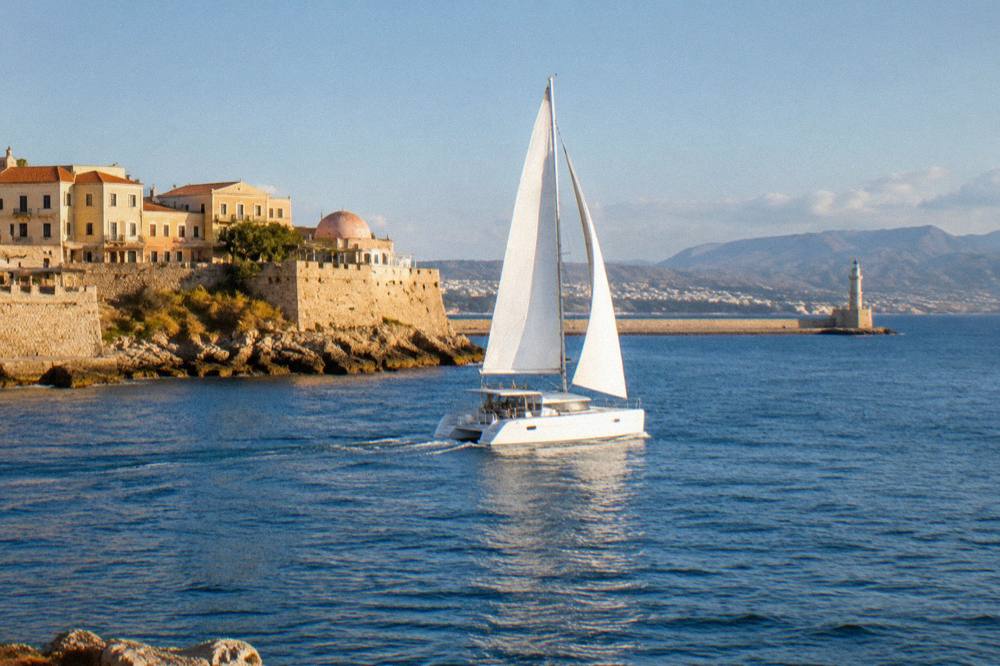
Marathi Beach Chania
Marathi Beach sits on the Akrotiri peninsula east of Chania, one of the calmest swimming beaches within reach of the city. This guide covers what it offers, how to reach it and how to plan the day around it.
Short answer
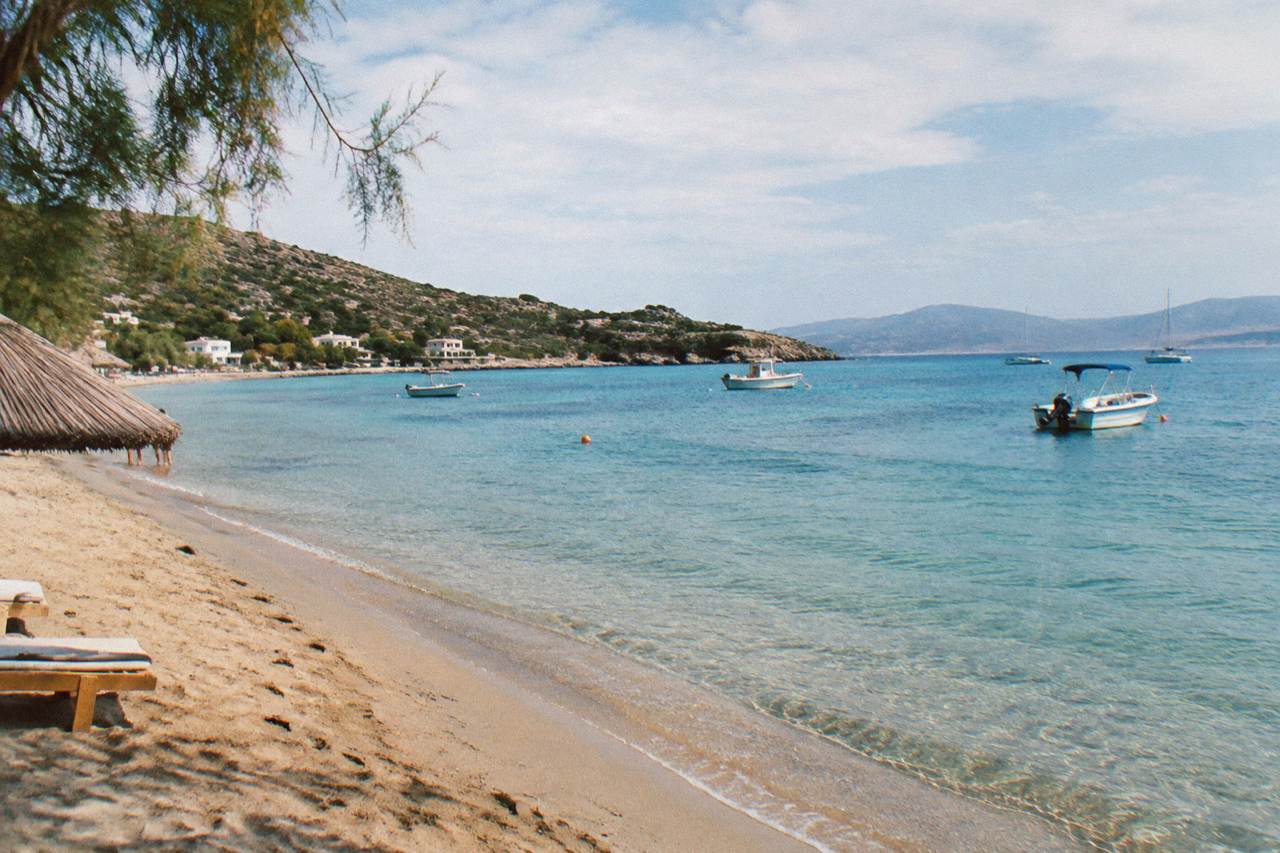
Marathi Beach is a sheltered, shallow sandy beach on the Akrotiri peninsula near Chania, about a 20 to 25 minute drive from the city, popular with families for its calm water.
Marathi Beach is the quiet, family-friendly swimming option on the Akrotiri peninsula east of Chania, the coastal city on the north-west coast of Crete that faces the Cretan Sea. Where the big-name beaches of the region, Balos and Elafonisi, ask for a half-day of travel each way, Marathi asks for a short drive from the city and hands back calm, shallow water in return. This guide from the Chania Crete Travel Guide editorial desk covers what the beach is, how to reach it, when the weather is on your side, and how to fold it into a wider Akrotiri or Chania itinerary.
Where Is Marathi Beach Near Chania?
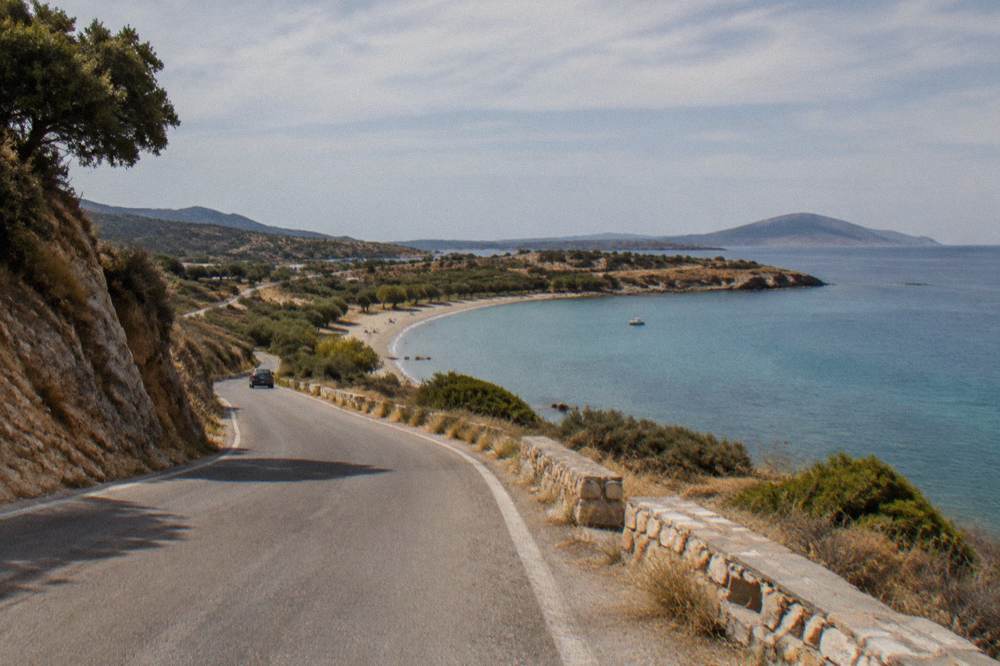
Marathi Beach sits on the southern shore of the Akrotiri peninsula, the headland that shelters Chania's bay on its eastern side and also holds the city's airport. The peninsula juts into the Cretan Sea north-east of the Old Town, and its southern coast, where Marathi lies, faces the open water between Akrotiri and the Rodopou peninsula opposite. That position is what gives the beach its sheltered water and its short hop from the city.
Akrotiri is one of the defining geographic facts of a Chania holiday, even when visitors do not name it. The airport, Chania International Airport "Ioannis Daskalogiannis" (CHQ), sits on the peninsula about 14 km from the city centre, operated by Fraport Greece. So the drive out to Marathi runs along the same peninsula many visitors touch down on, and the beach can reasonably be a first or last stop of a trip. The northern side of Akrotiri holds the monastery sights and the dramatic cove at Seitan Limania, while the southern side, Marathi's side, holds the gentler swimming beaches, including Stavros at the peninsula's north-western tip.
For orientation, think of the peninsula as a triangle east of the city. Chania's Old Town clusters around the Venetian Harbour at the western edge of the bay. Drive east across the bay and you cross into Akrotiri, where the road splits: north to the monasteries and wilder coves, south to the calm bays. Marathi sits on that southern, sheltered stretch, close to the smaller sandy beach at Tersanas and within the same corner as the peninsula's fishing coves.
What Kind Of Beach Is Marathi And Who Is It For?
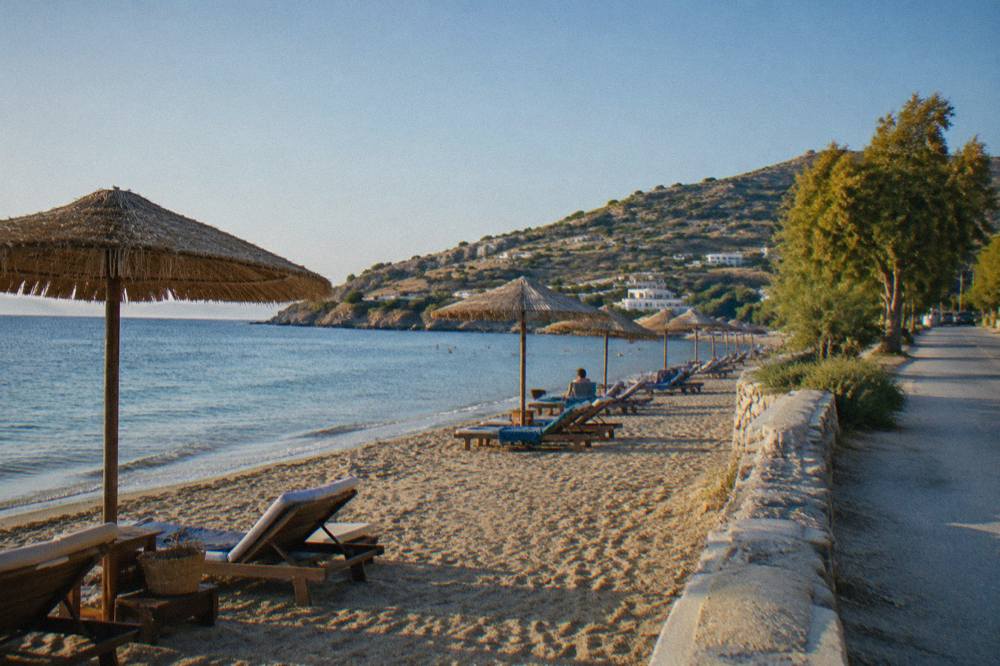
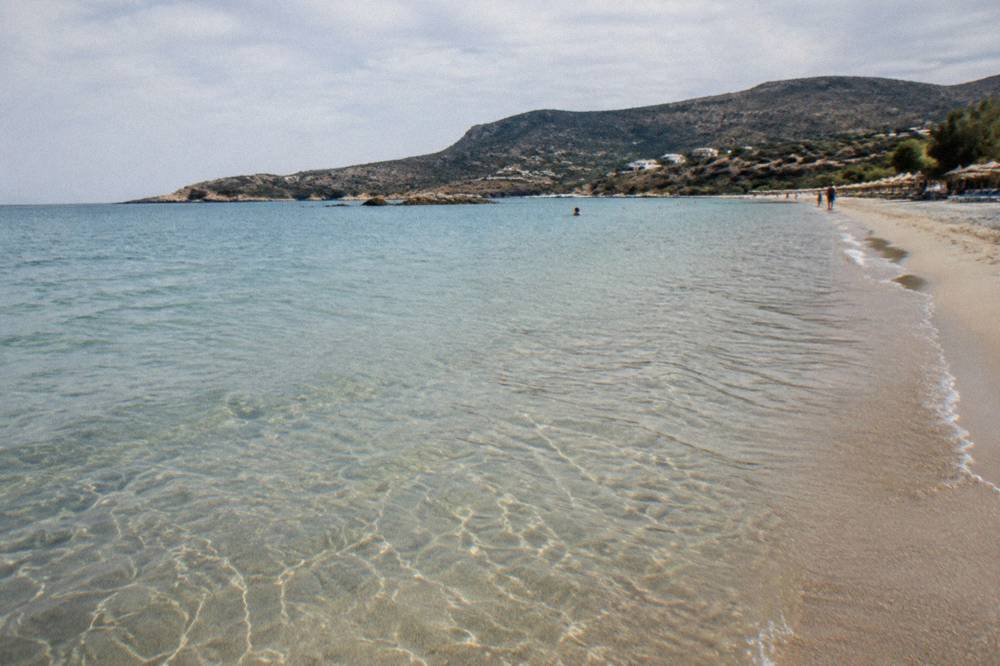
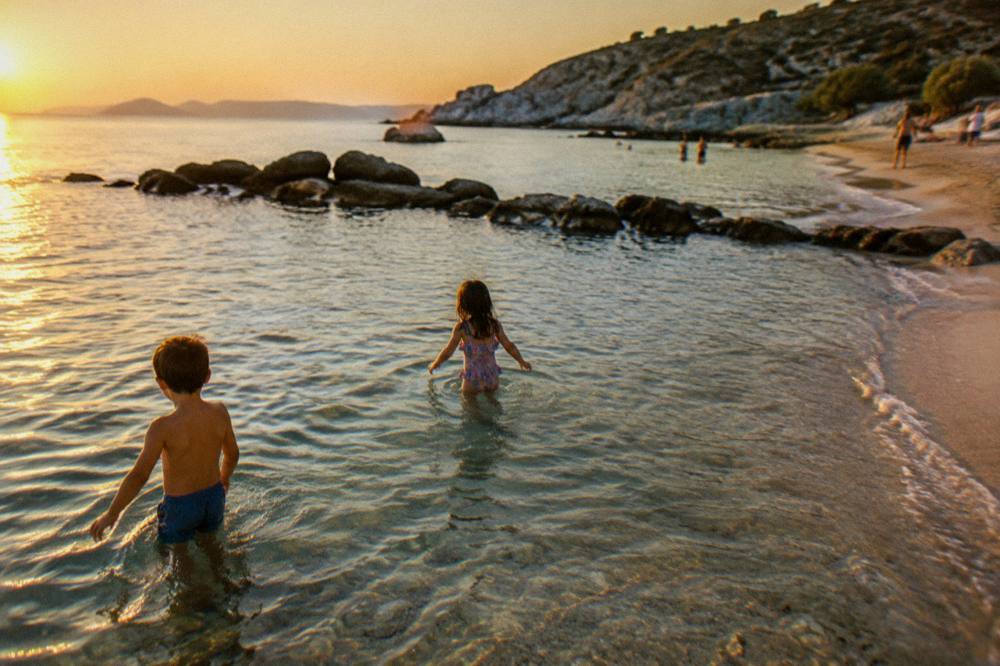
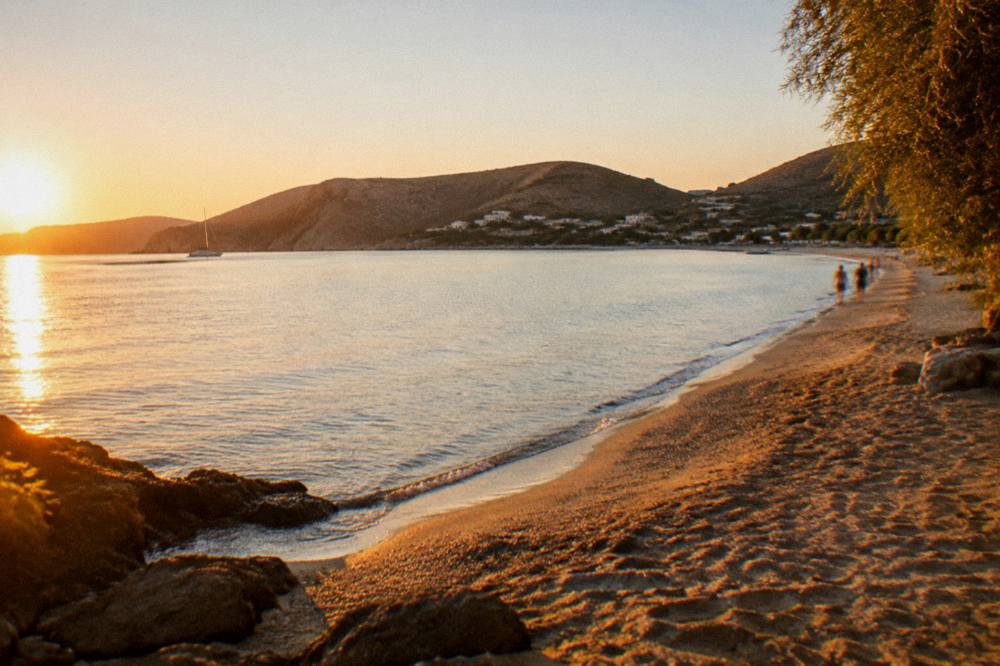
Marathi is a small, sandy, shallow-water beach built for easy swimming rather than scenery drama: the water deepens gradually, the surface stays calm under the peninsula's shelter, and the shore is lined with tavernas rather than development blocks. That combination makes it the classic family choice among Chania's near-city beaches, the one that works for small children, cautious swimmers and anyone who wants lunch two steps from their towel.
The beach's reputation rests on its water conditions. Because it faces south across a protected channel rather than the open north coast, the wind that whips up other beaches around Chania often leaves Marathi swimmable. In July and August the prevailing wind in the Chania area is north-west, according to the HNMS Chania Souda station table, which is exactly the direction the peninsula shields Marathi from. The result is water that stays glassy on days when beaches on the exposed north-facing coast are choppy.
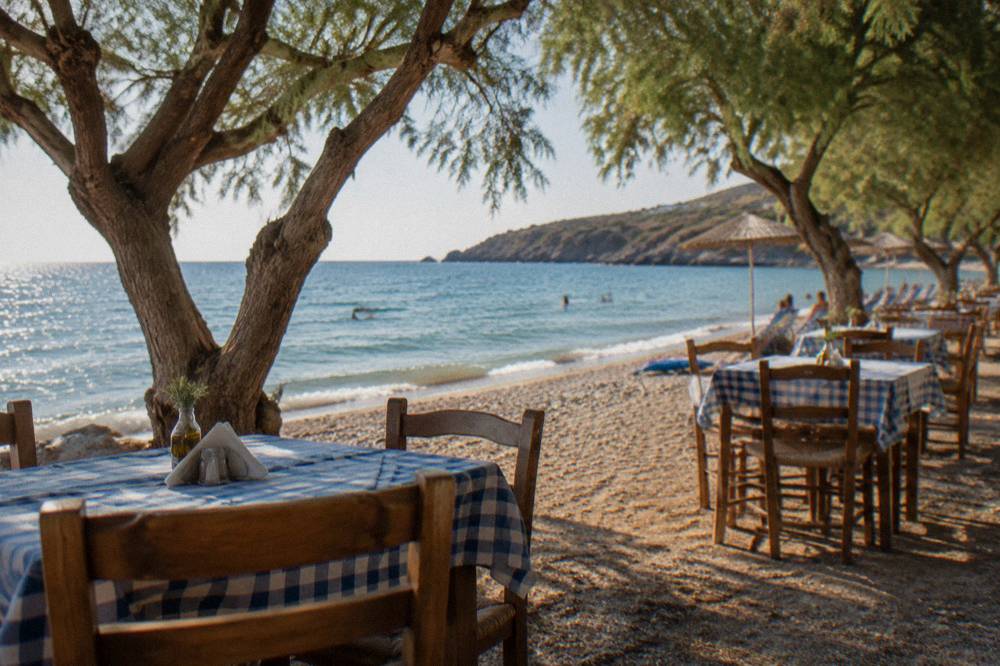
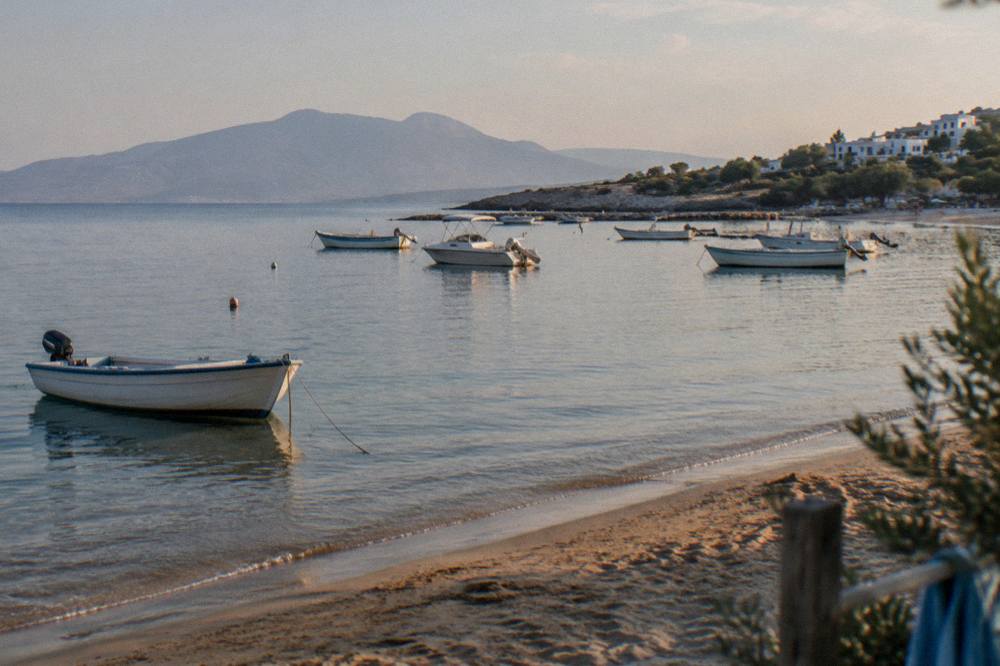
The shore itself is sandy, with the shallow gradient that keeps toddlers and paddlers happy. Tavernas sit directly behind the sand, and beach furniture is laid out in front of them in season. Sunbed prices are not published by any official source, so the desk does not print them: check the posted rate on the day. The tavernas also anchor the beach's second identity, as a lunch destination in its own right, since the channel in front of Marathi is a small-boat anchorage and fresh fish is the theme of the menus.
Who it suits less well is the visitor hunting a headline beach. Marathi is not Balos, Elafonisi or Falassarna, and it does not try to be. If the goal of the day is a postcard lagoon, the desk's guides to Elafonisi and Falassarna cover those longer trips. If the goal is a relaxed swim within a short drive of the city, with a taverna at hand, Marathi is the sensible answer on the Akrotiri side of the bay.
How Do You Get To Marathi Beach From Chania?
Marathi is reached by road from Chania, driving east out of the city onto the Akrotiri peninsula and then around its southern shore, a trip that takes roughly 20 to 25 minutes from the city centre by car or taxi in normal traffic. There is no ferry, no railway on Crete at all, and no boat link: the beach is a road destination, reached from the airport side of the bay as easily as from the Old Town.
Car hire is the flexible option, and the desk's guide to driving and renting in Chania covers the practicalities. The route is straightforward: out of the city on the Akrotiri road, following signs for the peninsula's southern beaches, then the local road to Marathi itself. Parking at the beach is on the roadside and the small areas by the tavernas, and no tariff is published by an official source, so confirm on the spot. In peak July and August the small bay fills early, which argues for a morning arrival.
A taxi works well for a one-way beach day since no fare is officially published, agree the price before setting off. Public transport detail is on the KTEL Chanion network, whose Chania long-distance station sits on Kydonias street; check the current Akrotiri routes at e-ktel.com before assuming a bus serves the beach directly, because seasonal local routes change.
For visitors basing themselves in the Old Town without a car, the planning question is different: the desk's answer page on walking to a beach from the Old Town covers the nearest walkable options, of which Nea Chora is the leading example, covered in the Nea Chora Beach guide. Marathi, by contrast, is a deliberate excursion, short but not walkable.
When Is The Best Time Of Year To Swim At Marathi Beach?
The swimming season at Marathi follows the Chania coast's dry stretch, and the HNMS Chania Souda station records for 1958 to 2010 show why: May to September is the dry window, with rainfall collapsing from 13.5 mm in May to 1.0 mm in July and temperatures peaking at a 26.7 C monthly mean in July. June, July and August are the safe-weather months; May, late September and October trade heat for quieter sand, and November to March is a walking-weather season, not a swimming one.
The station data deserves its period label: the HNMS Chania Souda table covers 1958 to 2010 at an inland station 148 m up from Souda Bay, and no newer official table is published. It remains the reference series for the area, and the monthly pattern it shows matches what a beach planner needs to know.
| Month | Mean temperature (C) | Rainfall (mm) | Rain days |
|---|---|---|---|
| Jan | 11.0 | 129.5 | 16.3 |
| Feb | 11.0 | 104.0 | 14.5 |
| Mar | 12.7 | 76.0 | 11.5 |
| Apr | 15.9 | 31.5 | 7.7 |
| May | 20.2 | 13.5 | 4.2 |
| Jun | 24.7 | 3.4 | 1.2 |
| Jul | 26.7 | 1.0 | 0.4 |
| Aug | 26.3 | 1.4 | 0.6 |
| Sep | 23.2 | 15.4 | 3.2 |
| Oct | 19.4 | 67.7 | 9.3 |
| Nov | 15.8 | 77.0 | 11.2 |
| Dec | 12.7 | 101.9 | 16.1 |
Read that as three planning blocks. June to August is the core: mean monthly temperatures of 24.7 to 26.7 C, mean daily maxima of 28.9 C in June and 30.7 C in July, and effectively no rain, with between 0.4 and 1.2 rain days a month. May and September are the shoulder: warm at 20.2 C and 23.2 C monthly means, with only 13.5 mm and 15.4 mm of rain respectively, and far fewer people on the sand. October turns: the mean holds at 19.4 C but rainfall jumps to 67.7 mm across 9.3 rain days, so an October swim is possible but no longer the default.
| Season window | Mean temp (C) | Monthly rainfall (mm) | What it means for Marathi |
|---|---|---|---|
| May | 20.2 | 13.5 | Warm enough to swim, quiet sand, sea still cool |
| Jun to Aug | 24.7 to 26.7 | 1.0 to 3.4 | Full beach season, calm sheltered water, busiest shore |
| Sep | 23.2 | 15.4 | Peak-value month: sea at its warmest, crowds thinning |
| Oct | 19.4 | 67.7 | Swimmable on good days, rain returns, tavernas thin out |
| Nov to Mar | 11.0 to 15.8 | 76.0 to 129.5 | Walking and lunch season, not swimming |
No monthly sea-temperature normal exists for the Chania coast, and the desk does not print one. Sea warmth is best judged on arrival: after a July and August like the table shows, September water is generally the most comfortable of the year, and a live reading is a live reading, not a normal.
Wind matters more at a beach than air temperature, and here Marathi's geography earns its keep. The station's prevailing wind for the area is westerly, swinging north-west in July and August. South-facing Marathi sits behind the peninsula from that summer direction, which is the mechanical reason the water stays calm. The meltemi, the summer north-westerly pattern of the Aegean, is a general seasonal feature, and the desk prints no wind speeds or dates for it.
What Facilities And Food Does Marathi Beach Have?
Marathi's facility set is compact and taverna-centric: a sandy shore with seasonal sunbeds and umbrellas run by the waterfront tavernas, shallow swimming water, a small-boat anchorage, and road-adjacent access rather than a purpose-built resort strip. There is no hotel block behind the sand and no watersports centre of record, so the day is built around swim, shade and a long taverna lunch.
The tavernas are the practical backbone of a Marathi visit. They face the beach directly, they hold the furniture, and fish is the theme of their menus. Prices are not published by any official body, so the desk prints none: read the posted menu card before sitting down, the same check that works anywhere on the island. A bill in Greece is itemised by law, so ordering can stay relaxed as long as the posted card was read.
What Marathi does not carry matters for packing. There is no shade beyond rented umbrellas and what the tavernas provide, so a beach umbrella or early arrival matters in July and August. There is no shop complex, so water and snacks come with you. And there is no lifeguard service the desk can confirm, so children stay within sight, which the shallow water makes manageable.
Sunbed and umbrella charges fall under the same rule as sunbeds everywhere in this guide: no official tariff exists, so confirm the posted price on the day. What can be said is structural: the furniture belongs to the tavernas, it sits in front of them, and a taverna lunch and a sunbed usually go together as one arrangement.
How Does Marathi Compare With The Other Beaches Around Chania?
Marathi is the calm-water, minimum-effort choice among Chania's beaches, best for families and short visits; Kalathas is its near neighbour with a similar sheltered character; Nea Chora is the walkable city option; Stavros is the small bay behind the dramatic Zorba scenery; and the far beaches, Balos, Elafonisi and Falassarna, are half-day expeditions in a different weight class entirely. Choosing among them is really choosing between effort and payoff.
The comparison is clearest as a table of what each beach costs you in travel and what it returns.
| Beach | Where it sits | Travel from Chania | Water character | Best for |
|---|---|---|---|---|
| Marathi | South shore of Akrotiri | Short drive, road access | Shallow, calm, sheltered | Families, easy swim days |
| Kalathas | North-east Akrotiri | Short drive | Calm bay, shallow entry | Families, a slightly wilder feel |
| Stavros | North-west tip of Akrotiri | Short drive | Small enclosed bay | Easy swim with cliff scenery |
| Nea Chora | Western edge of the city | Walkable from Old Town | City beach, shallow | Car-free days in town |
| Seitan Limania | North-east Akrotiri | Drive plus a steep hike down | Deep, dramatic cove | Adventurous swimmers, photos |
| Balos and Gramvousa | North-west tip of Crete | Long drive or boat from Kissamos | Lagoon, boat-access theme | A full-day expedition |
| Elafonisi | South-west corner of Crete | Long drive | Shallow lagoon, pink sand | A full-day expedition |
| Falassarna | West coast | Long drive | Wide open sandy beach | A full-day expedition |
Two notes attach to that table. Seitan Limania's cove is reached by a steep path and its water is deep rather than shallow, so it belongs to confident walkers and swimmers, and the desk's Seitan Limania guide covers it in full. And the far beaches carry their own logistics: Balos involves an unpaved road from Kaliviani or a boat from Kissamos with a EUR 1 municipal fee collected on the ticket for over-13s, and the desk's answer page on how hard Balos is to reach handles that honestly, while Elafonisi is a Natura 2000 protected area with free entry and a strict rule against taking sand, shells or plants.
For a full ranking logic across the region, the desk's answer page on the prettiest beach in Crete tackles the bigger question, and the Kalathas and Stavros comparison starts with the Kalathas Beach and Stavros Beach guides. Marathi's role in that family is fixed: it is the easy one, the one you can decide on at breakfast.
Is Marathi Beach Good For Families With Children?
Marathi is the family-first beach of the Akrotiri side: the water deepens gradually over sand, the bay holds calm under the peninsula's shelter, the tavernas are steps from the waterline, and the whole site is compact enough that a child never leaves easy sight. The trade-offs are the summer crowd on a small shore and the absence of any lifeguard service the desk can confirm, so supervision stays with the adults.
Shallow water is the headline advantage. A gradual sandy entry means paddling stays safe for small children close in, and the bay's shelter means no shore-break to fight. The tavernas convert the beach into a full-day site, since a hot lunch, a shaded table and a toilet stop are all within a minute's walk of the sand, which is the difference between a two-hour visit and a full afternoon.
The desk's wider Chania with kids guide places Marathi within the family itinerary, alongside gentler options like Lake Kournas, whose guide covers the freshwater lake inland of Georgioupoli. A useful Akrotiri family day chains several stops: a morning at Marathi, lunch at a waterfront table, then the short hop to the Agia Triada Monastery, whose grounds make a calm afternoon circuit. Visitors with a fortnight rather than a week can add the Chania five days itinerary and slow the pace.
Practical family notes: bring your own shade backup for July and August, since sunbed availability depends on arrival time and taverna policy; pack water shoes if the sand shallows hold pebbles after weather, as small bays change surface after storms; and note there is no shop, so snacks travel with you. The general safety guidance for Crete beaches applies, and the desk's is Chania safe page covers the city-level picture.
What Can You Combine With Marathi Beach In One Day?
Marathi works best as the swim block of a half-day or full-day Akrotiri circuit: pair it with the monasteries of the peninsula, the cove at Seitan Limania for the view, Stavros for a second swim, or the Venetian Harbour back in the city for the evening. Because everything sits within a short drive, the beach slots before or after any of them without reshaping the day.
The classic circuit runs monastery first, beach second. Agia Triada Monastery and Gouverneto Monastery sit on the peninsula's northern side, and both are covered by the desk's Akrotiri peninsula guide. A morning at the monasteries, before the midday heat, followed by a swim and a fish lunch at Marathi, is the shape of an easy Akrotiri day that avoids doubling back.
The city re-entry is equally short. Twenty-odd minutes of driving returns you to the Old Town, where the Venetian Harbour, the lighthouse at the mole's end and the Firka Fortress, built in 1620 with free grounds, close a sightseeing loop on foot. The Archaeological Museum of Chania, at 15 Skra Street in Halepa, holds a full ticket at EUR 15 and a concession at EUR 8, with hours to be confirmed on the museum's own visit page, and makes a good late-afternoon stop on the drive back along the bay.
Wet days invert the plan. When the October rainfall table turns real, the desk's Chania rainy day guide takes over, and the Municipal Market and the museums carry the day instead of the sand.
Which Tours Pair Well With A Marathi Beach Day?
The tours that pair best with Marathi are the ones that cover what a beach day cannot: the boat trips that put you on the water around Chania's coastline, the full-day expeditions to Knossos and Heraklion, and the food and wine days that reach into the island's interior. Marathi covers the calm-swim need on its own, so the tour budget is better spent on the sea, the ruins or the table.
On the water, the snorkelling boat trips that run from Chania with pickup cover the guided-swim experience Marathi's shallow bay cannot, and the desk's Chania boat trips guide ranks the options, from sunset cruises to island hops like the cruise to Agioi Theodoroi and Lazaretta. On land, the Knossos and Heraklion full-day tour from the Chania area is the efficient way to reach Crete's headline archaeological site without a self-drive east, and the desk's Heraklion and Knossos guide sets the context.
The third pairing is the table. A wine and olive oil tasting day from Chania covers the interior's products, wineries and presses, and stands as the natural contrast day to a beach day: one day shallow water, the next Cretan wine. The desk's Chania wine tours and cooking classes guides expand the food-and-wine track, and the best tours from Chania page ranks everything at once for a longer stay. A visitor who has browsed the tours can also check live availability on the wine and olive oil day directly: Check availability.
What Should You Pack For A Marathi Beach Day?
Pack for a compact, taverna-backed beach: swim gear and towels, high-factor sun cream for a latitude and a July mean maximum of 30.7 C, water and snacks since no shop sits behind the sand, shade backup beyond the taverna umbrellas, water shoes for pebbled patches, and cash or a working card for a fish lunch at a waterfront table. Nothing technical is needed, the water is shallow and the site is small.
| Item | Why it earns its place |
|---|---|
| High-factor sun cream | July mean daily maximum is 30.7 C in the station record, and shade is limited to umbrellas |
| Water, more than seems enough | No shop sits behind the beach; tavernas sell drinks but at taverna prices |
| Own umbrella or shade | Sunbeds depend on availability and taverna policy in peak weeks |
| Water shoes | Small sandy bays can hold pebbled patches after weather |
| Cash or card, both if possible | Tavernas and sunbeds bill separately; confirm the posted rate first |
| Snorkel mask, optional | The shallow bay is calm but not a reef; masks amuse children for hours |
Two seasonal notes complete the packing picture. In the shoulder months, May, late September and October, a light layer covers the drive back after sunset, which arrives earlier than midsummer expectations. And in October, the table above says what to expect of rain, 67.7 mm across 9.3 rain days in the station record, so the packing list gains a light rain layer and the plan gains an indoor fallback.
Common Questions About Marathi Beach Chania
Is Marathi Beach good for swimming?
Yes. The bay is shallow, sandy and sheltered by the Akrotiri peninsula, and the water deepens gradually, which is why families choose it. The prevailing summer wind in the Chania record is north-west in July and August, the direction the peninsula shields the south-facing bay from, so the surface stays calm on days when exposed beaches are choppy.
How far is Marathi Beach from Chania?
Marathi sits on the southern shore of the Akrotiri peninsula east of the city, roughly a 20 to 25 minute drive from the centre in normal traffic. The airport on the same peninsula lies about 14 km from the city centre, so the beach is reachable directly from either the city or an arrival day.
Is Marathi Beach suitable for children?
Yes, it is the classic family beach of the Akrotiri side. The water is shallow over sand, the tavernas sit at the waterline for lunch and shade, and the site is compact enough for easy supervision. No lifeguard service is confirmed, so children stay within sight of adults.
Are there tavernas at Marathi Beach?
Yes, tavernas line the sand and run the seasonal sunbeds in front of them, with fish as the theme of the menus. No official price list exists, so read the posted menu card and the posted sunbed rate on the day.
Can you reach Marathi Beach by public transport?
The beach is primarily a road destination reached by car, taxi or excursion transfer. The KTEL Chanion network runs from the Chania long-distance station on Kydonias street, and seasonal local routes change, so check e-ktel.com for the current Akrotiri service before relying on a bus.
When is the best month to visit Marathi Beach?
June through August is the settled core of the season, with monthly means of 24.7 to 26.7 C and rainfall of 1.0 to 3.4 mm in the HNMS Chania Souda record for 1958 to 2010. September is the balance month, 23.2 C and 15.4 mm of rain, with warm sea and fewer people, and October stays swimmable on good days but rain returns in force.
The Short Verdict On Marathi Beach
Marathi earns its place on a Chania trip as the low-effort, high-comfort swim: a shallow, sheltered, taverna-backed bay within a short drive of the city, dependable in the July and August wind pattern and forgiving for families. It is not a headline expedition beach, and it does not need to be, because the expeditions, Balos, Elafonisi, Knossos, the wine country, are covered by other days and other tours.
Plan it as the easy day. Put it after a long gorge or boat expedition, put it on the arrival afternoon when energy is low, put it on any morning the family votes for water over driving. Check the weather against the station record, read the posted prices at the taverna, and let the shallow bay do the rest.