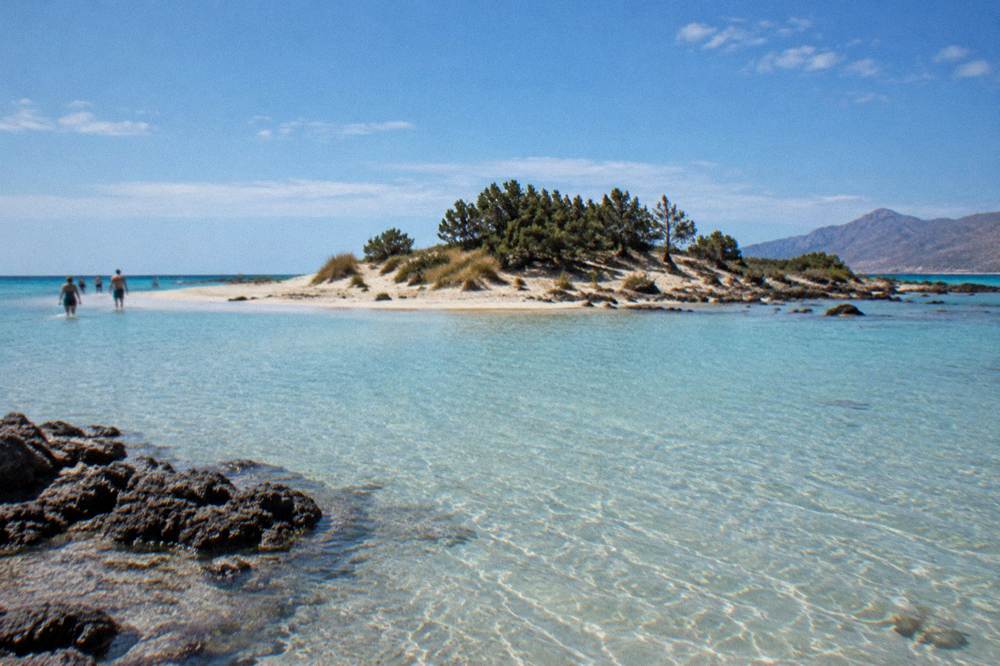
Elafonisi Beach
Elafonisi sits on the south-west corner of Crete, reachable as a day trip from Chania, with free entry, protected dunes and a seasonal bus route. Here is what the sources actually say about planning the day.
Short answer
Elafonisi Beach is a Natura 2000 protected area on Crete's south-west coast, about a day trip from Chania, with free entry, reported parking of around EUR 5 a day and a summer KTEL bus route. Taking sand, shells or plants is prohibited.
Elafonisi Beach is a shallow lagoon and dune system on the south-west corner of Crete, the island whose north-west coast holds Chania, the city this guide writes from. The site is protected, entry is free, and the pink-tinged sand that made it famous is exactly the thing visitors are asked not to take away. The beach is a long day trip from Chania by car, by seasonal bus or with an organised tour, and this page sets out what the published sources say about each of those routes, the rules in the protected area, and the time of year that suits the plan.
What Is Elafonisi Beach And Where Is It?
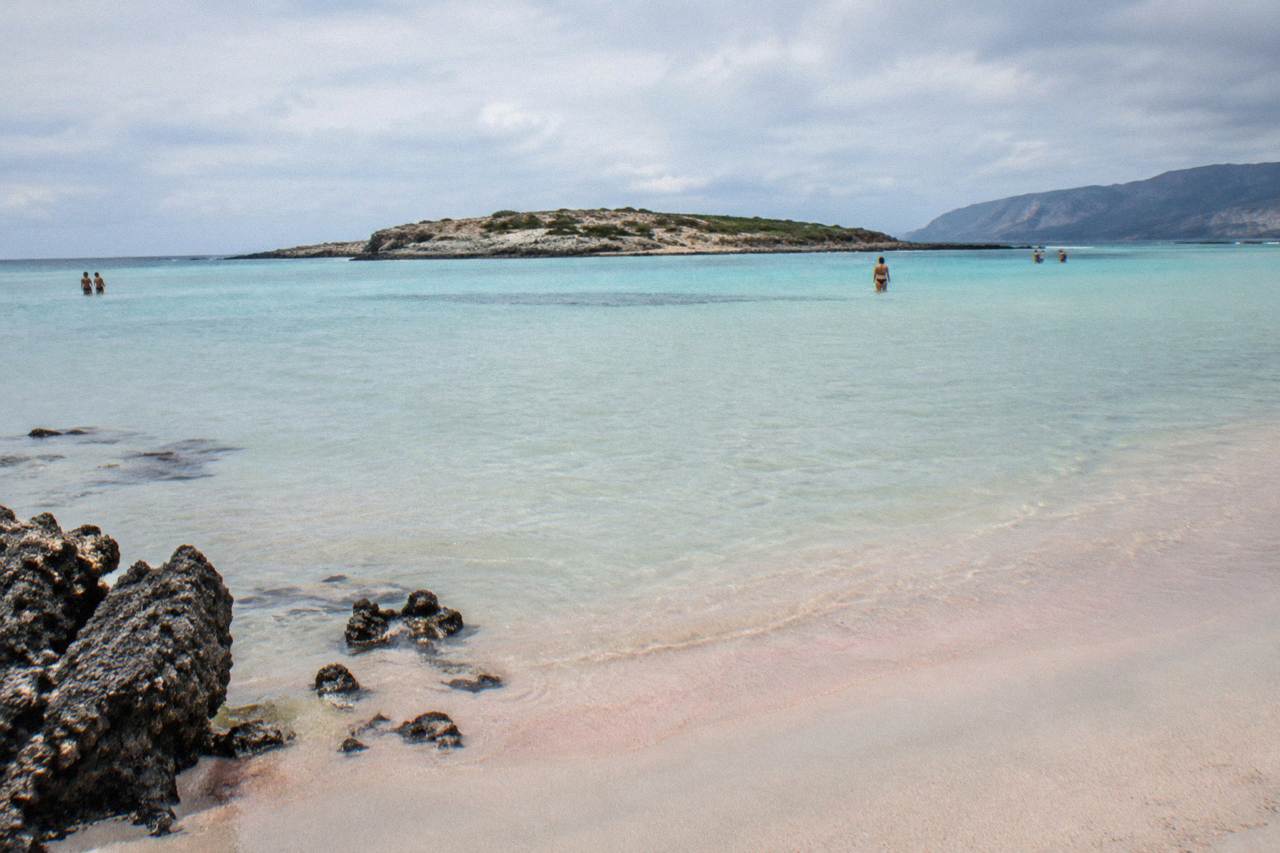
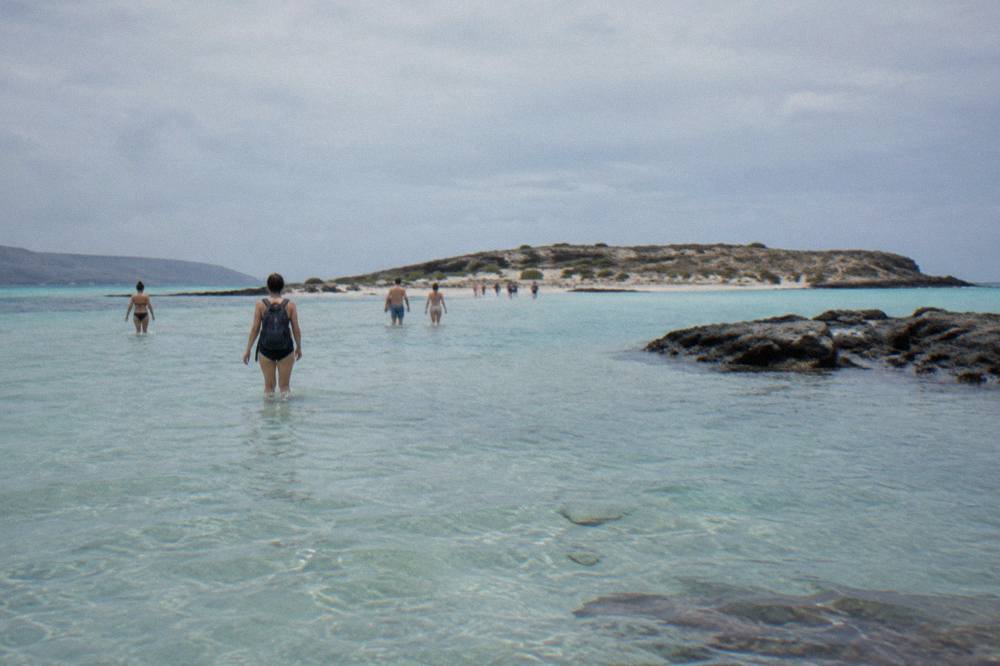
Elafonisi is a lagoon beach and protected nature area on the south-west tip of Crete, separated from a small island by a shallow stretch of water that is normally waded rather than swum. It sits at the end of a peninsula road reached from the north-west of the island, which makes it a day trip from Chania rather than a city beach, and its protected status shapes what visitors may and may not do on the sand.
The name refers both to the beach and to the islet just offshore, joined to the mainland by the sandbar that gives the place its character. The whole area lies inside the Natura 2000 network of protected European sites, which is the single most important fact for a visitor to hold onto: the dunes, the plants behind them and the shells on the shoreline are part of the designation, not decoration. The landscape around the beach is low and treeless, exposed to the sun and to the wind that the HNMS Chania Souda station records as prevailing from the west, and from the north-west in July and August.
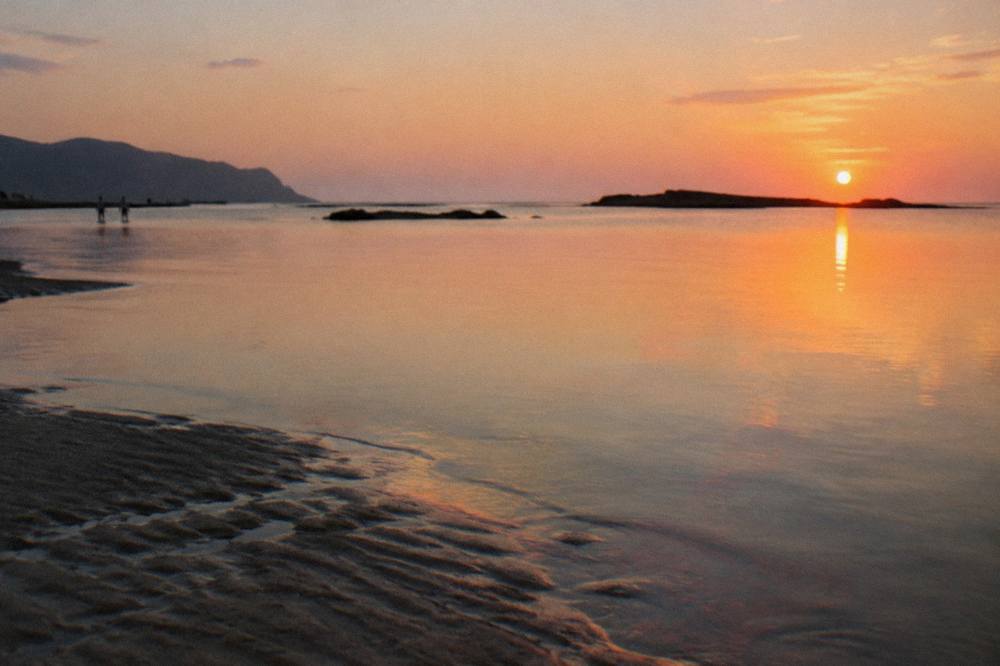
That exposure cuts both ways. The shallows warm quickly and the light over the water is the reason the beach appears in photograph after photograph. There is little natural shade, so a plan for the day is a plan for sun, and the sections below on timing and on what to carry follow directly from that. For how the beach compares with the other famous lagoon on this coast, see the guide to Elafonisi versus Balos.
Why Is The Sand At Elafonisi Pink?
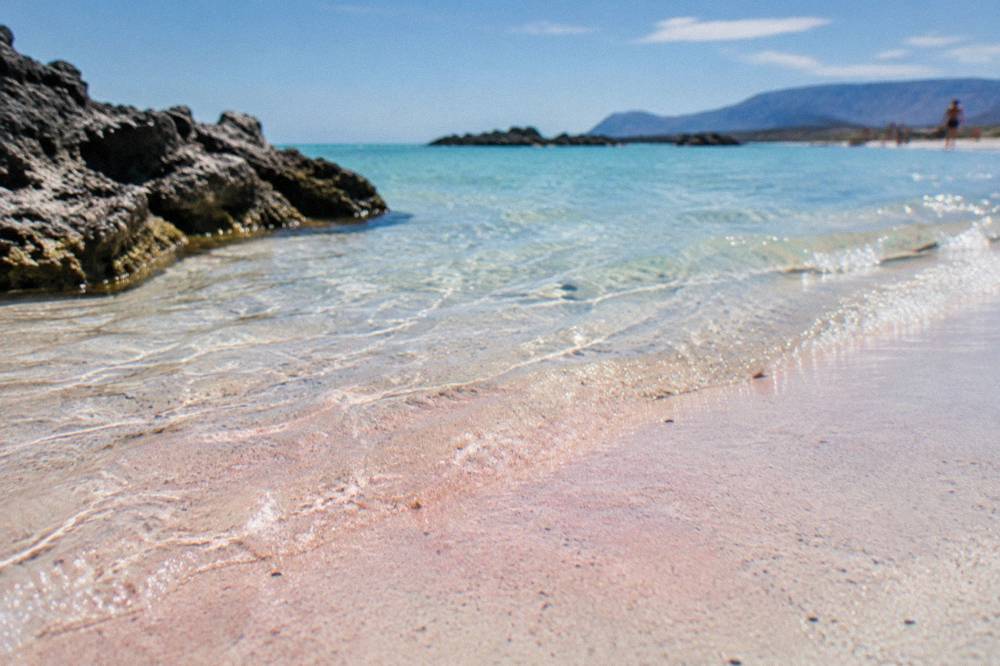
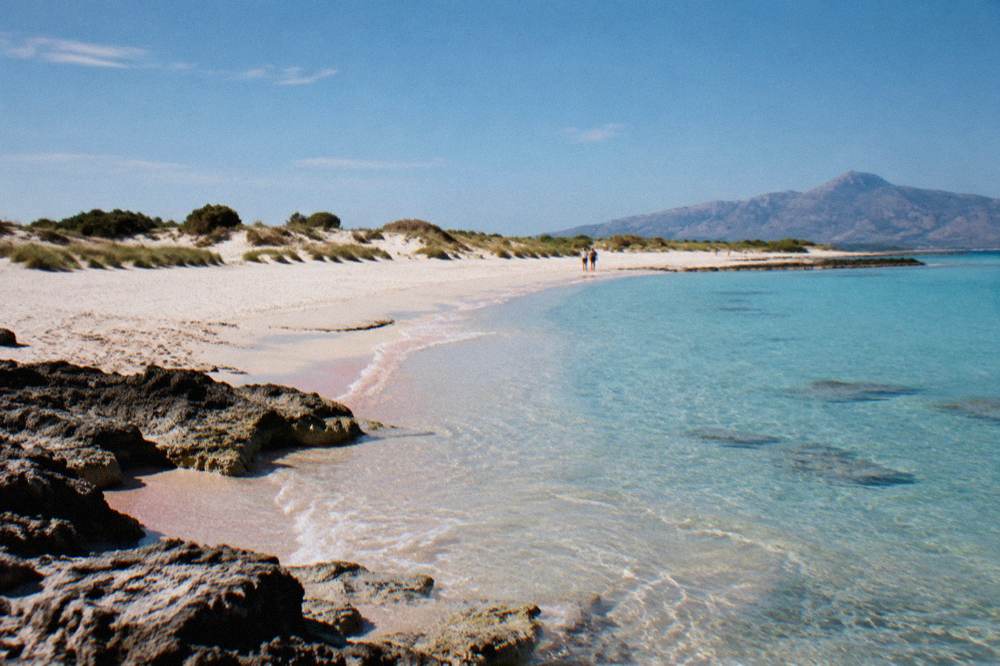
The pink colour comes from crushed shell and red algae fragments mixed into the pale sand, and it is strongest where the tideless shallows have sorted the fragments into deposits along the shoreline. The effect is subtle rather than candy-coloured, it varies with the light and the season, and because the beach is a protected Natura 2000 site, taking that sand home is prohibited, shells and plants included.
The full explanation of the colour, and of why it changes through the year, sits on the dedicated page explaining why Elafonisi Beach is pink. The short version is that the pigment is biological, not mineral: fragmented shells and calcified algae break down into grains that catch red light, and the deposits concentrate in bands along the waterline. Wet sand shows the colour more strongly than dry sand, and early or late light flattens it less than midday glare.
The prohibition matters here more than etiquette. The protected-area status covers the dune vegetation as well as the shoreline, and the rule against removing sand, shells or plants is published as a rule, not a request. A visitor who wants the colour to persist photographs it; a visitor who pockets a bag of it contributes to the problem the designation exists to stop. The same logic applies to the dunes behind the beach, where walking is confined to established paths.
How Do You Get To Elafonisi From Chania?
Elafonisi is reached from Chania by road along the west of Crete, by the seasonal KTEL bus route that runs to Elafonisi in summer, or by an organised day trip, and the choice is between driving a long peninsula road yourself, relying on a seasonal timetable, or letting a tour handle the transfers. The KTEL Chanion network lists Elafonisi among its summer routes from the long-distance station on Kydonias street in Chania, and tours depart from central Chania pickup points.
Driving gives the most flexibility and the least information. The road runs west and then south around the top of the peninsula, and the final stretch descends toward the coast at the island's south-west corner. There is no single official road page for the approach, and conditions on the last section vary, so drivers should confirm locally before setting out, allow a full day, and expect the return leg in the dark if the day runs long. Fuel, water and shade are worth carrying, because services thin out on the peninsula.
Happy to take that drive at your own pace? Book a rental car here.
The bus is the low-effort option while it runs. The KTEL Chanion route list includes Elafonisi in summer, alongside Heraklion, Rethymno, Kissamos, Paleochora and Omalos, with tickets through the operator's own e-ticket site. Timetables are seasonal and shift from year to year, so the current table should be checked before the day is planned, and the last return matters more than the first departure: a bus day at Elafonisi is only as long as the final departure allows.
The tour option bundles the drive with structure. The featured Elafonisi day trip on this site pairs the beach with a stop in Elos village and a honey and wine tasting, runs from Chania, and suits a visitor who would rather not spend hours at the wheel; details and live availability are on the operator's listing, and the page answering whether Elafonisi beach is worth it weighs the same decision.
How Much Does Elafonisi Cost To Visit?
Entry to Elafonisi Beach is free, the only reported routine charge is parking at around EUR 5 a day, and the remaining costs are the transport that gets you there: fuel and a hire car, a KTEL bus fare, or a tour price that renders on the operator's live listing. No sunbed, umbrella or facility price is published in a verifiable form here, so those are confirmed on the spot rather than assumed.
| Cost item | What the sources say |
|---|---|
| Beach entry | Free |
| Parking | Reported at around EUR 5 a day |
| Sand, shells, plants | Removal prohibited, no charge because removal is not allowed |
| Bus fare | Fare not printed here; check the KTEL e-ticket site |
| Tour price | Renders on the operator's live listing, never typed here |
| Sunbeds and umbrellas | No verifiable price; confirm on the day |
The free entry is not a promotion, it is a condition of the protected status: the site is a Natura 2000 area, and access is open while the habitat stays in place. Parking is the one routine out-of-pocket cost on the ground, and even that is a reported figure rather than a posted tariff, so treat it as a planning number and check the signage at the lot. Anything rented on the beach itself, from umbrellas to water toys, is priced by whatever operator is present that season, and the desk does not print figures it cannot verify.
The transport line of the table is where budgets actually move. A self-driven day adds a car's running costs and the driver's energy; a bus day trades that for a fixed timetable; a tour day prices the whole bundle upfront on the listing. Visitors comparing Elafonisi with Balos should note that the two beaches have different fee structures: Balos carries the EUR 1 Kissamos municipal fee on the boat ticket for over-13s, while Elafonisi's only reported charge is the parking, a difference covered in how difficult it is to get to Balos.
What Rules Apply Inside The Natura 2000 Area?
Elafonisi's rules are conservation rules: taking sand, shells or plants from the beach and dunes is prohibited, the dune vegetation is protected alongside the shoreline, and entry is free precisely because the site is managed as habitat rather than as a ticketed attraction. The prohibitions are published as rules, and they apply to everyone on the sand, wading the lagoon or walking the islet.
| Protected element | Rule in force |
|---|---|
| Sand | Removal prohibited |
| Shells | Removal prohibited |
| Dune plants | Removal and trampling off paths prohibited |
| Entry | Free, no ticket |
| Area status | Natura 2000 protected site |
What this means in practice is simple behaviour on the sand: stay on established paths through the dunes, leave the shoreline as it lies, and carry out everything carried in. The wade across to the islet is part of the visit for many people, and the shallow sandbar makes it an easy crossing in calm conditions, but the same protected status covers the islet and its vegetation. There is no list of fines or enforcement figures that this desk can verify, so the rule is stated as a rule and the reader treats it as binding.
The wider lesson for a Crete itinerary is that several of the island's headline beaches carry some form of protection or management. Elafonisi is free entry with conservation rules, Balos carries a municipal fee on the boat ticket, and Samaria Gorge is a paid national park with a seasonal opening, as the Samaria Gorge day trip guide sets out. Reading the status of each site before planning is the difference between a smooth day and an unplanned surprise.
When Is The Best Time Of Year For Elafonisi?
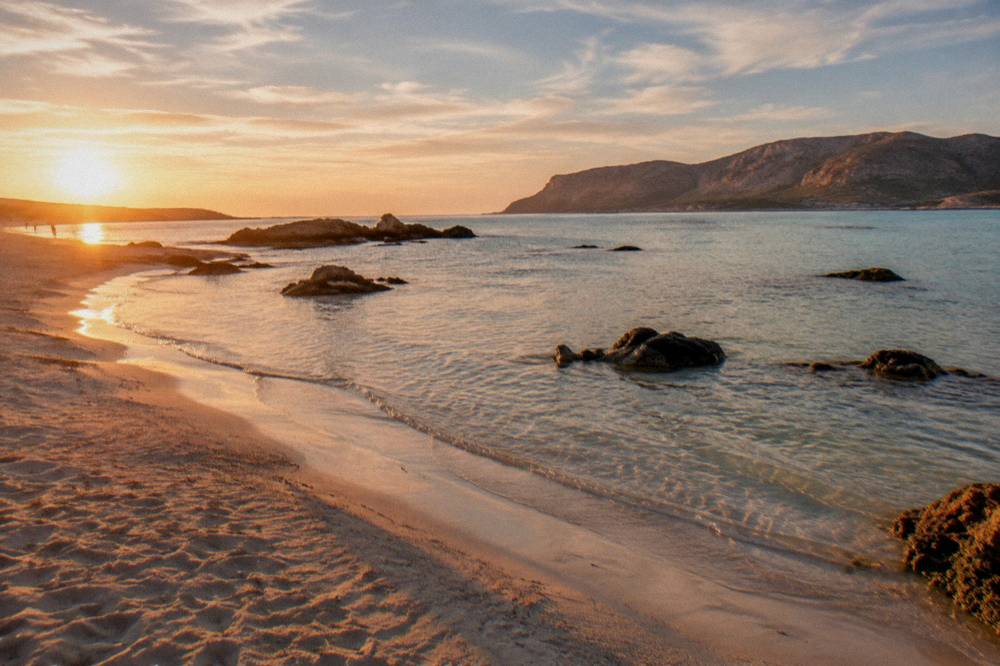
The climate record for the Chania Souda station, covering 1958 to 2010, shows May to September as the dry window on this coast, with July rainfall averaging 1 mm and June 3.4 mm, while the warm months of July and August average 26.7 C and 26.3 C, so the beach season is broad and the choice inside it comes down to crowds, wind and how much heat the day plan can absorb.
| Month | Mean C | Rain mm | Rain days |
|---|---|---|---|
| Jan | 11.0 | 129.5 | 16.3 |
| Feb | 11.0 | 104.0 | 14.5 |
| Mar | 12.7 | 76.0 | 11.5 |
| Apr | 15.9 | 31.5 | 7.7 |
| May | 20.2 | 13.5 | 4.2 |
| Jun | 24.7 | 3.4 | 1.2 |
| Jul | 26.7 | 1.0 | 0.4 |
| Aug | 26.3 | 1.4 | 0.6 |
| Sep | 23.2 | 15.4 | 3.2 |
| Oct | 19.4 | 67.7 | 9.3 |
| Nov | 15.8 | 77.0 | 11.2 |
| Dec | 12.7 | 101.9 | 16.1 |
These are station records from the HNMS Chania Souda station at 148 m inland of Souda Bay for the period 1958 to 2010, the table the service publishes, and they describe the regional climate rather than the water at Elafonisi itself. No official monthly sea-temperature normal exists for this coast, so none is printed: sea conditions are judged from a live reading on the day, not from a table. Rain becomes significant again from October, with 67.7 mm across the month, and the shoulder months of April and October split the difference between warmth and wet. The rest of the planning pages sit on Chania Crete Travel Guide.
Two practical readings follow. First, June and September combine mean temperatures of 24.7 C and 23.2 C with very low rainfall, which suits a long beach day at the end of a long drive. Second, July and August bring the north-westerly wind pattern the station records for those months, which on an exposed south-west-facing beach means refreshment, blowing sand or both, depending on the day. The full picture, including month-by-month advice for the city itself, is in the guide to the best time to visit Chania.
Elafonisi Or Balos: Which Day Trip Suits You?
Elafonisi and Balos are the two headline beach day trips from Chania, and they differ in structure rather than beauty: Elafonisi is a drive-to beach with free entry and protected dunes, while Balos is reached by boat from Kissamos port or by an unpaved road from Kaliviani followed by a walk down, with a EUR 1 municipal fee collected on the boat ticket for over-13s. The choice is between a road day and a boat day.
| Question | Elafonisi answer | Balos answer |
|---|---|---|
| Access | Road to the beach | Boat from Kissamos, or unpaved road plus a walk |
| Entry | Free | EUR 1 municipal fee on the boat ticket, over-13s |
| Protection | Natura 2000 area | Gramvousa and lagoon area |
| Sand rule | Removal prohibited | Follow posted local rules |
| Style of day | Drive, beach, return | Cruise, swim stop, return |
The comparison deserves more room than a table, and the site gives it a full page in the Elafonisi versus Balos guide. The short version is that Balos is a lagoon viewed largely from the water or from the descent above it, while Elafonisi is a shoreline you walk onto and stay with, wading the sandbar to the islet when conditions allow. Families with very small children often prefer the wade-in shallows of Elafonisi; visitors who want the boat ride and the Gramvousa island stop go to Balos, whose full logistics are in the Balos lagoon and Gramvousa guide.
A week in west Crete can hold both, spaced a day apart, and the one-week itinerary on this site sequences them with the city and the gorges. What the desk advises against is booking both on consecutive days without checking the second booking's cancellation terms: a windy day spoils one beach day more than the other, and flexibility is worth more than a packed schedule.
What Should You Bring For A Full Day At Elafonisi?
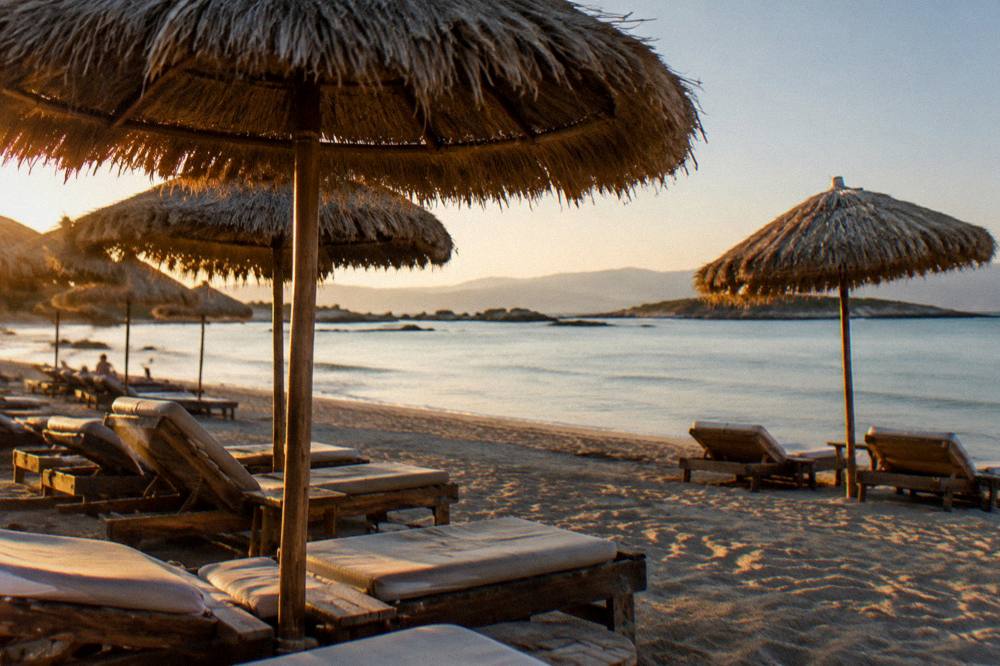
A day at Elafonisi is a sun day: shade is scarce, the dunes offer little cover, services on the peninsula thin out well before the beach, and the plan should carry water, sun protection, proper footwear for hot sand and a means of paying for parking and any on-site rentals, with prices for the latter confirmed on the day rather than assumed from any figure online.
The station climate explains the list. July and August mean temperatures of 26.7 C and 26.3 C, with mean maxima of 30.7 C and 30.4 C, and humidity around 50 percent in July: that is drying heat on an open shoreline, and the middle hours of the day are when plans without water and shade go wrong. May and September are gentler at 20.2 C and 23.2 C means, but the sun angle is still high and the advice holds.
Footwear earns its place twice over. The sand at the waterline and on the crossing to the islet can be hot and, in places, sharp with shell fragments, which is the same material that gives the beach its colour. Reef shoes or similar protect feet and, incidentally, make it easier to leave the shoreline exactly as it was found, which the protected-area rules ask of every visitor.
Should You Visit Elafonisi With A Tour Or On Your Own?
A tour suits a visitor who does not want to drive the peninsula road, wants a fixed pickup in Chania and is happy to accept the operator's schedule, while an independent trip by hire car or the summer KTEL bus suits a visitor who wants to arrive early or leave late and control the day. The featured Elafonisi tour on this site adds an Elos village stop and a honey and wine tasting to the beach day, a combination that works well as a single booked day.
The featured trip is the Elafonisi Pink Beach and Elos tour from Chania, which covers the drive, the beach and the tasting in one package; its price, rating and schedule render on the operator's live listing, and the listing is where current availability lives. A plain beach transfer also exists in the roster as the Elafonisi Beach Trip from Chania for visitors who want the logistics handled without the tasting stops.
The independent route rewards early starts. The beach's photographic reputation means the middle of the day in high summer is its busiest window, and a self-driven arrival before that window, or an afternoon that runs past it, changes the character of the visit. The bus timetable, when it runs, is the constraint to check first, because a bus visitor leaves when the bus leaves regardless of the light.
For a visitor who has already seen Elafonisi, or who prefers water over dunes, the same corner of Crete offers other booked days. The Menies Beach and Chironisia Bay cruise with snorkeling runs from Chania along the Rodopou peninsula coast, and the cooking class in the White Mountains turns a beach day into a food day in the mountains behind the city.
What Can You Combine With An Elafonisi Day Trip?
Elafonisi pairs naturally with the beaches and villages of the far west of Crete, and the two strongest combinations are Falassarna, the long west-coast beach reached on the same road north, and Paleochora, the south-coast resort town that sits on the coast between Elafonisi and Chora Sfakion, both of which have their own day trip pages on this site.
| Combination | What it adds | Guide on this site |
|---|---|---|
| Falassarna | A long west-facing beach for a second swim stop | Falassarna guide |
| Paleochora | A south-coast town with beaches and tavernas | Paleochora guide |
| Elos village | Mountain village stop, included on the featured tour | Renders on the tour listing |
| Chania Old Town | Evening return to the Venetian Harbour | Venetian Harbour guide |
Sequencing matters more than selection. Elafonisi is the far point of the day, and a plan that adds Falassarna on the way home turns a long drive into a loop with two beaches, while a plan that adds Paleochora commits to the southern road and a different return. Tours solve the sequencing by design: the featured Elafonisi trip builds in the Elos stop rather than a second beach, and visitors who want both beaches in one day are effectively choosing a self-driven itinerary.
For a longer west Crete plan, the one-week itinerary on this site fits Elafonisi, Balos, a gorge and the city into a single sequence, and visitors with less time should read how many days are enough for Crete before committing to the drive-heavy version. The Chania-based planning pages, starting from things to do in Chania, carry the rest of the island's day trips, from Rethymno to Knossos.
Is Elafonisi Worth The Journey From Chania?
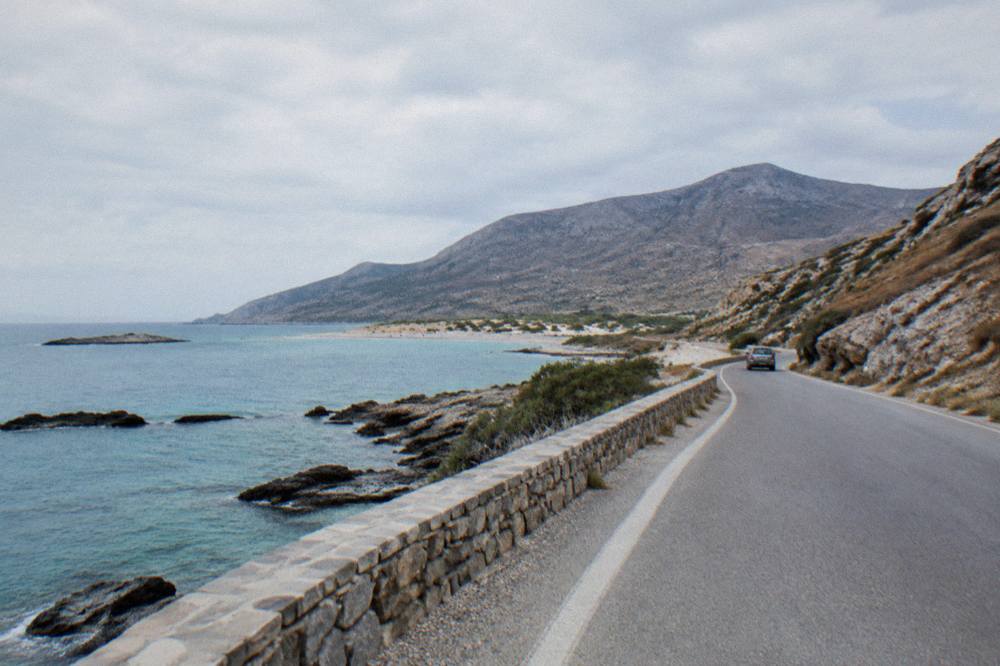
Elafonisi is worth the journey for a visitor who wants one of Crete's protected lagoon beaches and accepts that the day is built around the drive, and the free entry, the wade-across shallows and the protected dunes deliver a shoreline that no city beach matches, while a visitor who wants minimal travel should weigh the closer options on the Akrotiri peninsula and the coast west of Chania first.
The honest framing is distance versus distinctiveness. No verified driving time from Chania to Elafonisi is printed here because the desk does not state a journey time the sources do not give, but every route to the island's south-west corner is a substantial day, and the beach is the reason people accept it. Against that, the closer beaches described in the guide to beaches near Chania Old Town and the Akrotiri pages for Stavros and Marathi offer shallow, family-friendly water at a fraction of the travel.
The middle path is the booked day. A tour absorbs the driving, the featured trip adds a village and a tasting, and the visitor trades control for a fixed, operator-managed schedule. Whichever route carries the day, the rules at the destination do not change: free entry, protected dunes, nothing taken from the shoreline, and a check of the bus timetable or the tour's live listing before the day is locked in.
Common Questions About Elafonisi Beach
Is Elafonisi Beach free to enter?
Yes. Entry to Elafonisi Beach is free, and the only reported routine charge is parking at around EUR 5 a day. Sunbed and umbrella prices, if any are offered in a given season, are confirmed on the day.
Can you take pink sand from Elafonisi?
No. Elafonisi is a Natura 2000 protected area, and taking sand, shells or plants from the beach and dunes is prohibited. The rule is published as a rule and applies to everyone on the shoreline.
Is there a bus from Chania to Elafonisi?
Yes, in summer. The KTEL Chanion network lists Elafonisi among its seasonal routes from the long-distance bus station on Kydonias street in Chania, with tickets through the operator's e-ticket site. Timetables are seasonal and should be checked before planning the day.
Why is the sand pink at Elafonisi?
The colour comes from crushed shell and red algae fragments mixed into the pale sand, and it concentrates in bands along the waterline. The effect varies with light and season, and the full explanation is on this site's page about why Elafonisi Beach is pink.
Is Elafonisi or Balos better?
They suit different days. Elafonisi is a drive-to beach with free entry and protected dunes, while Balos is reached by boat from Kissamos port, or by an unpaved road from Kaliviani followed by a walk down, with a EUR 1 municipal fee collected on the boat ticket for over-13s. The full comparison is in this site's Elafonisi versus Balos guide.
When is the best month for Elafonisi?
June and September combine warmth with very low rainfall in the Chania Souda station records for 1958 to 2010, at 3.4 mm and 15.4 mm respectively, while July and August are the warmest and busiest months. The seasonal bus route runs in summer, so tour and bus options are widest then.