Stavros Beach Chania
Stavros Beach sits on the Akrotiri peninsula near Chania, a sandy bay within easy reach of the city that suits swimmers and idle days better than long coastal hikes. This guide covers what the beach is, how to reach it, what the climate record says about when to swim, and how the desk would plan a day around it.
Short answer
Stavros Beach is a bay on the Akrotiri peninsula north-east of Chania, the same peninsula that carries Chania International Airport (CHQ), reachable by road from the city. It is a sandy, sheltered swimming beach, best in the dry months of May to September, and pairs naturally with other Akrotiri beaches such as Kalathas and Marathi.
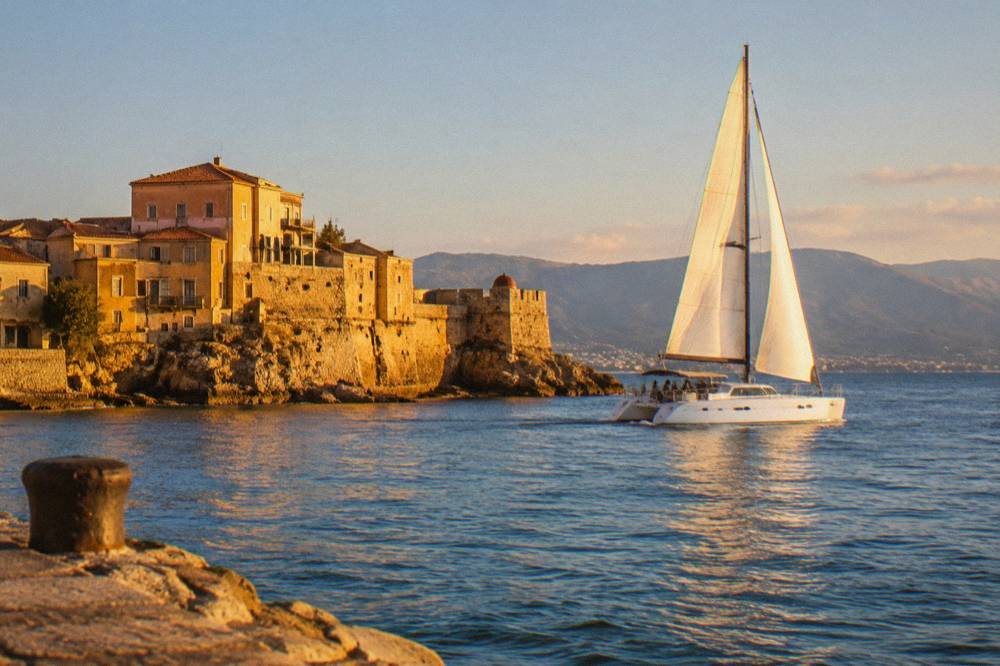
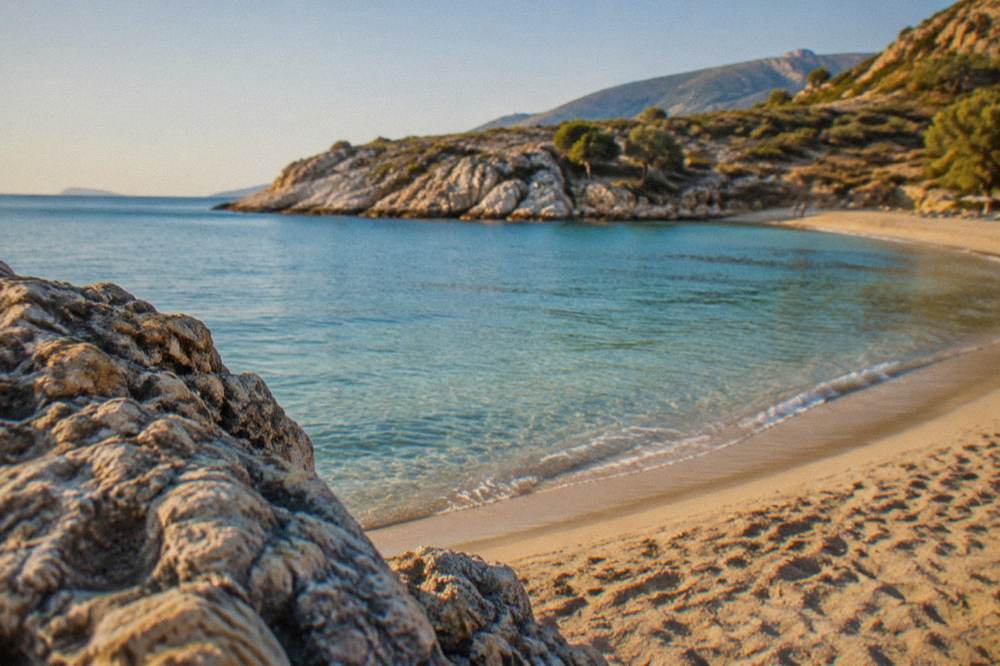
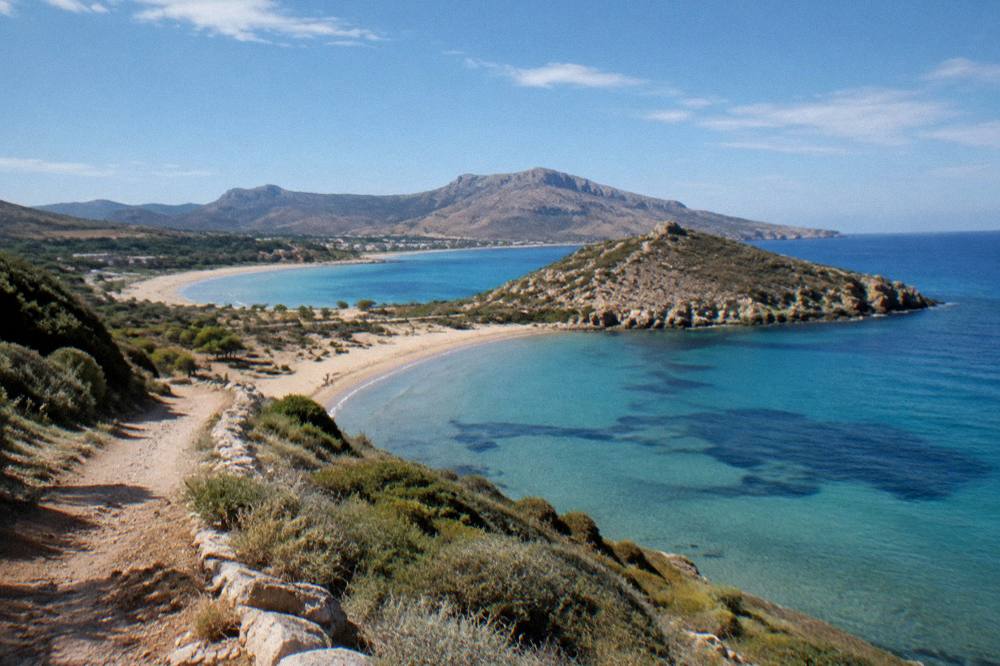
Chania, on the north-west coast of Crete in Greece, spreads along the Cretan Sea with its Old Town wrapped around the Venetian Harbour, and the flat bulk of the Akrotiri peninsula sheltering the bay to the north-east. Stavros Beach is one of the peninsula's swimming bays: a sandy curve of shore with a rocky hill closing the northern side, a shape that makes it a calm-water beach rather than a windswept one. This guide from the Chania Crete Travel Guide editorial desk sets out what the beach is, how to reach it from the city, what the HNMS Chania Souda station record says about the swimming year, and how to fold it into a wider Chania itinerary.
Where Is Stavros Beach In Chania And What Kind Of Beach Is It?
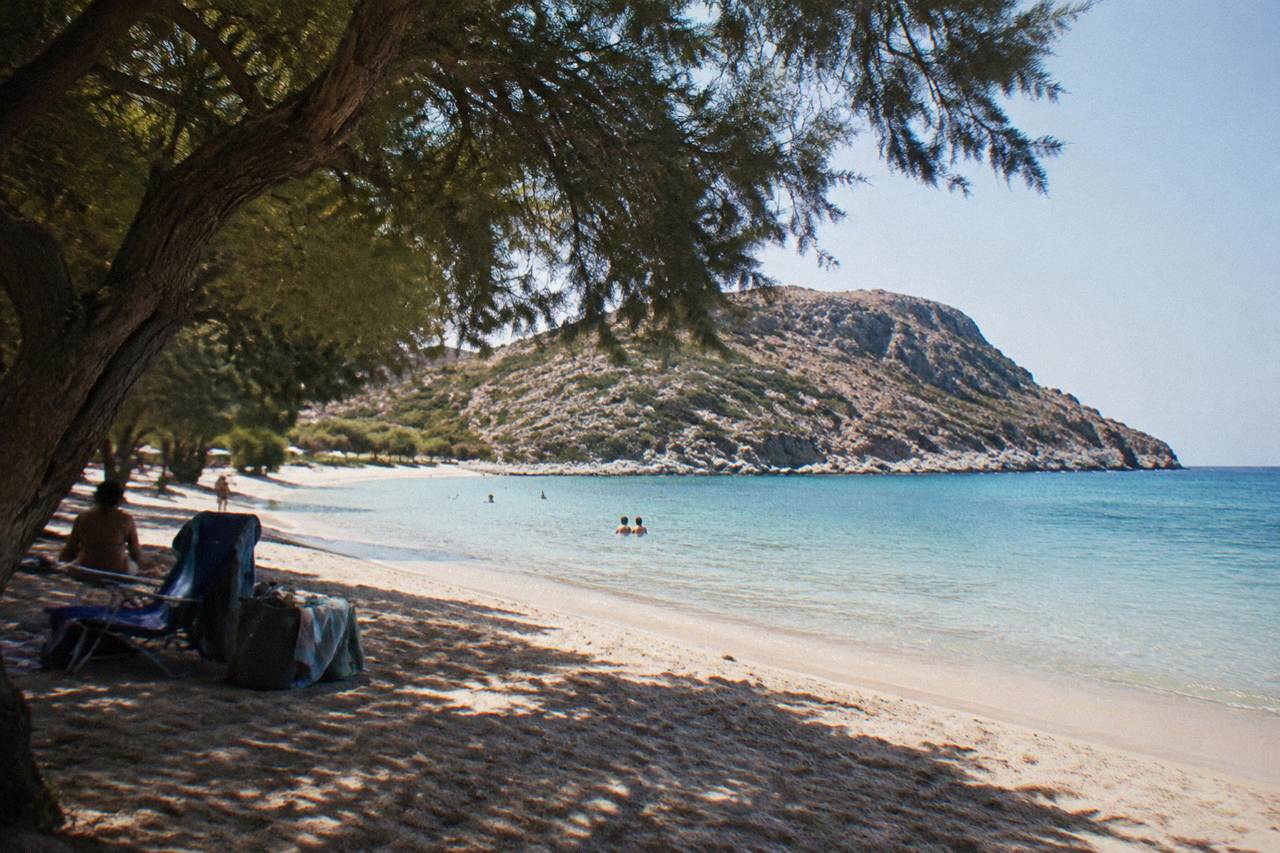
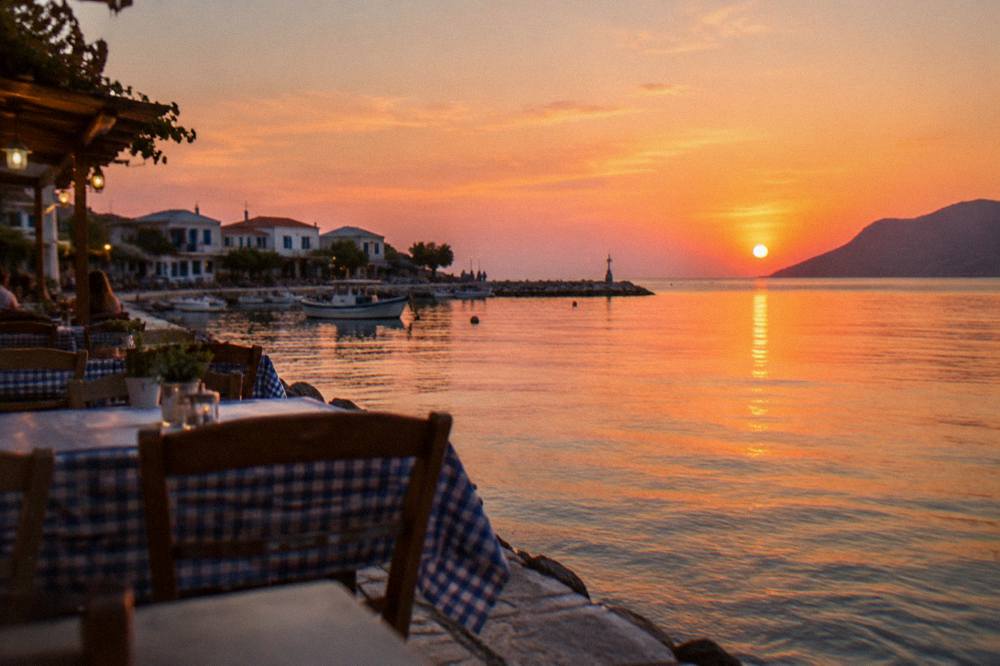
Stavros Beach is a sandy bay on the Akrotiri peninsula, the headland north-east of Chania that also carries Chania International Airport "Ioannis Daskalogiannis" (CHQ), itself about 14 km from the city centre. The beach faces into sheltered water, with a rocky hill framing the bay, which makes it a swimming and sunbathing beach first and a walking or surf beach a distant second.
Akrotiri is the peninsula that defines Chania's north-eastern approaches. The airport's own page places it on the Akrotiri peninsula near Souda, and Stavros sits on the northern shore of that same landmass, reached by road from the city. The bay's enclosed shape is the reason it draws swimmers: the headland blocks the open-sea swell, and the sand shelves into shallow water close to shore. What the bay does not offer is much shade, so a plan for the middle of the day in July, when the HNMS Chania Souda station table shows a mean maximum of 30.7 C, needs an umbrella or a retreat plan.
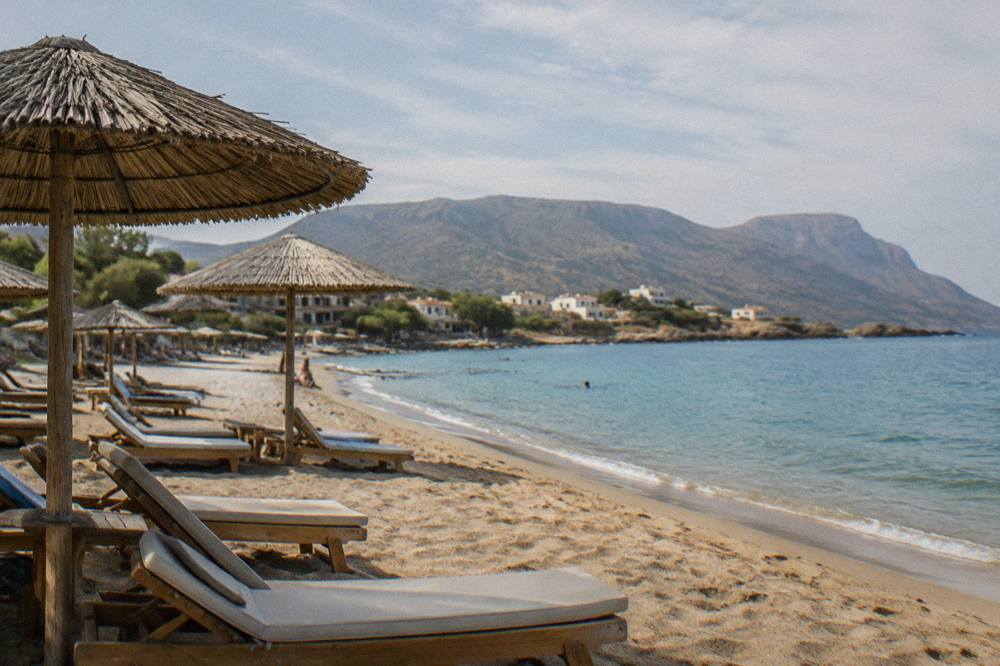
The beach is a place for slow hours rather than a full excursion programme. There is sand for sitting, water for swimming, and the village around it for a meal afterwards. Visitors who want a busier stretch of coast with more services can compare it with Agia Marina Beach further west, while those who want another sheltered peninsula bay can look at Marathi Beach on Akrotiri's southern side. The desk's view, from the shape of the bay alone, is that Stavros earns its place as a half-day or lazy full-day stop, not a destination in itself.
How Do You Get To Stavros Beach From Chania?
Stavros Beach is reached by road from Chania across the Akrotiri peninsula, by hire car, taxi or local transport, and the drive crosses the same peninsula that carries the airport, so the route is straightforward rather than mountainous. The airport's own site carries the public bus and taxi information for reaching the city area, and from Chania the peninsula roads run out to the northern bays. No ferry, no gorge and no trail is involved.
To cross the peninsula on your own schedule, book a rental car here.
The practical starting point is Chania itself. The airport's own page gives public bus and taxi information, and the KTEL long-distance station on Kydonias street handles the island-wide routes, with Akrotiri's local services running from the city network; visitors should confirm the current local timetable rather than assume a frequency. A hire car gives the freest hand, and readers planning wider exploration should read the driving in Crete guide before committing to one. The roads on Akrotiri are peninsula roads, not the switchbacks of the White Mountains, so the drive is well within the reach of a nervous driver.
For visitors basing themselves in the Old Town, the sequence is simple: leave the Venetian Harbour area, cross onto Akrotiri, and follow the peninsula roads north. Readers staying in the city can check whether a beach is walkable from the Old Town for the closer options, but Stavros is a drive or a bus ride, not a walk. Cruise passengers with a single day get a fuller picture from the Chania cruise port day guide, where Stavros appears as one of several Akrotiri candidates alongside Kalathas and Marathi.
A reasonable half-day plan, if the desk were drafting one, is Stavros in the morning, lunch in the village, and one more peninsula stop in the afternoon. The Akrotiri peninsula guide covers the monasteries and other bays, and the Agia Triada monastery page details one of the peninsula's most visited buildings.
Is Stavros Beach Good For Families And Beginner Swimmers?
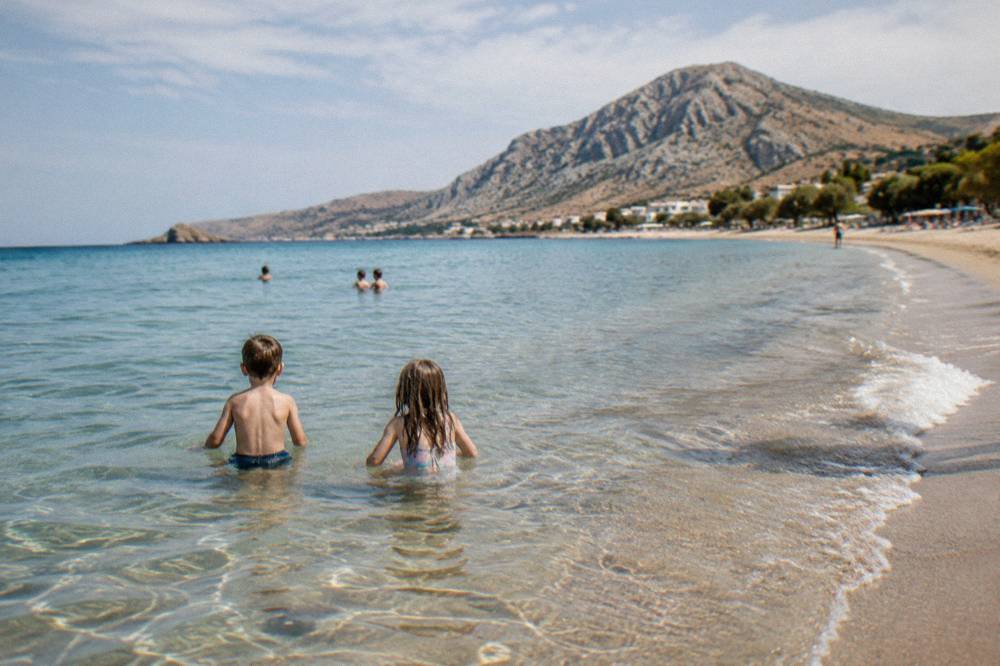
Stavros is a sheltered bay with sand underfoot and shallow water close to shore, which is the profile families and cautious swimmers generally look for, and the rocky headland keeps the open sea at a distance. It is not a surf beach and not a snorkelling destination in the way the rocky coves are, and the calm that suits beginners is exactly what experienced swimmers may find uneventful.
The honest answer for families is that the bay's shape does the work. Sand rather than pebbles, shallow entry rather than a sudden drop, and the headland's protection from the prevailing conditions: those are the three features that matter with children, and Stavros has all three. The sea floor is sand, and the water clears as the depth builds. As with every beach on this site, the desk prints no water-quality verdict and no flag claim, because none is verified in the facts file; families should read the conditions on the day and follow any posted notices.
For visitors who want to go below the surface properly, a guided option exists. A beginner scuba session with a PADI instructor runs from Chania, and the Check availability link shows the current listing. A wider set of Chania experiences appears below.
When Is The Best Time Of Year To Swim At Stavros Beach?
The HNMS Chania Souda station record, covering 1958 to 2010, shows May to September as the dry swimming window in Chania: rainfall falls from 13.5 mm in May to 1.0 mm in July, and mean temperatures run from 20.2 C in May to 26.7 C in July, so the shoulder months of May, June and September combine warmth with thin crowds and October stays swimmable at a 19.4 C mean.
The station is the authority here, and it deserves its label. The HNMS Chania Souda station sits at 148 m, inland of Souda Bay, and its published table covers 1958 to 2010; the service publishes no newer table, so these are station records rather than a modern normal. The full monthly picture:
| Month | Mean C | Mean Max C | Rain mm | Rain Days |
|---|---|---|---|---|
| Jan | 11.0 | 14.4 | 129.5 | 16.3 |
| Feb | 11.0 | 14.7 | 104.0 | 14.5 |
| Mar | 12.7 | 16.6 | 76.0 | 11.5 |
| Apr | 15.9 | 20.0 | 31.5 | 7.7 |
| May | 20.2 | 24.5 | 13.5 | 4.2 |
| Jun | 24.7 | 28.9 | 3.4 | 1.2 |
| Jul | 26.7 | 30.7 | 1.0 | 0.4 |
| Aug | 26.3 | 30.4 | 1.4 | 0.6 |
| Sep | 23.2 | 27.4 | 15.4 | 3.2 |
| Oct | 19.4 | 23.5 | 67.7 | 9.3 |
| Nov | 15.8 | 19.6 | 77.0 | 11.2 |
| Dec | 12.7 | 16.2 | 101.9 | 16.1 |
January is the wettest month in this table at 129.5 mm and July the driest at 1.0 mm, and rain starts to matter again from October, which carries 67.7 mm. Read plainly: the summer is reliably dry, October is a coin worth flipping, and November through March is a different kind of trip. No monthly sea-temperature normal exists in any official source, so the desk prints none; a live reading is a live reading, and swimmers in the shoulder months should judge the water on arrival. The prevailing wind is from the west, turning north-west in July and August, and Akrotiri's northern bays feel it less than the exposed west-facing strands.
The seasonal logic for a Stavros day, month by month:
| Period | Station Figures | What They Mean For A Beach Day |
|---|---|---|
| May | 20.2 C mean, 13.5 mm rain | Warm air, dry days, water still cooling |
| June | 24.7 C mean, 3.4 mm rain | Full swimming weather, dry ground |
| July | 26.7 C mean, 1.0 mm rain | Peak heat, 30.7 C mean maximum, bring shade |
| September | 23.2 C mean, 15.4 mm rain | Warm sea after summer, first rain possible |
| October | 19.4 C mean, 67.7 mm rain | Swimmable but changeable, 9.3 rain days |
Readers weighing Stavros against the marquee beaches in the same months can start with Elafonisi and the Balos access question; both answer differently in October than in July. The full seasonal breakdown lives in the best time to visit Chania guide.
What Else Can You Do Around Stavros And The Akrotiri Peninsula?
A Stavros day stretches naturally into a peninsula day: Kalathas and Marathi are other sheltered Akrotiri bays, the Agia Triada and Gouverneto monasteries sit inland on the same headland, and Seitan Limania offers the dramatic narrow cove for visitors who want scenery over ease. The peninsula can carry a full day without crossing back into Chania.
The bays differ in character, and the differences are worth planning around rather than discovering. The desk's comparison, drawn from the shape and setting each guide page records:
| Peninsula Stop | Character | Best For |
|---|---|---|
| Stavros | Sandy sheltered bay with rocky headland | Calm swimming, families, lazy hours |
| Kalathas | Sandy bay on Akrotiri | Shallow swimming, a second beach day |
| Marathi | Sheltered southern-shore bay | Calm water, easy access |
| Seitan Limania | Narrow steep-sided cove | The view, the photograph, confident walkers |
| Agia Triada monastery | Working monastery inland | Shade, architecture, a quiet hour |
| Gouverneto monastery | Older monastery site | History and a walk on the peninsula road |
Seitan Limania deserves its own warning, and the Seitan Limania guide gives it: the cove is reached by a steep descent, and it rewards fit visitors more than it rewards families with toddlers. Stavros is the easier day by every measure. Visitors who prefer fresh water to salt can add Lake Kournas, Crete's freshwater lake, reached inland south of the peninsula.
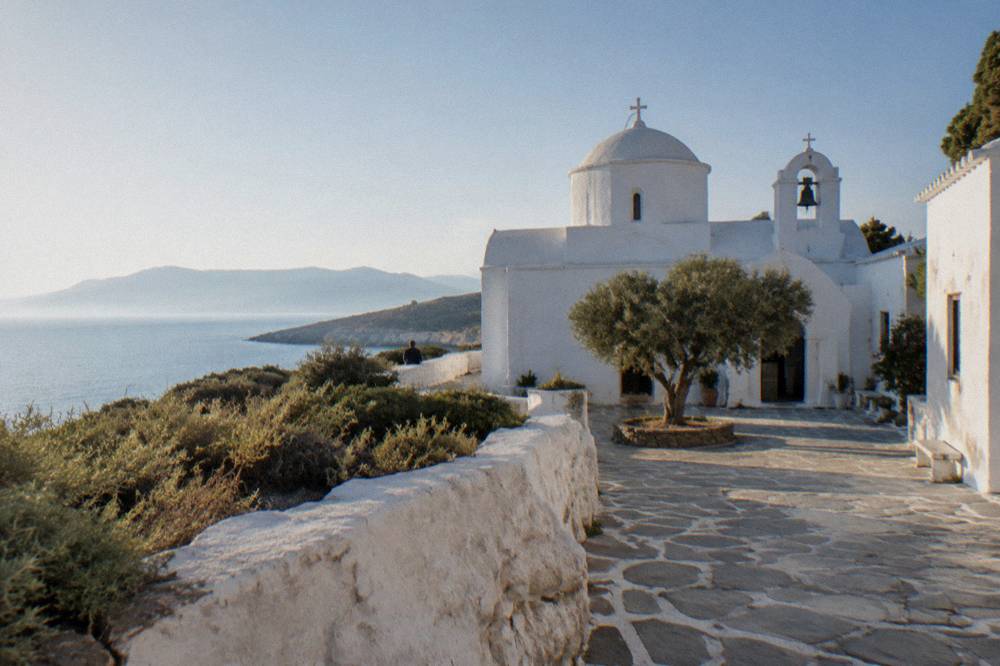
For visitors staying several days, the peninsula sits inside a wider set of choices. The Chania three days itinerary makes room for a beach day, the Chania with kids guide treats sheltered bays as the default, and the West Crete one week plan balances peninsula days with the big day trips west. Stavros is the low-effort day in every one of those frames.
How Does Stavros Compare With Chania's Other Beaches?
Stavros belongs to the sheltered-sandy family of Chania beaches, closer in character to Kalathas and Marathi than to the west-coast strands of Falassarna and Elafonisi, which are day trips rather than city beaches. Within that family, Stavros's distinguishing feature is the headland that closes the bay, giving it the most enclosed water of the three Akrotiri bays this site covers.
The honest comparison needs two axes: how far the beach is from your bed, and what kind of water you want. Nea Chora is the city beach, walkable from the western edge of town, and the Nea Chora Beach page covers it. Agia Marina and Platanias run west along the busier northern strand, covered in the Agia Marina and Platanias guide. Falassarna and Elafonisi are events: Falassarna is a long west-coast drive, and Elafonisi is a protected Natura 2000 area at the island's south-western corner where entry is reported to be free and taking sand, shells or plants is prohibited. The desk's framing:
| Beach | Relation To Chania | Water And Setting |
|---|---|---|
| Stavros | Akrotiri peninsula drive | Enclosed sandy bay, rocky headland |
| Kalathas | Akrotiri peninsula drive | Sandy bay, sheltered |
| Nea Chora | Walkable from the city edge | City beach on the western side |
| Agia Marina | Short run west along the coast | Long northern strand, more services |
| Falassarna | Day trip west | Wide west-coast sand, open sea |
| Elafonisi | Day trip south-west | Protected lagoon area, Natura 2000 |
The prettiest-beach question is argued in its own dedicated answer page, and the desk leaves the crown there rather than awarding it here. What Stavros wins on is reliability: an enclosed bay with sand and shallow entry, an hour from your towel to a taverna table, and no gorge, ferry or unpaved road between the city and the water.
What Should You Know Before You Go To Stavros Beach?
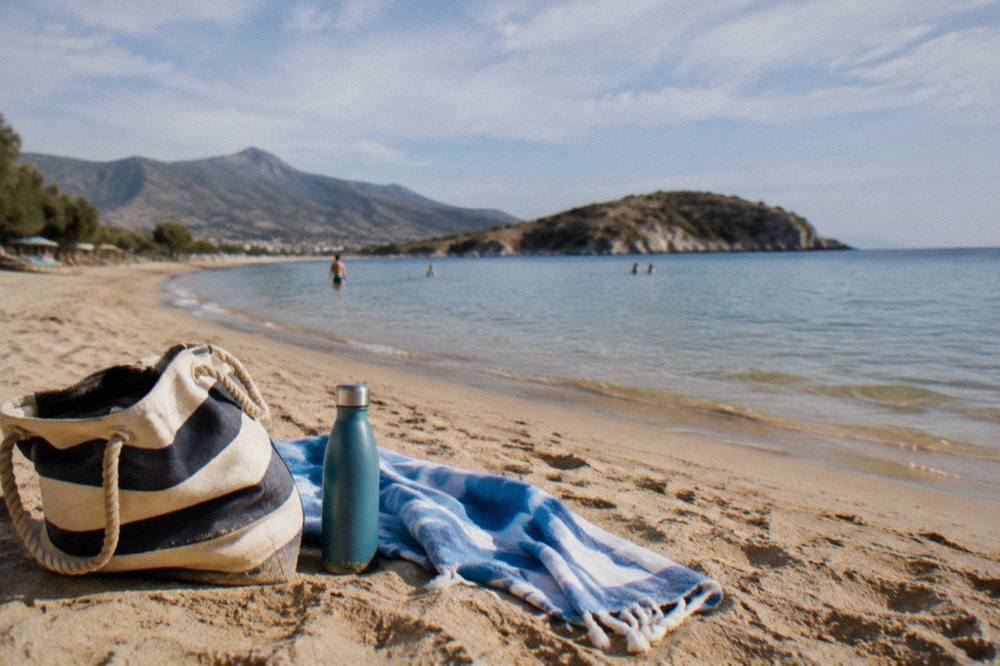
Take water and shade rather than assuming both are on hand, plan the middle of a July day around the 30.7 C mean maximum the station records, carry cash for small village spending, and expect the accommodation to collect the climate crisis resilience fee separately at booking, with the amount confirmed there rather than printed here. No entry fee of any kind applies to a public bay beach such as Stavros.
A short checklist, in the order it matters:
| Item | Why | Station Or Source Basis |
|---|---|---|
| Shade or umbrella | July and August mean maxima of 30.7 C and 30.4 C | HNMS Chania Souda, 1958 to 2010 |
| Water bottles | Summer rainfall of 1.0 to 3.4 mm per month | HNMS Chania Souda, 1958 to 2010 |
| Layers in October | 19.4 C mean and 9.3 rain days | HNMS Chania Souda, 1958 to 2010 |
| Cash for the village | Small tavernas and kiosks | Confirm locally |
| Fee awareness | Resilience fee is per room per night, seasonal | Confirmed at booking, no amount printed |
Two cautions from the wider Chania picture. First, no water-quality verdict or flag claim appears anywhere on this site, because none is verified in the facts file; posted notices at the beach govern. Second, the local bus timetable and any parking arrangement should be confirmed on arrival, since the desk prints neither fares nor frequencies it does not hold. Visitors hiring a car should read the Chania car rental and Chania parking guides before driving out.
For travellers who want their beach day guided rather than self-driven, the two-boat option below pairs a small-group beach tour with a city sightseeing ride, and the Elafonisi and Falassarna small-group tour covers the two famous west-coast beaches in one organised day.
Where Should You Stay To Combine Stavros Beach With Chania?
Stay in Chania itself, in the Old Town, Nea Chora or the western beach suburbs, and reach Stavros as a peninsula day trip, because the city carries the restaurants, the ferry connections at Souda and the airport road, while the peninsula villages are quiet by comparison. The where to stay in Chania guide maps the districts, and beach-first travellers can go straight to the beach hotels page.
The desk's rule for a first visit is simple: bed in the city, beach wherever the day points. The Old Town puts the Venetian Harbour, the Municipal Market, the Firka Fortress grounds, built in 1620 and free to walk, and the evening meal within a short radius, and every beach on this page sits within a peninsula or coastal drive of it. Families weighing a week can read how many days in Chania is enough alongside the five-day itinerary, and decide whether a peninsula villa or a city base suits them better. Rainy-day cover, useful in the October to March window when rain days climb back above nine a month, is mapped in the Chania rainy day guide, which leans on the Archaeological Museum and the Maritime Museum of Crete.
Common Questions About Stavros Beach
Where Is Stavros Beach?
Stavros Beach is a sandy bay on the Akrotiri peninsula, the headland north-east of Chania that also carries Chania International Airport (CHQ), about 14 km from the city centre. It is reached by road from Chania.
Is Stavros Beach Good For Swimming?
Yes. The bay is enclosed by a rocky headland, the entry is sandy and shallow, and the water is sheltered compared with the open west-facing strands. The desk prints no water-quality verdict, so read posted notices on the day.
When Is The Best Time To Visit Stavros Beach?
The HNMS Chania Souda station record for 1958 to 2010 shows May to September as the dry window, with July rainfall at 1.0 mm and a mean temperature of 26.7 C. May, June and September balance warmth against thinner crowds, and October stays warm at a 19.4 C mean but carries 9.3 rain days.
Is There An Entry Fee For Stavros Beach?
No. It is a public bay beach with no entry charge. The only fee every visitor to Greece currently meets at a beach destination is the climate crisis resilience fee, collected by accommodation per room per night at seasonal rates, confirmed at booking.
Can You Visit Stavros Beach Without A Car?
Yes, with planning. Local transport runs from the Chania area onto Akrotiri, and taxis serve the peninsula; confirm the current local timetable on arrival, since this site prints no frequencies or fares it does not hold.
What Other Beaches Are Near Stavros?
Kalathas and Marathi are other sheltered Akrotiri bays on the same peninsula, Seitan Limania is the dramatic steep cove for confident walkers, and the city-side option is Nea Chora, walkable from the western edge of Chania.
Stavros is the quiet workhorse of the Akrotiri peninsula: sand, sheltered water and a village within walking distance of the towel, all inside a short drive of the Venetian Harbour. Pair it with Kalathas or Marathi for a second beach day, keep the July middle-of-day plan realistic against the station's 30.7 C mean maximum, and the bay will do the rest.