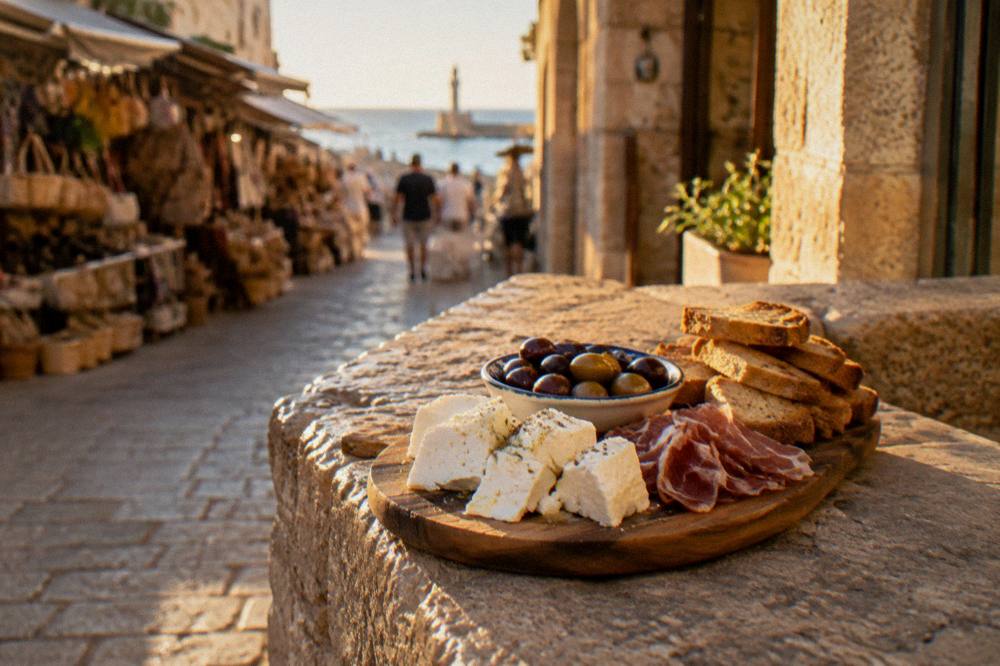
Agia Triada Monastery Chania
Agia Triada Monastery stands on the Akrotiri peninsula north-east of Chania, a coastal city on the north-west coast of Crete in Greece, and this guide sets out what the sources say about the site, how a day on the peninsula fits together, and what to confirm locally before setting out.
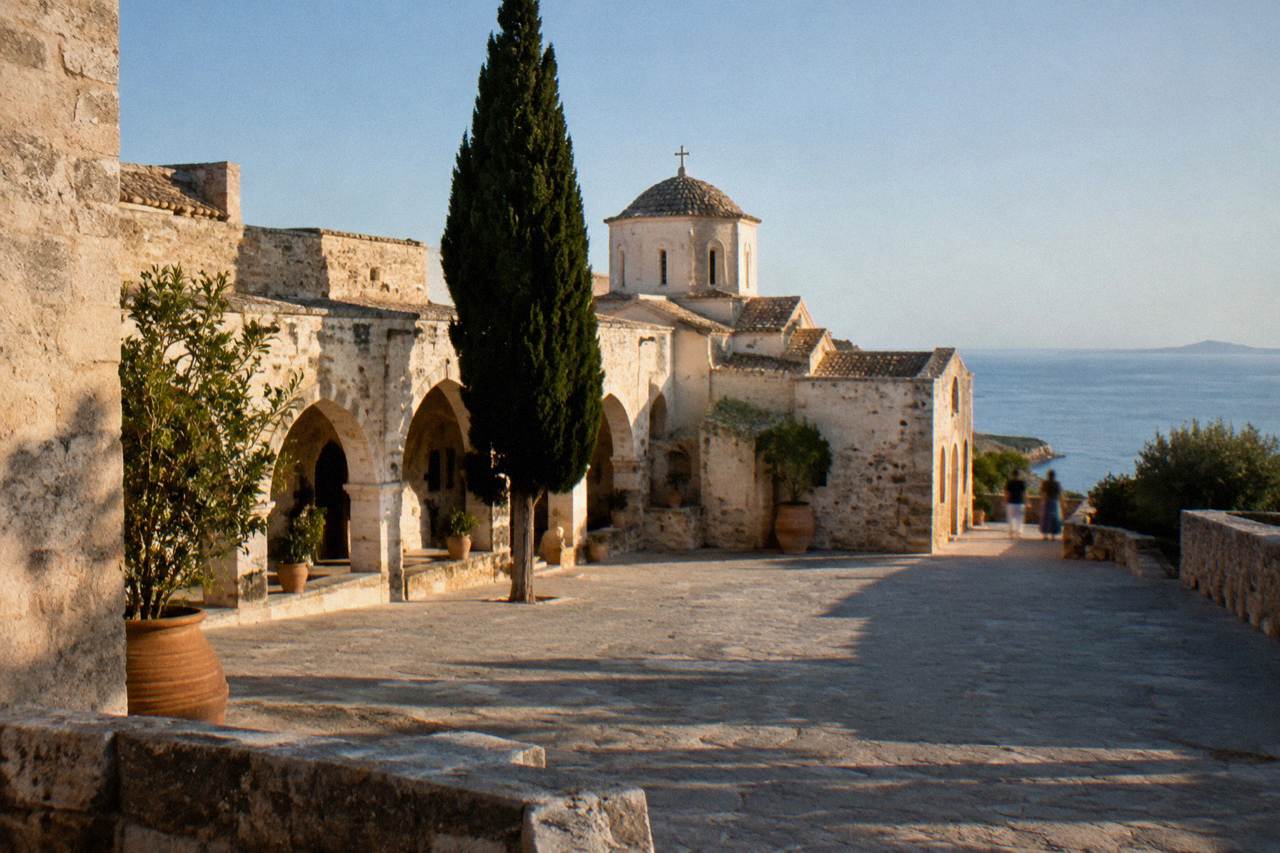
Short answer
Agia Triada Monastery is a working monastery on the Akrotiri peninsula, roughly 14 km by road from Chania city centre in the same direction as the airport, reached by car, taxi or organised tour, with opening hours and any visitor rules to be confirmed before travelling.
Agia Triada Monastery is one of the landmark religious houses of the Akrotiri peninsula, the headland north-east of Chania that also carries the city's airport, a string of north-coast beaches and at least one other historic monastery. Chania itself is a coastal city on the north-west coast of Crete, in Greece, with its Old Town wrapped around the Venetian Harbour and the White Mountains rising to the south.
What Is Agia Triada Monastery In Chania?
Agia Triada is a working Orthodox monastery on the Akrotiri peninsula, the headland north-east of Chania that also holds the city's airport, and it is one of two historic monasteries a visitor can reach on the same peninsula drive, alongside Gouverneto Monastery further along the same coast. It functions as a religious community rather than a museum, which is why its visiting arrangements, dress expectations and any photography rules are set by the monastery itself and should be confirmed before the trip, not assumed from a general guide. The setting is quiet, rural and elevated, with views inland toward the White Mountains and out over the Cretan Sea, a contrast with the busy harbour and alleys of the Old Town half an hour's drive away.
The desk's honest position on detail is simple: the verified facts file for this site carries no founding date, no architectural attribution and no building history for Agia Triada, so none is printed here. Competing guides confidently date the complex and name its architects, but a date copied between websites is not a fact, and this site's About page is open about the limits of its firsthand knowledge of the courtyard. What can be said is what the geography itself gives: the monastery sits on Akrotiri, the same peninsula named on the airport's own page as the location of Chania International Airport "Ioannis Daskalogiannis", about 14 km from the city centre.
That position is the practical reason to visit. Akrotiri bundles several of the region's best half-day destinations into one loop: the monastery itself, Gouverneto Monastery, and the beaches at Stavros, Kalathas, Marathi and the cove at Seitan Limania. A car hired through the Chania car rental routes of the peninsula makes the whole circuit a single relaxed day from town.
How Do You Get To Agia Triada Monastery From Chania?
The practical route is by car or taxi north-east out of Chania onto the Akrotiri peninsula, in the direction of the airport, which the airport's own page places about 14 km from the city centre, with the monastery reached on the peninsula's local road network beyond it; there is no train anywhere on Crete, and no rail option exists to invent. Public bus coverage on the peninsula is limited, and the desk does not print a fare or a timetable for any bus route, because none is verified in the facts file. An organised tour that includes an Akrotiri stop, or a private driver, removes the parking and navigation question entirely, and several of the site's featured day trips cover the peninsula's monasteries and beaches in one booking.
For the drive northeast out of Chania, book a rental car here.
For self-driving visitors the logic of the day matters more than any single direction. The peninsula's sights form a loop, so the order can be reversed without loss. Start early in summer: the HNMS Chania Souda station table, for the period 1958 to 2010, puts the July mean maximum at 30.7 C and August at 30.4 C, and midday on exposed peninsula roads is the part of the day to spend swimming, not driving.
Two neighbouring stops define the loop. Aptera, the ancient site above Souda Bay, sits at the peninsula's south-western approach and pairs naturally with a morning start, while the beaches of Stavros and Kalathas sit on the north side and work best after the monastery visit, when the sea is the reward.
| Peninsula Stop | What It Is | Practical Note |
|---|---|---|
| Agia Triada Monastery | Working monastery on Akrotiri | Confirm hours and dress rules before travelling |
| Gouverneto Monastery | Second historic monastery on the peninsula | Same advice: confirm locally before the drive |
| Stavros Beach | North-coast bathing beach | Family-friendly cove setting |
| Kalathas Beach | Sheltered bay, water sports nearby | Shallow entry suits swimmers of all levels |
| Marathi Beach | Calm bay on the north side | Quiet, with tavernas along the shore |
| Seitan Limania | Steep-sided cove reached on foot | Requires a descent; sturdy shoes, no beach kit |
| Aptera | Ancient site above Souda Bay | Pairs with the peninsula's south-western edge |
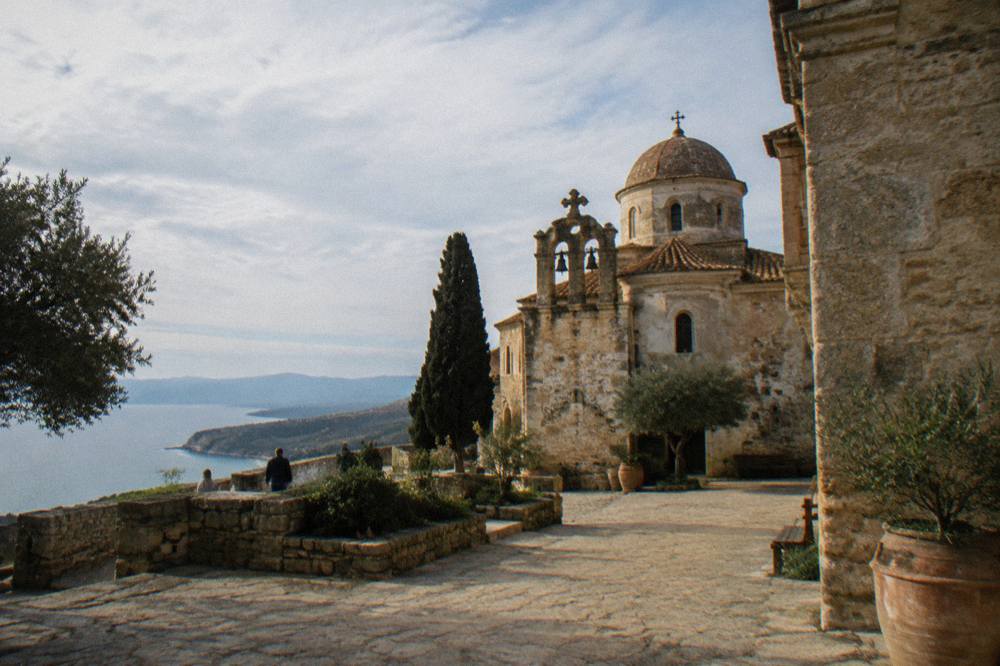
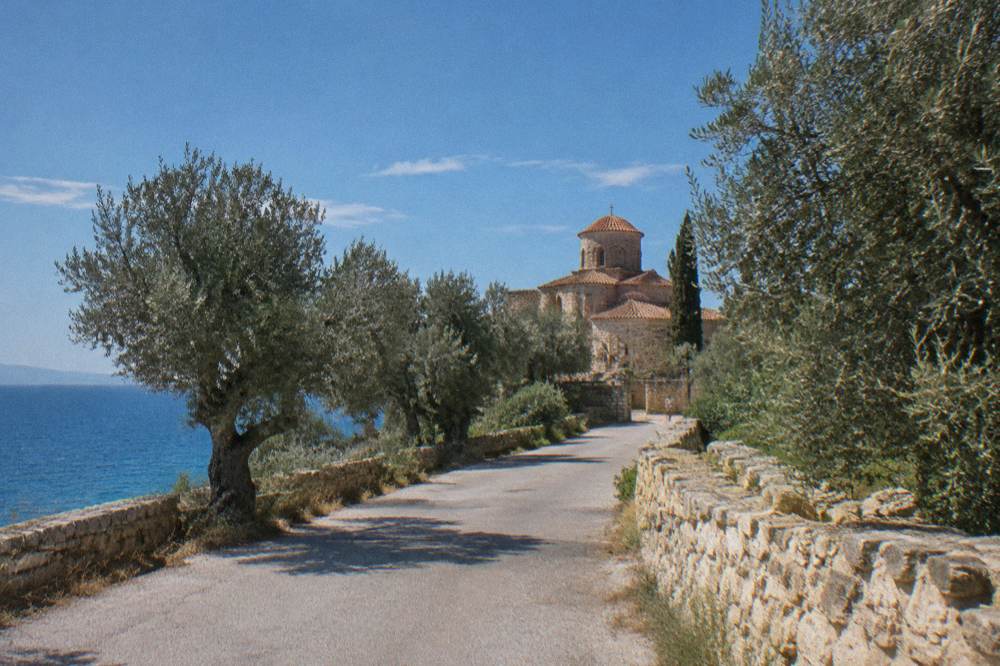
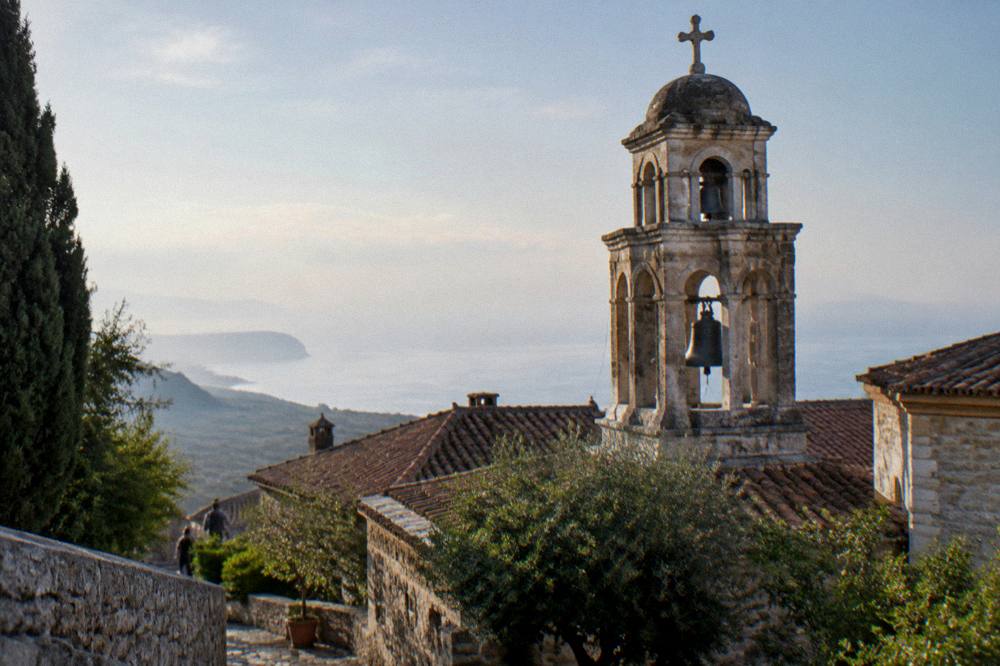
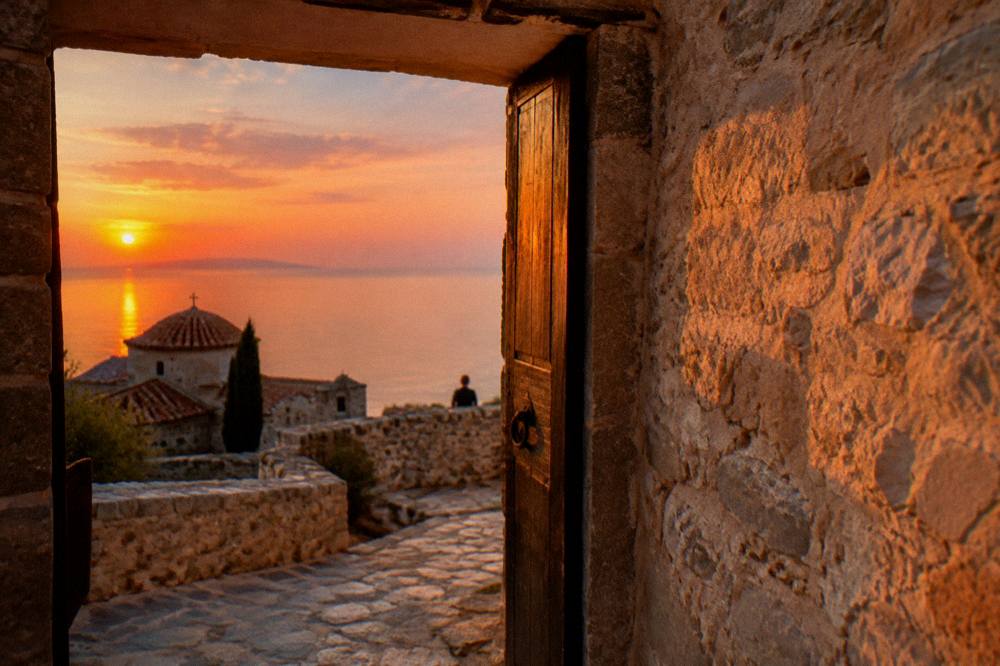
Alt text for the images above reads as plain scenes: the wide courtyard and its arched stone facade, olive groves on the approach road, and the bell tower against the sky. What the photographs cannot settle is the visitor experience on a given morning, and that is where a quick check of the monastery's own published arrangements saves a wasted drive.
What Should You Check Before Visiting The Monastery?
The two things to confirm before travelling are the current opening hours and the dress and behaviour rules the monastery sets for its own grounds, because a working religious house controls both and neither is printed on this page, the desk having no verified schedule to publish. Monasteries on Crete generally expect covered shoulders and knees and generally restrict photography inside churches, but "generally" is not a rule, and the monastery's own notice, or a call ahead through the accommodation, is the reliable source. Allow a unhurried hour for the courtyard and church, longer if the on-site shop selling monastery produce is open.
The same honesty applies to money. This site never prints an entrance price it has not read from a primary source, and no verified ticket price for Agia Triada exists in the facts file. If a charge applies on the day it will be small and collected at the gate; the pattern at comparable sites in the region, such as the free grounds of Firka Fortress in Chania, built by the Venetians in 1620, shows how varied the arrangements are, from free access to a modest ticket.
What the desk can compare reliably is the city's museum pricing, where the numbers are verified and published.
| Chania Site | Verified Admission | Source Basis |
|---|---|---|
| Archaeological Museum of Chania, 15 Skra Street, Halepa | EUR 15 full, EUR 8 concession | Museum's own published ticket prices |
| Firka Fortress grounds | Free | Verified facts file |
| Maritime Museum of Crete | Price not printed here | Confirm with the museum |
| Agia Triada Monastery | No verified price printed here | Confirm locally before the drive |
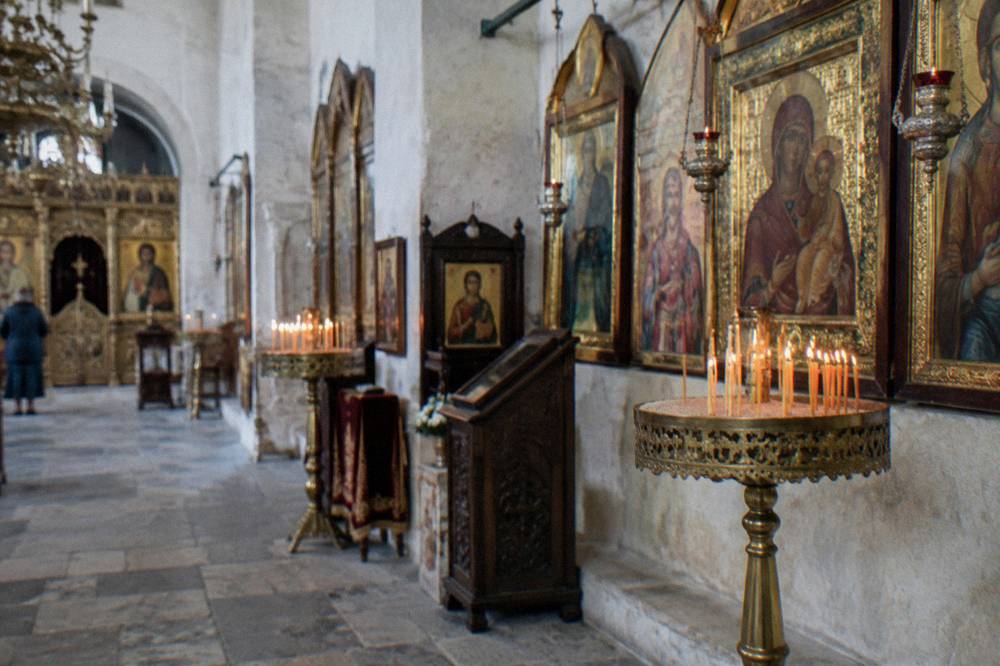
A guided alternative changes the shape of the day. The featured trip on this page, From Chania: Guided Tour to Loutro (Boat tickets Included), heads the other way, south across the island to the Libyan Sea coast and the car-free village of Loutro, reachable only by boat or on foot. Boat tickets are part of the booking, which removes the one step independent travellers to Loutro have to arrange themselves. Check availability.
When Is The Best Time Of Day To Visit Agia Triada On The Akrotiri Peninsula?
Morning is the practical answer, and the HNMS Chania Souda station table for 1958 to 2010 explains why: the July mean maximum reaches 30.7 C and August 30.4 C, rainfall is almost absent from May to September, at 13.5 mm in May and 1.0 mm in July, so an early start trades heat for near-certain dry weather and leaves the afternoon for the peninsula's beaches. The same table shows the trade-off in reverse: January, the wettest month at 129.5 mm across 16.3 rain days, makes a winter visit perfectly possible but cooler and damper, with a January mean of 11.0 C.
The monthly picture, from the same station records, period 1958 to 2010:
| Month | Mean C | Mean Max C | Rain Mm | Rain Days |
|---|---|---|---|---|
| Jan | 11.0 | 14.4 | 129.5 | 16.3 |
| Feb | 11.0 | 14.7 | 104.0 | 14.5 |
| Mar | 12.7 | 16.6 | 76.0 | 11.5 |
| Apr | 15.9 | 20.0 | 31.5 | 7.7 |
| May | 20.2 | 24.5 | 13.5 | 4.2 |
| Jun | 24.7 | 28.9 | 3.4 | 1.2 |
| Jul | 26.7 | 30.7 | 1.0 | 0.4 |
| Aug | 26.3 | 30.4 | 1.4 | 0.6 |
| Sep | 23.2 | 27.4 | 15.4 | 3.2 |
| Oct | 19.4 | 23.5 | 67.7 | 9.3 |
| Nov | 15.8 | 19.6 | 77.0 | 11.2 |
| Dec | 12.7 | 16.2 | 101.9 | 16.1 |
In that table January is the wettest month and July the driest, and those statements belong to the station table alone, not to any place. Prevailing winds in July and August blow from the north-west, which is why the peninsula's north-facing beaches can carry chop on the same afternoon its south-facing bays stay flat.
Spring deserves a mention for a different reason. April and May combine mild means of 15.9 C and 20.2 C with sharply falling rainfall, and the peninsula's scrub is in flower before the summer heat bleaches it. For a full seasonal argument, the Chania weather picture and the site's season pages go into more depth.
What Else Can You See On The Akrotiri Peninsula In One Day?
A realistic peninsula day pairs Agia Triada with Gouverneto Monastery, one or two of the north-coast beaches at Stavros, Kalathas or Marathi, and, for confident walkers, the steep cove at Seitan Limania, with the airport and Souda Bay anchoring the route's geography and the whole loop driven comfortably between a morning start and a late-afternoon swim. The order matters less than the pacing: monasteries in the cooler hours, beach in the warmest, and the drive between them is short by Cretan standards, all within the peninsula's own road network.
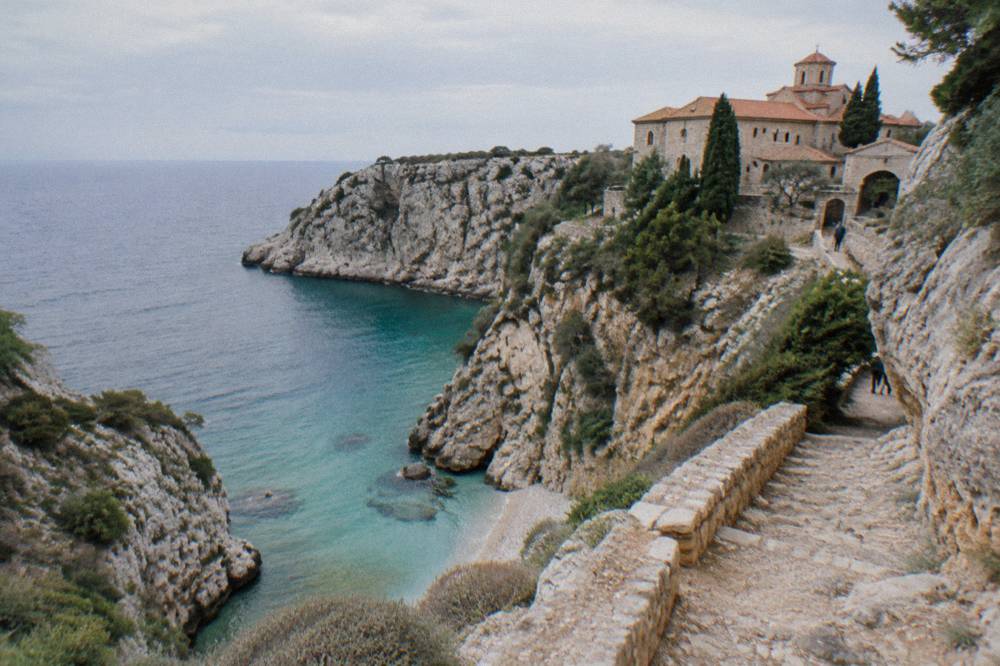
Seitan Limania is the one stop that needs a caveat. The cove is reached by a steep, exposed descent, and the descent is the easy half. Visitors with small children, or anyone unsure on rock, should treat the viewpoint as the destination and leave the beach itself for another trip; the site's Seitan Limania page covers the practicalities in full. Marathi, by contrast, is the gentle option, a calm bay that suits a final swim before the drive back into town.
Two water-based alternatives sit close to the peninsula's edge and suit a half-day. Check availability for the no-license boat rental, which lets a driver without a qualification take a small craft out along this coast under the operator's own rules.
And the kayak option:
How Does A Monastery Visit Fit Into A Longer Chania Stay?
Agia Triada works as a half-day inside a longer base in Chania, and the site's itinerary pages slot it in as the morning block of a peninsula day, with the afternoon left for the Old Town, the Venetian Harbour, the lighthouse or a harbour-front swim, all walkable from the centre. On a three days in Chania plan, the peninsula takes one day, the gorges and lagoon day trips take another, and the city's own sights fill the third. On the shorter one day and two days plans, the monastery competes directly with the harbour and the beaches near the Old Town, and usually loses to them, which is honest advice rather than a slight on the monastery.
Cruise passengers face the same arithmetic in compressed form. The port day plan on this site puts Akrotiri behind the walkable harbour core, because the ship's hours rarely stretch to a peninsula loop plus a gorge. The cruise port day page sets out the trade-offs.
For the wider picture of what the region offers from a Chania base, including the big boat and gorge days, the root things to do in Chania page is the site's full directory, and the Chania Crete Travel Guide home page organises it by category.
What Are The Rules And Courtesies At A Working Monastery?
A working monastery expects quiet dress and quiet behaviour: covered shoulders and knees, hats off inside the church, no flash photography where photography is allowed at all, and visitors should treat any posted notice at the gate as the binding rule, since the monastery sets its own terms and this page prints none of them as verified. Services take precedence over tourism; if a service is running, the church is a place of worship first and a sight second. These courtesies are standard across Orthodox monasteries, and the one reliable source for Agia Triada's own version is the notice at the entrance or the accommodation's front desk, which will know the current arrangement.
The desk adds one honest warning about the drive itself. Peninsula roads include narrow, unkerbed stretches shared with agricultural traffic, and the approach to Seitan Limania in particular is not a road to rush. Allow margin in the day rather than building a schedule that depends on fast transfers.
How Does Agia Triada Compare With Other Chania Area Sights?
Agia Triada rewards a visitor who wants quiet, architecture and a sense of the peninsula's religious landscape, while the city's headline sights, the Venetian Harbour, first built between 1320 and 1356, the lighthouse on its mole, built about 1595 to 1601 and restored during the Egyptian era of 1830 to 1840, and the Neoria shipyards, seven survivors of an original seventeen from the 15th to 16th century, reward the visitor who wants Chania's history in one walk. The two halves pair well: harbour in the evening light, monastery in the morning calm.
| Sight | Setting | Best Fit In A Day |
|---|---|---|
| Agia Triada Monastery | Rural Akrotiri peninsula | Morning block of a peninsula day |
| Venetian Harbour | Heart of the Old Town | Evening stroll or first evening in town |
| Lighthouse (Faros) | Harbour mole, on a Venetian base | Same walk as the harbour |
| Archaeological Museum | 15 Skra Street, Halepa | Rainy-day or late-afternoon hour, EUR 15 full ticket |
| Municipal Market | City centre | Morning, paired with breakfast in town |
| Neoria shipyards | Harbour's eastern edge | Pass-by on the harbour walk |
For visitors weighting the whole region, the island's famous days out start from Chania and need full days of their own: Balos Lagoon and Gramvousa from Kissamos port, where the only confirmed charge is a EUR 1 municipal fee collected on the boat ticket for over-13s; Elafonisi, a Natura 2000 protected area where entry is reported free and taking sand, shells or plants is prohibited; and Samaria Gorge, which normally runs 1 May to 31 October but is closed or delayed when storms damage the path, so the official park status must be checked before any plan is made, with the individual ticket at EUR 10 through the official e-ticket portal. None of those belongs on the same day as a monastery visit.
Common Questions About Agia Triada Monastery Chania
How far is Agia Triada Monastery from Chania?
The monastery sits on the Akrotiri peninsula north-east of Chania, in the direction of the airport, which the airport's own page places about 14 km from the city centre. No exact driving distance or time for the monastery itself appears here, since none exists for that specific journey in the facts file.
Is Agia Triada Monastery open every day?
The monastery sets its own opening arrangements and no verified schedule is printed here. Confirm current hours with the accommodation or the monastery's own published notice before making the drive out onto the peninsula.
What should you wear to visit the monastery?
Covered shoulders and knees are the standard expectation at working Orthodox monasteries, with hats off inside the church and photography limited or prohibited in places of worship. Treat the notice at the gate as the binding rule for this specific monastery.
Can you visit Agia Triada and Gouverneto Monastery on the same day?
Yes. Both monasteries stand on the Akrotiri peninsula and are commonly combined on one loop with the peninsula's north-coast beaches, driven comfortably in a single day with an early start.
Is there an entrance fee at Agia Triada Monastery?
No verified ticket price exists for this monastery in the facts file, so none is printed. Any charge on the day is collected at the gate, and the pattern across comparable Chania sites ranges from free grounds, as at Firka Fortress, to the EUR 15 full ticket at the Archaeological Museum.
Agia Triada Monastery earns its half-day: a quiet, working religious house on a peninsula that also holds Gouverneto, four very different beaches and some of the best driving scenery within reach of Chania, all before lunch if the day starts early enough. Confirm the hours, dress for a church rather than a beach, and let the afternoon end in the water.