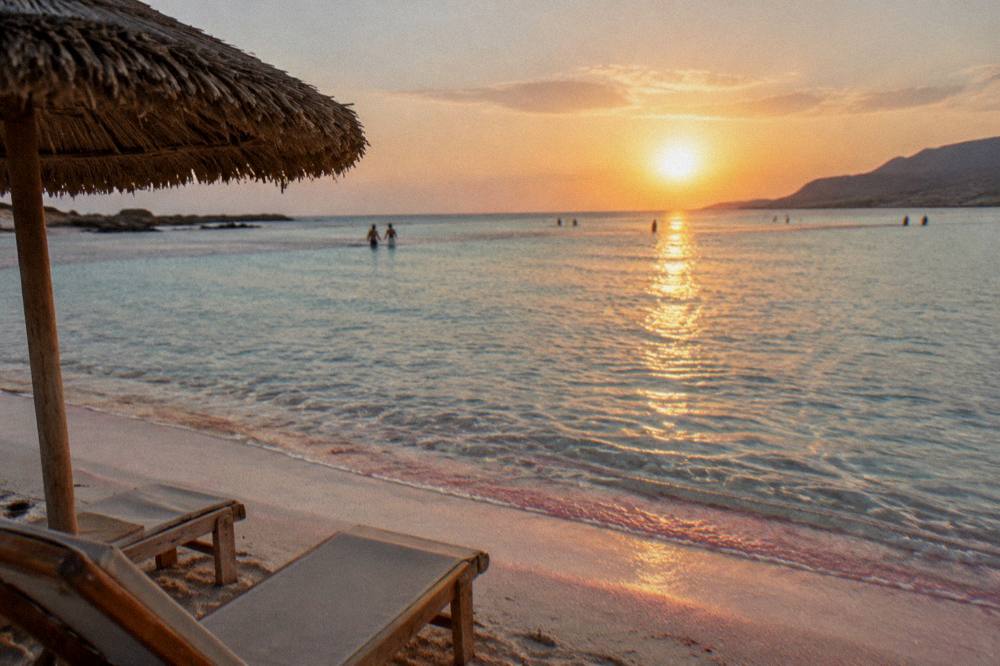
Falassarna Beach
Falassarna Beach sits on Crete's west coast, reached as a day trip from Chania. This guide sets out what the sources actually say about getting there, the seasons, and how it compares with Balos and Elafonisi.
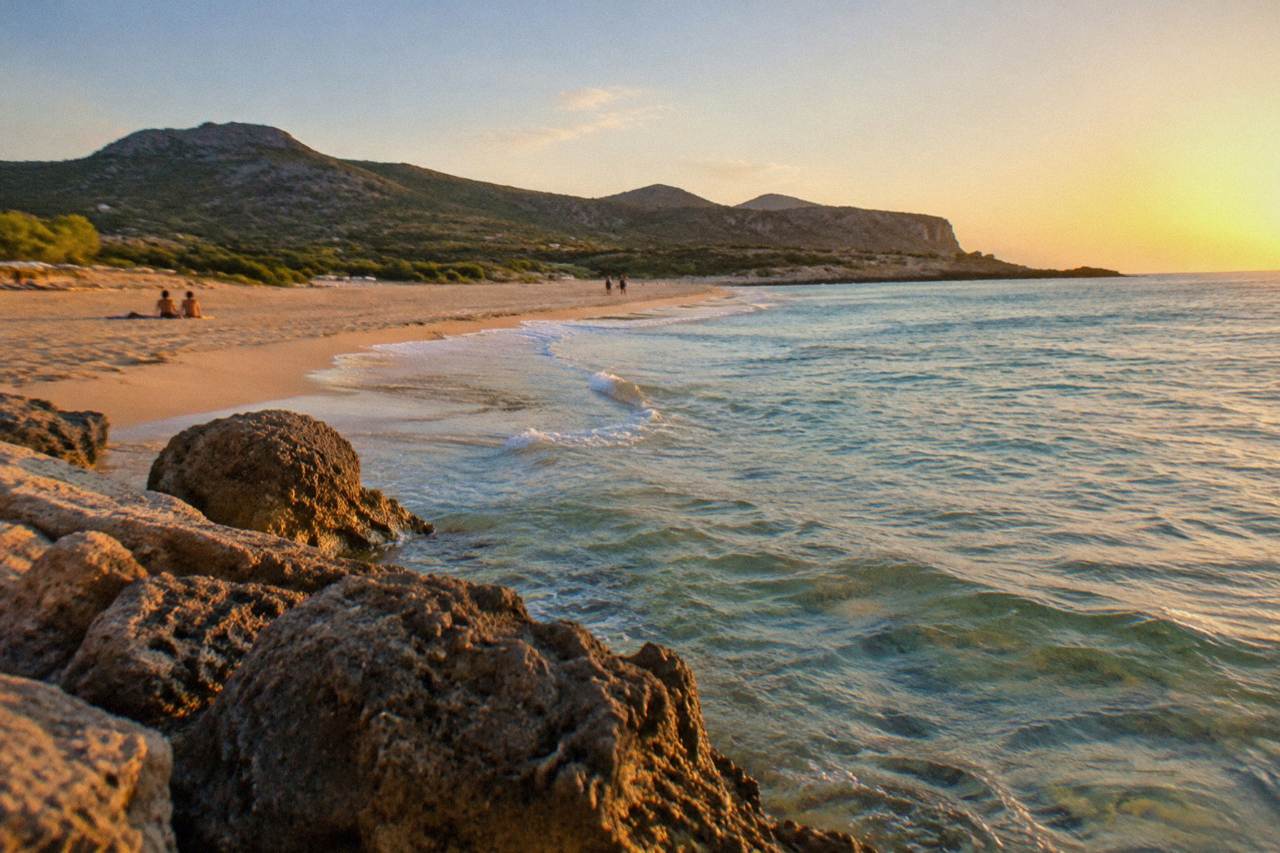
Short answer
Falassarna Beach is a west-coast beach reached from Chania by road, roughly in the direction of Kissamos, and it pairs naturally with a Balos cruise. There is no verified direct public bus route to the beach itself in the KTEL route list, so a hire car, a jeep tour or a combined cruise excursion is the usual way in.
Falassarna Beach is the long stretch of sand on Crete's west coast that day-trippers from Chania reach by driving west past Kissamos, and it is the beach the region's combined tours pair with Balos and Elafonisi when one beach day is not enough. It also flags the one thing the sources do not confirm, the exact bus situation, so nobody plans a day around a route that may not exist.
Where Is Falassarna Beach And What Kind Of Beach Day Is It?
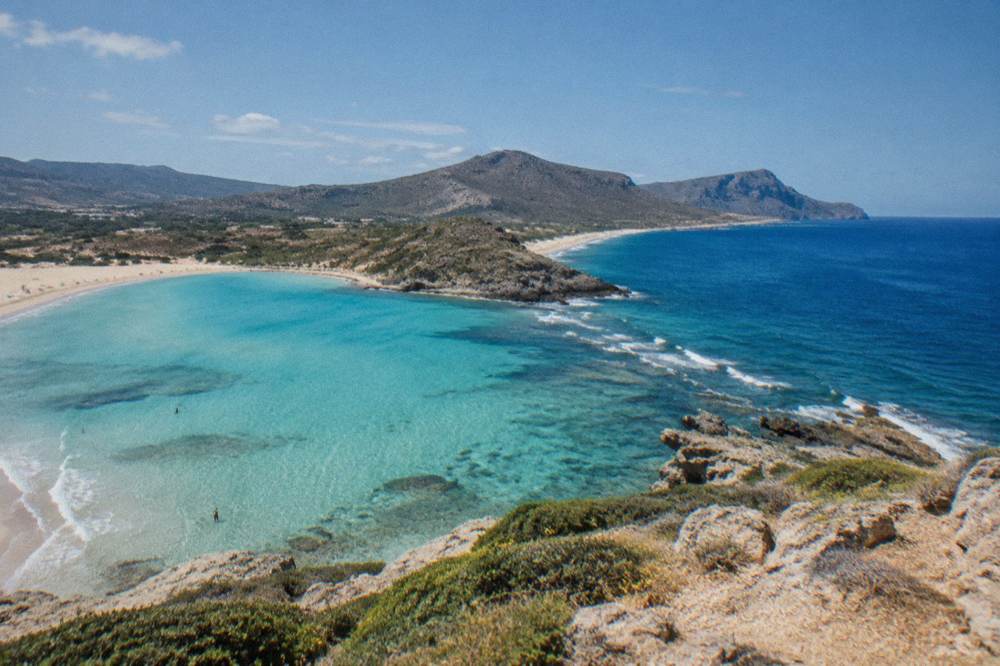
Falassarna Beach is a west-coast beach on the island of Crete, reached from Chania by road heading west, and it is one of the region's three headline beach day trips alongside Balos Lagoon and Elafonisi. It faces open water rather than a sheltered harbor basin, so the light lasts later, and it works as a full day trip, not a city beach. It faces open water rather than a sheltered harbour basin, which is the single fact that shapes the whole day: the light lasts later than on the north coast, the water moves more, and the setting is open and rural rather than urban. The Chania Crete Travel Guide desk treats it as a full day trip, not a city beach, because the drive out and back is a real part of the plan.
The surrounding area is the far west of the Chania region, the same corner of the island that holds Balos and its unpaved access road from Kaliviani, and Elafonisi with its Natura 2000 protection. Falassarna sits in that cluster of west-coast beaches, which is why tour operators sell it combined with Balos by boat and by jeep, and why a week based in Chania usually splits its beach days between this coast and the closer northern beaches like Nea Chora.
The facts file says nothing about the beach's length, its sand composition, a sunbed price at Falassarna, or a parking tariff there, so none of those appears here. What the sources do give is the regional picture: this is the west-coast beach you can drive to on a normal road, unlike Balos's unpaved stretch from Kaliviani, and that difference alone decides the plan for a lot of travellers comparing the two.
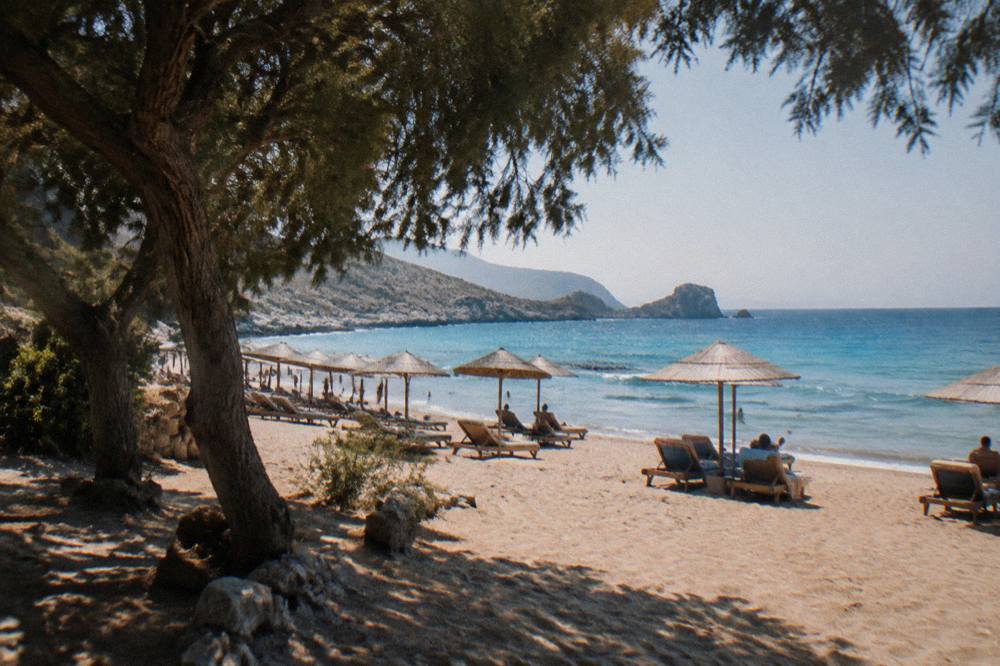
How Do You Get To Falassarna Beach From Chania?
The drive from Chania to Falassarna runs west along the coast towards Kissamos and then continues on the west-coast road, and there is no direct Falassarna route in the KTEL list, which names Heraklion, Rethymno, Kissamos, Paleochora, Omalos and, in summer, Elafonisi. That is the honest transport picture: the long-distance bus station on Kydonias street in Chania serves Kissamos and Paleochora, and Falassarna lies between them, but the published route list does not name a Falassarna stop. Anyone planning on public transport should confirm the current connections at the bus station or on the operator's booking site before committing to the day.
By road, the practical options are a hire car, a taxi, or a booked excursion. A hire car gives the normal west-coast driving experience, which the site's driving guide context treats as straightforward on the main roads; the final approach to the beach is the part to confirm locally, because the facts file verifies the unpaved road only for the Kaliviani-to-Balos stretch, not for Falassarna's approach. There is no verified Falassarna parking fee, so this guide prints none and suggests checking at the gate.
The excursion route is where Falassarna gets interesting. Operators sell it as a standalone destination and, more often, paired with Balos. The combined jeep tour runs both beaches in one day with loungers and lunch included, and the cruise version pairs a Balos boat day with Falassarna time on land. For a traveller without a car who wants both beaches, those two products are the realistic plan.
The table below lays out the access options against what the sources actually confirm for each. Anything not confirmed is marked as a local check rather than given a plausible number.
| Access option | What the sources confirm | What to check locally |
|---|---|---|
| Hire car from Chania | West-coast road runs towards Kissamos; normal driving conditions on main roads | Final approach road surface, parking arrangements at the beach |
| KTEL bus | Routes listed to Kissamos and Paleochora from Kydonias street station; no Falassarna route in the published list | Whether a seasonal connection serves the beach from either town |
| Combined jeep tour | Covers Balos and Falassarna in one day, with loungers and lunch | Live dates and pickup points on the operator's listing |
| Combined cruise | Balos by boat from Kissamos with Falassarna in the itinerary, pickup and boat ticket handled | Live dates; the EUR 1 Kissamos municipal fee for over-13s is collected on the boat ticket |
| Taxi | Taxi information sits on the airport and local operator pages | Fare, which no verified source publishes |
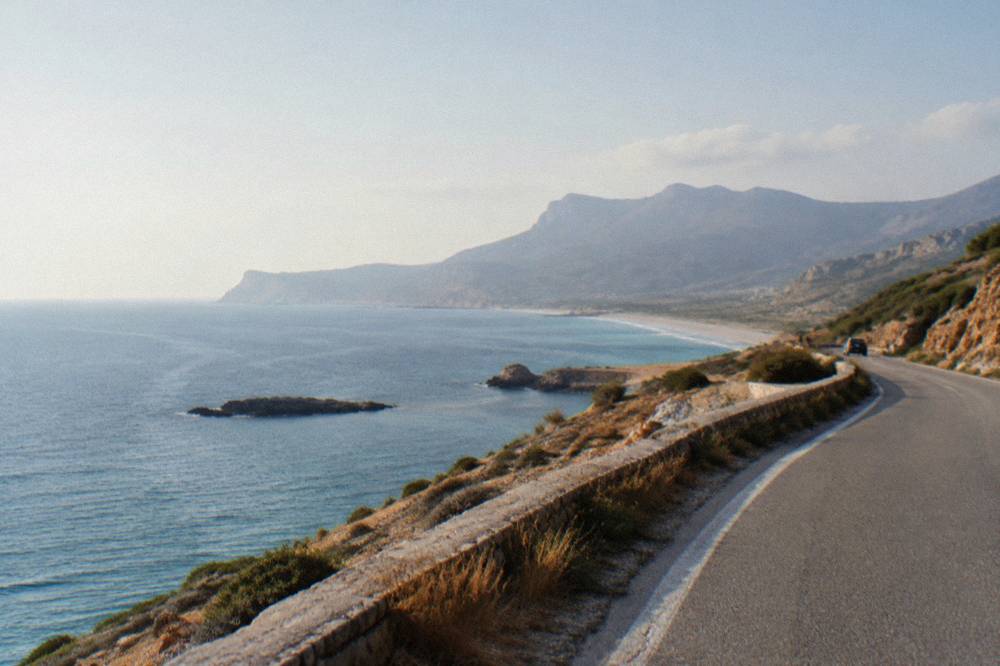
Falassarna, Balos Or Elafonisi: Which West-Coast Beach Suits Your Day?
Falassarna is the drive-up beach of the west coast, Balos is the lagoon reached by boat from Kissamos or by an unpaved road plus a walk, and Elafonisi is the protected Natura 2000 shoreline at the south-west tip where entry is reported to be free and taking sand, shells or plants is prohibited. Those three access profiles, not the postcards, are what should drive the choice, because all three are excellent and the difference is in the logistics and the rules.
Balos is the most operationally involved. The cruise departs Kissamos port, collects a EUR 1 municipal fee from over-13s on the boat ticket, and runs daily departures to 31 October 2026 according to the operator's published season. The road alternative from Kaliviani is unpaved to a parking area, then a walk down. A visitor cap of about 1,200 people per three hours was proposed in August 2026 but is not in force, so it is not a rule anyone needs to plan around today; the fuller picture is in is it difficult to get to Balos Beach.
Elafonisi is the farthest of the three and the most regulated in one narrow sense: it is a Natura 2000 protected area, entry is reported to be free, and the prohibition on taking sand, shells or plants is a real rule that matters on a beach famous for its pink-tinged sand, a phenomenon explained in why is Elafonisi Beach pink. Parking there is reported at around EUR 5 a day. The site's Elafonisi guide covers it in full.
Falassarna is the straightforward one, which is precisely its value in a week of ambitious beach days. The combined jeep tour makes the most of that simplicity by stacking both Balos and Falassarna into a single itinerary, and the cruise pairing does the same for boat-first travellers.
| Beach | Access profile | Confirmed charges and rules | Day-trip style |
|---|---|---|---|
| Falassarna | Road access from the west-coast route | No verified fee or tariff; check locally | Drive-up beach day, pairs with Balos |
| Balos | Boat from Kissamos, or unpaved road from Kaliviani then a walk down | EUR 1 Kissamos municipal fee on the boat ticket for over-13s | Full-day cruise or off-road expedition |
| Elafonisi | Long road trip to the south-west tip | Entry reported free; Natura 2000 rules ban taking sand, shells or plants; parking reported around EUR 5 a day | Long scenic drive, protected-area rules apply |
For travellers weighting the decision by effort versus reward, the honest framing is this: no verified source ranks these beaches, and no ranking from this desk would be honest either. What the sources do rank is friction. Falassarna has the least confirmed friction, Balos has the most moving parts, and Elafonisi has the strictest rules. Readers who want a second opinion on the Elafonisi side can read is it worth going to Elafonisi Beach, and the broader Balos Lagoon and Gramvousa guide covers the cruise option in depth.
When Is The Best Time Of Year To Visit Falassarna?
The HNMS Chania Souda station table, covering station records from 1958 to 2010, shows the dry beach season running from May to September, with May at 13.5 mm of rain, July at 1.0 mm and June at 3.4 mm, while October jumps to 67.7 mm and January peaks at 129.5 mm. Those are weather-station means for Chania Souda, an inland station at 148 m near Souda Bay, not a seafront reading, but they are the only official series the meteorological service publishes for this area and they frame the season cleanly.
| Month | Mean temperature (C) | Rainfall (mm) | Rain days |
|---|---|---|---|
| January | 11.0 | 129.5 | 16.3 |
| February | 11.0 | 104.0 | 14.5 |
| March | 12.7 | 76.0 | 11.5 |
| April | 15.9 | 31.5 | 7.7 |
| May | 20.2 | 13.5 | 4.2 |
| June | 24.7 | 3.4 | 1.2 |
| July | 26.7 | 1.0 | 0.4 |
| August | 26.3 | 1.4 | 0.6 |
| September | 23.2 | 15.4 | 3.2 |
| October | 19.4 | 67.7 | 9.3 |
| November | 15.8 | 77.0 | 11.2 |
| December | 12.7 | 101.9 | 16.1 |
Read as a beach-planning table, the pattern is unambiguous. July and August sit at means of 26.7 C and 26.3 C with almost no rain, 1.0 mm and 1.4 mm respectively, and humidity at its annual low of 50 percent in July. June and September are the shoulder sweet spots: 24.7 C and 23.2 C means, single-digit rain days. October still averages 19.4 C, warm by northern European standards, but the 67.7 mm of rain and 9.3 rain days mean a beach plan needs a fallback, and the site's rainy day guide context is worth having open. The prevailing wind is west, turning north-west in July and August, which matters on an open west-facing beach more than on a sheltered north-coast cove.
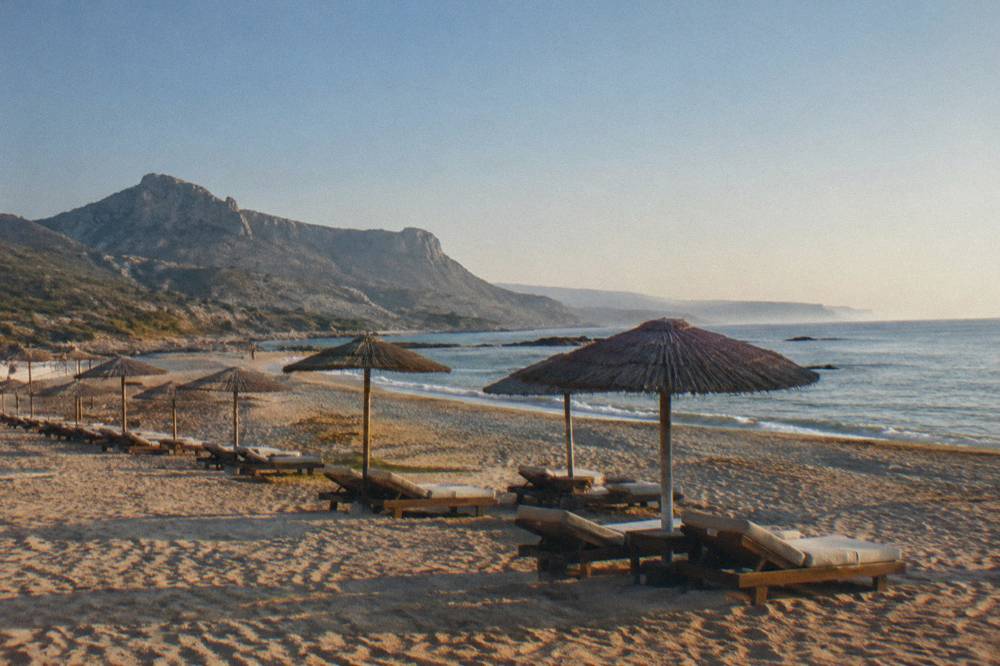
The operator season is its own layer on top of the climate. The Kissamos cruise season runs daily departures to 31 October 2026 per the operator's published calendar, which sets the window for the combined Balos-and-Falassarna cruise product regardless of the weather. No verified opening or closing date exists for Falassarna's beach facilities, so this guide states none; check with local operators for the sunbed and taverna season.
For travellers who prefer their beach days with fewer people around, the honest statement is a station figure rather than a crowd claim: the driest, warmest months (July and August, 1.0 mm and 1.4 mm of rain) are the months the whole Mediterranean travels, while May and September carry 13.5 mm and 15.4 mm with means of 20.2 C and 23.2 C. There is no verified visitor-count data for Falassarna in any month, so no month is described here as busy or quiet as fact. Compare the options on the site's best time to visit Chania overview if the whole trip window is still open.
What Should You Bring And Know Before A Falassarna Day?
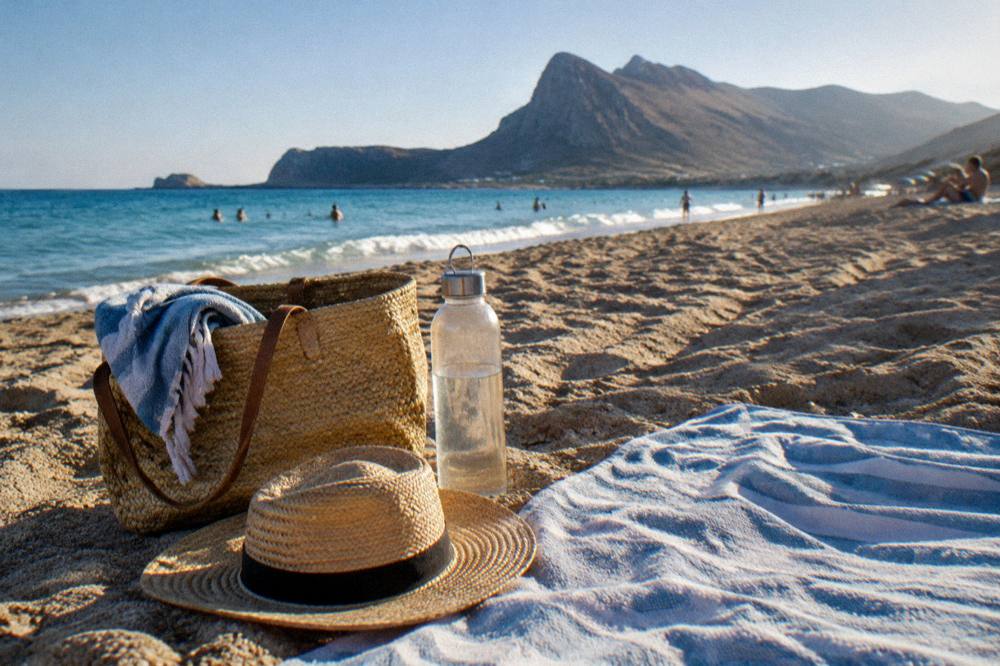
A Falassarna day needs the standard open-beach kit, sun protection, water and shoes that handle hot sand, plus a fallback plan for facilities, because no verified source confirms the beach's taverna, sunbed or facility season, and the west coast's open aspect means wind and afternoon sun are part of the day. The station table gives the reason for the sun emphasis: July and August mean maxima of 30.7 C and 30.4 C, with mean minima that stay at 21.2 C, so the heat does not fully release after dark in high summer.
The kit list below is deliberately short and sourced. Anything with a price attached that is not confirmed (sunbeds, food, parking) appears as a check item, not a figure.
| Item | Why, per the sources |
|---|---|
| High-factor sun protection | July mean maximum 30.7 C, August 30.4 C (HNMS Chania Souda, 1958 to 2010) |
| Water beyond what you plan for | Open west-coast aspect; no verified facility season to rely on |
| Footwear for hot sand and pebbly patches | No verified surface description; open beach aspect |
| Layers for the return drive | Evening minima fall to 7.9 C in January and stay mild but not hot outside summer |
| Cash or card, checked locally | No verified Falassarna parking tariff or sunbed price; ask at the gate |
| Wind layer for the boat leg if paired with Balos | Prevailing wind west, north-west in July and August |
Two behavioural rules travel with any west-coast beach day in this region. If Elafonisi is on the same trip, its Natura 2000 protection means taking sand, shells or plants is prohibited, and that rule deserves respect even where Falassarna has no published equivalent. And if the day includes the Balos boat, the EUR 1 Kissamos municipal fee for over-13s is collected on the boat ticket, so it should be expected rather than discovered at the gangway.
Can You Combine Falassarna With Balos In One Day Trip?
Yes, and the combined itinerary is the standard way travellers from Chania see both beaches: a jeep tour runs Balos and Falassarna in a single day with loungers and lunch included, and a cruise option pairs the Kissamos boat to Balos with Falassarna time, with pickup and the boat ticket handled. Doing both independently in one day by hire car is possible in principle but tight, since the Balos road leg from Kaliviani is unpaved to the parking area and then requires a walk down, and the boat alternative runs to the operator's fixed departure times from Kissamos.
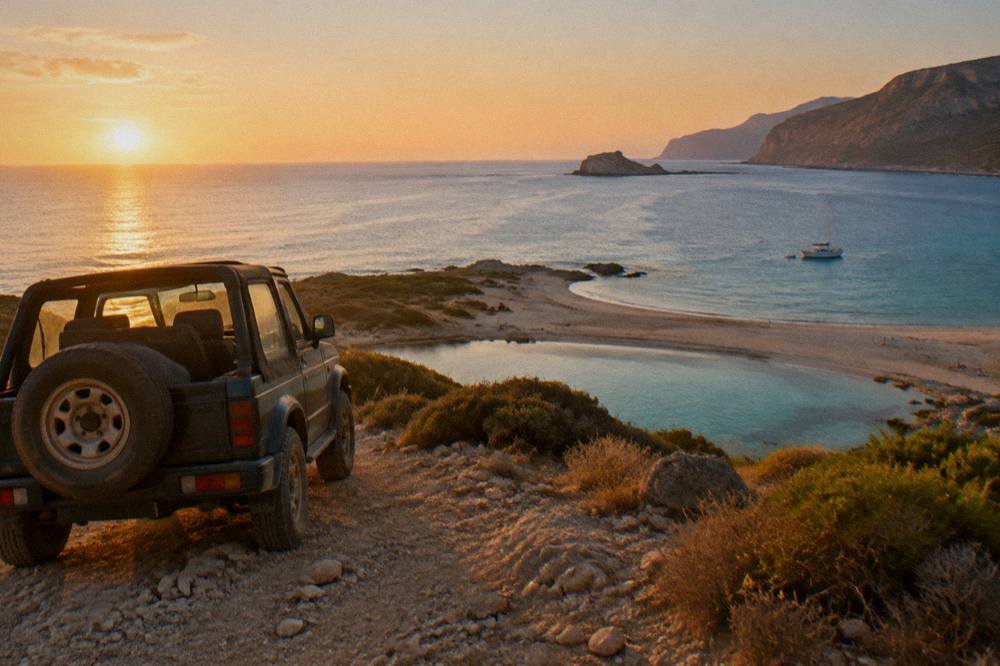
The jeep version suits travellers who want the land route and someone else handling the sequence. Its listing covers both beaches, loungers and lunch; live dates, pickup points and the current from-price render on the operator's listing rather than here. The cruise version suits travellers who want the Balos approach by sea, the classic postcard angle from the water, with Falassarna as the drive-up second half. The Balos day trip guide breaks down the boat day itself, including the fee mechanics.
For a longer west-coast plan, Falassarna also anchors a two-beach itinerary with Elafonisi, and the site's Elafonisi and Falassarna pairing coverage helps sequence them. The real constraint is daylight and appetite, not access: every one of these beaches is reachable on the region's roads, and the only structurally hard access in the corner is Balos's unpaved stretch and the walk down from the parking area. Travellers with a week rather than a few days can spread the beaches out using the west Crete one-week plan framework.
How Does Falassarna Fit Into A Wider Chania Itinerary?
Falassarna earns its slot as the flexible beach day of a Chania itinerary: it slots beside Balos for a two-beach expedition, beside Elafonisi for a west-coast road day, or stands alone as the simple drive-up beach day when the schedule needs one. In a first-time plan built around the Old Town, the Venetian Harbour and one big excursion, it is the low-friction beach choice; in a beach-focused week it becomes one pillar of three.
The sequencing logic is geographic. Chania sits on the north-west coast with the White Mountains to the south; the west-coast beaches fan out from the city in one direction, the gorges and the south coast in another, and the long cultural day trips to Knossos and Heraklion in a third. A sensible week alternates: a harbour day, a beach day, a gorge or mountains day, another beach day, then the far day trip. Falassarna, Balos and Elafonisi cover the beach days; the Samaria Gorge guide covers the mountain day, with the standing caveat that the gorge normally opens 1 May to 31 October, closes or delays when storms damage the path, and its current status must be checked on the NECCA portal before any plan is made.
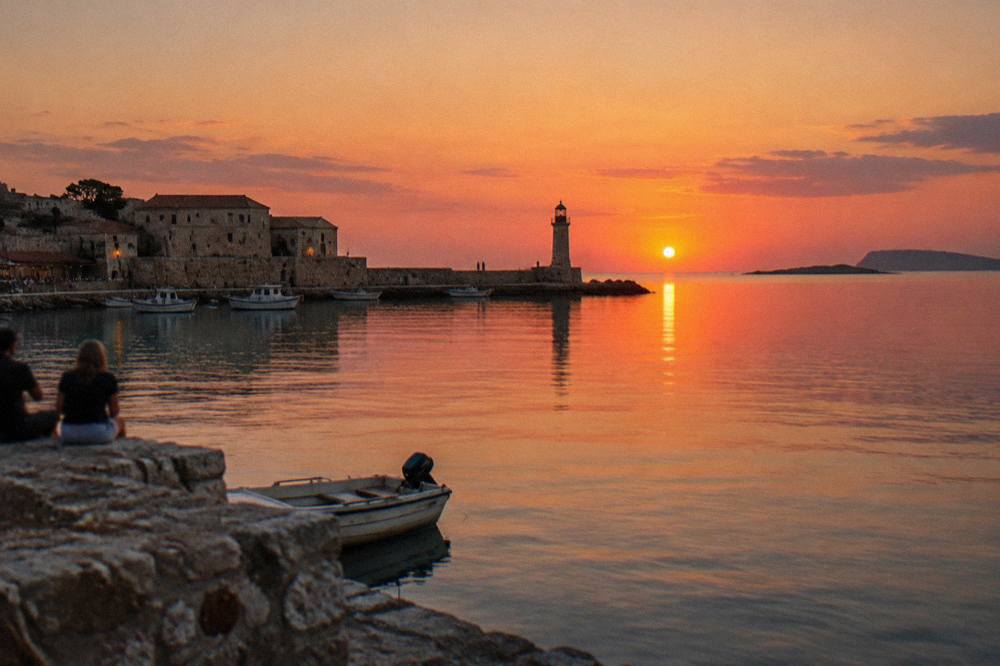
A live reading exists on the day you go, and that is the honest answer to "how warm is the sea". The air-temperature table above is the only climate series the sources support.
For travellers whose trip is food-led rather than beach-led, the west also carries the island's tasting culture, and a cooking class in Chania makes a natural rest day between beach expeditions. The trio below collects the combined beach products and that kitchen day together.
Common Questions About Falassarna Beach
Is Falassarna Beach worth visiting from Chania?
As a drive-up west-coast beach within day-trip range of Chania, it is the region's straightforward beach day, and the verified combined tours pair it with Balos in one itinerary. No verified source ranks beaches against each other, so the honest answer rests on access: Falassarna has no confirmed fee, cap or unpaved access stretch, which distinguishes it from its neighbours.
How do you get to Falassarna Beach without a car?
The KTEL published route list for the Chania long-distance station on Kydonias street names Kissamos and Paleochora but no Falassarna stop, so public transport needs a local connection confirmed at the station or on the operator's booking site. The realistic car-free options are a combined excursion covering Falassarna and Balos, or a taxi, for which no verified fare exists.
Can you visit Balos and Falassarna on the same day?
Yes. A combined jeep tour runs both beaches in one day with loungers and lunch included, and a cruise option pairs the Kissamos boat to Balos with Falassarna on land, with pickup and the boat ticket handled. Doing both independently is tight because the Balos road leg is unpaved and the boat runs to fixed departures.
What is the best month for a Falassarna beach day?
By the HNMS Chania Souda station table (1958 to 2010), July and August are the driest and warmest months at 26.7 C and 26.3 C means with 1.0 mm and 1.4 mm of rain, while May, June and September combine means of 20.2 C to 24.7 C with single-digit rain-day counts. October still averages 19.4 C but carries 67.7 mm of rain, so a fallback plan is wise.
Does Falassarna Beach charge an entry or parking fee?
No Falassarna fee is confirmed in the verified sources, so this guide prints none. The only confirmed charge on a combined Balos day is the EUR 1 Kissamos municipal fee collected on the boat ticket for over-13s. Check locally at the beach for any parking or sunbed charge on the day.
Is Falassarna or Elafonisi the better day trip?
The difference is logistics and rules rather than quality. Falassarna is a drive-up beach with no published restrictions; Elafonisi is a Natura 2000 protected area where entry is reported free, taking sand, shells or plants is prohibited, and parking is reported around EUR 5 a day. Elafonisi is the farther drive; Falassarna is the more flexible stop and pairs easily with Balos.