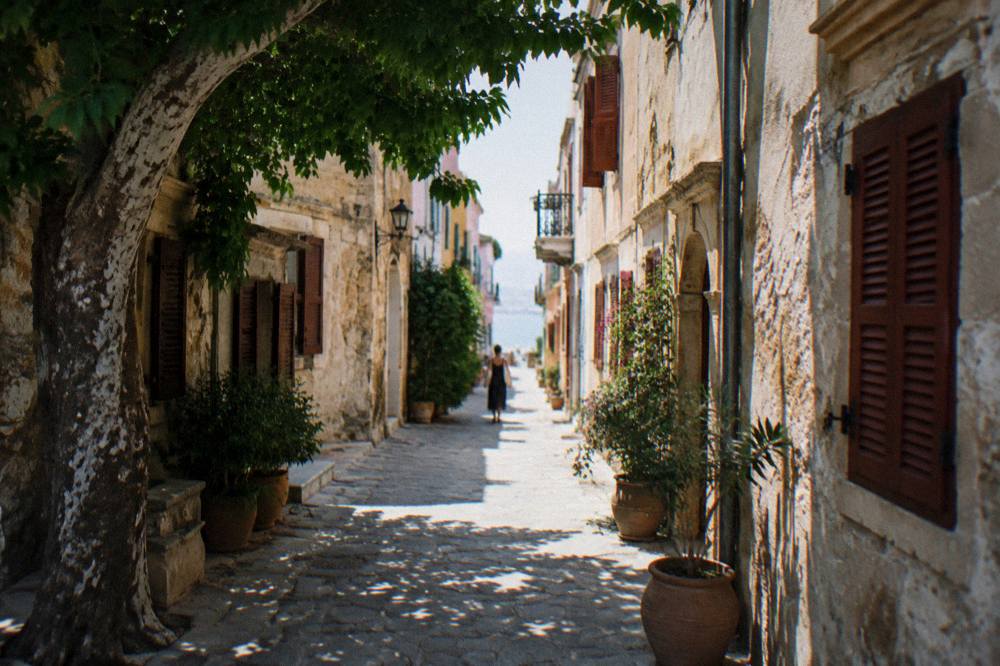
Is Chania Safe
Chania, a coastal city of about 111,375 permanent residents on the north-west coast of Crete, is a compact destination where the main safety questions are heat, sea conditions and storm-affected gorge paths rather than city risk.
Short answer
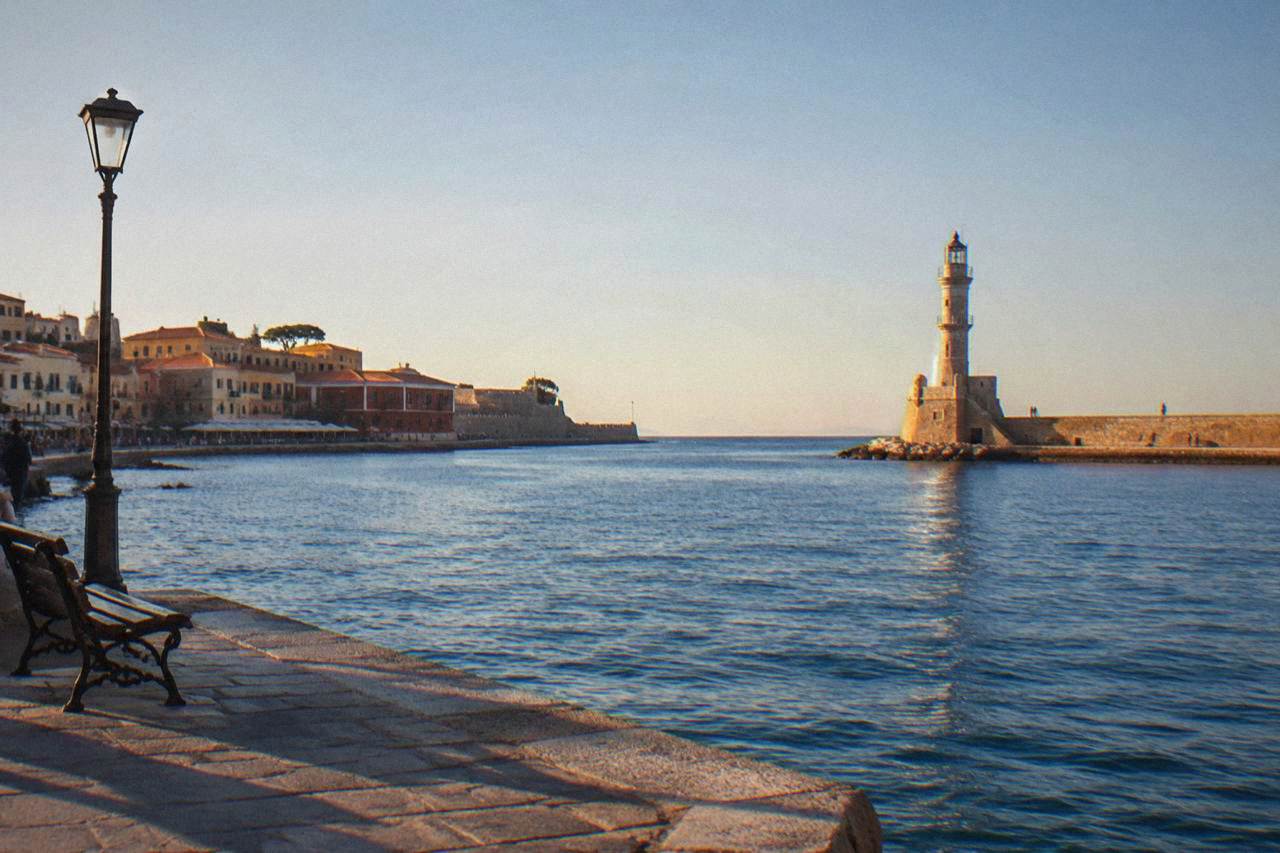
Chania is a small, walkable harbour city with no elevated urban risk in the verified sources; the real safety planning involves midday heat, swimming conditions, an unpaved access road at Balos and storm damage that can close Samaria Gorge.
Chania is a coastal city on the north-west coast of Crete, Greece, on the Cretan Sea, with its Old Town wrapped around a Venetian Harbour first built between 1320 and 1356 and the White Mountains rising to the south. The municipality counted 111,375 permanent residents at the 2021 census, which makes this a small regional city rather than a metropolis, and that scale shapes the safety picture more than any crime statistic could. The desk reports here what the official and operator sources actually publish, from the HNMS Chania Souda weather station table to the NECCA portal that manages Samaria National Park, and stays silent on everything else.
Is Chania Safe To Visit?
Chania is a small, walkable harbour city of about 111,375 permanent residents, and the verified sources for this page publish no urban safety warning, no crime statistic and no travel advisory against the city. The real risks the sources do document are environmental: summer heat, sea conditions, an unpaved access road at Balos and storm damage that can close Samaria Gorge outside its normal season. Planning for those beats worrying about the city itself.
Greece is a Schengen member with internal checks abolished on 26 March 2000, and the Entry/Exit System has been fully deployed across Schengen since 10 April 2026, so border procedures are the standard automated ones for visitors from outside the zone. ETIAS is not in operation and no applications are being collected as of October 2026, so a visitor should not pay anyone offering an ETIAS registration. The euro has been Greece's currency since 1 January 2001, which removes money-changing as a source of confusion.
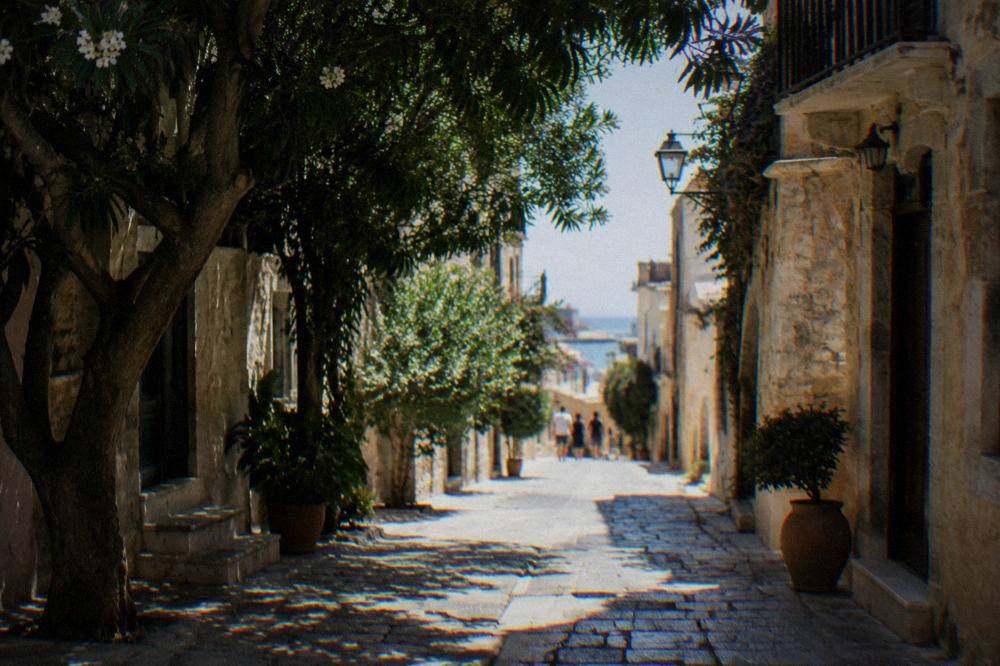
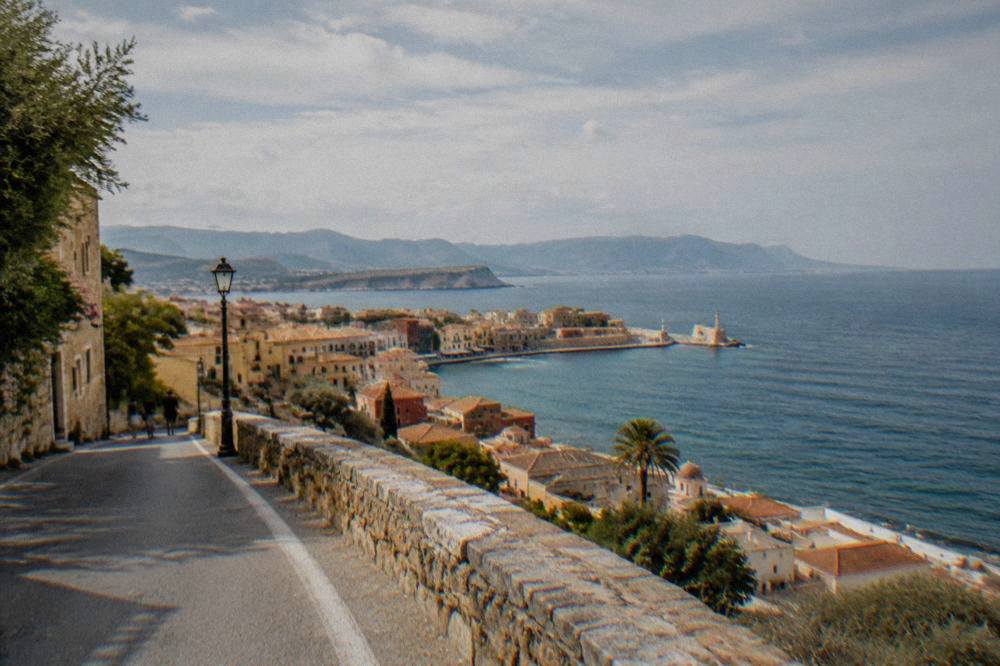
The layout of the city does a lot of quiet safety work. The Old Town sits around the Venetian Harbour, the airport (CHQ) is about 14 km away on the Akrotiri peninsula, and the Piraeus ferry leaves from Souda port about 7 km east of the Old Town rather than from the harbour itself. Distances between the harbour, the Municipal Market and the beach at Nea Chora are short, and the long tail of the visitor's day, from the things to do in Chania to the evening meal, happens on foot in a compact area.
Is It Safe To Walk Around Chania At Night?
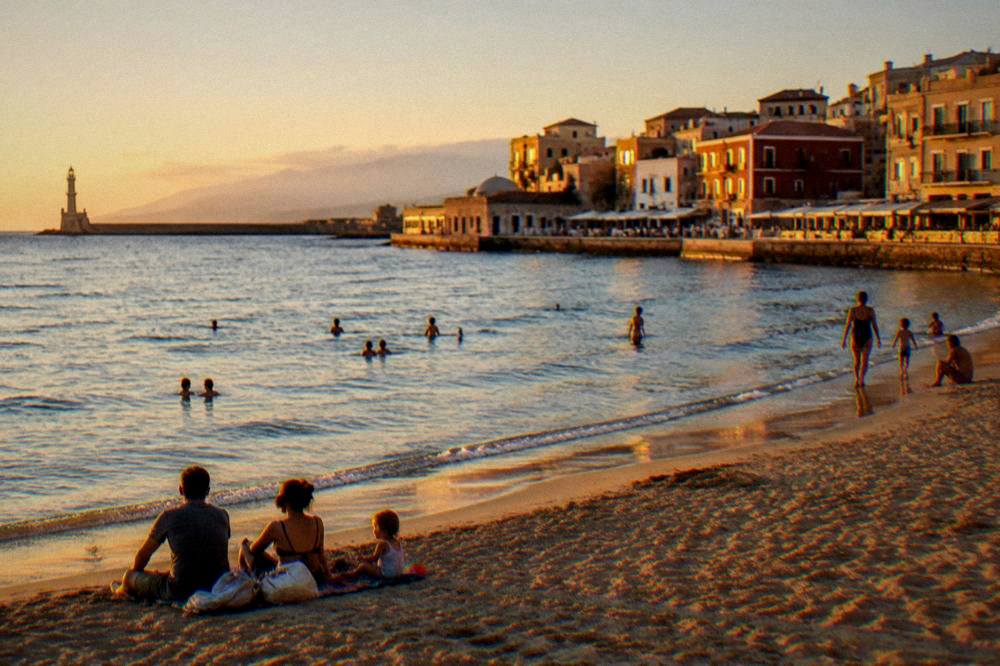
The evening economy of Chania runs late and outdoors, around the Venetian Harbour and through the Old Town lanes, and no source in this guide's file records a curfew, a no-go district or a nightlife-related closure for the city. The practical night-time risks are uneven paving underfoot, harbour edges without rails in places and mopeds in lanes, so lit streets and steady shoes do more for safety than any precaution against people.
The question of walking around Chania at night gets its own full answer elsewhere on this site, and the short version is that the harbour front, Splantzia and the Old Town are active well past midnight in season because dinner in Crete starts late. That street life is itself a safety feature: lit, populated streets are the norm rather than the exception in the areas a visitor naturally walks. Firka Fortress, built in 1620 at the harbour mouth, has free grounds and anchors the quiet end of the evening walk along the mole toward the lighthouse.
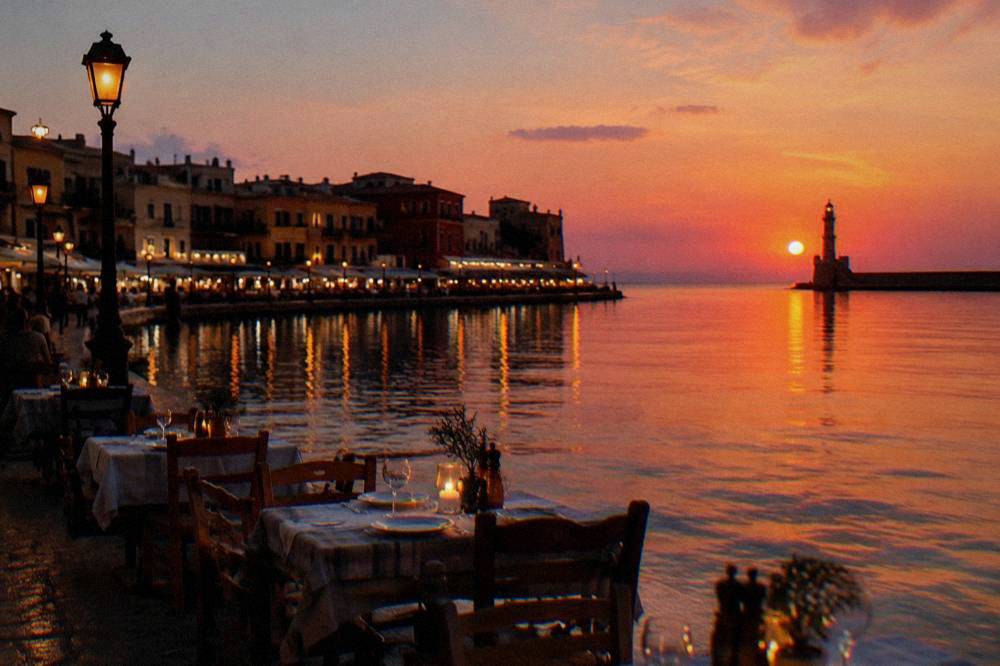
Two night-specific cautions are worth stating plainly. The mole that carries the lighthouse is a stone walkway with the sea on both sides, and it should be treated as a path, not a viewpoint to climb off. And the harbour quays drop straight to the water with no barrier along much of their length, which matters after dark and doubly so with children. Neither is a reason to avoid the walk; both are reasons to walk it attentively.
Is It Safe To Swim And Take Boat Trips From Chania?
Swimming is a normal part of life in Chania, with beaches reachable on foot from the Old Town and boat trips running daily from the harbour and from Kissamos to Balos until 31 October 2026, per the operator's published season. The safety essentials are local: swim where others swim, treat the harbour moles as walkways rather than dive spots, and let a boat's crew set the terms of any swim stop.
The city's own coastline includes Nea Chora beach within walking range of the Old Town, and the wider west Crete coast, covered in the best beaches in Chania guide, runs from family sand to coves reached on footpaths. No official monthly sea-temperature normal exists, so this page prints none; a live reading is a live reading, and the feel of the water on the day is the only honest guide. The HNMS station table does give air temperatures, and those matter for choosing when to swim: July means of 26.7 C and August means of 26.3 C make early morning and late afternoon the natural swim windows.
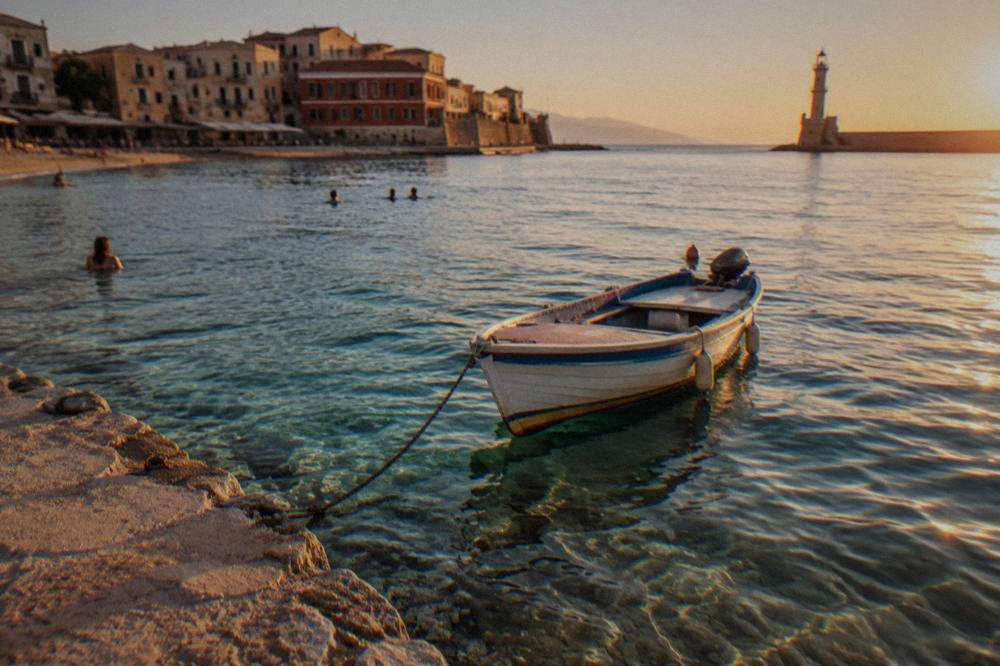
Boat trips are the safest way to handle the two things a first-time visitor cannot judge: the wind state and the right places to enter the water. A crewed trip to Lazaretta Island with a swim stop keeps the decision-making with people who run the route daily, and the operator's live listing carries the current departure details: Check availability. The related guide to boat trips and cruises from Chania is not on this page's approved link list, so use the harbour kiosks and the listings themselves for routes and times.
Is The Weather In Chania Ever A Safety Issue?
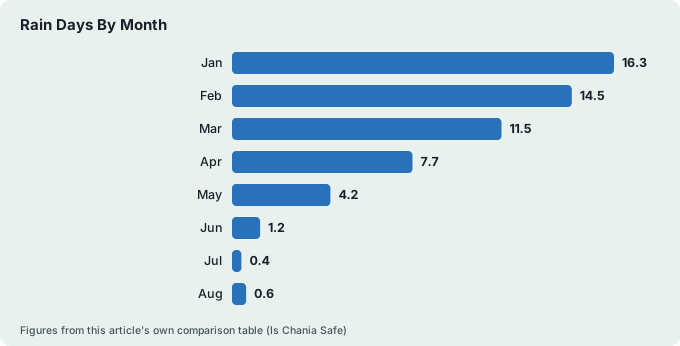
The HNMS Chania Souda station table, covering station records from 1958 to 2010, shows a Mediterranean pattern: a July mean of 26.7 C with 1.0 mm of rain and 0.4 rain days, against a January mean of 11.0 C with 129.5 mm of rain across 16.3 rain days. Heat and rain are the two weather factors that actually change a visitor's plans, and both are manageable with timing.
| Month | Mean C | Mean Max C | Rain mm | Rain Days |
|---|---|---|---|---|
| Jan | 11.0 | 14.4 | 129.5 | 16.3 |
| Feb | 11.0 | 14.7 | 104.0 | 14.5 |
| Mar | 12.7 | 16.6 | 76.0 | 11.5 |
| Apr | 15.9 | 20.0 | 31.5 | 7.7 |
| May | 20.2 | 24.5 | 13.5 | 4.2 |
| Jun | 24.7 | 28.9 | 3.4 | 1.2 |
| Jul | 26.7 | 30.7 | 1.0 | 0.4 |
| Aug | 26.3 | 30.4 | 1.4 | 0.6 |
| Sep | 23.2 | 27.4 | 15.4 | 3.2 |
| Oct | 19.4 | 23.5 | 67.7 | 9.3 |
| Nov | 15.8 | 19.6 | 77.0 | 11.2 |
| Dec | 12.7 | 16.2 | 101.9 | 16.1 |
Source: HNMS Chania Souda station, station records 1958 to 2010, at 148 m inland of Souda Bay. These are station means, not a 1991 to 2020 normal, and the HNMS publishes no newer table for this station. Read the table before generalising: January is the wettest month at 129.5 mm and July the driest at 1.0 mm in this table, and July is the warmest month at a 26.7 C mean against January's 11.0 C. Everything else covered here is indexed on Chania Crete Travel Guide.
What that means in practice: May through September is dry, with 13.5 mm in May tapering to 1.0 mm in July, and rain starts to matter again from October, which averages 67.7 mm over 9.3 rain days. Midday heat in July and August, with mean maxima of 30.7 C and 30.4 C, is the peak-season issue, and the standard local response is to shade, swim and sightsee in the morning, eat late and walk after sunset. Humidity runs from 50 percent in July to 73 percent in January, and the prevailing wind is west, turning north-west in July and August, the pattern sailors call the meltemi. The Chania weather and best time to visit Chania guides carry the fuller planning detail.
Are The Big Day Trips From Chania Safe?
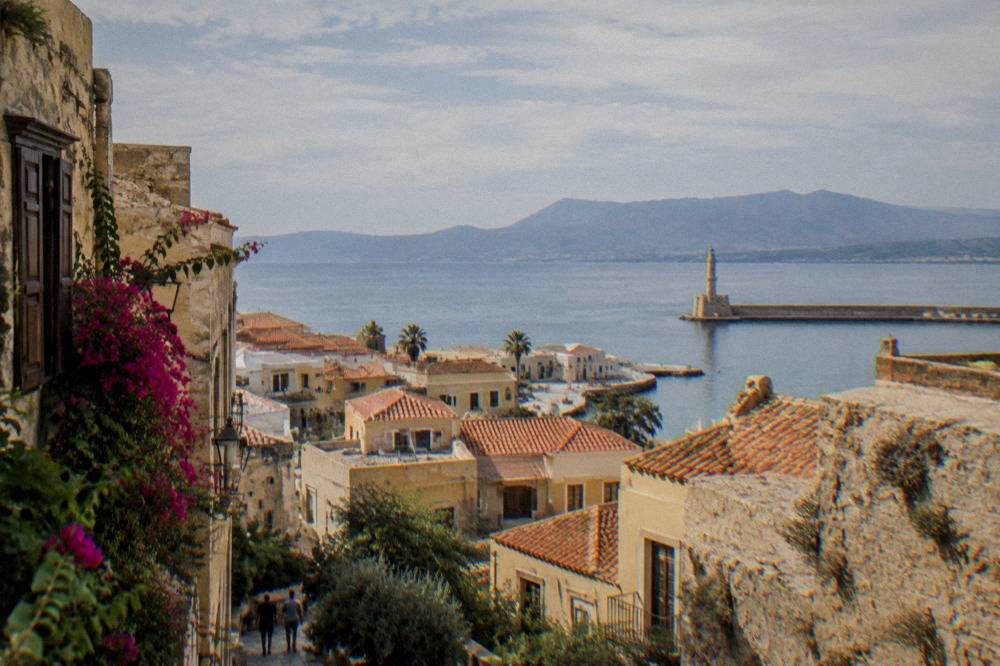
The day trips carry specific, documented conditions rather than generic danger: Samaria Gorge normally runs 1 May to 31 October but storms damaged sections of the path in late September and early October 2026, Balos is reached by an unpaved road from Kaliviani and then a walk down, and Elafonisi is a protected Natura 2000 area with free entry where taking sand, shells or plants is prohibited. Each trip's conditions are checkable before committing.
Samaria is the one that genuinely needs a status check. The gorge is a one-way walk from Xyloskalo on the Omalos plateau down to Agia Roumeli, with boats from Agia Roumeli to Sougia or Chora Sfakion at about 17:30 and a KTEL bus back, all reported as the standard routing. The reported park rules give entry for the full walk between 07:00 and 13:00 and everyone out by 18:00, with no swimming and no camping inside the park. The individual ticket is EUR 10 through the NECCA e-ticket portal, free for EU residents under 18 and over 65. But the 2026 storms closed sections of the path, staff have called a 2026 reopening extremely difficult with no final decision on record, and works are aimed at readiness in May 2027. The rule for a visitor is simple: check the NECCA status before planning the walk, and never assume the season opening alone means the path is intact. The Samaria Gorge guide covers the full route.
| Day Trip | Verified Access Conditions | What To Check Before Going |
|---|---|---|
| Samaria Gorge | One-way from Xyloskalo to Agia Roumeli; ticket EUR 10 via NECCA portal; entry 07:00 to 13:00, all out by 18:00 | NECCA path status after storms; boat and KTEL connections from Agia Roumeli |
| Balos and Gramvousa | Boats from Kissamos port, daily departures to 31 Oct 2026 per operator; EUR 1 Kissamos municipal fee on the ticket for over-13s | Sea state on the day; unpaved road from Kaliviani if driving to the parking area |
| Elafonisi | Natura 2000 protected area; entry reported free; taking sand, shells or plants prohibited | Local transport options in season; posted rules at the site |
| Imbros Gorge | Guided hikes run from Chania as an alternative gorge walk | Operator's meeting point and footwear advice |
Balos needs its own honesty. The lagoon is reached either by boat from Kissamos or by an unpaved road from Kaliviani to a parking area followed by a walk down, and the road is the part that deserves respect, especially in a small hire car. The only confirmed charge is the EUR 1 Kissamos municipal fee collected on the boat ticket for over-13s; a time-slot visitor cap of about 1,200 visitors per three hours was proposed in August 2026 and is not in force, so no cap should be assumed either way. For walkers who want a gorge without Samaria's uncertainty, guided Imbros hikes run from Chania, and the best tours from Chania guide compares the options.
Is It Safe To Drive And Get Around Chania?
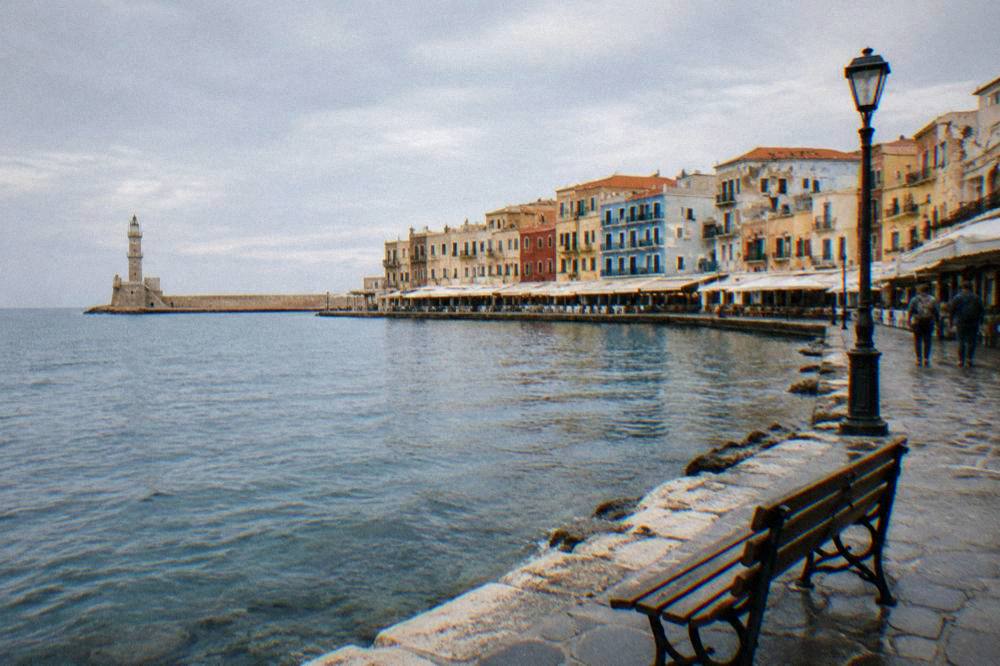
Getting around Chania involves no verified hazard beyond the ordinary Greek driving environment, and the verified transport facts are structural: the airport is about 14 km from the city centre on the Akrotiri peninsula, the Piraeus ferry leaves Souda port about 7 km east of the Old Town at about 21:30 on an overnight crossing of about 9 h 15 min, and long-distance KTEL buses leave from the station on Kydonias street. No fare is printed here because none is verified on an official page.
Crete has no railway, so movement happens by bus, hired car, taxi or boat. The KTEL network from the Kydonias street station reaches Heraklion, Rethymno, Kissamos, Paleochora, Omalos and, in summer, Elafonisi, which covers the main day-trip corridors without a car. The airport's own site carries the current public bus and taxi information, and the Chania airport and airport to town guides walk through the transfer options, while driving in Crete and parking in Chania cover the car question in detail. The getting around Chania page ties the modes together.
| Route Or Mode | Verified Fact | Where To Confirm |
|---|---|---|
| CHQ airport to city centre | About 14 km, Akrotiri peninsula near Souda | Airport's own site for bus and taxi options |
| Souda port to Piraeus | Blue Star Ferries overnight, departs about 21:30, crossing about 9 h 15 min | Operator's timetable, published to 31 Oct 2026 at time of check |
| KTEL long-distance buses | Station on Kydonias street; routes to Heraklion, Rethymno, Kissamos, Paleochora, Omalos, Elafonisi in summer | Operator's booking site for times |
| Gavdos boats | Run from Paleochora and Sougia in season | Local operators in those ports |
Driving safety on the island is mostly a matter of road type: mountain roads to the gorges and the south coast are narrow and winding, the Balos access road is unpaved, and village lanes in the Old Town are pedestrian-first. The car rental in Chania and airport car rental guides cover the hiring mechanics, and no rate is quoted anywhere on this page because no verified rate exists in the source file.
Are Chania's Museums And Old Town Sights Safe And Straightforward?
The main sights are low-risk and clearly administered: the Archaeological Museum of Chania at 15 Skra Street in Halepa charges EUR 15 full and EUR 8 concession with visitors asked to leave 20 minutes before closing, Firka Fortress grounds are free and the fort dates from 1620, and the Venetian shipyards, seven survivors of an original seventeen from the 15th to 16th century, stand open along the harbour. The only genuine caution is confirming opening details on the museum's visit page.
The museum's published hours contain a contradiction between sources, so the desk's advice is to check the museum's own visit page before setting out, a one-minute check that settles the matter. The rest of the Old Town's fabric asks nothing of a visitor but attention to footing: stone paving, harbour edges and the mole walk to the lighthouse, a Venetian structure of about 1595 to 1601 restored on its base during Egyptian rule between 1830 and 1840 and operating since 1839.
| Sight | Verified Detail | Practical Note |
|---|---|---|
| Archaeological Museum of Chania | 15 Skra Street, Halepa; EUR 15 full, EUR 8 concession | Check the museum's visit page for current opening hours |
| Firka Fortress | Built 1620; grounds free | Harbour-mouth location, open quays nearby |
| Neoria shipyards | Seven survivors of an original seventeen, 15th to 16th century | Viewable from the harbour walk |
| Lighthouse (Faros) | Built about 1595 to 1601; restored 1830 to 1840; operating 1839 | Mole walkway, sea on both sides |
| Venetian Harbour | First built 1320 to 1356; dredging and a wall recorded 1515 | Quays drop straight to the water |
For visitors arriving by ship, the cruise port day itinerary keeps everything within the walkable core, and for US travellers the broader question of travelling to Crete right now as an American has its own answer page covering documents and entry, where the verified position is that EES is live and ETIAS is not.
Is Chania Safe For Families And Solo Travellers?
Nothing in the verified sources marks Chania out as difficult for families or solo travellers: the city is compact, the evening streets are populated late, beaches sit within walking distance of the Old Town, and the documented hazards, heat, harbour edges, the unpaved Balos road and storm-affected gorge paths, are all managed with timing and a status check rather than with a change of plan. The Chania with kids guide carries the family specifics.
Solo travellers get the same environment with one addition: the late, outdoors social life of the harbour and Splantzia makes evenings easy to spend without any arrangement, and the cooking and food-tasting options on this site, from the Cretan food in Chania guide onward, are natural single-person bookings. A cooking class in a White Mountains village, for instance, is a full-day structure with a host, a group and a meal at the end, which suits a solo day better than an improvised trip up a mountain road.
Families should weight the practical items: quays and moles without barriers, midday heat in July and August with mean maxima above 30 C, and boat trips where the crew's word on swim stops is final. The where to stay in Chania guide helps with basing, since staying inside the walkable core removes the need for evening drives on unfamiliar roads. For the timetable of a short stay, how many days in Chania sets out a realistic pace, and is Chania worth visiting answers the upstream question.
What Should You Confirm At Booking Before A Chania Trip?
Four things deserve a confirmation rather than an assumption: the current Samaria Gorge path status on the NECCA portal, the climate crisis resilience fee that accommodation collects per room or apartment per night at seasonal rates, any transport fare, since no bus, taxi or ferry fare is printed on an official page this file holds, and the opening details of the Archaeological Museum on its own visit page. Each check takes minutes and settles the last open questions.
The resilience fee is collected by the accommodation itself with rates that vary by season and category, so the amount for a specific stay is confirmed with the property at booking rather than guessed here. On the water, a guided cruise handles conditions and equipment as part of the package, and the Menies Beach and Chironisia Bay cruise with snorkeling is one example of a trip where the crew manages the sea judgement:
| Item | What Is Verified | How To Confirm |
|---|---|---|
| Samaria Gorge status | Normal season 1 May to 31 October; storm damage closed sections in 2026 | NECCA official status before planning |
| Climate crisis resilience fee | Collected per room or apartment per night, seasonal rates | With the accommodation at booking |
| Bus, taxi and ferry fares | Not printed on the official pages held in this file | Operator or driver on the day |
| Archaeological Museum opening | EUR 15 full, EUR 8 concession; hours contradictory between sources | The museum's own visit page |
| Balos access | Unpaved road from Kaliviani, then a walk down; EUR 1 municipal fee on boat tickets for over-13s | Operator listing and road conditions on the day |
The pattern across every item in this guide is the same: Chania's safety picture is made of small, checkable facts rather than big risks. The city asks for attention at harbour edges, timing against heat, and a status check before a gorge walk, and it rewards all three with an unhurried stay. As a final anchor, the practical pages on this site, beginning with Chania Crete Travel Guide, exist so that each of those checks stays quick instead of becoming an evening's work.
Common Questions About Safety In Chania
Is Chania safe for tourists?
The verified sources publish no travel advisory or crime statistic against Chania, a city of about 111,375 permanent residents on Crete's north-west coast. The documented safety factors are environmental: July and August heat, harbour edges without rails, an unpaved access road at Balos and storm damage that can close Samaria Gorge outside reliable operation. Timing and a NECCA status check handle the bulk of it.
Is it safe to walk around Chania at night?
The harbour front, Splantzia and the Old Town stay active well past midnight in season because dining runs late, and no source in this file records a curfew or no-go district. The practical cautions are uneven paving, unbarred quay edges and mopeds in lanes, all of which argue for lit streets and steady shoes rather than any precaution against people.
Is it safe to swim in Chania?
Swimming is a normal part of the city's day, with Nea Chora beach within walking range of the Old Town and crewed boat trips running swim stops. No official monthly sea-temperature normal exists, so the day's conditions and a live reading are the honest guide, and the harbour moles should be treated as walkways rather than swimming spots.
Is Samaria Gorge dangerous?
The gorge is a managed national park with a EUR 10 ticket via the NECCA portal, entry for the full walk between 07:00 and 13:00, everyone out by 18:00, and no swimming or camping allowed. The real risk in 2026 is closure: storms in late September and early October destroyed path sections, and the reopening position should be checked on the NECCA status before any plan is made.
Is the drive to Balos safe?
The land approach uses an unpaved road from Kaliviani to a parking area, followed by a walk down to the lagoon, and that road deserves respect in a small hire car. The boat alternative from Kissamos runs daily to 31 October 2026 per the operator, with only a EUR 1 municipal fee for over-13s collected on the ticket.
Are there any health or entry requirements for Greece?
Greece is a Schengen member with internal checks abolished since 26 March 2000, and the Entry/Exit System has been fully deployed since 10 April 2026. ETIAS is not in operation and collects no applications as of October 2026, so any service selling an ETIAS registration should be refused. No emergency number or health requirement is stated on this page because none is verified in the source file.