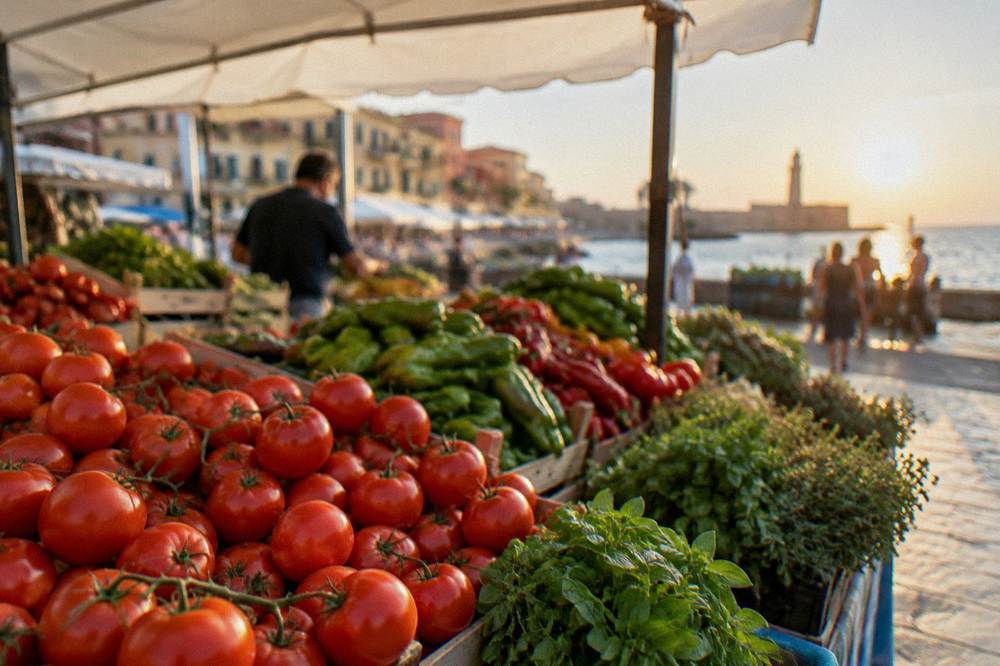
Chania Rainy Day
Rain in Chania is a matter of season and statistics: the HNMS Chania Souda station table shows January collecting 129.5 mm and July 1 mm, so a wet day is rare in summer and routine from November to March. This guide sets out the indoor options, the prices that are actually published, and the harbour walks that work between showers.
Short answer
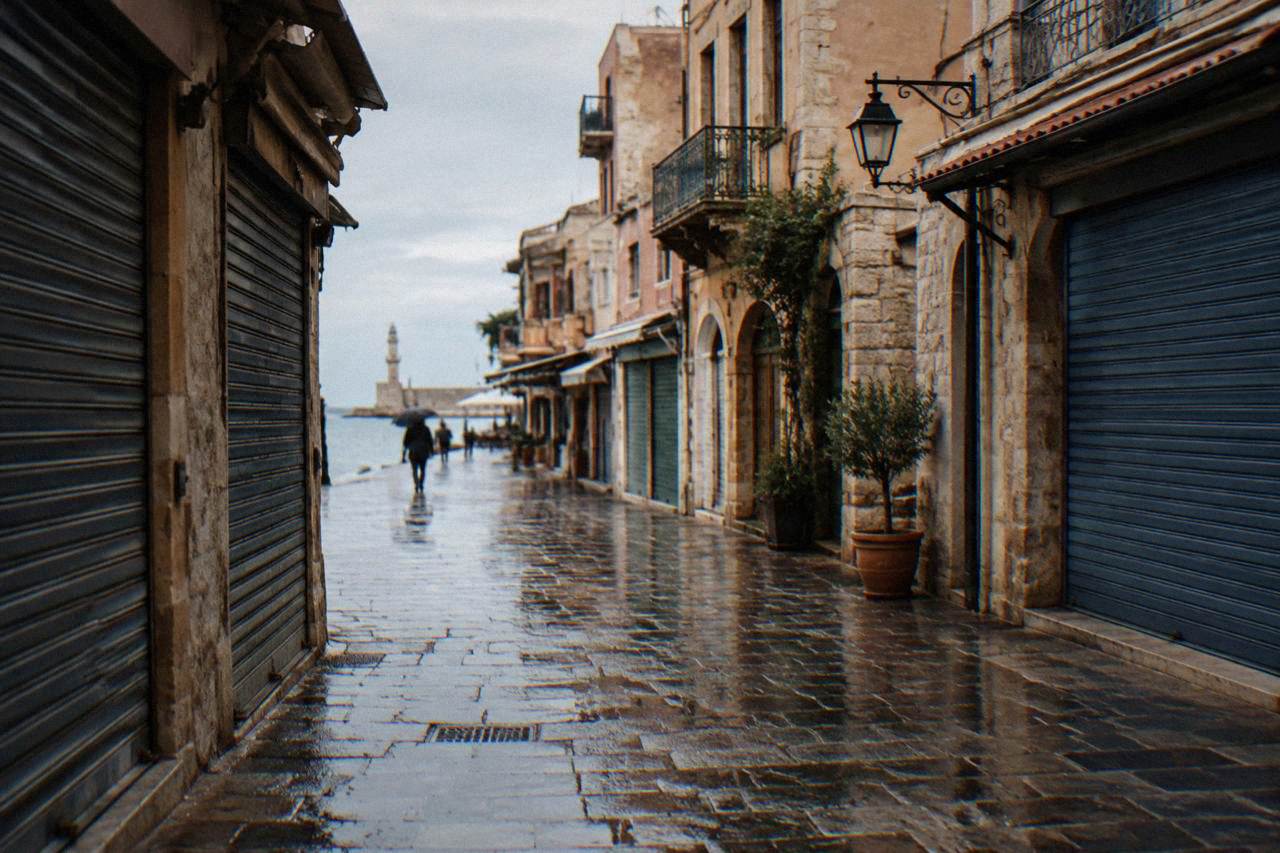
On a rainy day in Chania the working plan is the Archaeological Museum (EUR 15 full, EUR 8 concession, at 15 Skra Street in Halepa), the covered lanes of the Old Town, the free grounds of Firka Fortress between showers, and a food or cooking tour. Boat trips run subject to weather; the sunset cruise departs from the Venetian Harbour when the sea allows.
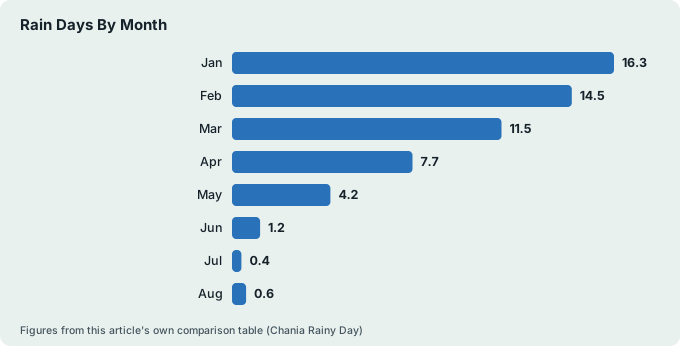
Rain reaches Chania on a schedule the national weather service has measured for half a century: the HNMS Chania Souda station table, drawn from station records covering 1958 to 2010, counts 16.3 rain days in January against 0.4 in July. A rainy day in this city on the north-west coast of Crete is therefore a planning problem with two different shapes, one for a November city break and one for a freak June downpour. This guide takes both seriously, lists what is indoors, states only the prices that museums themselves publish, and keeps the harbour in the plan because showers here often arrive in bursts rather than as full-day events.
What Can You Actually Do In Chania On A Rainy Day?
A rainy day in Chania resolves into four working categories: the Archaeological Museum at 15 Skra Street in Halepa with its published EUR 15 full and EUR 8 concession tickets, the covered shopping lanes and arcades of the Old Town, cooking classes and food tastings that take place under roofs, and the Venetian Harbour walked in the gaps between showers, with Firka Fortress grounds free to enter whenever the rain pauses.
The city is compact enough that none of this needs a car. The Old Town sits around the Venetian Harbour, Halepa is a walk or a short ride to the east, and the municipal market building sits at the edge of the old quarter. A wet day is really a reshuffling exercise, not a lost one.
What it is not is a beach day. The sand beaches of Nea Chora and the wider coast stay in the plan only for hardy walkers, and the gorge and lagoon day trips become genuinely bad ideas in rain, both because the paths degrade and because boat operators cancel departures when the sea state is poor.
How Much Rain Does Chania Really Get, And When?
The HNMS Chania Souda station table, from station records covering 1958 to 2010, shows a sharp split: January averages 129.5 mm of rain across 16.3 rain days, while July averages 1.0 mm across 0.4 rain days, and the dry corridor runs from May through September, with May at 13.5 mm, July at 1.0 mm and September at 15.4 mm. October is the month the pattern turns, at 67.7 mm.
The full monthly picture from that station table:
| Month | Mean Temperature | Rainfall (mm) | Rain Days |
|---|---|---|---|
| Jan | 11.0 C | 129.5 | 16.3 |
| Feb | 11.0 C | 104.0 | 14.5 |
| Mar | 12.7 C | 76.0 | 11.5 |
| Apr | 15.9 C | 31.5 | 7.7 |
| May | 20.2 C | 13.5 | 4.2 |
| Jun | 24.7 C | 3.4 | 1.2 |
| Jul | 26.7 C | 1.0 | 0.4 |
| Aug | 26.3 C | 1.4 | 0.6 |
| Sep | 23.2 C | 15.4 | 3.2 |
| Oct | 19.4 C | 67.7 | 9.3 |
| Nov | 15.8 C | 77.0 | 11.2 |
| Dec | 12.7 C | 101.9 | 16.1 |
Read as a planning tool, the table says three things. From November to March, pack for rain and treat a dry afternoon as a bonus. From May to September, a rainy day is an outlier and the museums will absorb it in half a day. In April and October, the transition months, the forecast matters more than the averages, and a flexible plan beats a fixed one.
Humidity in the same station table runs from 50 percent in July to 73 percent in January, and the prevailing wind is westerly, turning north-west in July and August. None of that stops a museum visit.
Because a rainy day here rarely destroys a whole week, the tours that depend on weather can still be booked with cancellation cover. The sunset cruise from the Venetian Harbour, the 4x4 safari toward Balos and the two-island boat cruise all run on conditions, and the desk's picks below all carry free cancellation up to 24 hours before departure.
Which Museums In Chania Are Worth A Wet Afternoon?
The Archaeological Museum of Chania is the anchor indoor stop: it stands at 15 Skra Street in Halepa, charges EUR 15 for a full ticket and EUR 8 for a concession as its visit page lists, and asks visitors to leave 20 minutes before closing, while the Maritime Museum of Crete at the harbour publishes no price or hours on the sources this guide holds, and Firka Fortress next to it has free grounds and a documented construction date of 1620.
The Archaeological Museum's hours are a point to check rather than assume: the sources available to this desk carry conflicting listings, one showing 08:00 to 20:00 daily and another a Tuesday closure, so the museum's own visit page is the reference to consult before setting out for Halepa.
| Indoor Stop | Location | Stated Price | What The Sources Say |
|---|---|---|---|
| Archaeological Museum of Chania | 15 Skra Street, Halepa | EUR 15 full, EUR 8 concession | Visitors asked to leave 20 minutes before closing; check the museum's visit page for the day's hours |
| Firka Fortress | Harbour mouth, Old Town | Grounds free | Fort built 1620 by the Venetians |
| Maritime Museum of Crete | Firka Fortress, harbour mouth | Not stated in available sources | No price or hours published on the sources held; confirm locally |
| Neoria shipyards | Eastern harbour front | No entry system stated | Seven buildings survive of an original seventeen, 15th to 16th century |
Firka Fortress deserves its line even on a wet-day list because its grounds are free, so a pause in the rain costs nothing to use. The fortress guarded the harbour mouth from 1620, and the views across to the lighthouse make it a fifteen-minute stop that pairs naturally with the Maritime Museum beside it.
The Neoria, the old Venetian shipyards on the eastern side of the harbour, give the wet-day walker a roofed historic frontage. Seven of the original seventeen buildings survive from the 15th to 16th century, and they line the water in a row that works as a rain-shortened promenade. For the harbour's full story, the lighthouse of Chania guide carries the verified dates, including the Egyptian-era restoration of 1830 to 1840.
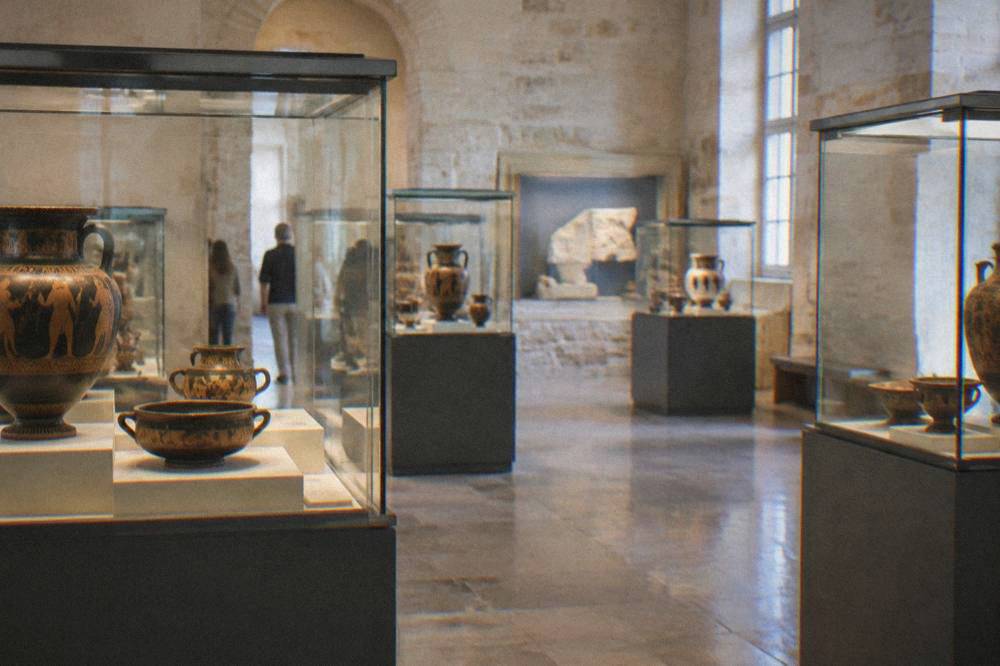
The museum quarter and the harbour are close enough that a wet afternoon can hold both: Halepa first while the rain is heaviest, then the harbour cluster when it eases. The Agia Triada Monastery and the Government House in Halepa extend the same walk if the sky cooperates.
Can A Food Tour Or Cooking Class Save A Rainy Day In Chania?
A food tour or a cooking class is the single best rain-proof booking in the city, because every stage of it happens indoors or under cover: the Old Town street food tours move between covered lanes and eating houses, and the cooking classes take place in village kitchens, with the mountain cooking class in the White Mountains running as a full session with a meal at the end, all at prices and ratings that render on each operator's live listing.
This is where a wet day can become the day the trip is remembered for. The desk's view, formed from the listings rather than from any visit: the guided Old Town walk with street food covers the covered lanes and their bakers, the cooking class in the White Mountains puts a whole afternoon under one roof, and the tasting tours of olive oil, wine, cheese and honey sit visitors down at a table while the rain does whatever it likes outside.
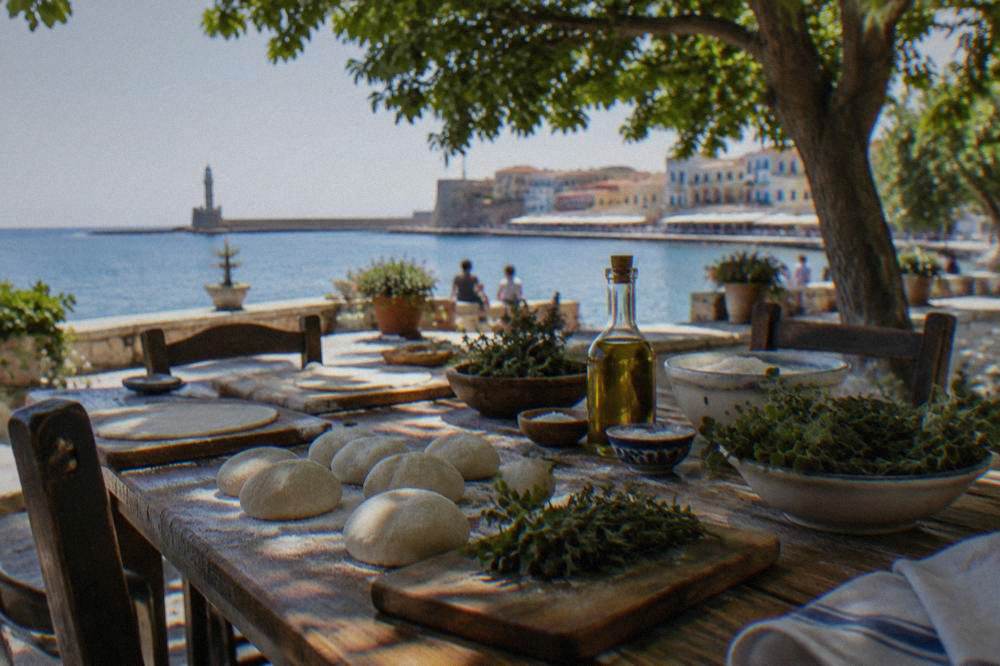
For readers planning around meals rather than classes, the site's own restaurants and Cretan food pages carry the eating-house detail, and the bougatsa pages explain the one pastry that is itself a rainy-day institution in this city. The covered market building adds another layer: the municipal market guide covers what it holds, and the answer page on market day in Chania settles the weekly rhythm.
Between showers, the food walks also do the work of a sightseeing walk. The lanes around Splantzia and the harbour front hold enough roofed stretches that a tasting route stays broadly dry, and the operator's live listing shows exactly what each route includes.
Does The Venetian Harbour Work In The Rain?
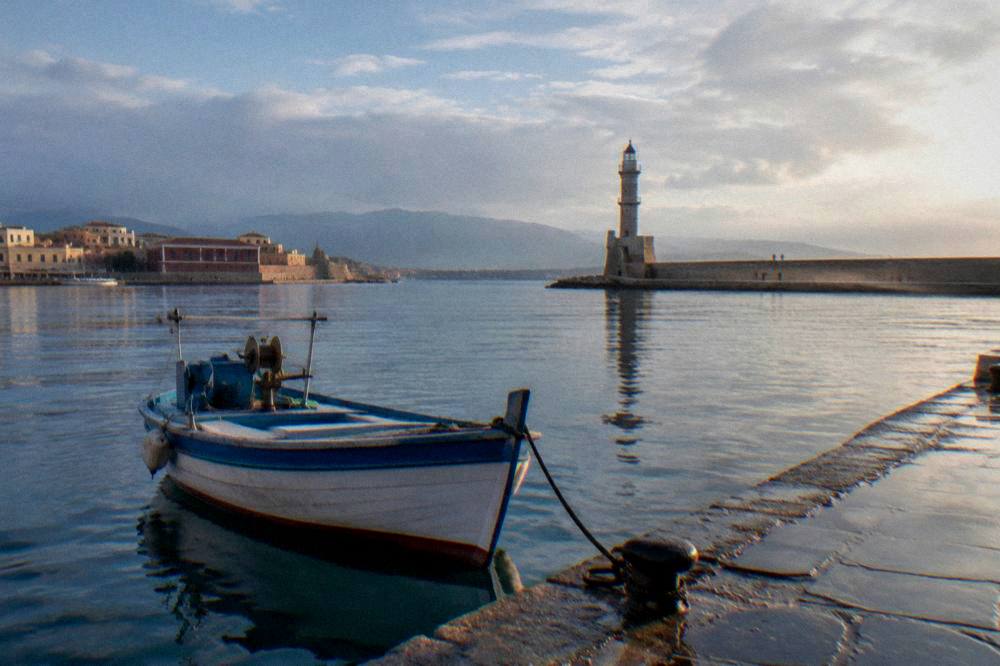
The Venetian Harbour works in the rain in bursts, not as a full-day plan: the harbour front itself dates from works between 1320 and 1356 with a wall recorded in 1515, the lighthouse at its mouth was built about 1595 to 1601 and restored on its Venetian base during Egyptian rule from 1830 to 1840, and the whole circuit is short enough to walk in a pause between showers, with the covered arcades of the Old Town behind it as the backup.
The practical rhythm is watch-then-walk. Showers on this coast frequently arrive and clear within the hour outside the deep winter months, so the harbour becomes a repeatable option across a wet day rather than a single scheduled one. The Old Town guide maps the lanes that keep you driest, and Splantzia on the east side holds a dense cluster of cafes for the waiting.
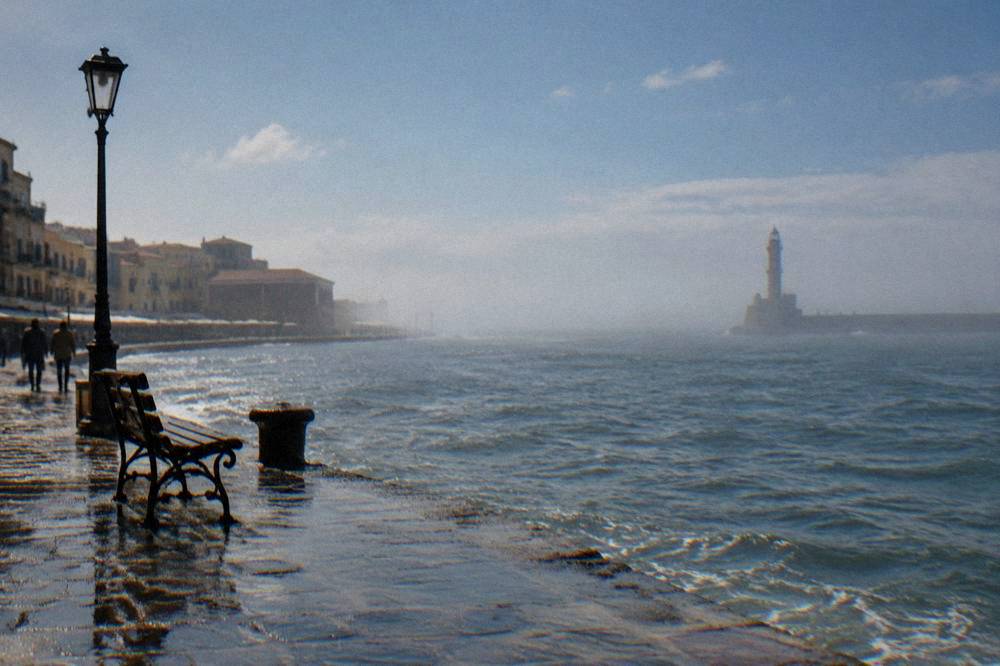
One rain-day trap deserves a flag: the mosque on the harbour front, often listed as the oldest building of its kind in the city, carries no verified construction date in the sources this desk holds, so the building can be enjoyed without repeating a date that no primary source confirms. The same honesty applies to the shipyards: seven survivors of seventeen is the verified count, and no more specific claim belongs in a caption. Everything else covered here is indexed on Chania Crete Travel Guide.
What Happens To The Boat Trips And Day Tours When It Rains?
Boat trips from the Venetian Harbour and Kissamos sail on sea state, not on rain alone, so a wet morning with a calm sea can still see departures, while the Balos and Gramvousa cruises from Kissamos stop when the sea turns, and the gorge hikes become genuinely unsafe in rain because the paths degrade, with Samaria's status governed by the NECCA agency's own announcements after the storm damage of late September and early October 2026 closed sections of the path.
The desk's advice on a rain-affected booking week: book the sea products with cancellation cover, keep the museum and food options in reserve, and never convert a wet day into a gorge day. The Samaria Gorge normally runs a 1 May to 31 October season with a EUR 10 individual ticket through the NECCA e-ticket portal, but storms in autumn 2026 destroyed sections of the path, staff described a 2026 reopening as extremely difficult, and works were aimed at readiness in May 2027, so the NECCA status page is the only authority on whether the gorge can be walked at all.
| Day Trip | Rain Verdict | Why |
|---|---|---|
| Balos and Gramvousa cruise | Sea-state dependent | Departures from Kissamos stop when the sea turns; only confirmed charge is the EUR 1 municipal fee on the boat ticket for over-13s |
| Samaria Gorge hike | Do not attempt | Storm-damaged path in autumn 2026; NECCA status governs; no swimming or camping in the park regardless |
| Imbros Gorge hike | Poor in rain | A gorge path degrades in rain even when open |
| Elafonisi | Poor | Natura 2000 area with free entry, but it is a beach day, not a rain day |
| Knossos and Heraklion | Workable | Mostly an outdoor site, but reachable by KTEL bus from the Kydonias street station whatever the weather |
The one sea product that fits a doubtful forecast best is the short sunset cruise from the Venetian Harbour, this page's related tour: Check availability. Its listing shows a guided circuit, short enough that a clearing evening is often all it needs, and free cancellation up to 24 hours before departure covers the days the sea decides otherwise.
The longer sea options can still earn their place in a changeable week. The two-island cruise to Agioi Theodoroi and Lazaretta and the 4x4 safari toward Balos both carry the same flexible cancellation window on their listings, which is what makes them bookable in uncertain weather at all.
Is A Rainy Day In Chania Good For Shopping And Cafes?
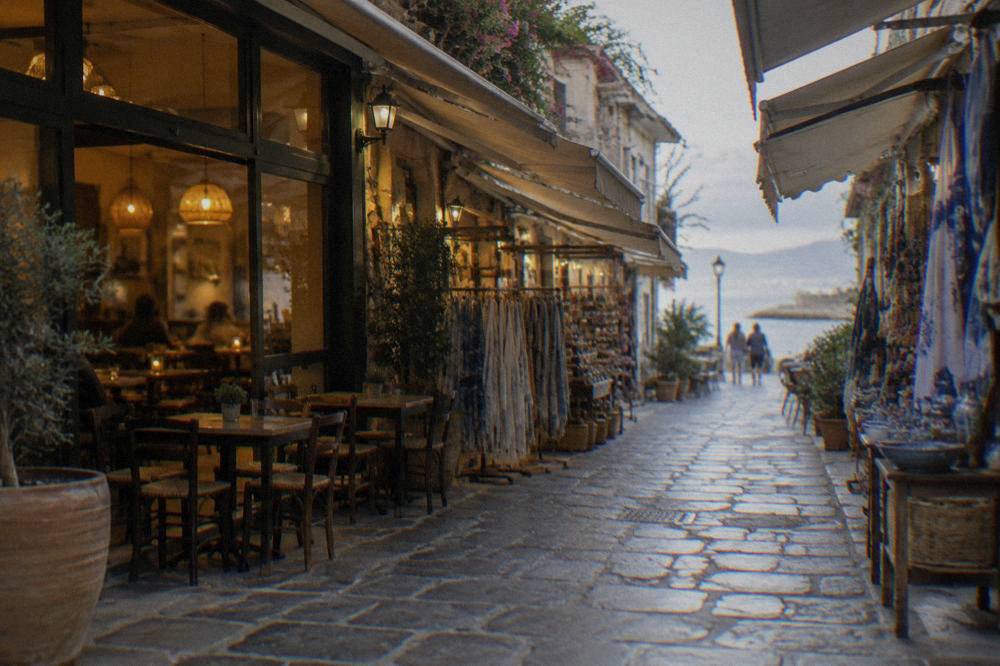
The Old Town's covered lanes make shopping and cafe time the easiest rain-day plan in the city: the streets behind the harbour front hold leatherworkers, knife makers and food shops under awnings and arches, the municipal market building puts its traders under one roof, and the cafe density around Splantzia and the harbour means no pause in the rain needs to be spent outdoors.
The craft trades here are documented city staples rather than tourist-board invention: leather and knife work along the old lanes, and food shops selling olive oil, honey and herbs that travel well. A wet afternoon is when they get the time they deserve, unhurried and out of the sun.
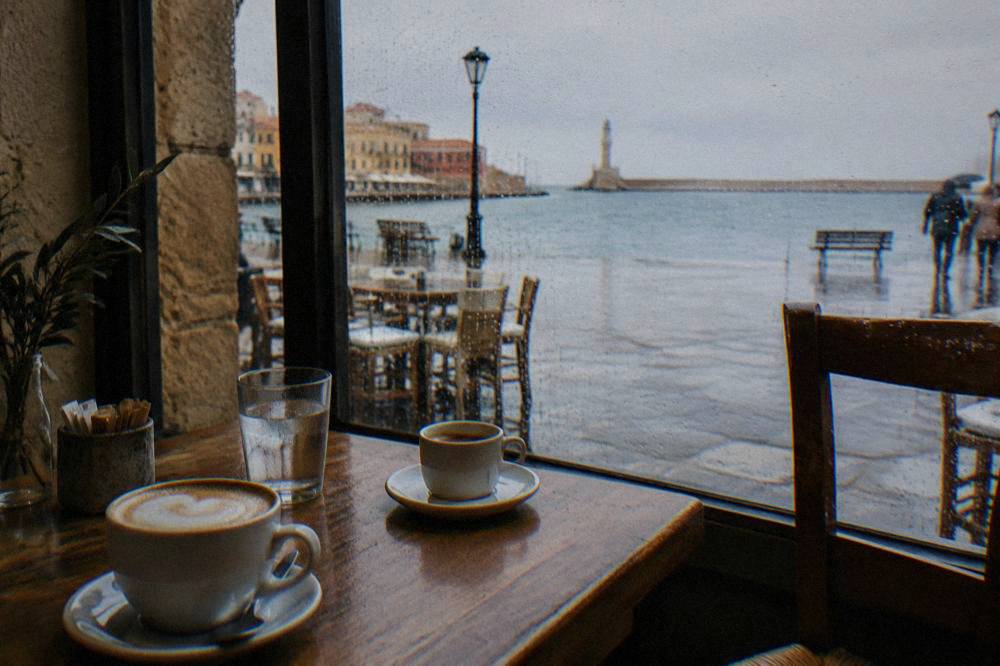
Cafe culture in Crete runs long by habit, and a rainy day simply extends it. Order slowly, read the menu board rather than the phone, and let the forecast decide the next move. The desk's only caution is the one every visitor can act on without a guide: check posted prices on anything sold near the harbour, and read the itemised bill when it comes.
What About A Rainy Day With Kids In Chania?
A rainy day with kids in Chania shortens to the Archaeological Museum for the pottery and the scale of the building, the market halls for the food theatre, a long pastry stop, and a hotel-based afternoon, because the city's verified indoor list is real but finite: there is no aquarium, no science centre and no railway anywhere on Crete, so families should not plan around attractions the island does not have.
The Chania with kids guide carries the full fair-weather version, and the rainy-day page on a wet week simply trades beach hours for market and museum hours. Food is the reliable lever: a bougatsa stop turns any wet walk into an event, and the food walks above accept children on the terms each listing states.
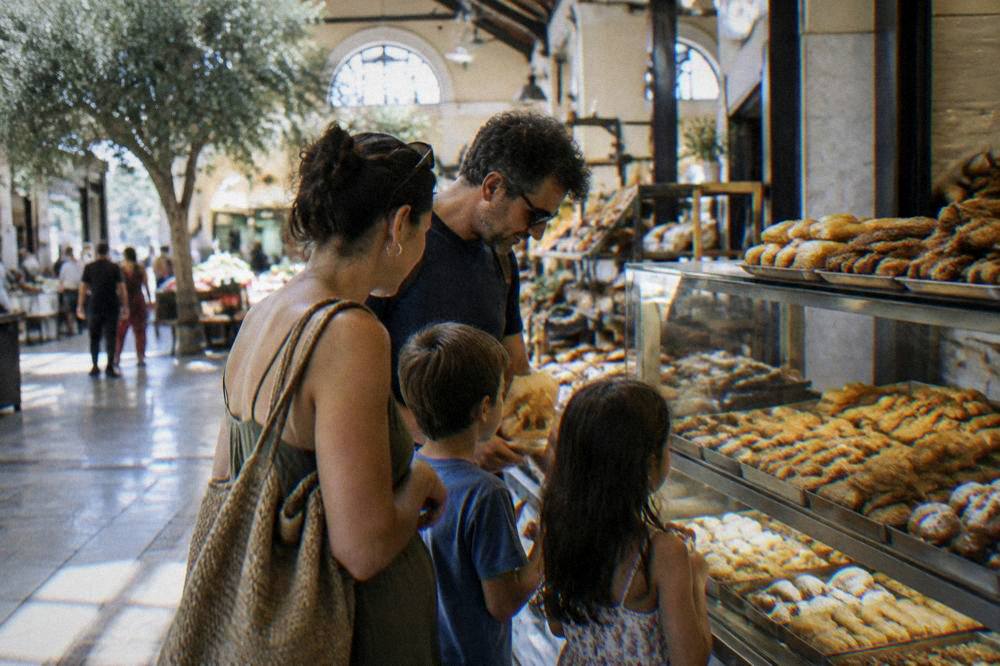
For a longer-stay family, the cooking class option above is worth weighing seriously: a class turns four to six indoor hours into the day's main activity rather than a gap in one, and the mountain village classes put the whole session under a single roof.
How Do You Rework A Chania Itinerary Around A Wet Day?
Reworking a Chania itinerary around rain is a swap exercise, not a rewrite: move the museum and food-tour day into the wet slot, hold the beach and boat days for the clearing forecast, cancel or rebook anything sea-dependent inside the operator's 24-hour window, and leave the gorges out entirely on rain days, because the paths degrade and Samaria's status is anyway set by the NECCA agency after the autumn 2026 storm damage.
The site's itineraries are built to flex this way. The Chania one day plan can absorb a wet version by weighting the museum and market, the Chania two days and Chania three days versions move a boat day across days, and the best tours from Chania guide ranks the day trips by how weather-exposed each one is.
| If The Forecast Says | Keep | Swap To |
|---|---|---|
| Showers, clearing later | Harbour walk, sunset cruise if the sea allows | Museum morning, harbour afternoon |
| Rain all day | Food tour or cooking class | Postpone any boat booking inside the 24-hour window |
| Storms, rough sea | Museum, market, cafes | Cancel the Balos cruise; no operator sails a rough sea |
| Wet but warm | Old Town lanes, shopping | Swap a beach hour for a pastry stop |
The deep-winter traveller, visiting between November and February when the rain table runs at 77.0 mm or more per month, should read the Chania in winter guide as the seasonal version of this page, and the best-time guide for how the rain numbers should weigh in choosing dates at all.
For a wet day in a longer west-coast stay, the West Crete one week itinerary carries the same swaps at region scale, and the desk's trio below holds the three weather-flexible bookings that carry free cancellation on their listings.
A final planning note that the desk states plainly: the resilience fee that accommodation collects per room or apartment per night, at seasonal rates, is charged whatever the weather, and its exact amount is confirmed at booking rather than assumed from any figure printed online.
Common Questions About Rainy Days In Chania
Does it rain a lot in Chania?
The HNMS Chania Souda station table, from records covering 1958 to 2010, shows the rain concentrated from October to March, with January at 129.5 mm over 16.3 rain days. From May to September the same table shows a dry corridor, with July at 1.0 mm over 0.4 rain days.
What is the wettest month in Chania?
In the HNMS Chania Souda station table, January is the wettest month at 129.5 mm, followed by February at 104.0 mm and December at 101.9 mm. The driest is July at 1.0 mm.
Can you swim in Chania when it rains?
Rain itself does not stop a swim in the warm months, but sea state and any local warnings do, and boat operators cancel departures when the sea turns. A live sea reading is a live reading; no official monthly sea-temperature normal exists to quote.
Are the museums in Chania open on rainy days?
The Archaeological Museum of Chania publishes its full ticket at EUR 15 and concession at EUR 8 on its visit page, which is also the place to check the day's hours, since the sources available to this desk carry conflicting listings including a Tuesday closure. The Maritime Museum of Crete publishes no price or hours on the sources held, so confirm locally.
Is a rainy day a good day for the Samaria Gorge?
No. The gorge path degrades in rain, and after the storms of late September and early October 2026 destroyed sections of the path, the NECCA agency's own status announcements are the only authority on whether the gorge can be entered at all. The normal season runs 1 May to 31 October, weather permitting.
What is the cheapest rainy-day plan in Chania?
The free grounds of Firka Fortress, the covered market halls, the Old Town lanes and a long cafe stop cost nothing beyond what you eat and drink. The Archaeological Museum at EUR 15 full, EUR 8 concession, is the one indoor stop with a published ticket price.
A rainy day in Chania, read against half a century of station records, is a scheduling problem the city is well built to absorb: one museum with published prices, a market under a roof, food tours that need no sunshine, and a harbour that rewards every pause in the rain.