Where To Stay In Chania
Chania is a coastal city of 111,375 permanent residents on the north-west coast of Crete, and the right place to stay depends on whether the harbour, a swim beach or the road to the gorges matters most.
Short answer
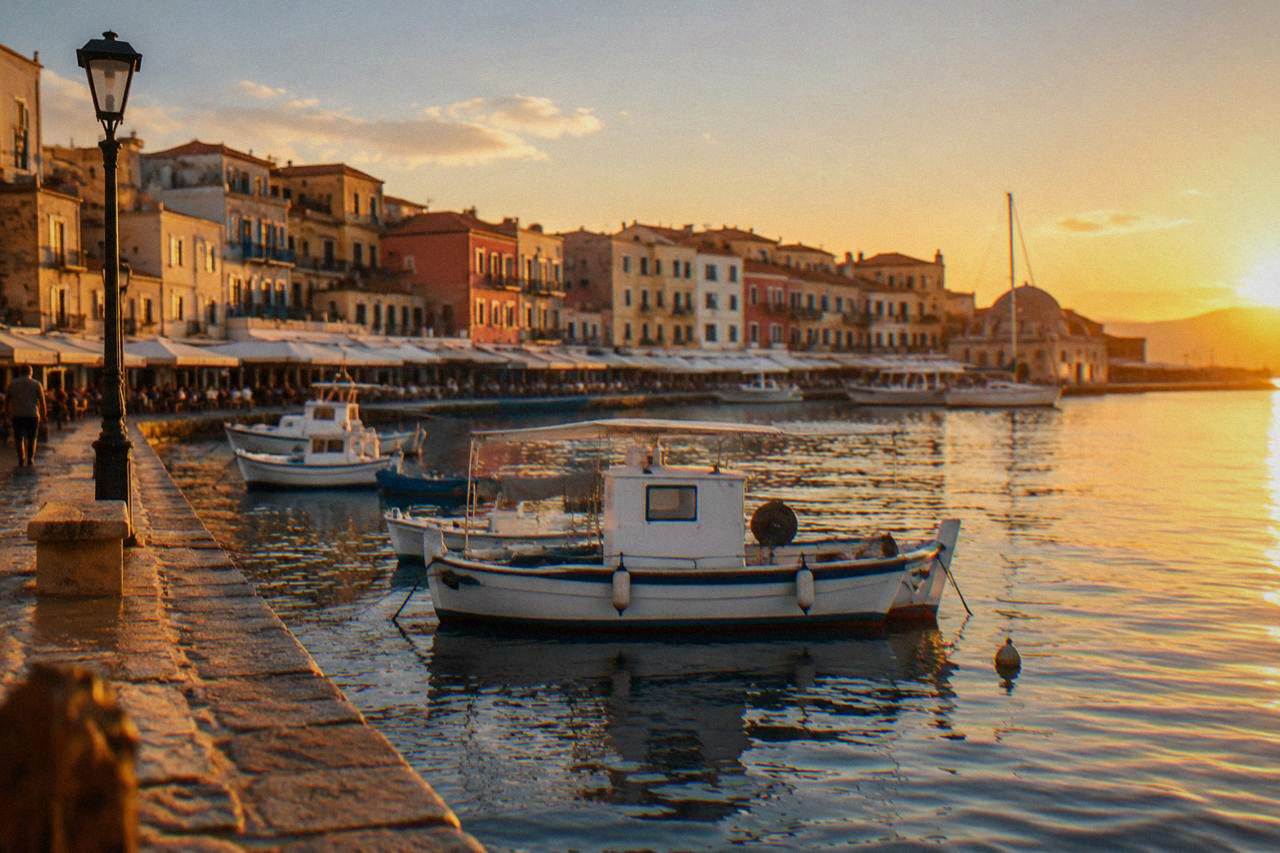
Stay in the Old Town for the Venetian Harbour and restaurants, Nea Chora for a walkable sandy beach beside the centre, Halepa for a quieter residential base, or Agia Marina and Platanias for a resort beach stay west of the city.
Chania spreads around its Venetian Harbour on the north-west coast of Crete, with the White Mountains to the south and the beach suburbs running west along the Cretan Sea. The municipality holds 111,375 permanent residents across 356.12 km2, so "Chania" covers far more than the postcard harbour: the question of where to stay is really a choice between the historic centre, the residential quarters just outside it, and the resort strip beyond the city line. This guide from the Chania Crete Travel Guide editorial desk walks through each area with what the sources actually say, and no invented prices.
Where To Stay In Chania: Which Area Suits Your Trip?
The practical answer is that the Old Town suits a first short visit built around the harbour and restaurants, Nea Chora adds a walkable sandy beach beside the centre, Halepa and Splantzia offer quieter residential bases within reach of the old streets, and Agia Marina and Platanias work for a beach-first stay on the coast west of the city. The decision usually comes down to car or no car, harbour or beach, and how many day trips are planned.
Crete-level comparisons matter here too. The island is large, and a single base cannot cover everything, so the choice of island region comes before the choice of neighbourhood. For a broader view of the island decision, see which is the nicest part of Crete to stay in and, if the east is also on the list, is it better to stay in Chania or Heraklion. This page stays with the city itself.
The areas below all sit inside or beside the municipality, and each one is described from what the facts file holds: geography, transport links and the verified history of the old quarters. Nothing about room rates appears, because no verified nightly price exists in the source material; the climate crisis resilience fee that accommodation collects per room or apartment per night is confirmed at booking, in seasonal rates by category, and no amount is printed here.
Is Chania Old Town The Best Base For A First Visit?
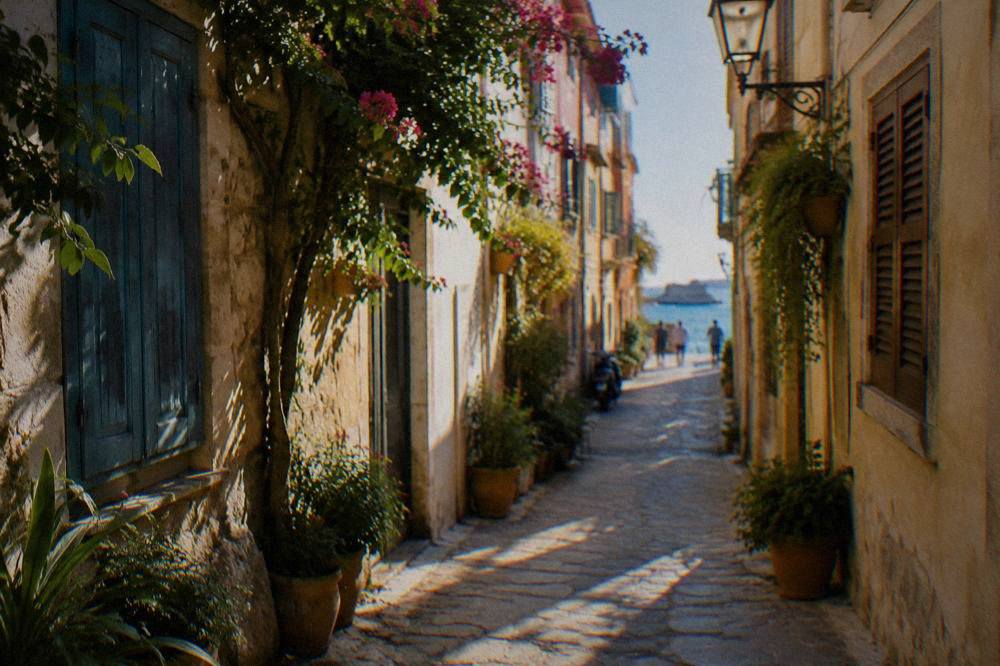
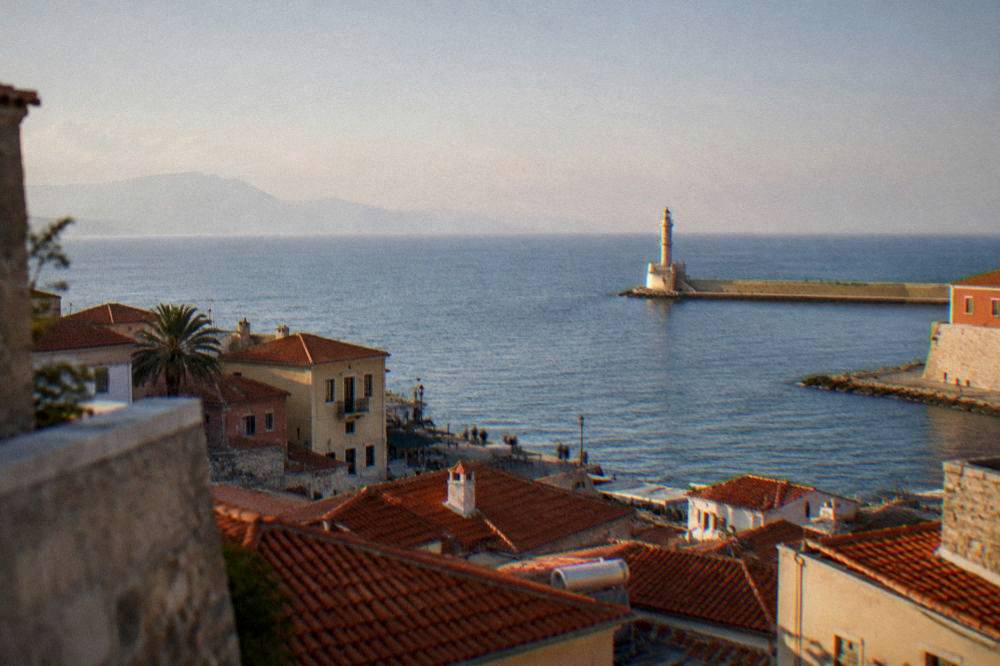
For a first visit of two or three nights without a car, the Old Town is the strongest base: it wraps around the Venetian Harbour, the first harbour works date from 1320 to 1356, and the lighthouse, the Firka Fortress from 1620 and the Neoria shipyards are all within the same walkable district. The trade-off is crowds in peak season and limited car access inside the old streets.
The Old Town carries the city's full timeline. The first Venetian walls went up from 1336 to about 1356, the second walls from 1536 followed Michele Sanmicheli's design, Ottoman rule began with the 1645 conquest of Chania, and Crete's union with Greece came in 1913. The Neoria shipyards, seven survivors of an original seventeen from the 15th to 16th century, still line the harbour's eastern edge. A stay here puts all of that outside the door.
Practical points matter more than history for a lodging decision. The Archaeological Museum of Chania sits at 15 Skra Street in Halepa, a full ticket at EUR 15 and a concession at EUR 8, with hours to be confirmed on the museum's own visit page. The Firka Fortress grounds are free. The Old Port is where the excursion boats leave from, which is why an evening on the water is the easiest possible first-night plan: the guided sunset boat cruise leaves from the Old Port itself, so no transfer is needed. For a fuller walk through the district, the Old Town guide covers it street by street.
One caveat the sources insist on: the Venetian Harbour serves excursion boats, not the Piraeus ferry. Travellers arriving from Athens by sea land at Souda port, about 7 km east of the Old Town, a point covered in detail in the Piraeus to Chania ferry guide. Anyone flying in should read Chania airport to Chania town, since the airport sits about 14 km from the centre on the Akrotiri peninsula.
Where To Stay In Chania Near The Beach?
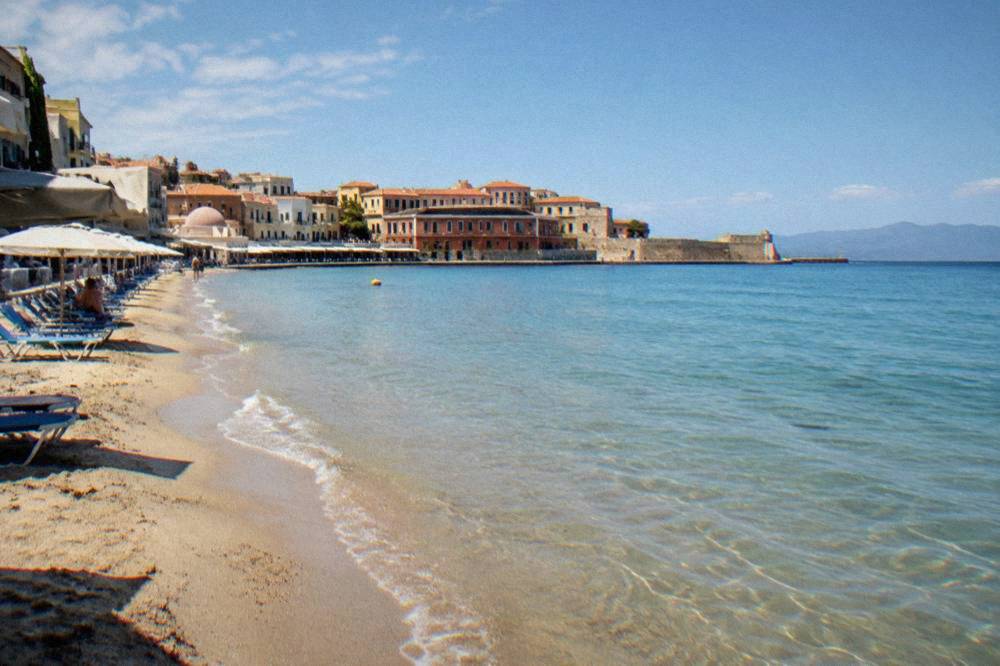
Nea Chora is the closest sandy beach to the centre, a residential quarter west of the Old Town with its own beach and tavernas on the water, while Agia Marina and Platanias further west are the established resort beaches, and Koum Kapi east of the harbour offers a seafront strip beside the old walls. Each pairs a swim option with a different kind of stay.
Nea Chora suits visitors who want the Old Town reachable on foot but a quieter base at night. The quarter has its own detailed page, Nea Chora, and its beach sits at the end of the western harbour approach. Koum Kapi runs along the sea road below the eastern walls, a line of small hotels and cafes above the water. Neither requires a car for the harbour, the markets or the museums.
Agia Marina and Platanias, west of the city, are the resort belt: sandy beaches, water-sport stands and the longer rows of hotels and apartments. The pair has its own guide, Agia Marina and Platanias, and the resort decision is examined in which is the best resort to stay in Chania. The Akrotiri peninsula east of the city adds a third beach option, with coves such as Stavros and Marathi and the well-known steep path at Seitan Limania; see Seitan Limania and Marathi Beach before choosing that side.
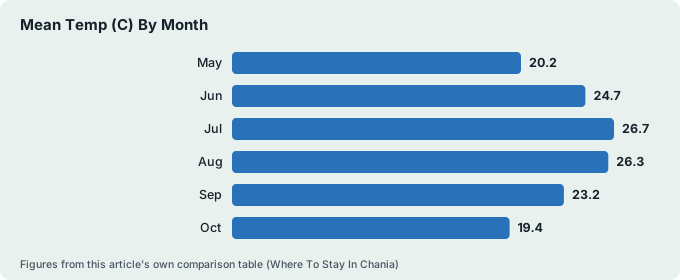
For swimming seasons, the HNMS Chania Souda station table, station records 1958 to 2010, gives the shape of the year: mean temperatures of 20.2 C in May, 24.7 C in June and 26.7 C in July, with rainfall falling to 13.5 mm in May, 3.4 mm in June and 1.0 mm in July. The monthly detail sits in the weather guide, Chania weather. The table below compresses the numbers that matter for planning a beach-side month.
| Month | Mean temp (C) | Rain (mm) | Rain days |
|---|---|---|---|
| May | 20.2 | 13.5 | 4.2 |
| Jun | 24.7 | 3.4 | 1.2 |
| Jul | 26.7 | 1.0 | 0.4 |
| Aug | 26.3 | 1.4 | 0.6 |
| Sep | 23.2 | 15.4 | 3.2 |
| Oct | 19.4 | 67.7 | 9.3 |
Source for every figure: HNMS Chania Souda station, 1958 to 2010. October is where rain starts to matter again, at 67.7 mm across 9.3 rain days, which shifts the beach-area calculus toward the harbour and restaurant quarters for late-season stays.
Where To Stay In Chania On A Budget?
A budget stay in Chania usually means moving out of the Old Town core into Splantzia, Nea Chora or the residential streets of Halepa, where the same city is reachable on foot without the harbour-front premium, and then travelling in shoulder months when the climate table shows the dry season already running. No nightly rate is printed here, because no verified rate exists in the source material.
Splantzia, the quarter east of the harbour behind Koum Kapi, keeps guesthouses and small rooms within a short walk of the Old Town streets, and it has its own page, Splantzia and Topanas. Halepa, further east, is the quiet consular quarter where the Archaeological Museum stands; its guide is Halepa. Both trade harbour views for lower demand and more local life.
Budget levers beyond the neighbourhood choice are the standard ones: the KTEL bus network covers the region from the station on Kydonias street, with routes to Heraklion, Rethymno, Kissamos, Paleochora, Omalos and, in summer, Elafonisi, and the KTEL Chania buses guide explains the system. Fares are confirmed at the station, never printed here. The table below lists the levers in order of impact.
| Budget lever | What it changes | Where to check |
|---|---|---|
| Shoulder-season dates | Demand and availability drop outside July and August | Booking listings |
| Neighbourhood shift | Splantzia or Halepa instead of the harbour front | Accommodation listings |
| Bus over taxi | Regional routes from Kydonias street station | e-ktel.com and the station |
| Self-catering base | Apartment cooking against restaurant meals | Listing facilities list |
| Free sights | Firka Fortress grounds, harbour walk, beaches | City pages |
One cost item cannot be planned around: the climate crisis resilience fee, collected by the accommodation per room or apartment per night at seasonal rates by star category and for rentals. The amount is confirmed at booking, and no figure appears on this page.
Where To Stay In Chania With A Family?
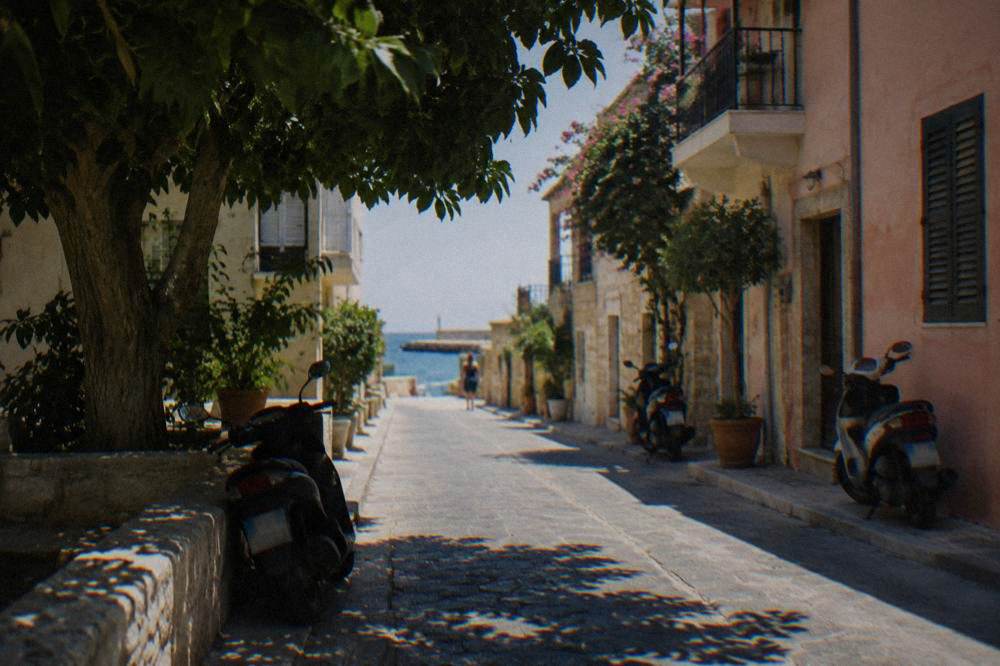
Families tend to do best in Nea Chora or the Agia Marina and Platanias strip, because both pair shallow city-side or resort beaches with apartment-style lodging, while the Old Town works when the children are old enough for cobbled streets and the harbour is the main draw. The family itinerary page, Chania with kids, builds the full plan.
The beach suburbs give the simplest structure: sandy entries, tavernas and space. Agia Marina has its own beach guide, Agia Marina Beach, and the calm, sheltered options on Akrotiri such as Kalathas and Marathi, each with a guide, suit younger swimmers. Lake Kournas, the freshwater lake inland, adds a non-beach day; its page is Lake Kournas.
From any base, the water-based half-days are the easiest family bookings: a short boat trip with a swim stop, a paddleboard session in calm water, or a two-island cruise out of the Old Port. The listing for each states the age policy and what is included, so families confirm the details there before booking. The trio below covers the harbour-side options.
Transport with children is simplest without a car in the city itself, and the getting around Chania guide lays out the options. For anyone weighing a hire car for the beach and gorge days, Chania car rental and driving in Crete cover the practical side, and no hire rate is printed anywhere on this site.
What Does A Stay In Chania Cost?
Beyond the room rate, which no page on this site quotes, a stay in Chania carries three known cost layers: the climate crisis resilience fee collected by the accommodation at seasonal rates confirmed at booking, the EUR 15 full or EUR 8 concession Archaeological Museum ticket, and the EUR 10 Samaria Gorge individual ticket if a gorge day is planned. Everything else depends on choices made on the ground.
The museum and gorge figures are the only printed entrance prices in the verified file. Firka Fortress grounds are free. Elafonisi, a Natura 2000 protected area, is reported to have free entry, with taking sand, shells or plants prohibited. At Balos, the only confirmed charge is a EUR 1 Kissamos municipal fee collected on the boat ticket for over-13s. A time-slot visitor cap of about 1,200 visitors per three hours was proposed in August 2026 and is not in force, so no cap is stated here.
| Cost item | Verified figure | Where it is confirmed |
|---|---|---|
| Climate crisis resilience fee | Collected per room per night, seasonal rates | At booking |
| Archaeological Museum, full ticket | EUR 15 | Museum visit page |
| Archaeological Museum, concession | EUR 8 | Museum visit page |
| Firka Fortress grounds | Free | On site |
| Elafonisi entry | Reported free | On site |
| Kissamos municipal fee at Balos | EUR 1, over-13s, on the boat ticket | Boat operator |
| Samaria Gorge individual ticket | EUR 10, NECCA e-ticket portal | NECCA portal |
The Samaria figure comes with a warning the sources are firm about. The gorge normally runs 1 May to 31 October, but storms in late September and early October 2026 destroyed sections of the path, staff call a 2026 reopening extremely difficult, no final decision is on record, and works are aimed at readiness in May 2027. Tour prices exclude the separate entrance and ferry charges. The full story, including why the gorge closes, is in the Samaria Gorge guide.
Food spending is the other open variable, and it is planned restaurant by restaurant. The Chania restaurants guide and Cretan food in Chania list where the city's cooking is centred, with posted prices the check the reader can always make.
How Easy Is It To Get Around From Each Area?
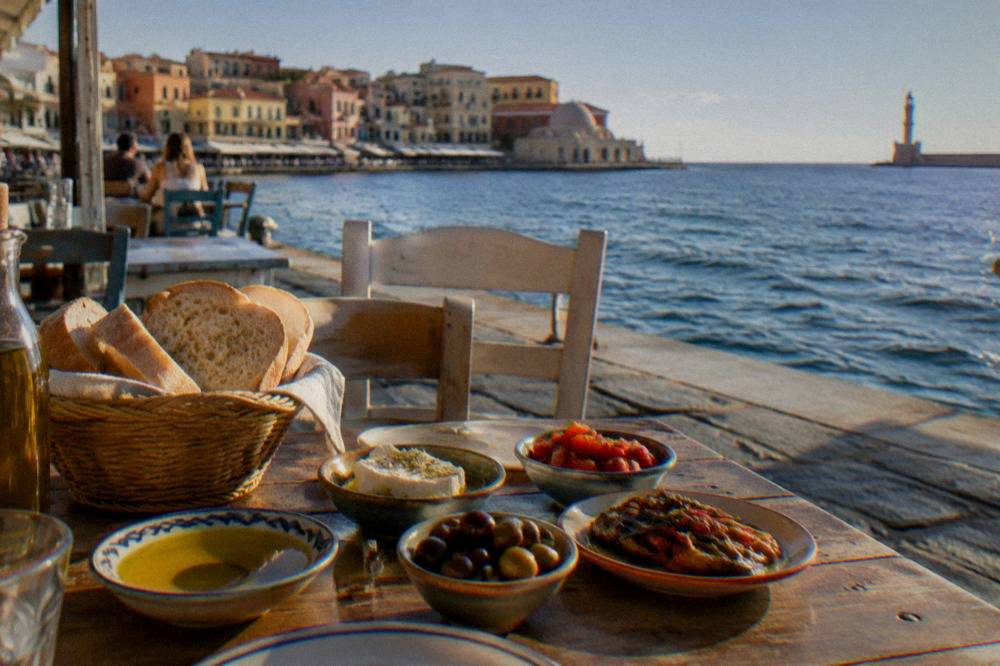
The Old Town, Splantzia, Koum Kapi, Nea Chora and Halepa form one walkable core connected along the sea front, the KTEL long-distance station sits on Kydonias street north-west of the centre, Souda port about 7 km east serves the Piraeus ferry, and the airport about 14 km away on Akrotiri is reached by the bus and taxi information listed on the airport's own site. No fare, timetable or frequency figure is printed, because none is verified for publication here.
The geography rewards a base chosen against the transport that matters. Arriving by air, the transfer question is covered in Chania airport to Chania town, with the airport's own page carrying the current bus and taxi information. Arriving by ferry from Piraeus, the Blue Star Ferries overnight sailing departs Souda about 21:30 with a crossing of about 9 h 15 min as the operator's published timetable shows, and that timetable is confirmed before travel. The Athens-side planning, flights against ferry, sits in Athens to Chania and flights to Chania.
| Origin or line | Distance or detail | Notes |
|---|---|---|
| Airport (CHQ) to centre | About 14 km, Akrotiri peninsula | Bus and taxi info on the airport site |
| Souda port to Old Town | About 7 km east | Piraeus ferry, not excursion boats |
| Venetian Harbour | Excursion boats only | Sunset and island cruises leave here |
| KTEL station | Kydonias street | Regional routes, book at e-ktel.com |
| Railway | None on Crete | Buses and cars only |
Inside the core, walking covers the harbour, the markets, the two museum quarters and the Nea Chora beach. For the beaches of Akrotiri and the west, and for every gorge, a bus from Kydonias street or a hire car is the realistic option, which is exactly why the beach-suburb and city-centre decisions diverge for travellers without a car.
Where To Stay In Chania For Gorge And Beach Day Trips?
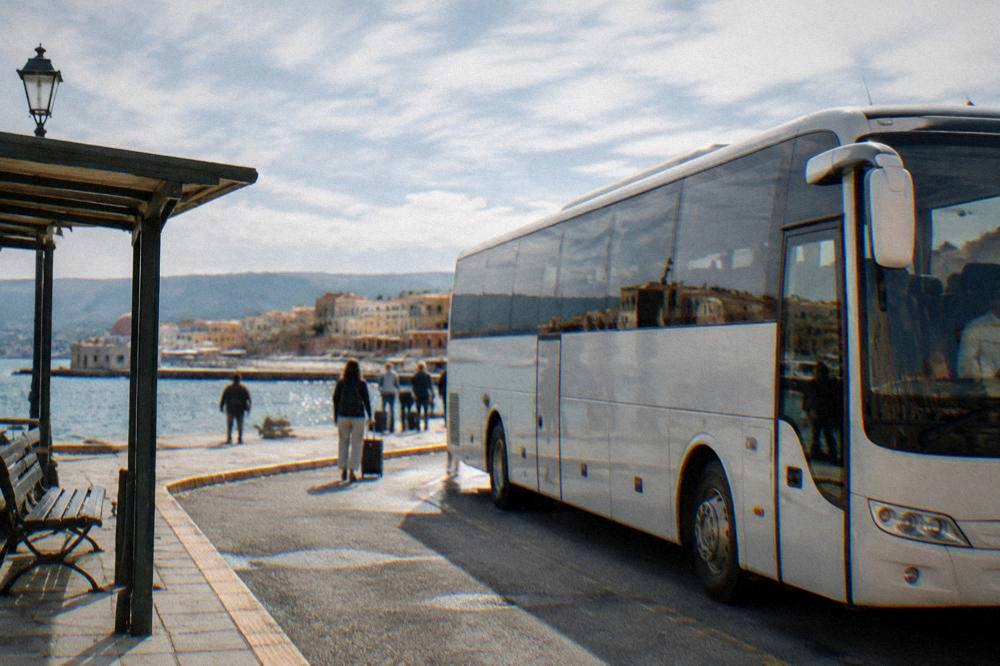
For a day-trip-heavy stay, the practical split is simple: gorge departures leave from the Omalos road via the KTEL station on Kydonias street, Balos and Gramvousa cruises leave from Kissamos port to the west, and Elafonisi is served in summer by a direct KTEL route, so a base near the station or on the western edge of the city shortens every departure. The trade-off is a longer evening walk back from the harbour restaurants.
The day-trip map from the city is wide. Balos and Gramvousa run from Kissamos port, with daily departures to 31 October 2026 on the operator's reported schedule, and the unpaved road from Kaliviani to a parking area followed by a walk down is the land alternative; the details are in Balos Lagoon and Gramvousa. Elafonisi, Falassarna, Imbros, Rethymno, Heraklion and Knossos, Loutro and Sfakia and the south coast all start from Chania, and the round-up page is best tours from Chania.
For the Samaria day, the route is one-way from Xyloskalo on the Omalos plateau down to Agia Roumeli, with boats from Agia Roumeli to Sougia or Chora Sfakion at about 17:30 and a KTEL bus back, as reported. Entry for the full walk runs 07:00 to 13:00 with everyone out of the park by 18:00, no swimming and no camping inside. The closure situation described above is checked on the NECCA status before any gorge day is fixed, and the comparison with the easier Imbros walk is laid out in Imbros Gorge and hiking in west Crete.
Tours that bundle transport solve the base problem entirely: a jeep safari or a guided gorge hike collects from the city and returns there, so the neighbourhood choice stops constraining the itinerary. The trio below gathers the three strongest day structures from the current roster.
How Many Days Should The Stay Be?
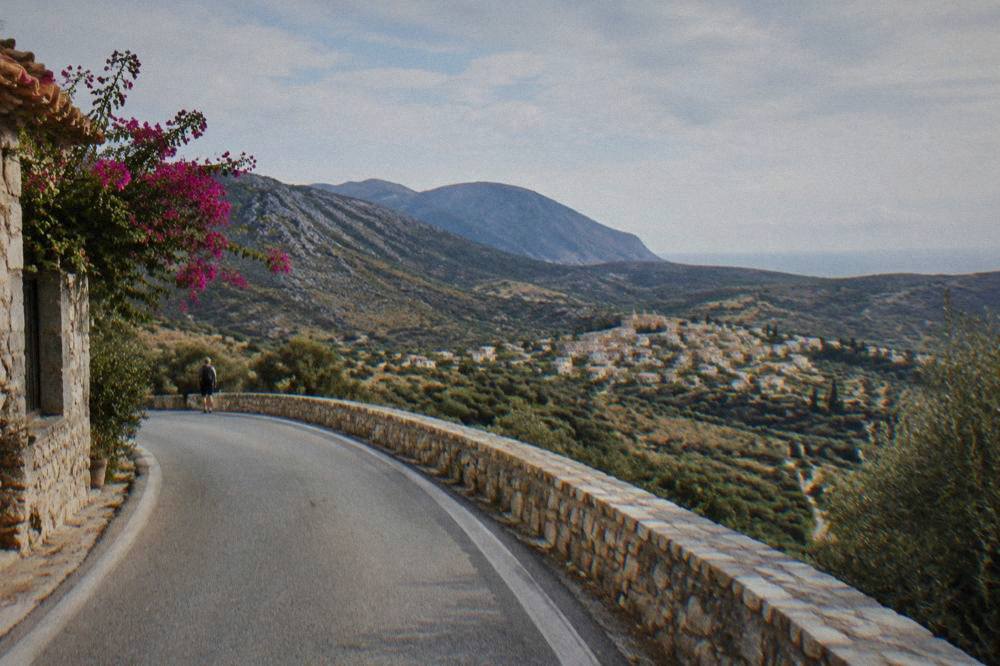
Two nights cover the Old Town, the harbour and one beach, three to four nights add a gorge or Balos cruise plus a second beach day, and five or more nights allow the far day trips such as Knossos and the south coast without rushing, according to the itinerary structure this site publishes for one, two, three and five-day stays. The full breakdown is in how many days in Chania.
The reasoning is distance. Balos and Elafonisi each consume a full day from the city, Samaria or Imbros a full day, and Heraklion and Knossos a full day on the eastbound KTEL route or a coach tour. A harbour-only stay of two nights skips all of those without loss. The itineraries published here, Chania in one day, Chania in two days, Chania in three days and Chania in five days, sequence the city and the day trips against exactly that arithmetic.
Season shapes the count as much as distance does. The best time to visit Chania page works the HNMS Chania Souda station table, records 1958 to 2010, month by month: July means 26.7 C with 1.0 mm of rain, while January carries 129.5 mm across 16.3 rain days, and January is the wettest month in that table while July is the driest. A five-night winter plan looks nothing like a five-night June plan, and the Chania in winter page covers the difference.
Common Questions About Staying In Chania
What is the best area to stay in Chania?
The best area depends on the trip: the Old Town for the Venetian Harbour and restaurants on foot, Nea Chora for a sandy beach beside the centre, Halepa or Splantzia for quieter residential stays, and Agia Marina and Platanias for a resort beach base west of the city. The detailed comparison is on the page what is the best area to stay in Chania, Crete.
Is Chania Old Town walkable from the beaches?
The Nea Chora beach is the closest sandy beach to the centre and connects to the Old Town on foot along the sea front. The resort beaches of Agia Marina and Platanias are further west and reached by bus or car. The question is answered in full in can you walk to a beach from Chania Old Town.
Is it better to stay in Chania or Heraklion?
Chania suits a west-Crete trip built on beaches, gorges and the Venetian Harbour, while Heraklion sits closer to Knossos and the east of the island. Both are compared in is it better to stay in Chania or Heraklion.
Do you need a car when staying in Chania?
A car is not needed for the city core, the harbour, the museums or the Nea Chora beach, all of which link on foot or by local transport. A car or the KTEL buses matter for Akrotiri, the western beaches and the gorges. The practical detail is in the getting around Chania guide.
How far is Chania airport from the city centre?
Chania International Airport "Ioannis Daskalogiannis" (CHQ) sits about 14 km from the city centre on the Akrotiri peninsula, near Souda. Bus and taxi information is published on the airport's own site, and the transfer options are covered in the airport to town guide.
Where do cruise passengers dock relative to the stay areas?
Cruise passengers dock at Souda Bay, and the connection from there into the Old Town is covered in is Chania walkable from cruise port and the Chania cruise port day guide.
Whichever quarter wins, the underlying rule holds: match the base to the transport, not the postcard. A harbour stay with no car, a Nea Chora apartment for the beach mornings, or a Platanias base for a full west-coast week each unlock a different Chania.