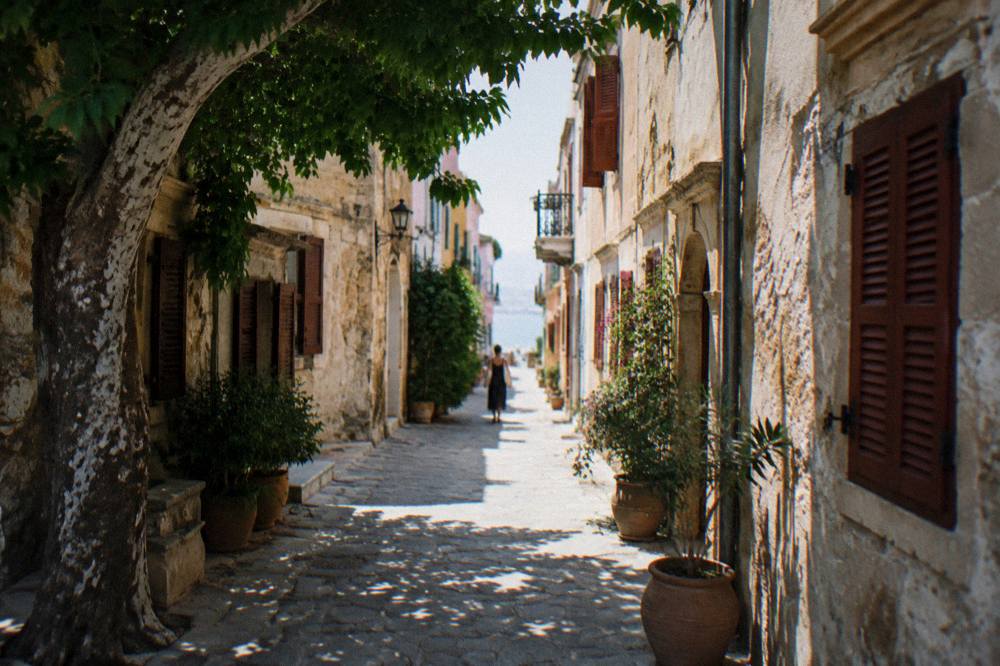
Chania Old Town
The Chania Old Town wraps around the Venetian Harbour on the north-west coast of Crete, a district of Venetian, Ottoman and later buildings layered over a harbour first built between 1320 and 1356.
Short answer
The Chania Old Town is the historic district around the Venetian Harbour: Firka Fortress, the lighthouse, the Neoria shipyards, the Archaeological Museum in Halepa and a web of lanes in Splantzia and Topanas, all walkable and served by KTEL buses from the station on Kydonias street.
Chania, a coastal city on the north-west coast of Crete in Greece, keeps its history concentrated in one walkable district: the Old Town around the Venetian Harbour. The harbour itself was first built between 1320 and 1356, with dredging works and a wall recorded in 1515, and every power that followed, Venetian, Ottoman and later the Greek state after the union of Crete with Greece in 1913, left a layer inside the same street plan. Today the district holds the municipality's densest cluster of sights, from Firka Fortress at the harbour mouth to the Archaeological Museum a short way out in Halepa, and it is the base from which the island's famous day trips to Balos, Elafonisi and the gorges are organised.
This page from the Chania Crete Travel Guide desk walks the district street by street: what the sights are and what each one costs, how to structure a day, where the food lanes run, what the weather station actually records, and how the Old Town connects to the beaches and day trips beyond it.
What Is The Chania Old Town?
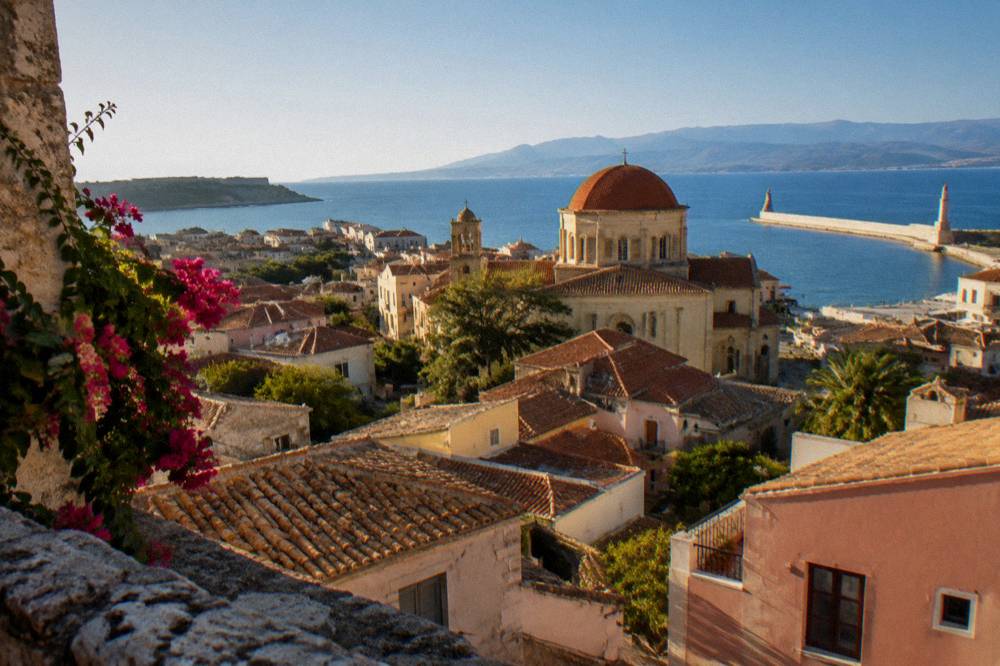
The Chania Old Town is the historic core of Chania, the city on the north-west coast of Crete in Greece, built around the Venetian Harbour and ringed by the remains of Venetian walls: the first walls went up from 1336 to about 1356, and the second circuit followed from 1536 to a design by Michele Sanmicheli. Inside that line the district is a compact web of lanes divided into recognisable quarters, with the harbour as the organising feature and the White Mountains (Lefka Ori) visible to the south on clear days. The municipality counted 111,375 permanent residents at the 2021 census across 356.12 km2, but the Old Town itself is small enough that everything in it is reached on foot.
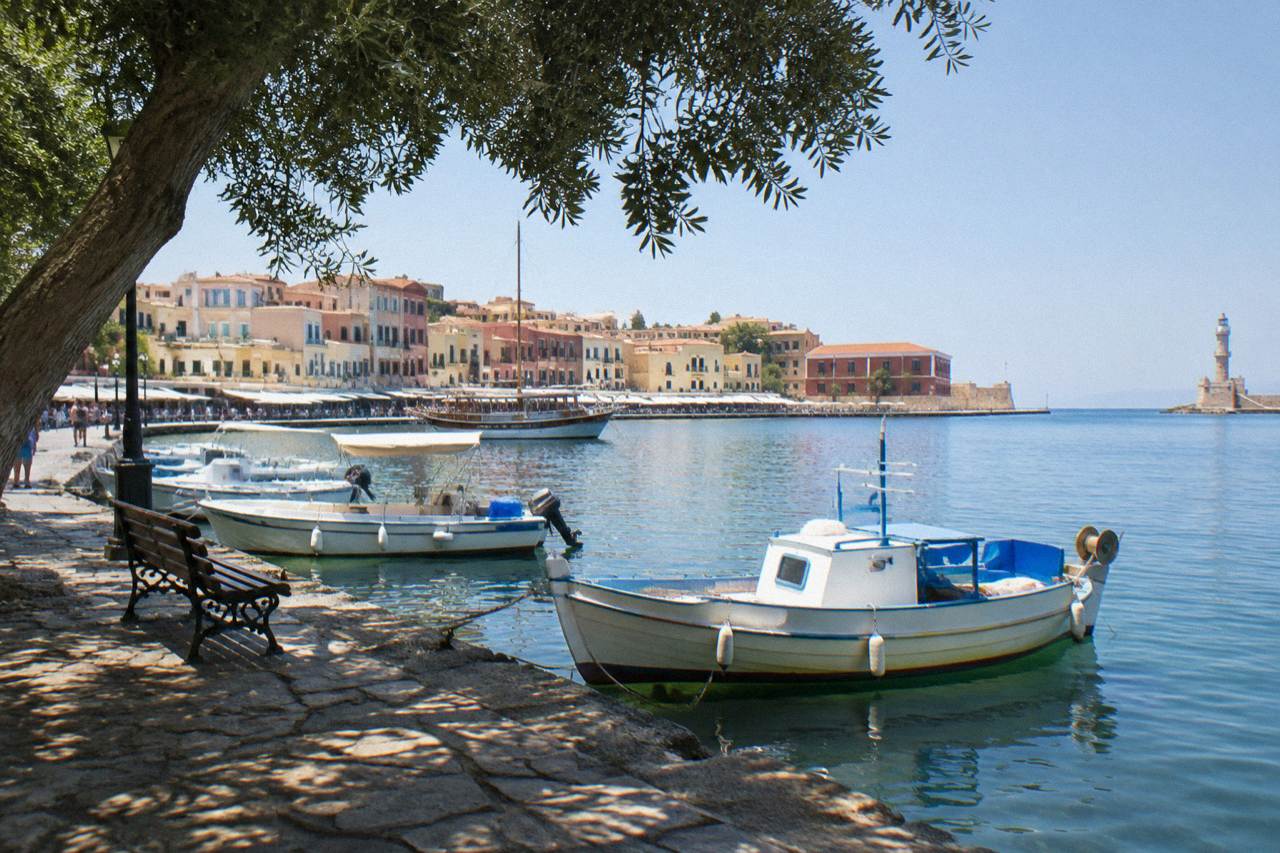
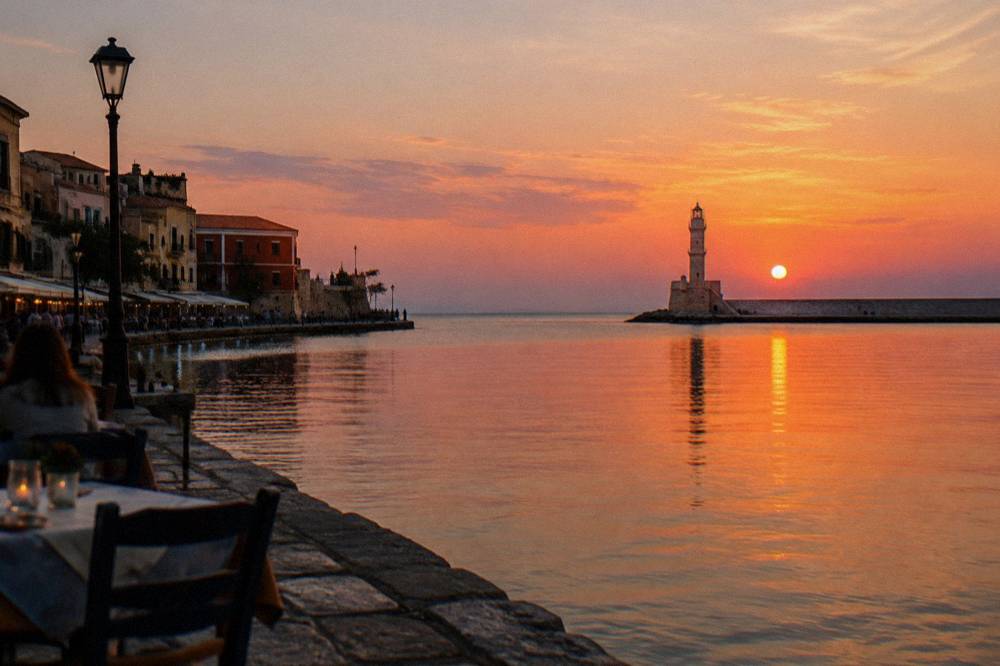
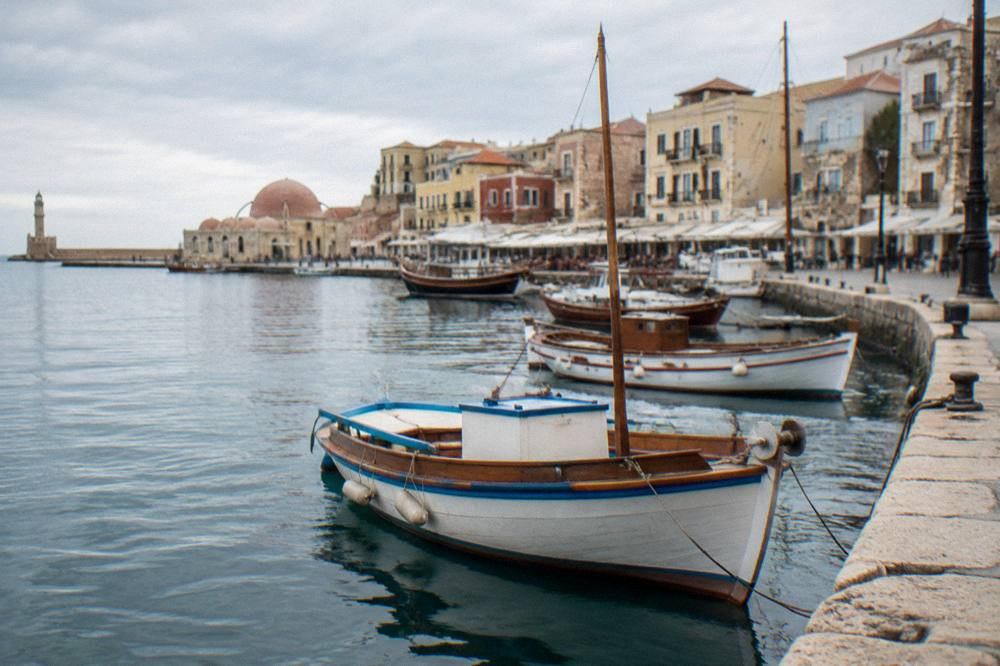
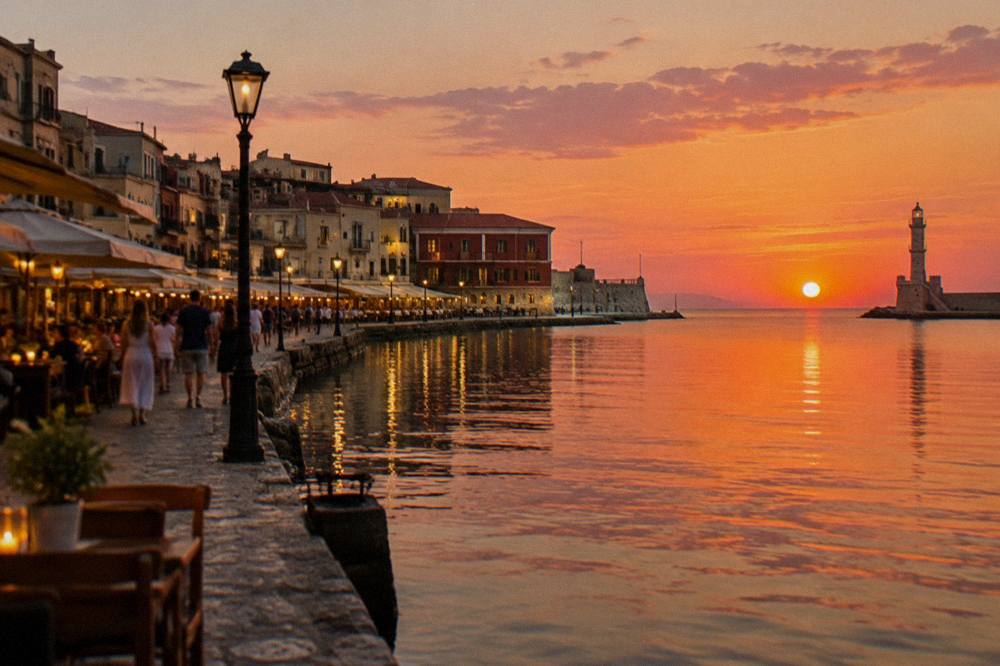
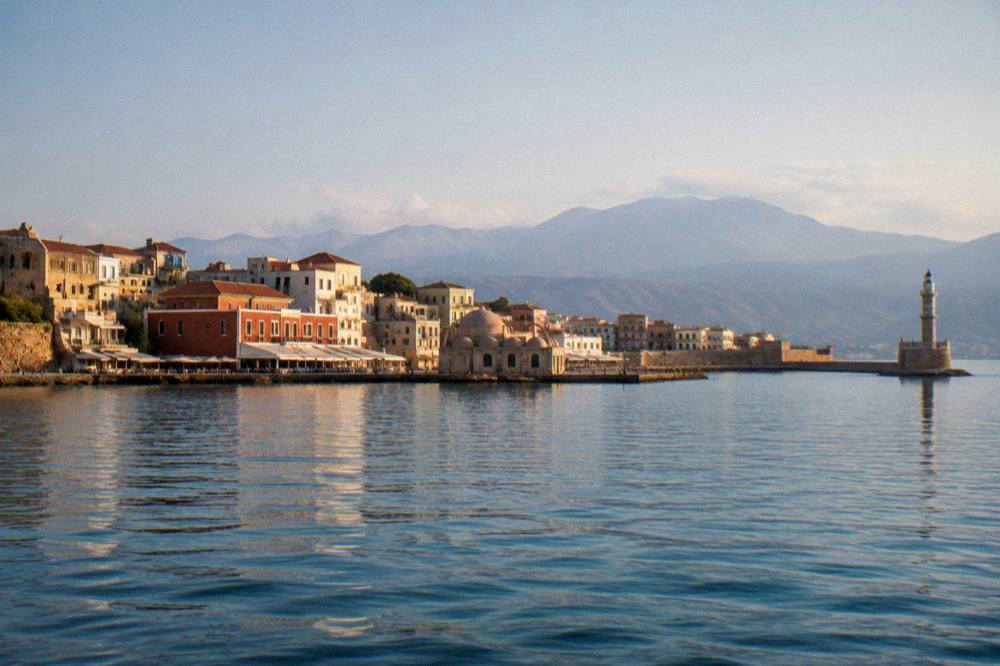
The harbour anchors everything. The Venetians built it between 1320 and 1356; the mole carries the lighthouse, constructed about 1595 to 1601 on a Venetian base and restored during the Egyptian period of the island's history between 1830 and 1840, with the light recorded operating in 1839. Along the north-east shore stand the Neoria, the Venetian shipyards: seven survivors of an original seventeen, built across the 15th to 16th century, their long arched sheds now used for exhibitions and events.
The layered history matters for reading the streets. Ottoman rule began with the conquest of Chania in 1645 and lasted until the union of Crete with Greece in 1913, and that stretch left mosques, fountains and timber-balconied houses threaded through the Venetian skeleton. The Old Town is therefore not a single-era showpiece: it is one district where a 1620 Venetian fortress, an Ottoman-era mosque and a municipal market of the Greek state sit within a few minutes of each other.
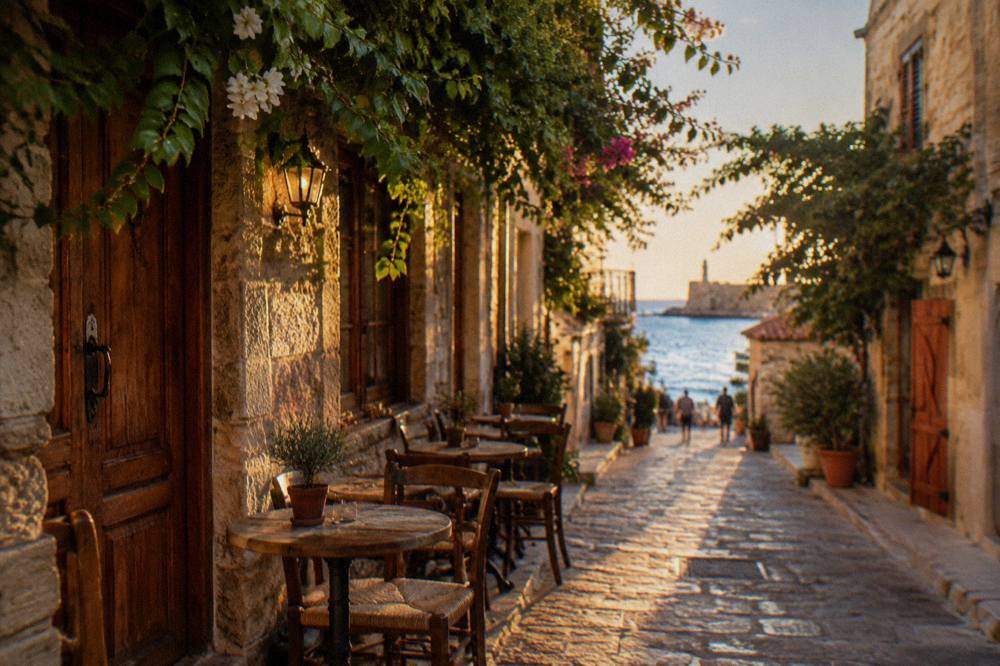
For orientation, the district breaks into quarters worth naming before you arrive. The harbour front and its immediate lanes draw the crowds; Splantzia sits east of the harbour around a shaded square; Topanas runs west of it below Firka Fortress; and Halepa, a short walk or quick ride east, holds the Archaeological Museum and the consular-era houses. Each has its own character, and the desk's Splantzia and Topanas and Halepa pages go deeper on both.
What Should You See In The Chania Old Town?
The core sights of the Chania Old Town are the Venetian Harbour and its lighthouse, Firka Fortress (built 1620, free grounds), the Neoria shipyards, the Mosque of the Janissaries on the harbour front, the Etz Hayyim synagogue in the old Jewish quarter and the Archaeological Museum at 15 Skra Street in Halepa, where the full ticket is EUR 15 and the concession EUR 8. That list is a full day at a calm pace, and every item on it sits inside or on the edge of the walkable district.
Start at the harbour mouth, where two structures face each other across the water. Firka Fortress was built by the Venetians in 1620 to guard the entrance; its grounds are free to walk, and the Maritime Museum of Crete sits inside the fortress, though its ticket prices and hours are not published in the sources this desk reports, so confirm on the museum's own page before going. Across the mole stands the lighthouse, the district's most photographed structure, on its 16th-century Venetian base with its Egyptian-era restoration of 1830 to 1840.
The Archaeological Museum of Chania is the one sight with a fully verified price: EUR 15 full, EUR 8 concession, at 15 Skra Street in Halepa. The museum's own visit page asks visitors to leave 20 minutes before closing, and its opening arrangements should be checked on that same page, since the published sources carry conflicting hours and the desk reports figures, not guesses. The Etz Hayyim synagogue, restored as a monument to the old Jewish quarter around it, is covered in detail on the site's dedicated page.
| Sight | What it is | Verified detail |
|---|---|---|
| Venetian Harbour | Harbour first built 1320 to 1356; wall and dredging recorded 1515 | Free to walk |
| Lighthouse (Faros) | Built about 1595 to 1601; restored 1830 to 1840 in the Egyptian era | Views from the mole |
| Firka Fortress | Venetian fort of 1620 | Grounds free; Maritime Museum inside, prices not stated |
| Neoria shipyards | Seven survive of seventeen built, 15th to 16th century | Exterior visible any time |
| Archaeological Museum | At 15 Skra Street, Halepa | EUR 15 full, EUR 8 concession; check the visit page |
| Municipal Market | Covered market hall in the old centre | See the market's own page for stall days |
| Etz Hayyim synagogue | Restored synagogue of the old Jewish quarter | Check visiting arrangements locally |
The desk's companion pages on the Venetian Harbour, the lighthouse and Firka Fortress carry the full history of each. For a single structured route through all of it, the one-day itinerary on this site strings the harbour, the quarters and the market together in walking order.
The harbour is also where the district's boat products depart, and a sunset cruise is the one excursion that starts and ends inside the Old Town itself rather than at a distant port. A guided sunset boat cruise runs from the old harbour with commentary on the waterfront's history, and the listing shows times, price and rating before you book; Check availability if an evening on the water fits the plan.
How Do You Spend A Day In The Chania Old Town?
A full day in the Chania Old Town runs naturally west to east and back: the harbour front and Firka Fortress in the cool of the morning, the lighthouse mole walk before the sun climbs, the lanes of Topanas and Splantzia through the middle of the day, the Archaeological Museum in Halepa in the afternoon, and the harbour front again at sunset, when the boats return and the restaurants fill. Nothing in that route needs a car, and the whole day can be run on foot with one longer walk out to Halepa and back.
Morning is the harbour at its best functionally as well as visually: the excursion boats load at the mole, the fish market side of the old harbour is working, and the light on the lighthouse comes from the east. Walk the mole as far as it goes, then loop back through Firka Fortress grounds, which are free, before the fortress-front lanes heat up. The desk's answer page on whether the Old Town is walkable covers the practicalities of the route, including the surfaces and the distances between quarters.
Midday belongs to the interior lanes. The Municipal Market sits at the heart of the district, and this site's market page covers what it holds; market day arrangements should be confirmed locally, since no verified stall schedule is in the sources. Around the market, the food lanes of Splantzia and the quieter corners behind the harbour hold the district's older eateries, and the desk's restaurants and Cretan food pages list the verified ones. A guided old town walk with street food tastings is the product version of this: it covers the lanes and the bites with a local guide, and the token below renders the current price and rating from the listing.
Afternoon options split by energy. The Archaeological Museum in Halepa is the indoor choice, with its EUR 15 full ticket. The outdoor choice is a swim: the nearest sand is at Nea Chora, west of the harbour, and the desk's answer on walking to a beach from the Old Town gives the practical picture. Sunset is the harbour front again, or the water: a short guided sunset cruise is easy to fit after a full sightseeing day, and the second tour band below shows how it compares with the bigger day trips out of the city.
Where Should You Eat In The Chania Old Town?
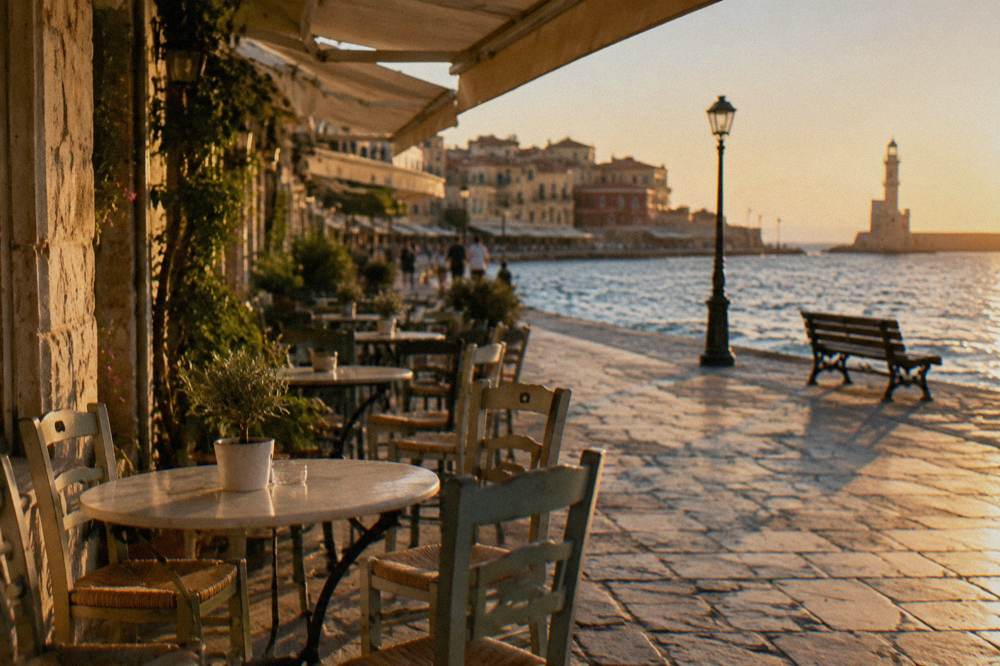
Eating in the Chania Old Town runs from the harbour-front restaurant row, where the setting carries a premium and the bill should be checked as it is itemised, to the lanes of Splantzia and the streets behind the Municipal Market, where the city's older kitchens and the shops selling Cretan products sit, and where dishes such as bougatsa, a sweet or savoury pie, are a local habit rather than a visitor product. The desk's rule is the reader's rule: posted prices and an itemised bill tell you more than any generalisation.
The verified food facts about Chania are specific. Bougatsa has its own tradition in the city, covered on this site's dedicated bougatsa page. Cretan cooking in Chania leans on olive oil, cheese, honey and mountain greens, and the food pages on this site list what the sources verify rather than what a menu might claim. For cooking rather than eating, a cooking class in the White Mountains takes the day out of the city and into the villages, and the small-group format is spelled out on the listing.
| Food experience | Where | What the sources say |
|---|---|---|
| Bougatsa | Old Town bakeries | A named Chania tradition; see the bougatsa page |
| Harbour-front dining | Venetian Harbour row | Check the itemised bill; setting carries a premium |
| Splantzia tavernas | East of the harbour | Older lanes, fewer harbour-front prices |
| Municipal Market produce | Centre of the district | Confirm stall days locally |
| Wine and oil tasting | City base or day trips | Products and operators on the tasting pages |
| Cooking class | White Mountains villages | Small-group, village kitchen, listing shows details |
Two food products on the roster fit the Old Town day directly. A walking food tasting tour in the town covers the lanes with tastings at a string of stops, and a four-product tasting tour to olive oil, wine, cheese and honey producers runs from the city as a full day. Both render their prices and ratings from the tokens; neither figure is typed here, because product figures come from the listing, not from the desk.
Is The Chania Old Town Walkable?
Yes: the Chania Old Town is walkable end to end, with every core sight, the harbour, Firka Fortress, the Neoria, Splantzia and Topanas, inside a compact street plan built before cars, and the one stretch that needs planning is the walk out to Halepa and the Archaeological Museum, which is still on foot or a short ride, while the airport is about 14 km away at Souda on the Akrotiri peninsula and the Piraeus ferry leaves from Souda port, not the harbour. The 2021 census puts 111,375 residents in the whole municipality, but the old core is small enough that shoes, not transport, decide the day.
The walking facts are plain. The lanes are narrow and stone-surfaced in places, the harbour mole is a flat out-and-back, and the quarters connect without a hill worth mentioning until the streets climb south away from the water. Cars are largely pointless inside the walls: parking is scarce, and the desk's parking guidance says the same thing in more detail. The long-distance KTEL bus station sits on Kydonias street, with routes to Heraklion, Rethymno, Kissamos, Paleochora, Omalos and, in summer, Elafonisi, so the day-trip buses are reachable from the old centre without a vehicle. The wider set of guides lives on Chania Crete Travel Guide.
Getting in and out is where distances need respect. Chania International Airport "Ioannis Daskalogiannis" (CHQ), operated by Fraport Greece, is about 14 km from the city centre, and the airport's own site carries the public bus and taxi information; the desk's airport to town page covers the transfer. The Blue Star Ferries overnight service to Piraeus departs Souda port, about 7 km east of the Old Town, at about 21:30 with a crossing of about 9 h 15 min as the operator's timetable publishes it, to be confirmed at booking.
| Journey | Distance or fact | What the sources say |
|---|---|---|
| Old Town to airport (CHQ) | About 14 km | Bus and taxi information on the airport's site |
| Old Town to Souda port | About 7 km east | Overnight Blue Star ferry to Piraeus, about 21:30, about 9 h 15 min |
| Old Town to Halepa | Short walk or ride | Archaeological Museum at 15 Skra Street |
| Old Town to Nea Chora beach | Walkable | Covered on the beach answer page |
| KTEL station | Kydonias street | Routes listed on e-ktel.com; no fares printed |
What Is The Weather Like In The Chania Old Town?
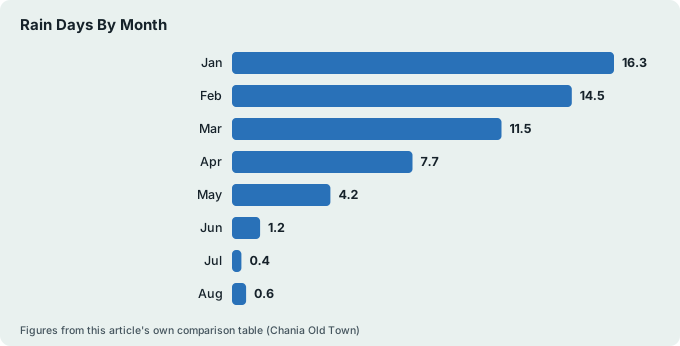
The Chania climate, as recorded at the HNMS Chania Souda station for the period 1958 to 2010, is Mediterranean with a warm dry summer and a mild wet winter: the mean temperature runs from 11.0 C in January and February to 26.7 C in July, while rainfall runs from 1.0 mm in July to 129.5 mm in January, with rain days falling from 16.3 in January to 0.4 in July. Those are station records at 148 m inland of Souda Bay, and they are the only climate figures this desk prints.
The table below is the station's own monthly data, labelled with its period. In it, January is the wettest month at 129.5 mm and July the driest at 1.0 mm, and July is the warmest at 26.7 C mean with a mean maximum of 30.7 C, while January's mean minimum is 7.9 C. Rain starts to matter again from October, which records 67.7 mm, and May through September is dry, with 13.5 mm in May and 1.0 mm in July. Humidity runs from 50 percent in July to 73 percent in January, and the prevailing wind is west, turning north-west in July and August.
| Month | Mean C | Mean max C | Mean min C | Rain mm | Rain days |
|---|---|---|---|---|---|
| Jan | 11.0 | 14.4 | 7.9 | 129.5 | 16.3 |
| Feb | 11.0 | 14.7 | 7.8 | 104.0 | 14.5 |
| Mar | 12.7 | 16.6 | 9.0 | 76.0 | 11.5 |
| Apr | 15.9 | 20.0 | 11.4 | 31.5 | 7.7 |
| May | 20.2 | 24.5 | 15.0 | 13.5 | 4.2 |
| Jun | 24.7 | 28.9 | 19.0 | 3.4 | 1.2 |
| Jul | 26.7 | 30.7 | 21.2 | 1.0 | 0.4 |
| Aug | 26.3 | 30.4 | 21.2 | 1.4 | 0.6 |
| Sep | 23.2 | 27.4 | 18.7 | 15.4 | 3.2 |
| Oct | 19.4 | 23.5 | 15.7 | 67.7 | 9.3 |
| Nov | 15.8 | 19.6 | 12.4 | 77.0 | 11.2 |
| Dec | 12.7 | 16.2 | 9.7 | 101.9 | 16.1 |
For the Old Town specifically, this data shapes the day. Summer afternoons push the mean maximum above 30 C in July and August, which is why the harbour-front walk and the mole are morning work and why the shaded lanes and the museum carry the middle of the day. From late October to March, rain days climb back into the teens per month, and the desk's rainy day and winter pages cover what the district offers when the sky closes. No monthly sea-temperature normal exists in the official record, so none is printed here.
Which Day Trips Start From The Chania Old Town?
The Chania Old Town is the standard base for west Crete's day trips: Balos lagoon and Gramvousa island by boat from Kissamos port, Elafonisi beach by road, the Samaria Gorge from the Omalos plateau, the Imbros Gorge as a shorter alternative, Falassarna on the west coast, and the long drives to Rethymno, Heraklion and Knossos, all reachable by tour pickup from the old centre or by KTEL bus from the Kydonias street station. Each has a verified access fact attached, and the caveats matter more than the distances.
Balos and Gramvousa cruises run from Kissamos port, with daily departures through to 31 October 2026 as the operators report. The only confirmed charge beyond the ticket is a EUR 1 Kissamos municipal fee collected on the boat ticket for over-13s. A time-slot visitor cap of about 1,200 people per three hours was proposed in August 2026 but is not in force, so no cap should be assumed. The drive option uses an unpaved road from Kaliviani to a parking area, then a walk down to the lagoon. The related tour on this page is the catamaran version, which includes meals, drinks and transfer, and the listing details what the from-price covers and what it does not.
Elafonisi is a Natura 2000 protected area with reported free entry, and taking sand, shells or plants from it is prohibited. Samaria Gorge normally runs 1 May to 31 October from Xyloskalo to Agia Roumeli, with the EUR 10 individual ticket sold through the NECCA e-ticket portal, free for EU residents under 18 and over 65, and boats from Agia Roumeli to Sougia or Chora Sfakion at about 17:30 followed by a KTEL bus back. But storms in late September and early October 2026 destroyed sections of the path, staff call a 2026 reopening extremely difficult, and works are aimed at readiness in May 2027: check the NECCA status before planning, and note that tour prices exclude the separate entrance and ferry fees.
| Day trip | Access from Chania | Verified detail |
|---|---|---|
| Balos and Gramvousa | Boat from Kissamos port, or road via Kaliviani | EUR 1 municipal fee on boat tickets for over-13s; daily departures to 31 Oct 2026, operator-reported |
| Elafonisi | Road, KTEL in summer | Natura 2000 area; reported free entry; no sand, shells or plants may be taken |
| Samaria Gorge | Bus to Omalos, walk to Agia Roumeli, boat and bus back | EUR 10 via NECCA portal; storm damage in 2026, check status |
| Imbros Gorge | Road to Imbros village | Shorter gorge walk; see the Imbros page |
| Falassarna | Road west | West-coast beach; see the Falassarna page |
| Rethymno, Heraklion, Knossos | KTEL buses from Kydonias street | Long day trips; no fares printed here |
The desk's dedicated pages on Balos lagoon and Gramvousa, Elafonisi beach, Samaria Gorge and the best tours from Chania carry the full detail on each, including the storm-damage caveat on Samaria in plain terms.
Where Should You Stay Around The Chania Old Town?
Staying in the Chania Old Town itself puts the harbour, the food lanes and the sunset front on the doorstep, at the cost of scarce parking and busy lanes in the season, while the neighbouring areas split the difference: Nea Chora adds a walkable beach to the west, Halepa offers a quieter residential quarter east of the centre, Splantzia keeps you inside the old fabric at lower intensity, and the resort strip at Agia Marina and Platanias moves you west toward the beaches. No hotel rate is printed here, because none is verified in the sources.
Like the sound of the harbour on your doorstep. Book a hotel room here.
The desk's where to stay in Chania page compares the areas in full, and the answer page on whether it is worth staying in the Old Town addresses the trade-off directly. One practical figure belongs in every stay conversation: accommodation collects the climate crisis resilience fee per room or apartment per night, with seasonal rates, and the amount is confirmed at booking rather than printed here.
The jeep option in that band is the land alternative to the Balos boat: a 4x4 safari from Kissamos takes the unpaved road to the lagoon with a guide driving, and it suits travellers who would rather skip the sea crossing. The listing shows the current price, rating and what transfer is included.
What Should You Know Before You Go To The Chania Old Town?
Before you go, the verified essentials are these: Greece uses the euro and has been in the euro area since 1 January 2001, it is a Schengen member with internal checks abolished since 26 March 2000, the European Entry and Exit System (EES) has been fully deployed across Schengen since 10 April 2026, and ETIAS is not yet in operation with no applications collected as of October 2026, so no ETIAS fee or start date should be assumed. Practical money matters inside the city come down to posted prices and itemised bills, not rules of thumb.
Three further specifics save trouble. The airport is about 14 km out at Souda on the Akrotiri peninsula, so arrival needs a bus or a taxi, with both described on the airport's own site. The ferry to Piraeus leaves from Souda port at about 21:30, never from the Venetian Harbour, which serves excursion boats. And the Neoria are seven surviving sheds of an original seventeen, so a walk past them is a walk past 15th to 16th century industrial buildings still in use, which is the kind of detail that turns a stroll into a sightseeing stop.
For longer plans, the desk's itineraries scale the district into whole stays: the one-day and two-day routes build outward from the Old Town to the beaches and the Akrotiri peninsula, and the money page of things to do in Chania indexes everything by kind.
Common Questions About The Chania Old Town
Is the Chania Old Town walkable?
Yes. The whole district, the harbour, Firka Fortress, the Neoria, Splantzia and Topanas, sits inside a compact pre-car street plan, and the walk out to Halepa and the Archaeological Museum is short. Cars are largely unnecessary, and the long-distance KTEL station on Kydonias street connects the old centre to the rest of Crete.
Can you walk to a beach from Chania Old Town?
The nearest sand is at Nea Chora, west of the harbour, and it is reachable on foot from the old centre. The desk's dedicated answer page covers the route and the practicalities.
How much does the Archaeological Museum of Chania cost?
The full ticket is EUR 15 and the concession is EUR 8, at 15 Skra Street in Halepa. Visitors are asked to leave 20 minutes before closing, and current opening arrangements sit on the museum's own visit page.
How old is the Venetian Harbour in Chania?
The harbour was first built between 1320 and 1356, with dredging and a wall recorded in 1515. The lighthouse at the mole was built about 1595 to 1601 on a Venetian base and was restored during the Egyptian period from 1830 to 1840, with the light recorded operating in 1839.
Where do the ferries leave from in Chania?
The overnight Blue Star Ferries service to Piraeus leaves from Souda port, about 7 km east of the Old Town, at about 21:30 with a crossing of about 9 h 15 min as the operator's timetable publishes it. The Venetian Harbour serves excursion boats only.
Is the Chania Old Town worth visiting in winter?
The district stays open year round, and the HNMS Chania Souda station table shows January means of 11.0 C against July's 26.7 C, with rain days of 16.3 in January against 0.4 in July. The desk's winter page covers what runs and what closes in the quiet months.