Ferry Piraeus To Chania
The overnight ferry from Piraeus to Chania docks at Souda port, not the Venetian Harbour. Here is what the operator's timetable shows, how the port connects to the Old Town, and how to plan the crossing.
Short answer
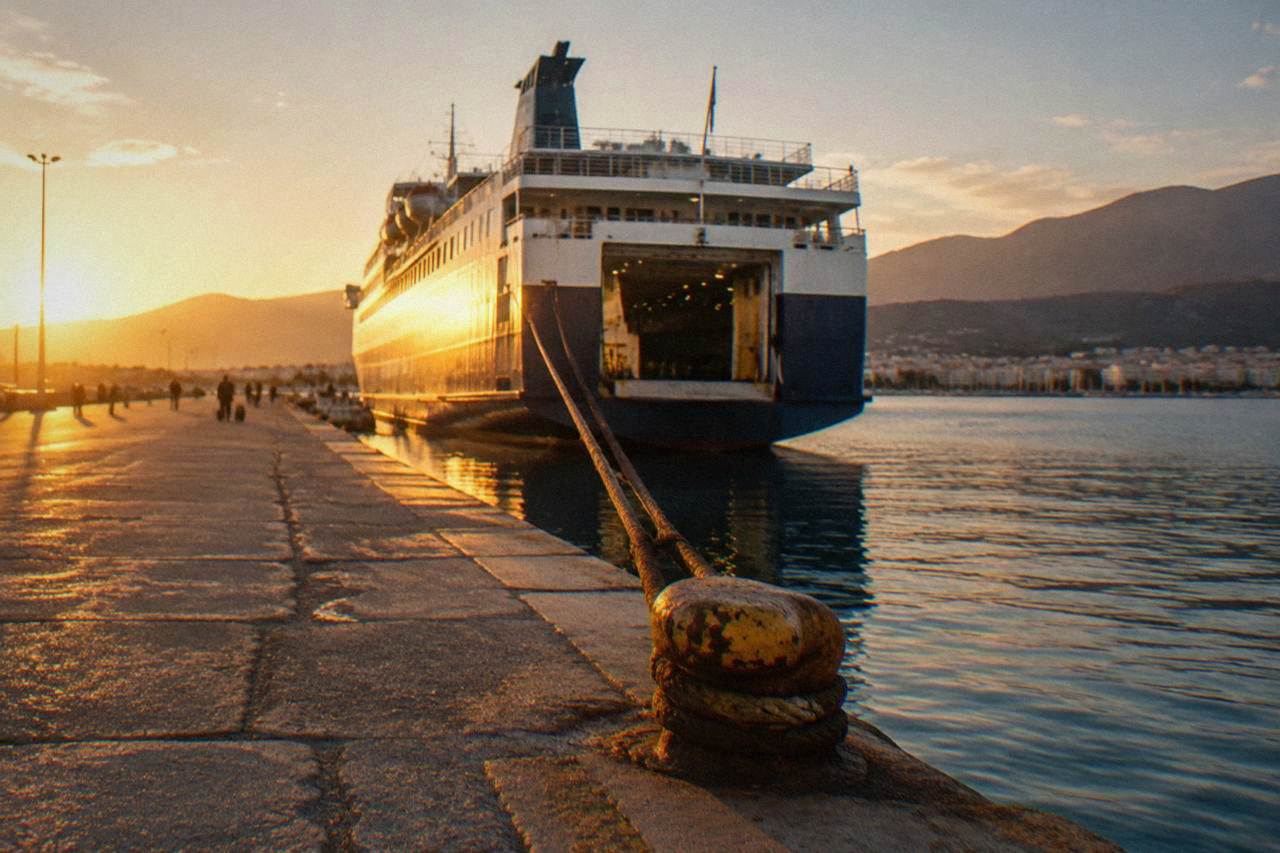
The Blue Star Ferries overnight service from Piraeus arrives at Souda port, about 7 km east of Chania Old Town. Departure is about 21:30 and the crossing takes about 9 hours 15 minutes, with fares confirmed at booking.
The ferry from Piraeus to Chania is an overnight crossing run by Blue Star Ferries, and it arrives at Souda port, about 7 km east of the Old Town, never at the Venetian Harbour, which serves excursion boats. Chania is a coastal city on the north-west coast of Crete, Greece, and the sea lane from Athens is one of two main ways to reach it, the other being flights into Chania International Airport. This guide lays out what the operator's route page shows, how the two ports fit into the journey, and what to plan around once the ship ties up at Souda.
The desk treats this page as a planning document rather than a review. Every operational claim below carries the source it comes from: the ferry operator's published timetable, the airport's own pages, and the KTEL bus network's route information. Where something is not published, the page says so instead of guessing.
How Long Is The Ferry From Piraeus To Chania?
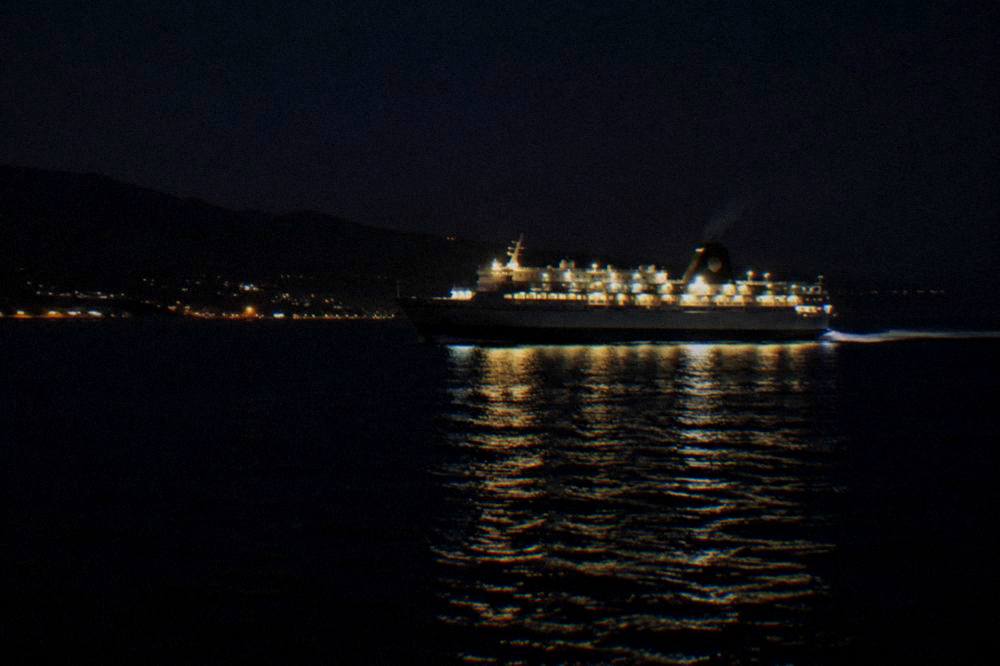
The Blue Star Ferries service from Piraeus to Souda is an overnight crossing that departs about 21:30 and takes about 9 hours 15 minutes, so the ship arrives at Souda port, about 7 km east of Chania Old Town, in the morning. These figures are the operator's published timetable at the time of writing and should be confirmed at booking, because seasonal schedules change.
The crossing length is the number that shapes the whole plan. A departure around 21:30 means boarding in Piraeus in the evening, sleeping aboard, and stepping off at Souda with a full day ahead. That rhythm is the reason the ferry competes with the flight for visitors who dislike early airport queues: the night does the travelling. The operator's route page publishes the timetable, and at the time of checking it was listed as far forward as 31 October 2026, which is a longer booking horizon than some Greek island routes offer.
Souda port sits on Souda Bay, a deep inlet east of the city, and the bay's shape is why the port exists at all: it shelters ships from the open Cretan Sea. The Venetian Harbour in the Old Town is far too small for a vessel of this size and serves excursion boats and small craft, so any instruction, taxi driver or map pin pointing a ferry passenger at the Old Town harbour is pointing at the wrong place. The route page confirms Souda as the Chania terminus.
Two practical consequences follow from the timetable. First, an arrival at Souda in the morning connects cleanly with day trips that leave Chania early, from the gorges and beaches of the west to Rethymno and Heraklion further east. Second, a late-evening departure from Piraeus means the Athens side of the trip needs a plan for luggage and dinner before boarding, since the port area at that hour is functional rather than charming. The Athens to Chania guide compares the ferry against the flight in more detail.
Which Port Does The Ferry Arrive At In Chania?
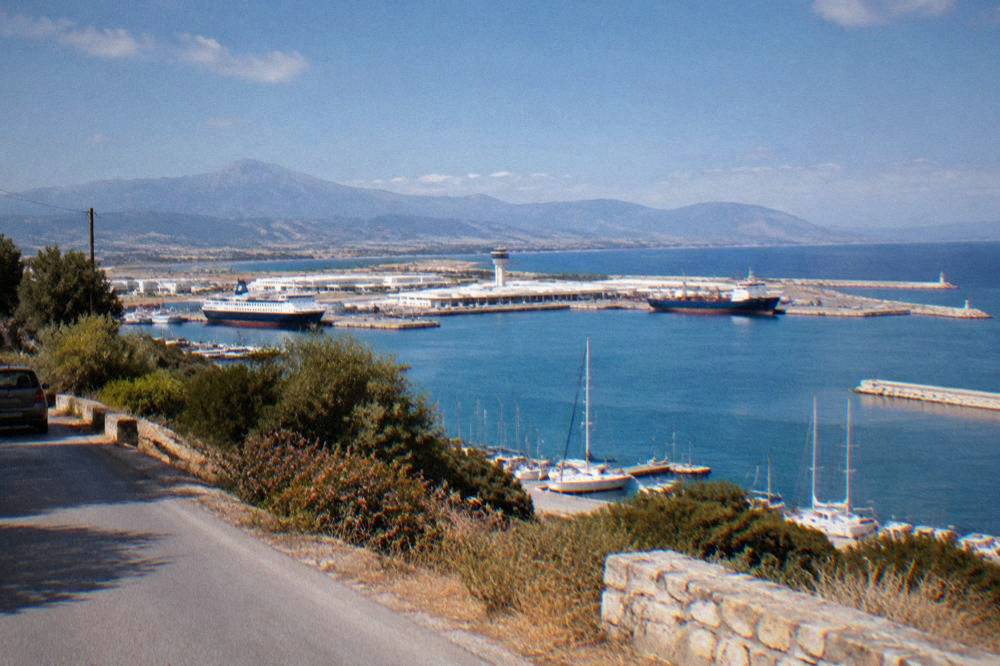
The Piraeus ferry arrives at Souda port, a working commercial harbour about 7 km east of Chania Old Town on Souda Bay, and not at the Venetian Harbour, which is a historic small-craft basin inside the Old Town used by excursion boats. Every transfer plan starts from Souda, and the distance to the centre is real: about 7 km to cover by bus, taxi or hire car.
Souda is a port town in its own right, with a bay that has served naval and commercial traffic for well over a century, and the ferry terminal sits among cargo and naval activity rather than beside tavernas. Arrivals walk off into a functional port zone with a road out, which is why the onward transfer matters more here than at a small island quay. Public KTEL buses and taxis serve the port, and the airport's own site likewise publishes public bus and taxi information for its passengers, a reminder that both transport hubs in the Chania area route people into the city the same two ways.
The 7 km figure comes from the operator and municipal descriptions of the port's position, and it converts to a short ride rather than a walk. Visitors staying in the Old Town, which wraps around the Venetian Harbour and its lighthouse, should budget for that transfer as part of the arrival plan, not as an afterthought. The where to stay in Chania guide maps the neighbourhoods by distance from both the port and the airport, and the getting around Chania guide covers the bus and taxi options in one place.
A note on Gavdos, since ferry research often pulls it in: boats to Gavdos, the island off Crete's south-west tip, do not run from Chania or Souda at all. They run from Paleochora and Sougia on the south coast, in season, and the desk publishes no timetable for them because none is verified. Gavdos is a separate project reached by road first, as the Paleochora guide explains.
Once the arrival side is settled, the rest of a Chania trip opens up, and a good share of it starts with a vehicle rather than a boat. Two of the most reliable ways to see the White Mountains and the south coast without self-driving are below.
How Much Does The Ferry From Piraeus To Chania Cost?
The fare for the Piraeus to Souda crossing is confirmed at booking on the operator's live pages, and this guide does not print a number, because ferry fares move with season, seat type and cabin choice and any figure dated today misleads a reader booking next spring. What is stable is the structure: deck seats, aircraft-style seats and cabins carry different price points, and vehicles travel for an additional charge.
Ferry pricing in Greece is dynamic, and the Souda route follows the market. The pattern worth knowing is that the crossing sells both accommodation-only tickets, where a deck or lounge seat carries the night, and cabins, which turn the ship into a floating hotel room. For a 9 hour 15 minute overnight crossing, that choice is the single biggest cost lever, outweighing the travel date, though high summer compresses everything upward.
What the desk can state with attribution is the shape of the alternative. Flying into Chania International Airport "Ioannis Daskalogiannis" (CHQ), about 14 km from the city centre on the Akrotiri peninsula, puts a different cost structure on the table: airline pricing rather than cabin class, plus the airport transfer. The flights to Chania guide and the Chania airport guide cover that side, and the Chania on a budget page compares the two approaches for cost-conscious travellers.
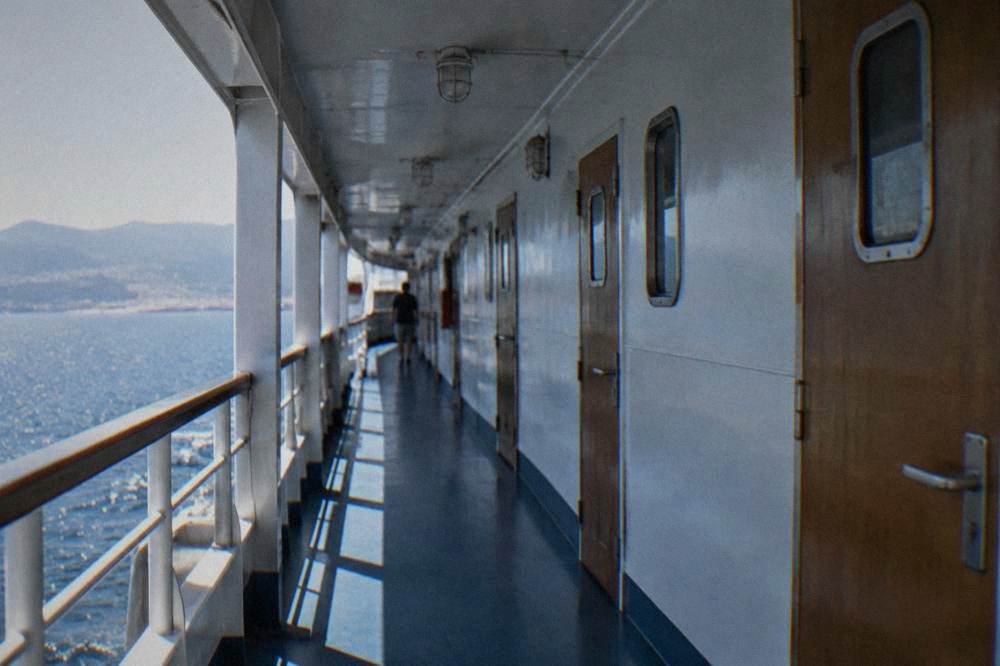
One cost item that is easy to miss: accommodation in Chania collects the climate crisis resilience fee, per room or apartment per night, at seasonal rates by star category. The amount is not printed here, and visitors confirm it at booking. It applies identically whether the night was spent in a hotel or aboard the ferry, it does not apply to the ferry itself, but it lands on the first hotel bill after arrival.
| Journey question | What the sources say | Where to confirm |
|---|---|---|
| Crossing time Piraeus to Souda | About 9 h 15 min, operator's timetable | Operator's route page at booking |
| Departure time from Piraeus | About 21:30, overnight service | Operator's route page at booking |
| Arrival port in Chania | Souda port, about 7 km east of the Old Town | Operator's route page |
| Fare | Not printed; moves with season and cabin type | Operator's live booking page |
| Venetian Harbour role | Excursion boats and small craft, not ferries | Operator's route page |
Ferry Or Flight From Athens: Which Is Better For Chania?
Neither mode wins outright: the ferry trades a longer journey for a night of accommodation and a car-carrying option, while the flight from Athens to Chania Airport takes a fraction of the time and lands 14 km from the centre. The operator's timetable shows the ferry as an overnight 9 hour 15 minute crossing, and the airport's own page gives the flying alternative, so the choice turns on budget, luggage and whether a vehicle is wanted on the island.
The vehicle argument is the ferry's strongest card. Crete rewards a car in the west, where Balos, Elafonisi and Falassarna sit at the end of long roads, and a vehicle driven aboard in Piraeus is a vehicle available at Souda at dawn. The alternative is hiring at the airport or in town, which the Chania car rental and driving in Crete guides cover, including the mountain-road realities of the White Mountains routes.
The time argument favours the plane, sharply. A night aboard is a night spent in transit even with a cabin, and the flight-and-transfer route from Athens compresses the whole journey to hours. Travellers connecting through Athens from outside Greece should also weigh connection timing: a 21:30 sailing pairs poorly with a mid-afternoon arrival into Athens unless the port transfer is comfortable, while the airport pairs with daytime connections. The blog answer on how long is the ferry from Athens to Crete works through the arithmetic.
| Factor | Overnight ferry to Souda | Flight to CHQ |
|---|---|---|
| Journey time | About 9 h 15 min overnight | Hours, airport to airport |
| Vehicle option | Cars carried aboard | Hire at the airport |
| Accommodation | Cabin or seat aboard the ship | Separate hotel night |
| Arrival point | Souda port, about 7 km east of Old Town | Airport, about 14 km from centre |
| Best for | Vehicles, slow travel, avoiding hotels | Speed and connections |
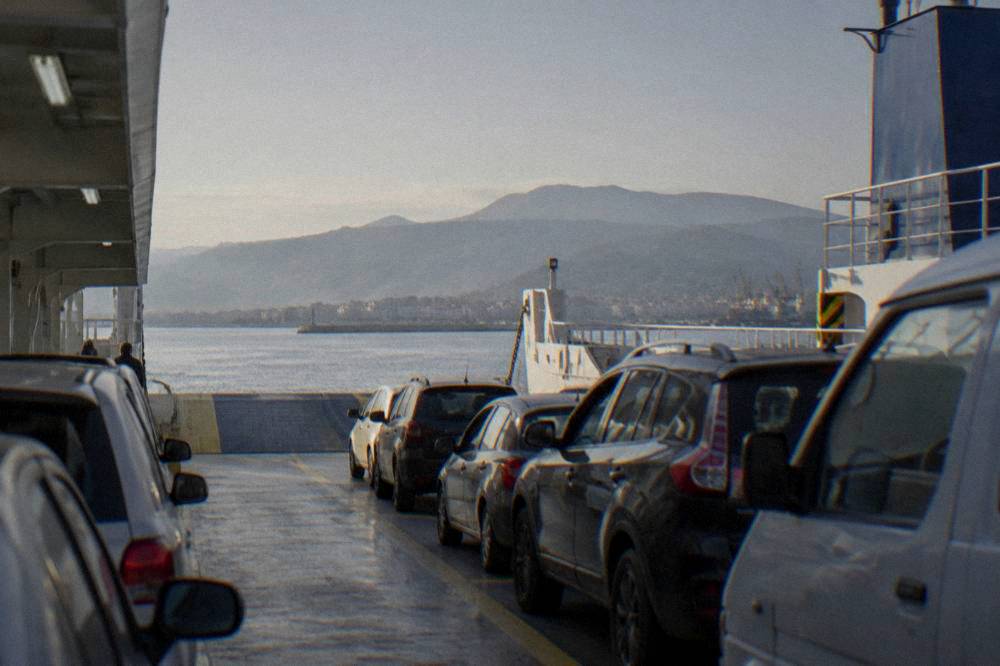
Whichever way the arrival happens, the days after it are the reason for the trip, and a guided day out is the simplest way to fill the first one without planning a route. Free cancellation is available on this listing, so a ferry-delayed arrival does not lock the schedule.
How Do You Get From Souda Port To Chania Old Town?
Souda port connects to Chania Old Town by public KTEL bus and by taxi, with the bus station in the city on Kydonias street serving as the hub for onward routes to Heraklion, Rethymno, Kissamos, Paleochora, Omalos and, in summer, Elafonisi, and fares confirmed on the day rather than printed here. The ride covers about 7 km from the port into the centre.
The KTEL network is the backbone of public transport in the Chania area. The long-distance station on Kydonias street lists routes across the region, and ferry arrivals at Souda feed into it. This matters beyond the first morning: a traveller who lands at Souda without a car can still reach Rethymno or Heraklion by bus, and can reach the trailheads and beaches of the west in season, though departure times thin outside summer. The KTEL Chania buses guide collects what is published.
Taxis fill the gaps, and the desk prints no fare for the Souda to Old Town run because none is verified on an official page; the airport's own site is the model here, listing taxi and public bus information without posting tariffs. What can be said is structural: Souda is a working port with a taxi rank serving each arrival, and the ride is short. A reader can verify the posted fare with the driver before setting off, which is the check that matters in any Greek port.
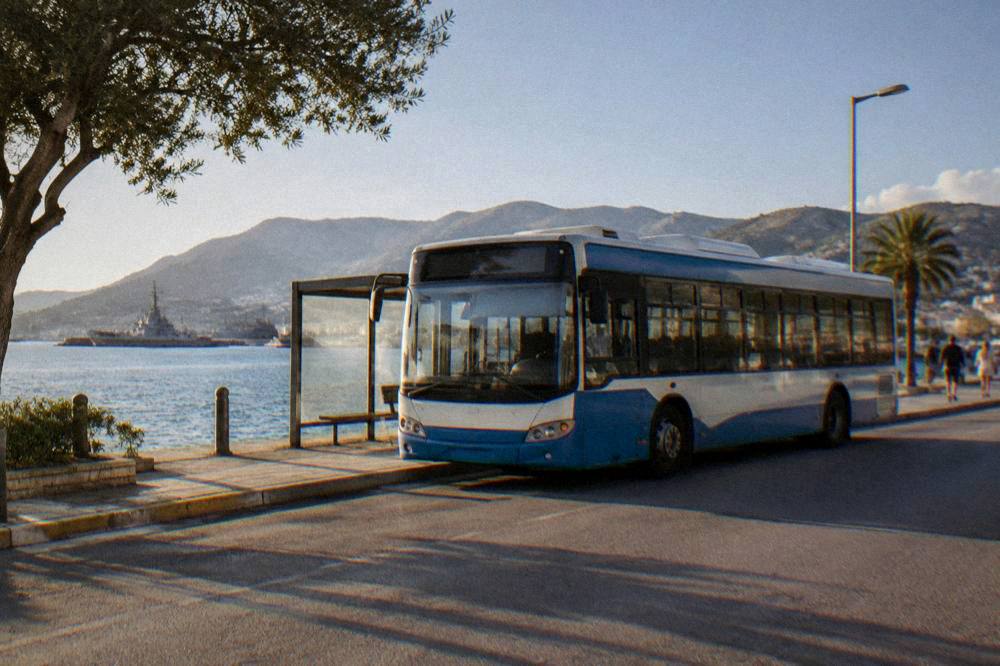
For arrivals continuing straight onward, the geometry helps. Souda sits between the airport, on the Akrotiri peninsula, and the Old Town, so a morning arrival can route either way without doubling back. The Chania airport to Chania town guide covers the airport leg of that triangle, and the principle is the same: hub, transfer choice, onward bus, all confirmable on the day.
What Is It Like To Arrive In Chania By Sea?
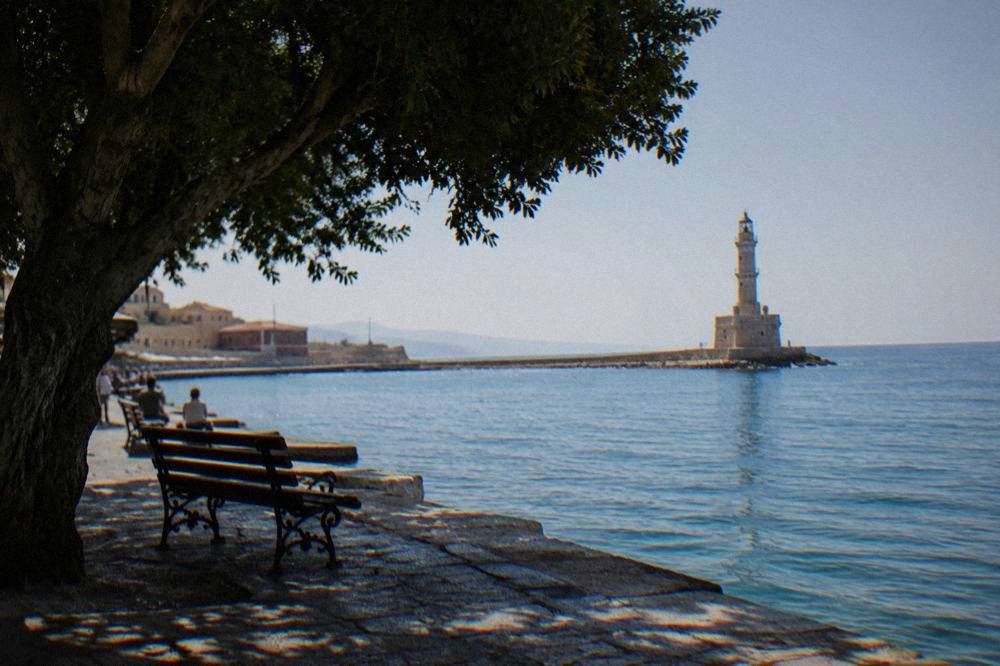
Arriving by sea puts the geography of north-west Crete on display before the ship docks: the White Mountains (Lefka Ori) rise south of the city, Souda Bay funnels the approach, and the city itself appears as a low spread around the Old Town and its Venetian Harbour, whose lighthouse stands on the harbour mole on a Venetian base with Egyptian-era restoration. The desk reports the landmarks, not a personal dawn.
The harbour the ferry passengers eventually stroll is not the one the ship used. The Venetian Harbour was first built between 1320 and 1356, with dredging and a wall recorded in 1515, and its lighthouse was built about 1595 to 1601 and restored during the Egyptian period of the 1830s, operating from 1839. The Neoria, the Venetian shipyards, survive as seven structures of the original seventeen from the 15th to 16th century. Those dated facts come from the site's verified history file, and the Venetian Harbour and lighthouse guides carry them in full.
Picture the lighthouse from the deck at dusk. Book a sunset cruise here.
Around the harbour, the Old Town stacks its districts: Topanas to the west, Splantzia to the east, the market and the streets behind. The Old Town guide maps them, and the answer page on is Chania Old Town walkable addresses the question ferry arrivals ask first, since a car driven off the ship is a car that then needs parking, a subject with its own parking guide.
| Landmark visible from the sea approach | What the record says |
|---|---|
| Souda Bay | Deep inlet east of the city; the ferry terminus sits on it |
| White Mountains (Lefka Ori) | Mountain range rising south of the city |
| Venetian Harbour | First built 1320 to 1356; a wall recorded 1515 |
| Lighthouse (Faros) | Built about 1595 to 1601; restored 1830 to 1840, operating 1839 |
| Neoria shipyards | Seven survivors of an original seventeen, 15th to 16th century |
When Is The Best Time Of Year To Take The Ferry To Chania?
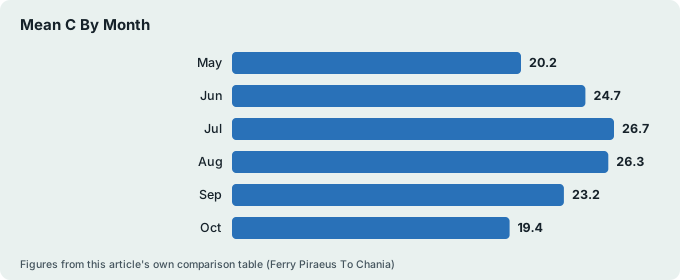
The HNMS Chania Souda station table for 1958 to 2010 shows the sweet spot for an overnight arrival: May to September is dry, with 13.5 mm of rain in May falling to 1.0 mm in July, while October jumps to 67.7 mm and January, at 129.5 mm across 16.3 rain days, is the wettest month in the table. The sea crossing is calmer to plan in the dry months, though the timetable runs year-round.
The climate record is worth reading before booking because it prices the seasons honestly. July and August average 26.7 and 26.3 C with almost no rain, which is peak season on the water and on the beaches alike. May and September sit at 20.2 and 23.2 C with 13.5 and 15.4 mm of rain, shoulder-season figures that pair well with a ferry arrival and a quieter Old Town. The full table and what each month means for the trip are in the Chania weather and best time to visit Chania guides.
| Month | Mean C | Rain mm | Rain days | What it means for the crossing |
|---|---|---|---|---|
| May | 20.2 | 13.5 | 4.2 | Dry shoulder month, calm plans |
| Jun | 24.7 | 3.4 | 1.2 | Peak-season build-up, dry |
| Jul | 26.7 | 1.0 | 0.4 | Driest month in the table |
| Aug | 26.3 | 1.4 | 0.6 | Warm, near-dry, busy |
| Sep | 23.2 | 15.4 | 3.2 | Warm sea, light rain returns |
| Oct | 19.4 | 67.7 | 9.3 | Rain matters again; check forecasts |
Source for all figures: HNMS Chania Souda station, station records 1958 to 2010. Prevailing wind is west, turning north-west in July and August, and humidity runs from 50 percent in July to 73 percent in January. No sunshine-hours figure beyond the roughly 2,600 hours a year the station data supports, and no monthly sea-temperature normal exists, so none is printed.
One seasonal trap specific to this route's onward plans: Samaria Gorge, the day trip many ferry arrivals schedule, normally runs 1 May to 31 October, but storms can close or delay it, and the NECCA status must be checked before the day is planned. The Samaria Gorge guide explains the ticket, the one-way route from Xyloskalo to Agia Roumeli, and the boats that meet hikers at about 17:30.
How Do You Plan A Chania Trip Around A Ferry Arrival?
A ferry arrival at Souda works best as day one of a multi-day plan: the morning lands at Souda, the transfer into the Old Town takes minutes, and the first full day can go to a beach or gorge trip, with the How Many Days In Chania guidance suggesting how many days fit which ambitions, from a one-day Old Town circuit to a five-day west Crete loop. The overnight crossing effectively adds a day to whatever the itinerary allows.
The itineraries on this site are built in day-count steps. The one day plan keeps to the Old Town and the harbour; two days adds a beach; three days and five days reach Balos, Elafonisi and the gorges; the west Crete one week plan uses the ferry's car-carrying advantage fully. A Souda arrival slots in front of any of them.
For the days after arrival, guided trips remove the driving question entirely. The desk highlights three below, each starting from the Chania area.
A quad or buggy safari out of Platanias, described on the operator's live listing rather than summarised from memory here, covers the coastal hinterland west of the city, and availability can be checked directly: Check availability. The quad and buggy safari from Platanias page on this site holds what is verified about it.
Loutro, the car-free village on the south coast reachable by boat, is the third leg of that picks band and pairs naturally with a ferry-based trip: two sea journeys in one week, one overnight and one across the Libyan Sea approaches. The Loutro and Sfakia guide covers the geography.
Common Questions About The Piraeus To Chania Ferry
How long is the ferry from Piraeus to Chania?
About 9 hours 15 minutes overnight, departing Piraeus about 21:30, per the Blue Star Ferries published timetable. Confirm the sailing at booking, as seasonal schedules change.
Which port does the Piraeus ferry arrive at in Chania?
Souda port, about 7 km east of the Old Town. The Venetian Harbour serves excursion boats only and never receives the Piraeus ferry.
How do you get from Souda port to Chania Old Town?
By public KTEL bus or taxi, covering about 7 km. The city's long-distance bus station on Kydonias street connects onward to Heraklion, Rethymno, Kissamos, Paleochora, Omalos and, in summer, Elafonisi.
Can you take a car on the ferry to Chania?
Yes, the overnight service carries vehicles for an additional charge, confirmed at booking. A car driven aboard in Piraeus is available at Souda on arrival, which suits the west Crete beaches and gorges.
Is the ferry cheaper than flying to Chania?
It can be, but no fare is printed here because ferry pricing moves with season, seat type and cabin choice. Compare the operator's live fare against the flight plus transfer before deciding.
Do ferries to Gavdos leave from Chania?
No. Boats to Gavdos run from Paleochora and Sougia on the south coast, in season, and no timetable is published on this site.
The crossing itself is the simple part of this route: one operator, one overnight sailing, one arrival port. The planning lives on either side of the water, in the Piraeus evening and the Souda morning, and in the days that follow across the Chania Crete Travel Guide coverage of the city, its beaches and its mountains.