Nea Chora Area Chania
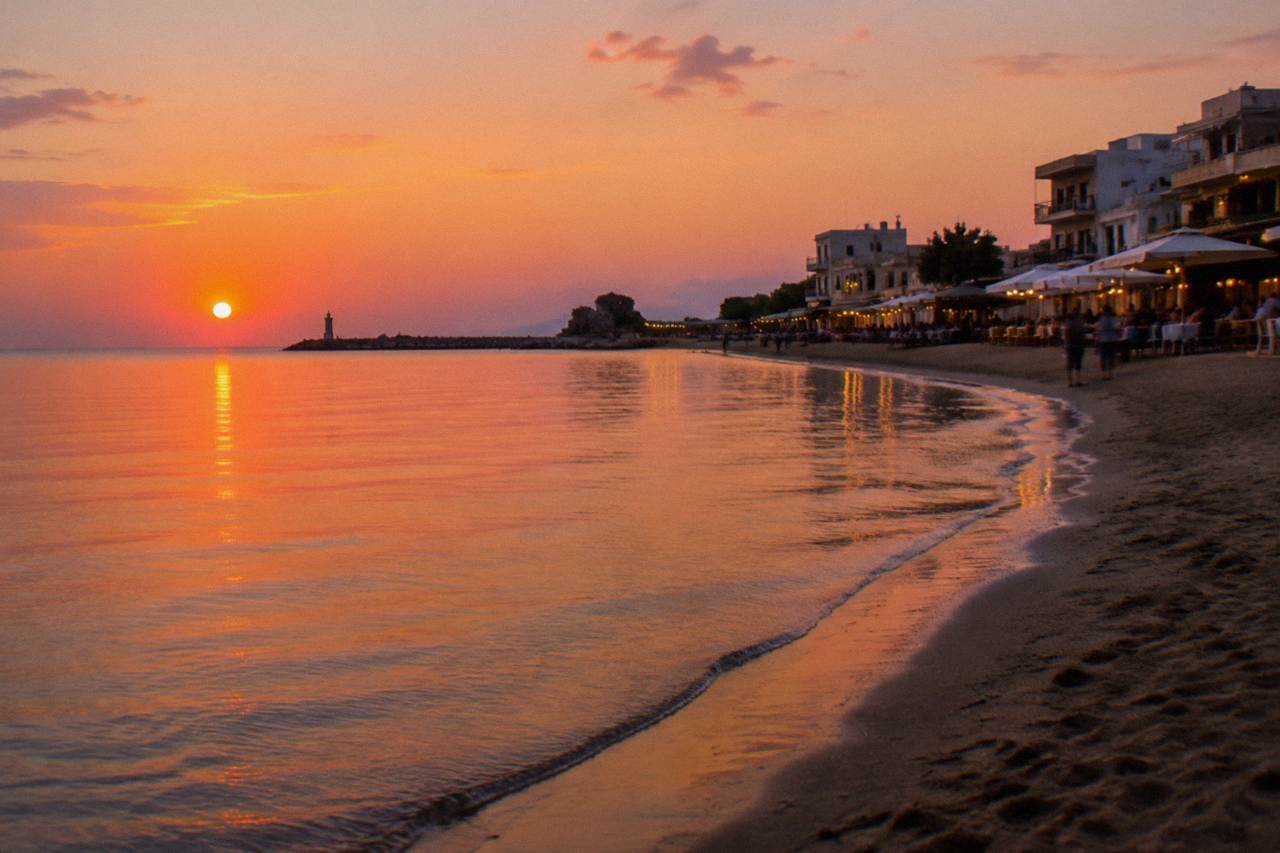
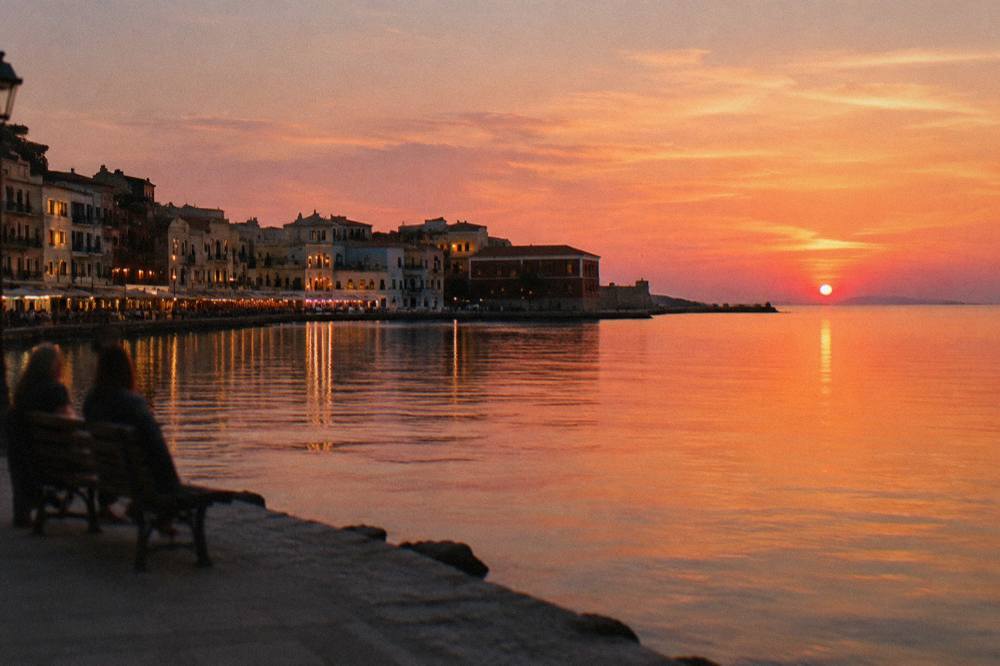
Nea Chora is the seafront district immediately west of Chania Old Town, built around the city's closest sandy beach and a small working fishing harbour, and it is the quiet base that puts both the Venetian Harbour and the beaches of western Crete within easy reach.
Short answer
Nea Chora is the coastal neighbourhood just west of Chania Old Town in Crete, Greece, known for its sandy swimming beach, its small fishing harbour and its row of seafood tavernas, and it works both as a relaxed place to stay and as a short walk along the seafront into the heart of the city.
Nea Chora is the seafront district immediately west of Chania Old Town, in the coastal city of Chania on the north-west coast of Crete, Greece. The district wraps around a sandy beach and a small fishing harbour, and it has become the answer to a question every visitor to Chania eventually asks: where can you swim in the sea, eat fresh fish and still walk into the Venetian Harbour in the same afternoon. This guide sets out what the area actually contains, how it connects to the rest of the city, and how it fits into the day-trip network that makes Chania the natural base for western Crete.
Where Is The Nea Chora Area In Chania?
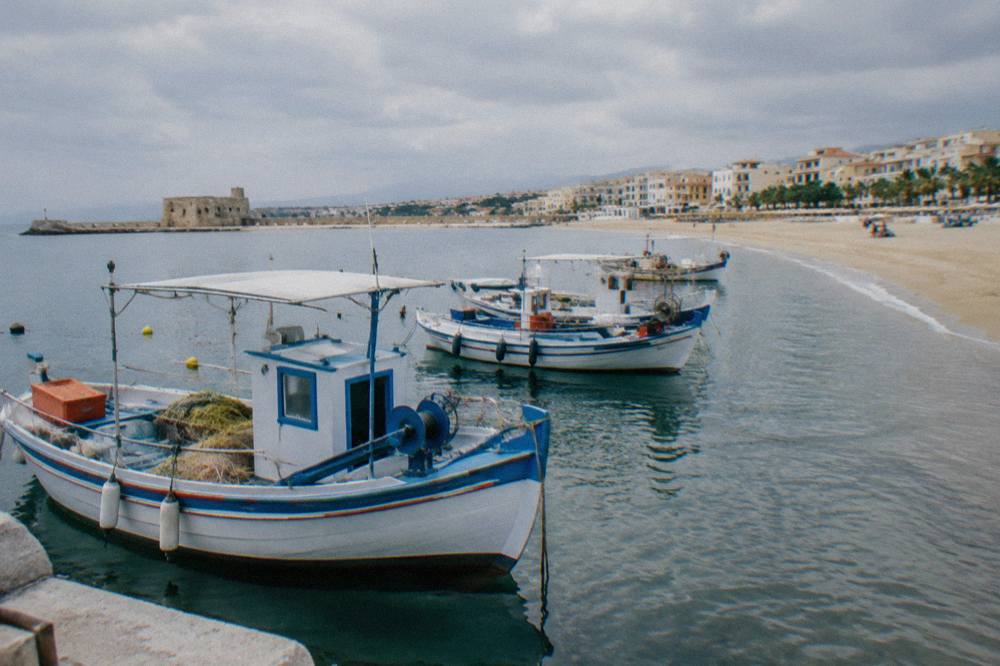
Nea Chora sits directly west of Chania Old Town, separated from the Venetian Harbour by a short seafront walk and anchored by its own sandy beach and fishing harbour, and everything in the district is reachable on foot from the Old Town walls. The city itself holds 111,375 permanent residents in its municipality according to the 2021 census, and the municipality covers 356.12 square kilometres, stretching from the Akrotiri peninsula in the east to the start of the wine and olive country inland. Nea Chora is one of the neighbourhoods that grew just outside the old fortifications, along the first stretch of coast that the city expanded onto once the walls stopped defining it.
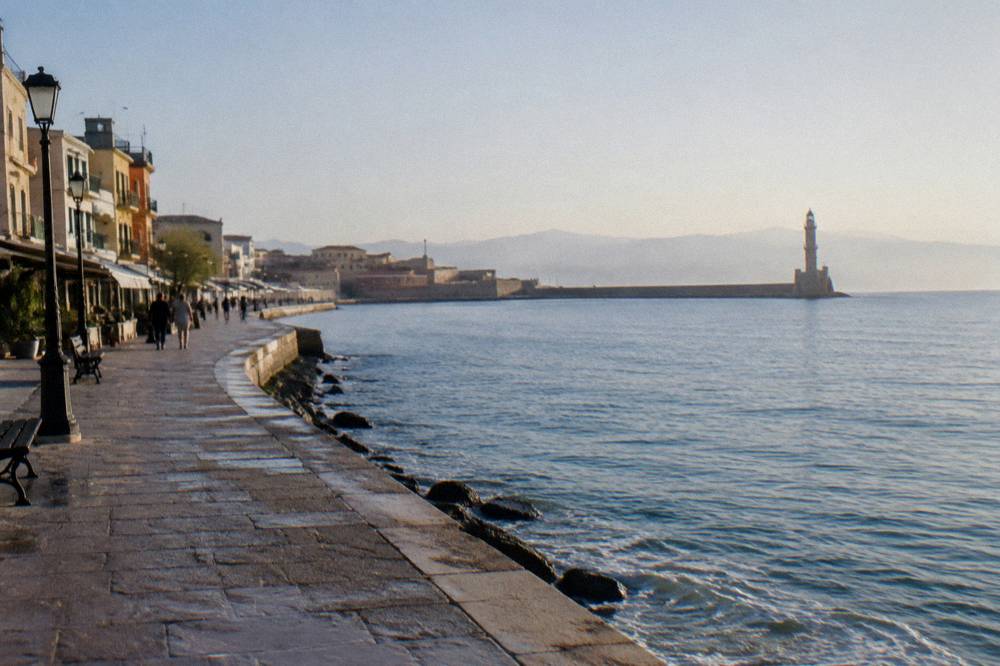
The geography matters for planning. The Old Town clusters around the Venetian Harbour, whose first works date from 1320 to 1356, with a wall recorded in 1515. The lighthouse at the harbour mouth was built about 1595 to 1601 and restored on its Venetian base during the Egyptian era, from 1830 to 1840, operating from 1839. Nea Chora begins where that harbour scene ends and the coastline straightens into a sandy bay facing the Cretan Sea. To the south, on clear days, the White Mountains sit on the horizon, a reminder that the gorges and south-coast beaches are only a long morning away.
| Fact | Detail |
|---|---|
| City | Chania, coastal city, north-west Crete, Greece |
| Municipality population | 111,375 permanent residents (2021 census) |
| Municipality area | 356.12 square kilometres |
| Setting | Seafront district west of the Old Town, on the Cretan Sea |
| Landmark anchor | Venetian Harbour, first built 1320 to 1356 |
| Airport | Chania International Airport "Ioannis Daskalogiannis" (CHQ), about 14 km from the city centre |
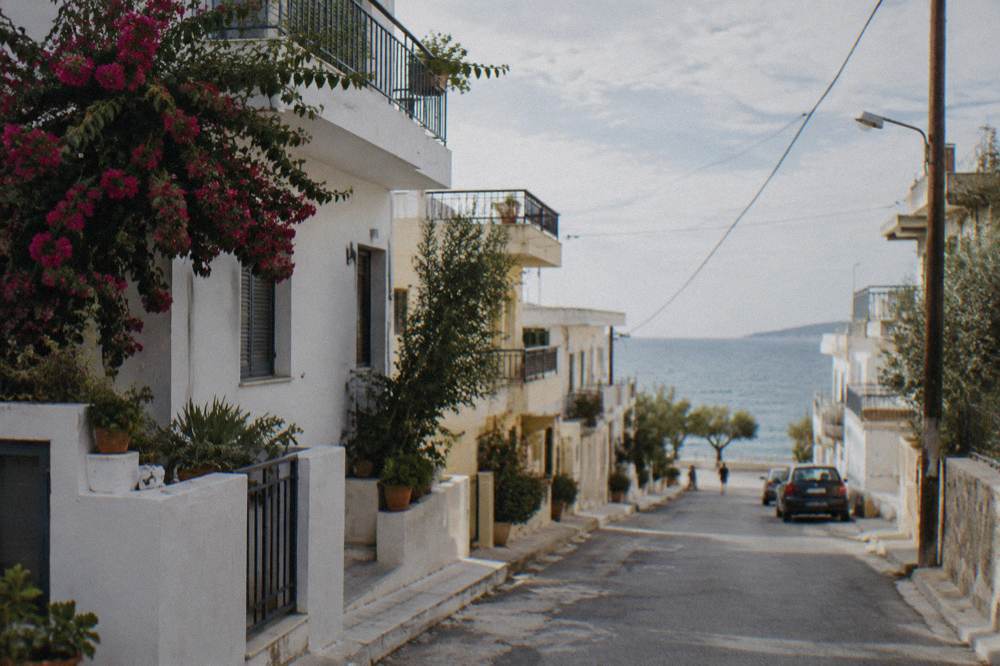
For orientation, the desk suggests starting from the harbour end: walk the seafront west past the Venetian Harbour, keep the sea on the left, and the taverna row of Nea Chora announces itself long before any sign does. The district is compact, flat and residential at its core, which is exactly why it appeals to a different traveller than the Old Town does.
What Is Nea Chora Beach Like?
Nea Chora beach is a sandy, shallow and city-served strip of coast that is the closest swimmable beach to Chania Old Town, with fine sand underfoot, calm water in normal summer conditions and a full line of tavernas and rooms directly behind it. The beach is the district's reason for existing in travel terms, and its full guide covers the practical detail. Unlike the famous lagoon beaches of the west coast, which are day trips, this is a beach you can use between breakfast and dinner without planning anything.
The comparison that matters is with the other swimmable options around the city. The beaches of the Akrotiri peninsula, such as Stavros and Marathi, and the resort strip of Agia Marina and Platanias further west, all require a bus, a taxi or a hire car. Nea Chora requires a walk. That single difference shapes the whole rhythm of a stay here: mornings in the sea, afternoons in the Old Town, evenings back at the taverna row with the fishing boats tied up a few steps away.
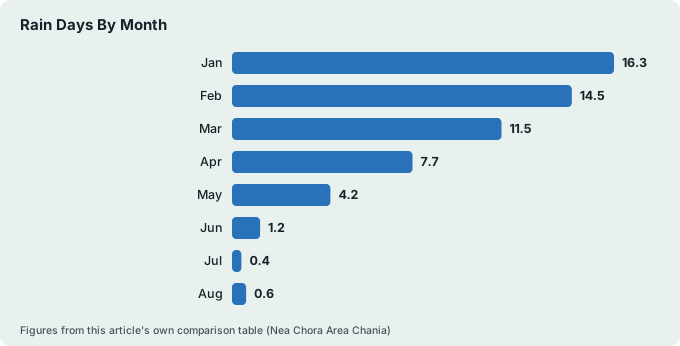
The water behaviour follows the season rather than any local quirk. The HNMS Chania Souda station table, covering station records from 1958 to 2010, shows the monthly pattern that governs swimming comfort, and no official monthly sea-temperature normal exists, so the desk does not print one. A live reading is the only sea figure worth quoting on any given day.
| Month | Mean temperature (C) | Rainfall (mm) | Rain days |
|---|---|---|---|
| Jan | 11.0 | 129.5 | 16.3 |
| Feb | 11.0 | 104.0 | 14.5 |
| Mar | 12.7 | 76.0 | 11.5 |
| Apr | 15.9 | 31.5 | 7.7 |
| May | 20.2 | 13.5 | 4.2 |
| Jun | 24.7 | 3.4 | 1.2 |
| Jul | 26.7 | 1.0 | 0.4 |
| Aug | 26.3 | 1.4 | 0.6 |
| Sep | 23.2 | 15.4 | 3.2 |
| Oct | 19.4 | 67.7 | 9.3 |
| Nov | 15.8 | 77.0 | 11.2 |
| Dec | 12.7 | 101.9 | 16.1 |
The table is labelled honestly: HNMS Chania Souda station, 1958 to 2010, at 148 metres inland of Souda Bay. May to September is the dry stretch, with July at 1.0 mm of rain across 0.4 rain days, while January carries 129.5 mm. Humidity in the same records runs from 50 percent in July to 73 percent in January, and the prevailing wind is west, turning north-west in July and August, the pattern locals call the meltemi in its general summer form.
Because Nea Chora is a base as much as a beach, the day-trip decision belongs in the same conversation. The two flagship beach excursions from Chania are Balos with Gramvousa and Elafonisi, and a cruise that bundles pickup from the Chania area with the boat ticket removes the two logistics that trip planners struggle with first: the transfer to Kissamos port and the ticket itself.
The Balos lagoon and Gramvousa island trips leave from Kissamos port, and the only confirmed charge there is a EUR 1 Kissamos municipal fee collected on the boat ticket for passengers over 13. The operator's listing covers the rest, including meals and transfer details where they apply.
Where To Eat In Nea Chora?
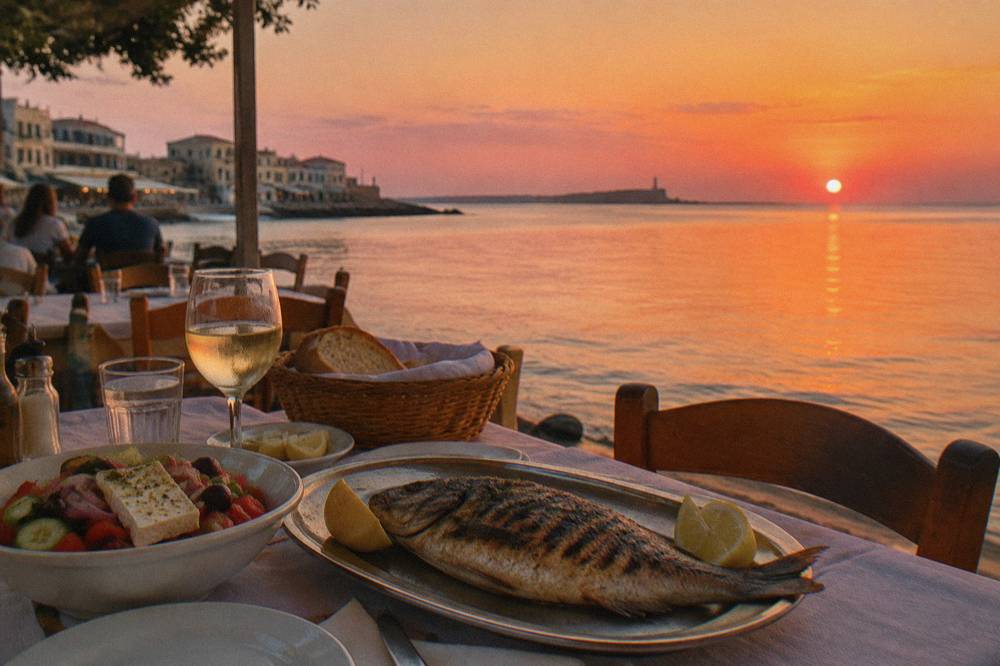
Nea Chora eats seafood, and the district's taverna row behind the beach is one of the city's concentrated fish-and-ouzo strips, with kitchens serving the day's catch a few metres from the boats that landed it and prices that visitors should simply read off the posted menu before sitting down. The fishing harbour is a working one, small but real, and the supply chain between it and the tables is short enough to see. The desk does not print menu prices, because none are verified and menus move with the catch, but every taverna posts its prices, and the check the reader can run is simple: read the board, look at the fish on ice, ask what the day brought in.
The food culture here is Cretan rather than international, which shapes what the plates look like. That means small dishes of wild greens, fava, grilled octopus, small fried fish and the island's olive oil and cheese, alongside the larger grilled catch. The Cretan food guide and the restaurant overview cover the wider city scene, and the bougatsa guide explains the breakfast pastry that Chania claims as its own.
For visitors who want the cuisine explained rather than just served, a cooking class turns the same raw materials into a lesson, and the mountains inland of Chania supply the villages where those classes often run. A class with a full Cretan meal is one of the higher-rated food products on the site's roster, and the listing carries the current price and availability.
The street-food walk is the other food format worth naming here, because it uses the Old Town and the market rather than a single kitchen. The municipal market sits between Nea Chora and the Old Town and remains the city's reference point for olive oil, cheese and herbs, so a market stop is the natural bridge between a Nea Chora morning and an Old Town afternoon.
Planning a full west-coast beach day as well as evenings in the tavernas? The Falassarna and Balos cruise with pickup and boat ticket included is the related trip the desk points Nea Chora visitors at, since pickup from the Chania area covers the district.
Is Nea Chora A Good Area To Stay In?
Nea Chora is a strong base for visitors who want a real swimming beach, quieter nights and self-catering options within walking distance of the Old Town, while travellers who want to wake up inside the historic core will prefer the Old Town itself, and the trade-off between the two is a short, flat walk along the sea. The district's accommodation runs toward small hotels, rooms and apartments rather than grand properties, and the desk does not quote nightly rates: the booking listing is the only place a rate belongs. Accommodation in Greece also collects the climate crisis resilience fee per room or apartment per night at seasonal rates, and the amount is confirmed at booking rather than printed here.
The honest comparison is with the other candidate districts. The where to stay in Chania guide covers all of them, and the Old Town offers atmosphere and proximity to the sights, Halepa offers a consular-era residential calm east of the centre, and Splantzia and Topanas split the Old Town into its two character quarters. Nea Chora's specific offer is the beach, full stop: no other district combines sand, sea and a ten-figure walking route into the historic centre.
| District | Character | Main Draw |
|---|---|---|
| Nea Chora | Seafront, residential, taverna row | Sandy beach and fishing harbour |
| Old Town | Historic core around the harbour | Venetian Harbour, lighthouse, museums |
| Halepa | Quiet residential, east of centre | Consular architecture, Archaeological Museum nearby |
| Splantzia and Topanas | The two Old Town quarters | Churches, alleys, fortress edge |
| Agia Marina and Platanias | Resort strip west of the city | Long sandy beaches, nightlife |
Families weigh the same balance. The shallow water off Nea Chora suits children, the beach is supervised in the way city beaches are, with facilities behind the sand rather than a remote cove's nothing, and the Chania with kids guide folds the district into family planning. Couples planning short visits can slot the beach into a one day in Chania itinerary as the late-afternoon swimming stop before dinner.
How Do You Get To Nea Chora From Chania Old Town?
Nea Chora is reached from Chania Old Town on foot along the seafront in a walk the desk describes as short and flat, and every arrival route into the city funnels toward the same corridor: the airport lies about 14 km from the city centre on the Akrotiri peninsula, the Piraeus ferry leaves from Souda port about 7 km east of the Old Town, and the long-distance KTEL bus station sits on Kydonias street. No pack figure exists for the exact Old Town to Nea Chora walking time, so the desk does not invent one; the route is simply the seafront promenade that continues west from the harbour, and the distance is covered at strolling pace by anyone who has walked the harbour itself.
The transport facts that are verified all point the same way. Chania International Airport "Ioannis Daskalogiannis", operated by Fraport Greece, publishes public bus and taxi information on its own site, and no fare is printed here because none is verified on the official page. The KTEL Chanion network runs from the Kydonias street station to Heraklion, Rethymno, Kissamos, Paleochora, Omalos and, in summer, Elafonisi, and that route list is what makes a Nea Chora base work without a car for the big day trips, since tours with pickup cover the rest.
| Connection | Detail | Source Basis |
|---|---|---|
| Airport (CHQ) to city centre | About 14 km, Akrotiri peninsula | Airport location facts |
| Airport ground transport | Bus and taxi information on the airport's own site | Airport page |
| Souda port | Piraeus ferry terminal, about 7 km east of the Old Town | Ferry port facts |
| Piraeus ferry | Blue Star Ferries, overnight, departure about 21:30, crossing about 9 h 15 min | Operator timetable |
| KTEL bus station | Kydonias street, Chania | KTEL route facts |
| KTEL routes | Heraklion, Rethymno, Kissamos, Paleochora, Omalos, Elafonisi in summer | KTEL route list |
The ferry detail deserves its flag: departures about 21:30 and a crossing of about 9 hours 15 minutes are the operator's published timetable, to be confirmed when booking, and the timetable is published as far as 31 October 2026 at the time of the desk's check. The Venetian Harbour, by contrast, serves excursion boats and never the Piraeus ferry, a mistake that costs visitors a missed sailing every season.
Within the district, everything is walkable, and there is no railway anywhere on Crete, so no train line is implied by any journey here. Cyclists and walkers share the seafront, and the city's small-group bike tour of the highlights is a product the roster carries for visitors who prefer wheels to shoe leather.
What Else Is Near Nea Chora In Chania?
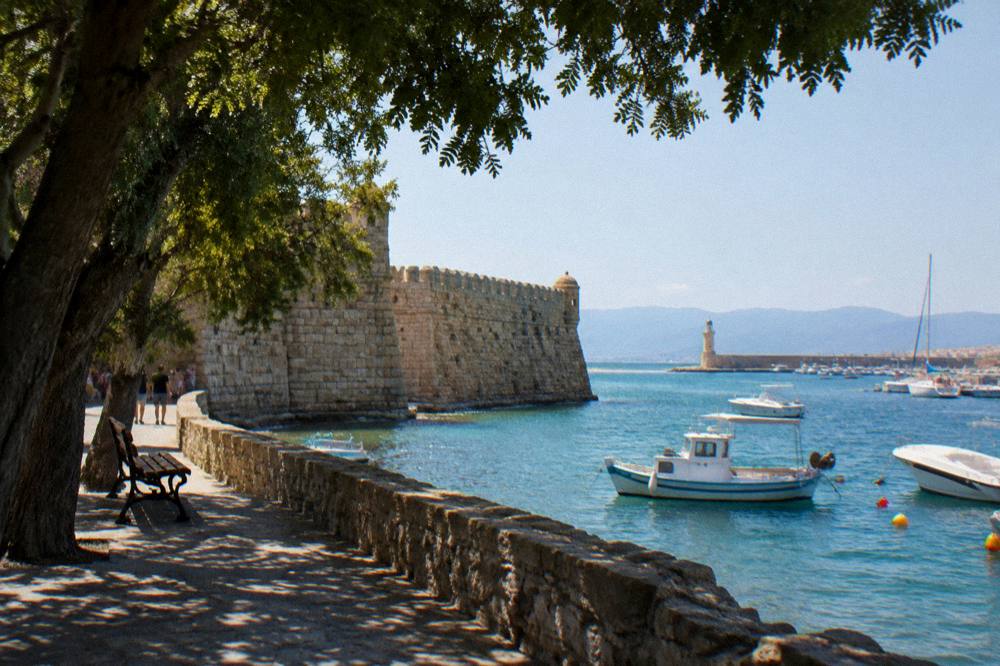
The draws nearest to Nea Chora are the Venetian Harbour, the Firka Fortress at its western edge, the Neoria shipyards of which seven survive from an original seventeen, and the Archaeological Museum in Halepa, all sitting inside the same compact city the district belongs to. Firka Fortress dates from 1620 and its grounds are free to enter. The Archaeological Museum of Chania, at 15 Skra Street in Halepa, charges EUR 15 for a full ticket and EUR 8 for a concession, and because its posted hours have appeared in conflicting forms, the desk's advice is to check the museum's visit page before setting out; visitors are asked to leave 20 minutes before closing.
The Old Town layer sits closest. The harbour itself, first built 1320 to 1356 with a wall recorded in 1515, is the anchor sight, and the city walls tell the same story in two phases: first Venetian walls from 1336 to about 1356, then the second walls from 1536 onward built to Michele Sanmicheli's design. Ottoman rule began with the 1645 conquest of Chania, and Crete's union with Greece followed in 1913, so a walk from Nea Chora into the Old Town crosses four centuries of building without ever leaving flat ground.
| Sight | Detail |
|---|---|
| Venetian Harbour | First built 1320 to 1356; wall recorded 1515 |
| Lighthouse (Faros) | Built about 1595 to 1601; Egyptian-era restoration 1830 to 1840; operating 1839 |
| Firka Fortress | Built 1620; grounds free |
| Neoria shipyards | Seven survive of an original seventeen, 15th to 16th century |
| City walls | First walls 1336 to about 1356; second walls from 1536, Sanmicheli's design |
| Archaeological Museum | 15 Skra Street, Halepa; EUR 15 full, EUR 8 concession; check the visit page for hours |
The Maritime Museum of Crete sits at the harbour end of this cluster, and the desk prints neither its price nor its hours because neither is verified. Farther out, the Akrotiri peninsula holds the monasteries and the dramatic cove of Seitan Limania, and the Lake Kournas freshwater lake sits inland toward Rethymno, all reachable as half-day moves from a Nea Chora base.
Which Day Trips Work From Nea Chora?
Nea Chora works as a day-trip base because Chania itself is the departure hub for western Crete: Balos and Gramvousa cruises leave from Kissamos port to the west, Samaria Gorge walks start from the Omalos plateau to the south, Elafonisi sits on the south-west corner, and tours with area-wide pickup collect from the district itself. Each of the big three carries its own access facts, and the desk states only those. Balos: a EUR 1 municipal fee on the boat ticket for over-13s, boats from Kissamos, daily departures running to 31 October 2026 on the operator's reported schedule, and an unpaved road from Kaliviani to the parking area for anyone driving. Elafonisi: a Natura 2000 protected area, entry reported to be free, taking sand, shells or plants prohibited, parking reported at around EUR 5 a day. Samaria: a EUR 10 individual ticket through the NECCA e-ticket portal, free for EU residents under 18 and over 65, one-way from Xyloskalo to Agia Roumeli with boats from Agia Roumeli at about 17:30 to Sougia or Chora Sfakion.
The Samaria caveat is the one the desk will not soften. Storms in late September and early October 2026 destroyed sections of the path, staff describe a 2026 reopening as extremely difficult with no final decision on record, and works are aimed at readiness in May 2027. The gorge normally opens 1 May to 31 October, it closes or delays when storms damage the path, and the NECCA status check before going is not optional advice.
| Day trip | Departure point | Confirmed charges | Access note |
|---|---|---|---|
| Balos and Gramvousa | Kissamos port | EUR 1 municipal fee on boat ticket, over-13s | Unpaved road from Kaliviani if driving |
| Elafonisi | KTEL summer route or tour | Entry reported free; parking reported about EUR 5 a day | Natura 2000 area; no sand, shells or plants removed |
| Samaria Gorge | Xyloskalo, Omalos plateau | EUR 10 ticket via NECCA portal; free EU under 18 and over 65 | Check NECCA status; storm damage closes the path |
| Imbros Gorge | South of Chania | Tour-based or self-arranged | The shorter gorge alternative |
| Rethymno and Knossos | KTEL routes or tour | Museum entry separate | Heraklion and Knossos tours run from the Chania area |
The Balos lagoon and Gramvousa guide and the best tours from Chania roundup cover the full slate. For a Nea Chora visitor who wants the flagship beach day handled end to end, the Falassarna and Balos cruise with pickup and boat ticket is the listing the desk flags, and its live page carries the current price, rating and cancellation terms.
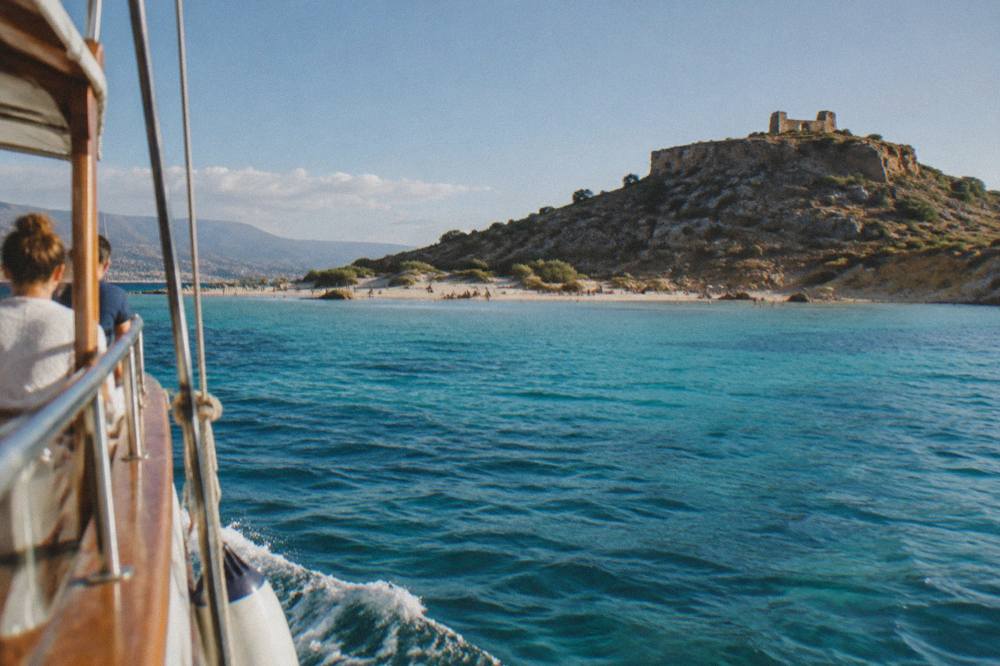
The sea around Chania also yields shorter trips that do not need a whole day. The sunset cruise with a guide runs straight from the Old Port, and the food-tasting walk through the town uses the same streets a Nea Chora visitor walks each evening anyway.
Want to see the coast from the water? Book a boat trip to Lazaretta Island here.
What Is The Best Time Of Year For Nea Chora?
The best months for a Nea Chora stay are May, June, September and early October, when the HNMS Chania Souda station records from 1958 to 2010 show warm means of 20.2 C in May, 24.7 C in June and 23.2 C in September against only 13.5 mm, 3.4 mm and 15.4 mm of rain, while July and August bring the warmest means of 26.7 C and 26.3 C on just 1.0 mm and 1.4 mm of rain each. Those four shoulder months trade a little water warmth for empty sand and open tables. Rain starts to matter from October, which carries 67.7 mm in the station table, and the winter half of the year, November through March, is a city-break season rather than a beach one, with the walled Old Town and the museums doing the work the beach did in summer.
The seasonal rhythm also governs the day trips. Boat schedules to Balos run daily to 31 October 2026 on the operator's reported calendar, the Samaria season normally spans 1 May to 31 October subject to the storm caveat above, and the KTEL summer route to Elafonisi follows the tourist season rather than the school year. A winter visitor based in Nea Chora still gets the taverna row, the harbour walk and the Chania in winter version of the city, but the west-coast beach circuit is largely a May-to-October proposition.
Common Questions About Nea Chora Area Chania
Is Nea Chora within walking distance of Chania Old Town?
Yes. Nea Chora sits directly west of the Old Town and the seafront promenade connects the two on a short, flat route that continues from the Venetian Harbour along the water to the sandy beach.
Can you swim at Nea Chora beach?
Yes. The beach is sandy with shallow water and it is the closest swimmable beach to the Old Town, backed by tavernas and rooms, which is why the district works as a beach base inside the city.
Is Nea Chora a good place to stay in Chania?
For visitors who want a real swimming beach, quieter nights and apartment-style accommodation within walking distance of the historic centre, yes. Travelers who want to wake up inside the Venetian Harbour scene should compare the Old Town quarter instead, and the where to stay guide on this site lays out every district.
Are there good tavernas in Nea Chora?
Yes. The row behind the beach concentrates seafood tavernas next to the small fishing harbour, serving grilled catch and Cretan small plates. Prices are read from the posted menus, which every taverna displays.
How do you get from Chania airport to Nea Chora?
The airport, Chania International Airport "Ioannis Daskalogiannis" (CHQ), lies about 14 km from the city centre on the Akrotiri peninsula, and the airport's own site publishes the public bus and taxi options for the transfer.
Which day trips can you take from Nea Chora?
All the Chania day trips: Balos and Gramvousa cruises from Kissamos port, Elafonisi, Samaria Gorge from the Omalos plateau subject to the NECCA status check, Imbros Gorge, Falassarna, Rethymno and Knossos, with many tours collecting from the Chania area including this district.
The desk's summary is short. Nea Chora is the district that lets a Chania holiday hold both halves at once, the historic harbour and the daily swim, and the Chania Crete Travel Guide holds the deeper pages for each piece of it, from the beach itself to the itineraries that stitch the city together.