Halepa Chania
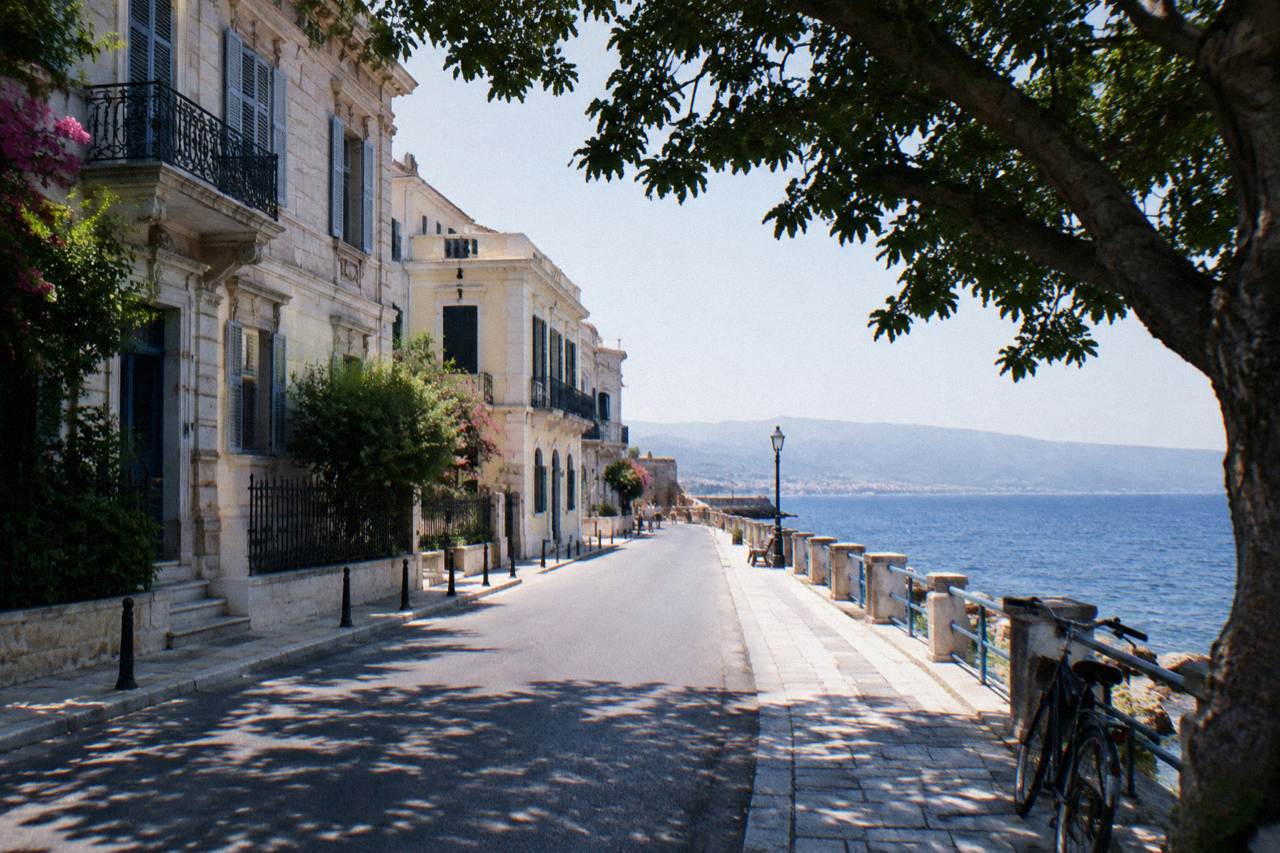
Halepa is the quiet residential and consular quarter of Chania, the coastal city on the north-west coast of Crete in Greece, sitting east of the Old Town on the rise toward Souda Bay. It holds the Archaeological Museum of Chania, seafront mansions from the city's late consular era and calm streets that most day-trip itineraries never reach.
Short answer
Halepa is a historic district of Chania about two kilometres east of the Old Town, known for the Archaeological Museum at 15 Skra Street, its seafront mansions and its position on the road to Souda port. It is a half-day walking area, best combined with the Venetian Harbour.
Halepa is the quiet consular quarter of Chania, the coastal city on the north-west coast of Crete, Greece, on the Cretan Sea. It rises gently east of the Old Town, away from the harbour crowds, toward the waters of Souda Bay. The district grew around the consulates and merchant houses of the city's late diplomatic era, and that past still shapes its streets: stone mansions with gardens, quiet lanes above the shoreline, and the Archaeological Museum of Chania at 15 Skra Street. This guide lays out what Halepa holds, how to reach it on foot or by bus, and how it fits into a wider Chania and west Crete plan.
What Is Halepa In Chania Known For?
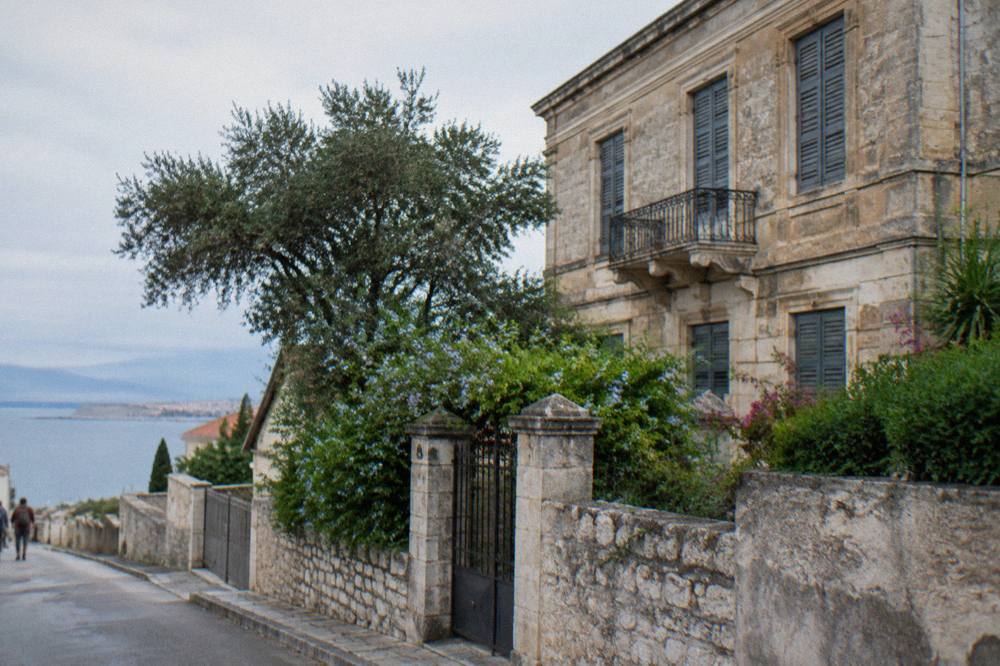
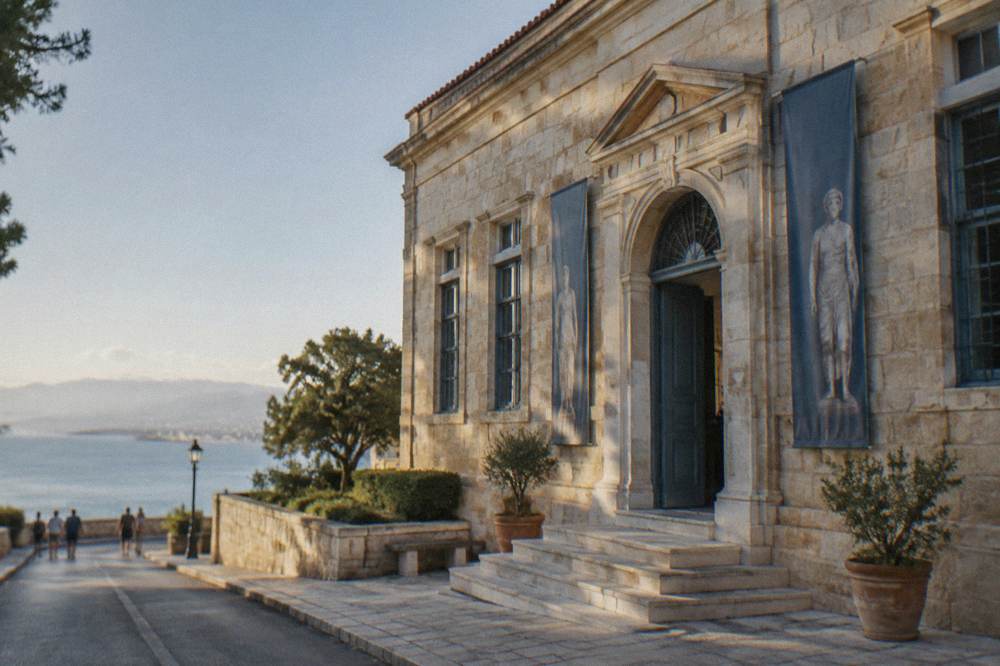
Halepa is known as the consular and residential quarter of Chania east of the Old Town, a district of stone mansions, diplomatic history and the Archaeological Museum of Chania, which sits at 15 Skra Street and lists a full ticket at EUR 15 with an EUR 8 concession on its own visit page. The museum asks visitors to leave 20 minutes before closing, a detail worth knowing before the walk is timed. Beyond the museum, Halepa's identity is architectural and calm: it was the address of foreign consulates and wealthy merchant families when Crete moved toward union with Greece in 1913, and the houses they built still line its streets today.
The district sits on the slope and shoreline between the Old Town and Souda Bay. That position matters for planning. Halepa is walkable from the Venetian Harbour, yet it feels like a separate settlement, with wider streets, garden walls and sea views across to the Akrotiri peninsula. The union of Crete with Greece in 1913, one of the verified dates in the city's record, belongs to exactly the era in which Halepa was at its most important, which is why the district carries more late-history weight than its size suggests. Ottoman rule, which began with the conquest of Chania in 1645, had already faded into the past when Halepa's mansions rose, and the contrast between the tightly packed Old Town lanes and Halepa's generous plots tells that story without a single plaque.
For orientation, the table below places Halepa among the areas of Chania a visitor is likely to weigh against it.
| Area | Character | Best For |
|---|---|---|
| Halepa | Consular mansions, museum, quiet streets | History, architecture, half-day walk |
| Old Town | Venetian Harbour, lanes, restaurants | First visit, evening, food |
| Nea Chora | Fishing village feel, sandy beach | Swimming near the centre |
| Splantzia and Topanas | Two historic Old Town quarters | Cafes, churches, slow mornings |
| Agia Marina and Platanias | Beach resorts west of the city | Beach holidays with families |
The Chania Crete Travel Guide covers each of these areas in its own page, and Halepa is usually the one that rewards a visitor who has already seen the harbour and wants the city's next layer. Where the Old Town compresses four centuries into a handful of lanes, Halepa spreads a single period across whole streets, and reading it that way makes the walk more than a stroll between sights.
What Can You See In Halepa On Foot?
The sights of Halepa can be seen on foot in a half day: the Archaeological Museum of Chania with its EUR 15 full ticket, the seafront mansions along the shore road, the district's churches, and the open views across Souda Bay toward the Akrotiri peninsula. The museum is the anchor. Its address is fixed at 15 Skra Street in Halepa, its full ticket is EUR 15 with an EUR 8 concession, and its opening hours are the one detail the visitor should confirm on the museum's own visit page before setting out, since published listings conflict. Visitors are asked to leave 20 minutes before closing, so the arrival time matters more than usual.
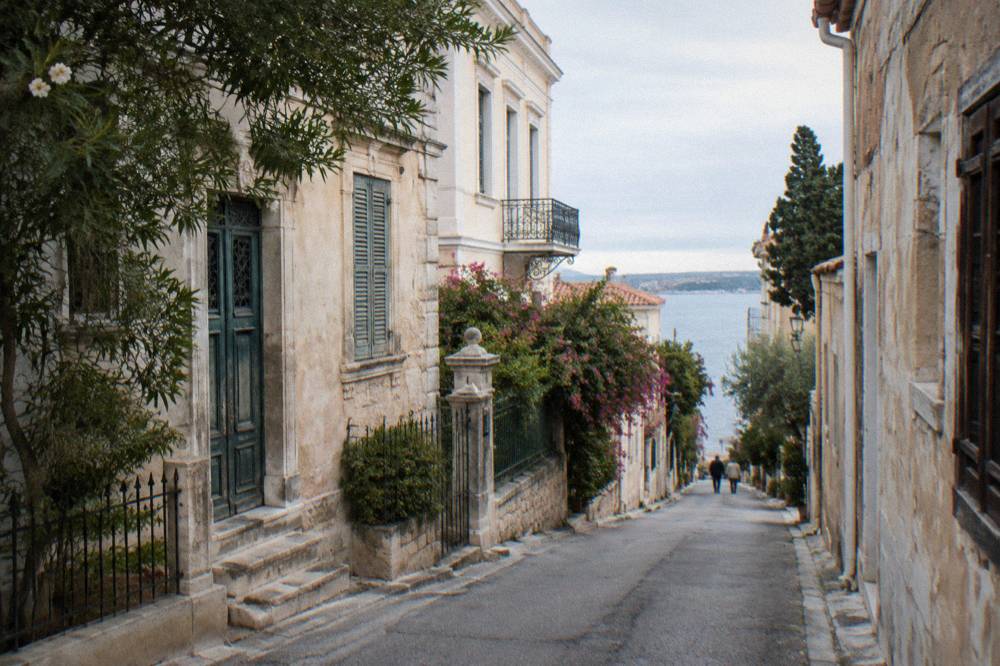
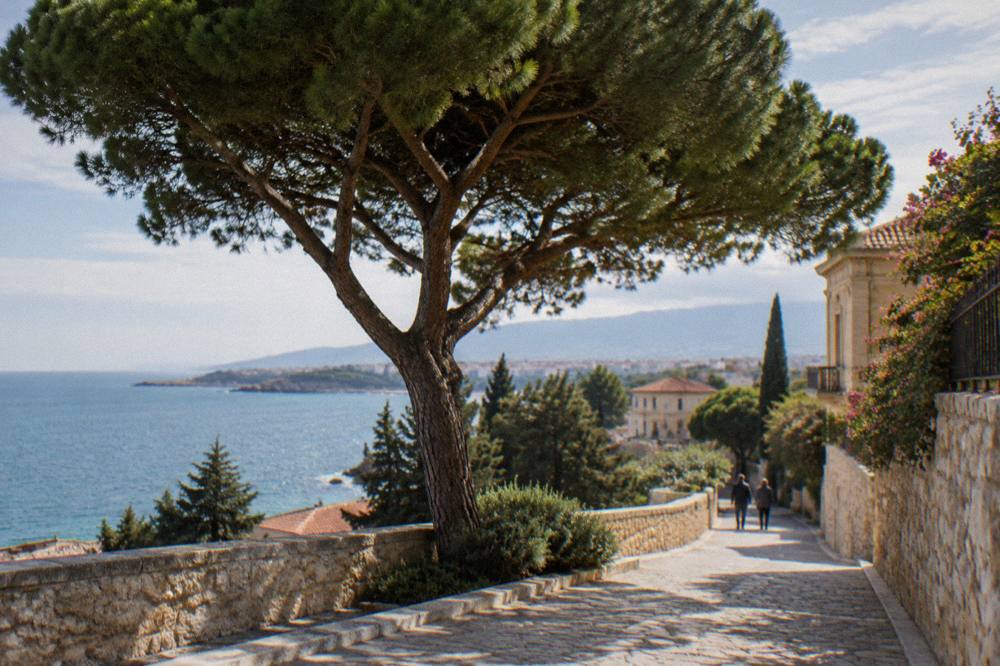
The walk itself is the second attraction. From the eastern edge of the Old Town, the route climbs past consular-era facades, crosses quiet residential lanes and reaches a shoreline with open water views. The district's houses date from the decades around the union of Crete with Greece in 1913, when the city's diplomatic and merchant classes built here, and the streets preserve that scale: low stone walls, shuttered windows, gardens rather than shopfronts. There are no ticket queues here and no harbour crowd, which is the whole point of coming. Photographers and slow walkers both do well in Halepa for the same reason: the streets change character block by block, from dense lanes near the Old Town boundary to airy villa frontages closer to the shore, and there is no obligation to move at any pace but the district's own.
The Archaeological Museum's own page lists its ticket prices, and the summary below collects what is fixed and what must be checked.
| Detail | Status |
|---|---|
| Address | 15 Skra Street, Halepa |
| Full ticket | EUR 15 |
| Concession | EUR 8 |
| Closing rule | Visitors asked to leave 20 minutes before closing |
| Opening hours | Check the museum's own visit page before going |
Halepa also works as the starting leg of a longer city walk. A route that begins at the Venetian Harbour, passes Firka Fortress with its free grounds and its 1620 Venetian build date, then climbs east into Halepa and ends at the museum, covers three eras of the city in one morning: Venetian, Ottoman and the consular period that carried Crete to union with Greece in 1913. The harbour itself was first built between 1320 and 1356, with dredging and a wall recorded in 1515, and the Venetian shipyards known as the Neoria survive as seven buildings from an original seventeen of the 15th to 16th century, so even the walk's first kilometre is layered history. The lighthouse of Chania, built about 1595 to 1601 and restored on its Venetian base during the Egyptian era of 1830 to 1840, stands at the harbour mouth and gives the walk its turning point.
Visitors who prefer a guided version of the city's food and streets can look at a walking option that pairs the lanes with tastings.
How Do You Get To Halepa From Chania Old Town?
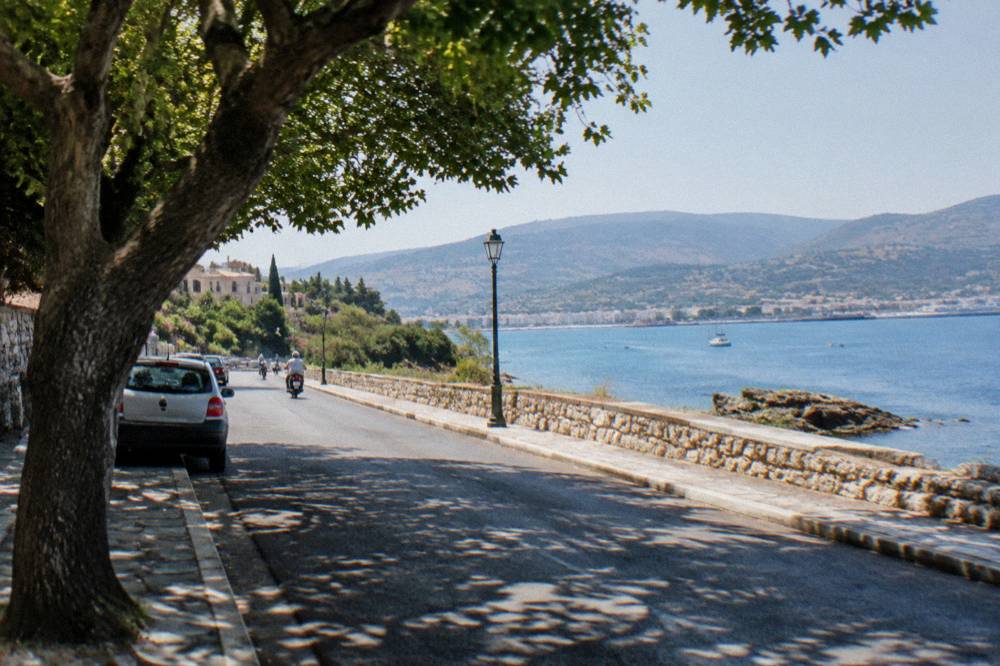
Halepa is reached from the Chania Old Town on foot by the shore road heading east, a walk past the eastern harbour edge and up into the district, with local KTEL buses also serving the eastern districts from the city network whose long-distance station sits on Kydonias street. The walk is the usual choice: it needs no timetable, follows the water for part of the way and delivers the consular facades as the reward. Bus and taxi information for the wider city and airport sits on the airport's own page, and no fare figure belongs in a plan until it is confirmed at the point of sale. KTEL routes from the Kydonias street station run to Heraklion, Rethymno, Kissamos, Paleochora, Omalos and, in summer, Elafonisi, so the same network that serves a Halepa hotel also carries the island's longer legs.
Two cautions keep the plan honest. First, Halepa is a district of the city, not a separate town, so the journey is a short urban hop rather than a day trip. Second, everything in the region that involves Souda should be checked against the facts on the ground: the Piraeus ferry leaves from Souda port about 7 km east of the Old Town, never from the Venetian Harbour, which serves excursion boats, and the airport, Chania International Airport "Ioannis Daskalogiannis" operated by Fraport Greece, sits about 14 km from the centre on the Akrotiri peninsula. The Souda page carries the port detail, and the wider Akrotiri peninsula page covers what lies beyond the airport road.
Because Halepa faces the open water of the bay, sea time pairs naturally with it. One option from the roster pairs a guided cruise to Menies Beach and Chironisia Bay with snorkeling, and it can be checked against a Halepa morning. Menies sits on the peninsula's northern side, reachable far more easily by boat than by road, which is why the cruise format suits it, and a swim stop in that bay makes a natural counterweight to a dry, architectural morning ashore. Availability and the operator's cancellation terms should be read on the listing before any day is fixed.
The trio below gathers the three experiences the site's data shows pairing best with a stay built around Halepa and the harbour: a bay cruise with snorkeling, an Old Town walk with street food, and a small-group sail with a meal included.
Each of the three leaves from the city side of the water, so none of them steals the whole day the way the Kissamos and Omalos departures do, and each can be booked after arrival once the weather picture is clear. That flexibility is worth having: a Halepa-based plan keeps its sea day movable, and the operator's live listing is the place to check both the day and the terms.
Where Does Halepa Fit In A Chania Itinerary?
Halepa fits a Chania itinerary as a half-day eastern extension of the Old Town, usually on day one or day two, after the Venetian Harbour and before the island day trips such as Balos, Elafonisi or Samaria Gorge that depart from Kissamos, Omalos or the city's tour departure points. The one day in Chania plan spends its hours inside the Old Town, and Halepa is the natural stretch goal when a second morning exists. With two days, Halepa and the museum take the second morning cleanly; with three days, the district can absorb a whole unhurried afternoon.
The reason to schedule it early is physical rather than cultural. The island excursions are long days: Samaria Gorge is a one-way walk from Xyloskalo on the Omalos plateau down to Agia Roumeli, where boats leave about 17:30 for Sougia or Chora Sfakion before a KTEL bus back, and the gorge normally opens 1 May to 31 October, is closed or delayed when storms damage the path, and must be checked on the NECCA status before any plan is made. The individual ticket is EUR 10 through the NECCA e-ticket portal, free for EU residents under 18 and over 65, and tour prices exclude the separate entrance and ferry charges. Balos boats leave from Kissamos port with daily departures to 31 October 2026 in the operator's published season, and the only confirmed charge beyond the boat ticket is a EUR 1 Kissamos municipal fee collected on the ticket for over-13s. Halepa, by contrast, is the one part of the city plan that can be moved or shortened without cost.
| Itinerary length | Where Halepa fits |
|---|---|
| One day | Optional evening stroll if the harbour is done early |
| Two days | Second morning, museum plus shoreline walk |
| Three days | Half day, combined with the eastern Old Town |
| Five days or more | Any morning, plus the Akrotiri peninsula drive |
What Is The Weather Like In Halepa?
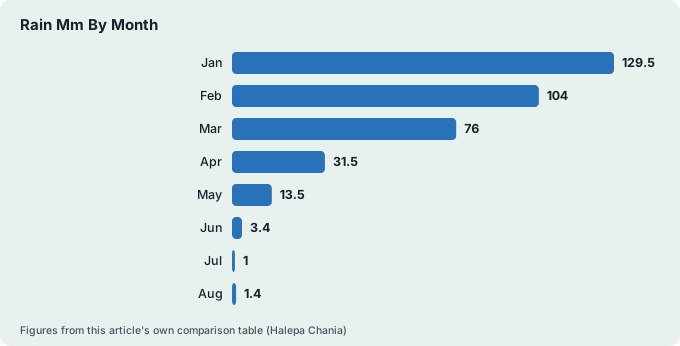
Halepa shares the climate recorded at the HNMS Chania Souda station for the period 1958 to 2010: a mean of 26.7 C in July against 11.0 C in January, with rainfall of just 1.0 mm in July against 129.5 mm in January, so the district is a warm, dry summer walk and a mild, wetter winter one. The station sits at 148 m, inland of Souda Bay, and the HNMS publishes no newer table, so these figures are station records for 1958 to 2010 rather than a 1991 to 2020 normal. No official monthly sea-temperature normal exists, so none is printed here, and a live reading is the only honest way to judge the water.
| Month | Mean C | Rain mm |
|---|---|---|
| Jan | 11.0 | 129.5 |
| Feb | 11.0 | 104.0 |
| Mar | 12.7 | 76.0 |
| Apr | 15.9 | 31.5 |
| May | 20.2 | 13.5 |
| Jun | 24.7 | 3.4 |
| Jul | 26.7 | 1.0 |
| Aug | 26.3 | 1.4 |
| Sep | 23.2 | 15.4 |
| Oct | 19.4 | 67.7 |
| Nov | 15.8 | 77.0 |
| Dec | 12.7 | 101.9 |
In that table January is the wettest month at 129.5 mm and July the driest at 1.0 mm. Rain becomes a planning factor from October, when the monthly figure jumps to 67.7 mm with 9.3 rain days, while May through September stays dry, from 13.5 mm in May down to 1.4 mm in August. Mean daily maxima reach 30.7 C in July and 30.4 C in August, with mean minima of 7.9 C in January and 7.8 C in February. Humidity in the same station record runs from 50 percent in July to 73 percent in January, and the prevailing wind is west, turning north-west in July and August. For a Halepa walk, the practical reading is simple: morning shade and water in summer, an umbrella slot in the plan from late October onward. Spring sits in the comfortable middle, with a May mean of 20.2 C and only 13.5 mm of rain, which makes it a strong season for exactly the kind of slow, architectural wandering Halepa invites.
Where Does Halepa Lead Next Around Chania?
Halepa leads next to three directions: east to Souda port and the Akrotiri peninsula, west back into the Old Town, and out to the west and south coast day trips from Chania, including Balos and Gramvousa from Kissamos, Elafonisi, Falassarna and the gorges. The Akrotiri peninsula, reached past the airport road, holds monasteries and beaches in a compact loop. Souda port, about 7 km east of the Old Town, is where the overnight Blue Star Ferries service to Piraeus departs at about 21:30 with a crossing of about 9 h 15 min in the operator's published timetable, figures to confirm at booking. No fare belongs in a plan until it is seen at the point of sale.
The two flagship beach day trips both leave from the west. Balos Lagoon and Gramvousa cruises run from Kissamos port, with a EUR 1 Kissamos municipal fee collected on the boat ticket for over-13s as the only confirmed charge, and an unpaved road from Kaliviani to a parking area followed by a walk down for those driving. Elafonisi is a Natura 2000 protected area with reported free entry, where taking sand, shells or plants is prohibited, and where no parking or sunbed figure should be trusted until seen posted on the day. Both trips are covered in full on their own pages. Imbros Gorge offers a shorter walking alternative to Samaria, and the south coast villages of Loutro and Sfakia sit beyond the gorges for anyone with a car and a full free day.
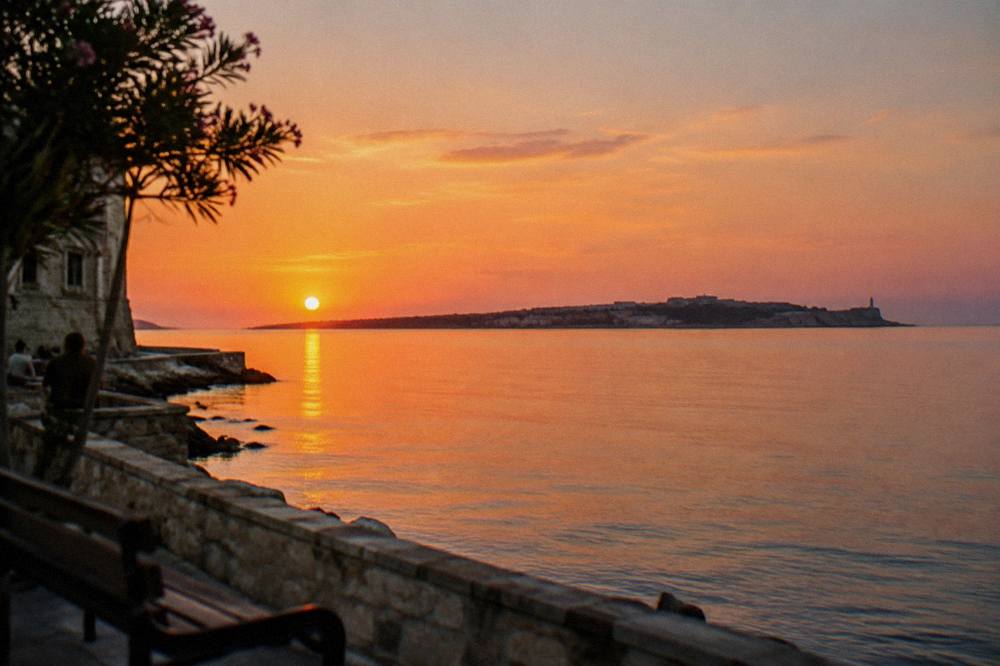
For sea time closer to the city, a small-group sailing trip to Agioi Theodoroi with a meal included is one of the roster's strongest pairings with a Halepa stay, and the wider city holds more: the roster's things to do in Chania index collects all of them, from cooking classes in the White Mountains to boat trips out of the harbour, plus bike tours, kayak sessions and snorkeling trips that leave from points within walking distance of the district.
The same trio of experiences that pairs with Halepa's position on the water is gathered here again for end-of-plan convenience: the Menies and Chironisia bay cruise, the Old Town highlights walk with street food, and the small-group sail to Agioi Theodoroi with a meal on board.
Common Questions About Halepa Chania
Is Halepa walkable from Chania Old Town?
Yes. Halepa is the district immediately east of the Old Town, reached by the shore road and a gentle climb, and it is normally walked rather than driven. The Archaeological Museum at 15 Skra Street is the fixed landmark at the far end of the walk.
How much does the Archaeological Museum of Chania cost?
The museum's own page lists a full ticket at EUR 15 and a concession at EUR 8. Opening hours should be confirmed on the museum's visit page before going, and visitors are asked to leave 20 minutes before closing.
Is Halepa worth visiting compared with the Old Town?
Halepa suits a visitor who has already seen the Venetian Harbour and wants the city's consular layer: quiet streets, stone mansions, the museum and open views toward the Akrotiri peninsula. The Old Town carries the harbour, the restaurants and the evening life, so the two work as complements rather than rivals.
Can you swim near Halepa?
Halepa itself is a shoreline and residential district rather than a beach strip. Sandy swimming options sit west of the city at Nea Chora and the Agia Marina stretch, and boat trips from the harbour reach Lazaretta and Agioi Theodoroi islands. No official monthly sea-temperature normal exists, so check a live reading before swimming in the cooler months.
Where do you go after Halepa?
East leads to Souda port and the Akrotiri peninsula; west returns to the Old Town. The big day trips from Chania, Balos and Gramvousa from Kissamos, Elafonisi, Falassarna and the gorges, all depart from points outside the district and are planned separately.
Does it rain in Halepa in winter?
The HNMS Chania Souda station record for 1958 to 2010 shows January with 129.5 mm of rain across 16.3 rain days and December with 101.9 mm, while July records 1.0 mm. Winter walks here are mild, with a January mean of 11.0 C, but a rain plan belongs in the day.
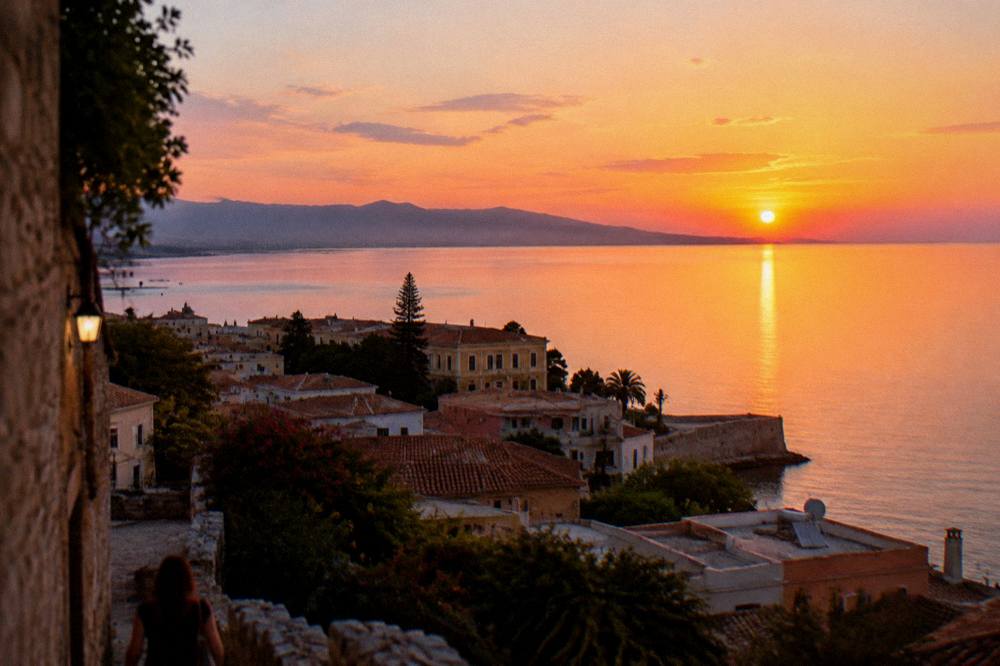
Halepa rewards the visitor who gives Chania a second morning: a museum with fixed prices, a district of consular-era houses that the harbour crowds never reach, and a shoreline that opens toward the Akrotiri peninsula and the wider island beyond. Confirm the museum's hours on its own page, carry water in July, and let the district set the pace before the long day trips begin.