Ktel Chania
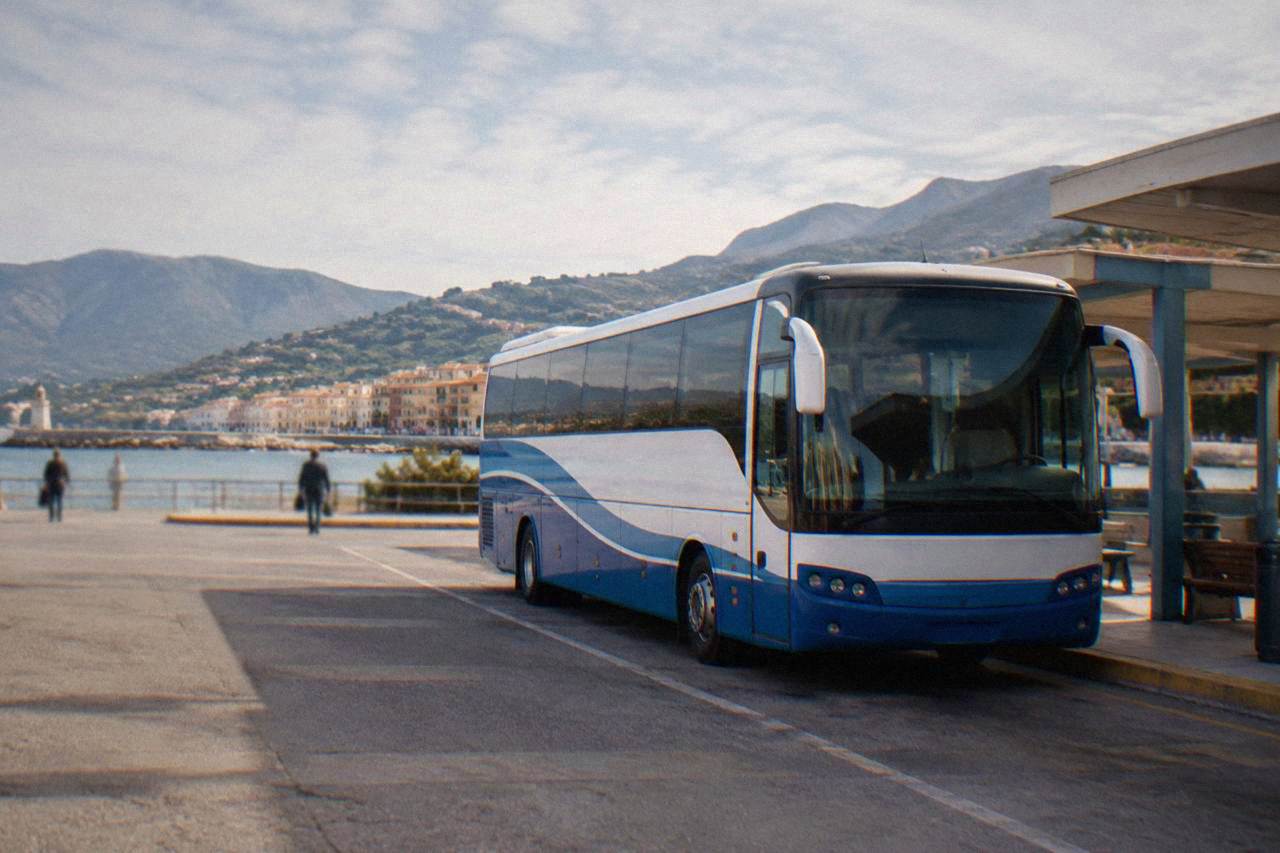
KTEL Chanion is the long-distance bus operator that connects Chania, on the north-west coast of Crete, with the rest of the island, and its station sits on Kydonias street within reach of the Old Town.
Short answer
The KTEL Chanion long-distance bus station is on Kydonias street in Chania, with routes to Heraklion, Rethymno, Kissamos, Paleochora, Omalos and, in summer, Elafonisi. Tickets are booked at e-ktel.com. No fare or timetable is printed on this page, because both change with the season.
KTEL Chanion is the long-distance bus company that connects Chania, a coastal city on the north-west coast of Crete in Greece, with the rest of the island. Its station stands on Kydonias street, a short distance from the Old Town and the Venetian Harbour, and its coaches run west to Kissamos, south to the edges of the White Mountains and east along the north coast towards Rethymno and Heraklion. There is no railway anywhere on Crete, so the bus network, together with a hire car, is the practical backbone of island travel. This page from the Chania Crete Travel Guide sets out what the operator's own network actually covers, how the buses fit with the airport and the ferry port, and how to plan days out when the coach does the driving.
What Is Ktel Chania And Where Is The Bus Station?
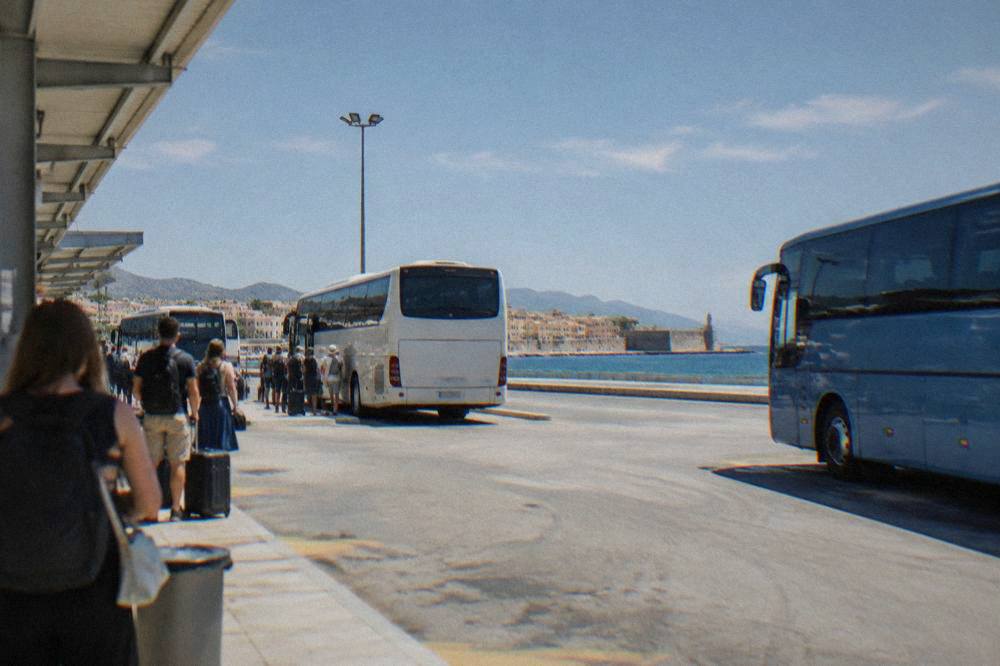
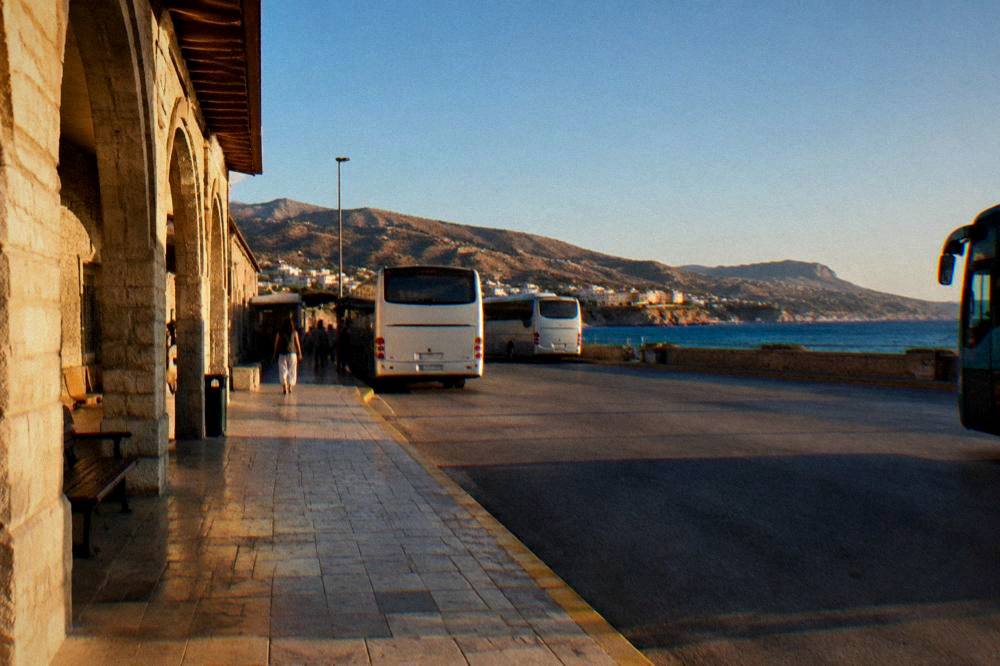
KTEL Chanion is the regional long-distance bus operator for the Chania area, and its main station is on Kydonias street in the city, close enough to the Old Town that the harbour, the lighthouse and the Neoria shipyards are all within walking range of the ticket hall. The company runs the coaches that link the city with the other towns of Crete and with the trailheads and beach areas that sit beyond the urban bus routes. Tickets are booked through the operator's e-ticket site, e-ktel.com, and the station itself is the single place where every long-distance route in this part of the island converges.
The word KTEL itself is not a brand unique to Chania. It is the standard Greek abbreviation for the regional bus cooperatives, and each area of Crete has its own. Chanion is the form used for the Chania network, which matters when you search for tickets, because a Heraklion-area operator runs its own separate site and fleet. For travel that starts in Chania, KTEL Chanion is the operator to check first.
The station's position on Kydonias street is the practical detail worth knowing before arrival. The Old Town, described in the guide to Chania Old Town, sits around the Venetian Harbour, first built between 1320 and 1356, and the walk from the harbour front to the bus station passes through the edge of the modern city rather than along a seafront promenade.
One point that causes confusion every summer: the long-distance station on Kydonias street is not the same thing as the stops used by the city's local buses, and it is not where excursion boats leave. The Venetian Harbour is for boat trips, including the short cruises described in the Chania boat trips guide, while the overnight ferry to Piraeus leaves from Souda port about 7 km east of the Old Town. Sorting these three apart at the start saves a missed departure later.
Which Destinations Do Ktel Chania Buses Reach?
The KTEL Chanion long-distance network runs from the Kydonias street station to Heraklion, Rethymno, Kissamos, Paleochora and Omalos, and in summer it adds a seasonal route to Elafonisi, which means the bus covers both the island's main cities and the gateways to the famous west-coast beaches and gorges without a hire car. Each route serves a different purpose, from a full crossing of Crete to a short hop along the coast, and the seasonal Elafonisi service only runs in the warmer months, so it is checked on the operator's site before any summer beach plan is fixed.
The eastward routes are the spine of the network. The coach to Rethymno runs along the north coast road, and the Heraklion service continues beyond it to the island's largest city, from where connections reach Knossos and the ferry routes of the south. The Heraklion and Knossos guide covers what waits at the far end, and the comparison in Chania versus Heraklion explains why travellers often base in the west and ride east for a single day rather than the reverse.
The westward and southern routes are the ones that serve the day-trip country. Kissamos, on the north-west coast, is the port where the boats to Balos lagoon and Gramvousa island leave, and its ferry role is covered in the Balos and Gramvousa guide. Paleochora sits on the south coast facing the Libyan Sea and is also one of the ports where the seasonal boats to Gavdos leave. Omalos is the plateau at the top of the Samaria gorge walk, the trailhead at Xyloskalo, and the bus there is the standard way walkers reach the start of the one-way descent to Agia Roumeli.
| KTEL Chanion route | Where it leads | What travellers use it for |
|---|---|---|
| Heraklion | East along the north coast | Crete's largest city, Knossos connections, east-coast travel |
| Rethymno | North coast, east of Chania | The old town and fortress of Rethymno, beaches east of the city |
| Kissamos | North-west coast | Boats to Balos lagoon and Gramvousa, Falassarna connections |
| Paleochora | South coast via the hills | South-coast beaches, seasonal Gavdos boats |
| Omalos | Omalos plateau in the White Mountains | The Xyloskalo trailhead for the Samaria gorge walk |
| Elafonisi, summer only | South-west tip of the island | The Natura 2000 protected beach area, entry reported free |
A caveat belongs with the last two rows. The Samaria gorge normally opens from 1 May to 31 October, but storms in late September and early October 2026 destroyed sections of the path, and the managing agency, NECCA, has given no final reopening decision; its own status page is the only source to trust before a walking plan is built. The buses to Omalos run for the gorge season, so a closed gorge closes the practical reason for that route too.
How Do You Get From Chania Airport To The City By Bus?
Chania International Airport, officially named after Ioannis Daskalogiannis and coded CHQ, sits about 14 km from the city centre on the Akrotiri peninsula near Souda, and the airport's own site carries the public bus and taxi information for the transfer, so the current connection details are checked there rather than guessed. The distance is the figure travellers get wrong: the airport is not a short hop from the Old Town, and a landing at CHQ is a genuine cross-town transfer whether it is made by bus or by taxi. No fare for either is printed here, because no verified tariff exists.
The airport is operated by Fraport Greece, and it handled 3,992,149 passengers between January and October 2025, which explains why the transfer into the city is a well-worn path with regular public transport rather than an ad hoc arrangement. The full picture, including how the options compare, is set out in the airport to Chania town guide, and the background on the airport itself is in the Chania airport guide. Once in the city, the Kydonias street station becomes the hub for everything beyond it.
The same caution applies to the ferry. The overnight Blue Star Ferries service to Piraeus departs from Souda port at about 21:30 with a crossing of about 9 hours and 15 minutes, as the operator's published timetable shows, and that timetable is confirmed before travel because sailing times move with the season. The details sit in the Piraeus to Chania ferry guide. Neither the airport transfer nor the ferry link uses the Venetian Harbour, which is reserved for excursion boats.
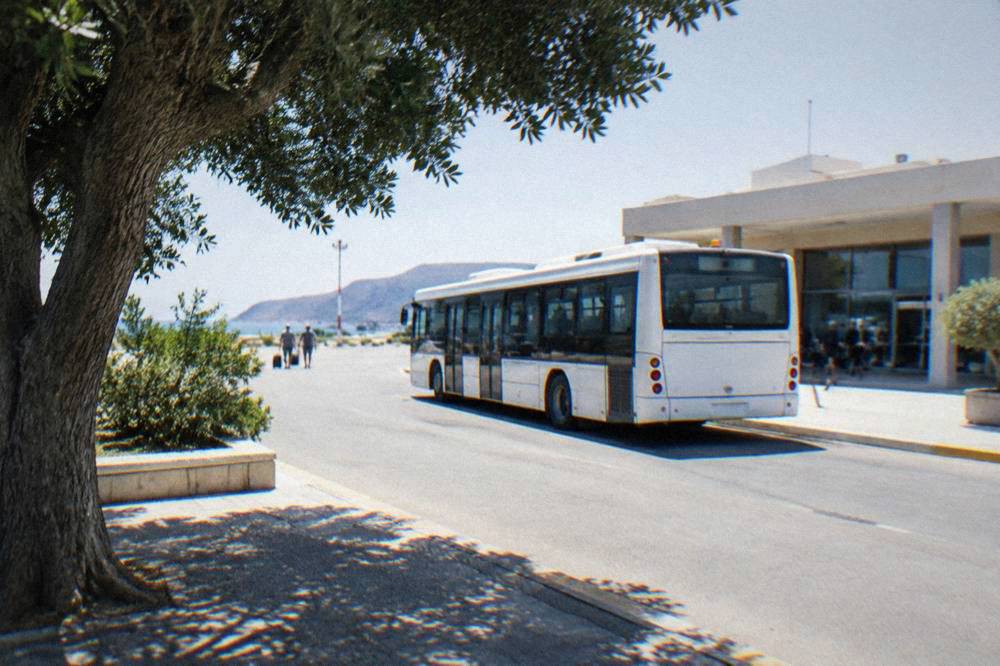
For travellers arriving without a car, the practical sequence is simple: land at CHQ, transfer to the city by the connection listed on the airport's site, base yourself within walking range of Kydonias street or the Old Town, and use the long-distance coaches for the island. The where to stay in Chania guide maps the neighbourhoods against that logic, and the getting around Chania guide puts the buses in the full transport picture alongside car hire.
Do Ktel Buses Reach Samaria Gorge, Balos And Elafonisi?
The KTEL Chanion network reaches the gateways of all three headline destinations, but not the destinations themselves: the Omalos route ends at the plateau above the Samaria gorge, the Kissamos route ends at the port where the Balos boats leave, and the summer Elafonisi route is the only one that stops close to an actual beach, so each plan needs a second leg beyond the bus. That structure is the single most useful thing to understand about bus-based day trips from Chania, because the coaches deliver walkers and swimmers to transfer points rather than to sand.
The Samaria walk is one-way. It starts at Xyloskalo on the Omalos plateau and descends to Agia Roumeli on the south coast, from where boats leave at about 17:30 to Sougia or Chora Sfakion, and a KTEL bus carries walkers back from there, according to the reported arrangement. The individual entrance ticket is EUR 10 through the NECCA e-ticket portal, free for EU residents under 18 and over 65, and the park's reported rules allow full-walk entry between 07:00 and 13:00 with everyone out by 18:00. No swimming and no camping are allowed inside the park. The storm damage of autumn 2026 makes the status check non-negotiable, and the Samaria gorge guide carries the full detail.
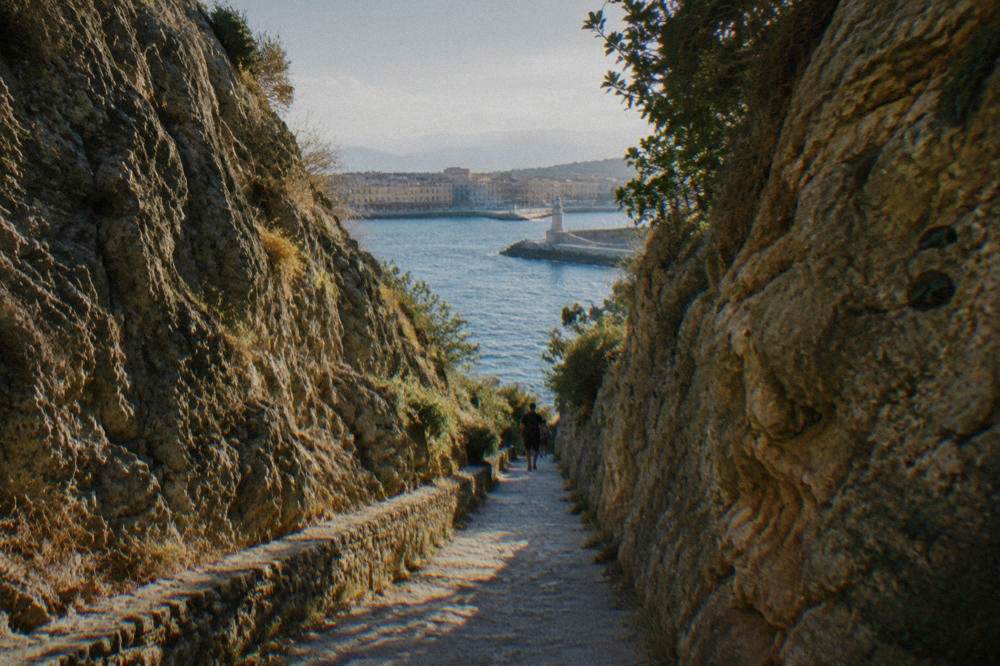
Balos works differently. The bus to Kissamos ends at a port, and the cruise boats to the lagoon and Gramvousa island leave from there, with daily departures running to 31 October 2026 according to the operator. The only confirmed charge beyond the boat ticket is a EUR 1 Kissamos municipal fee collected on the ticket for travellers over 13. A time-slot cap of about 1,200 visitors per three hours was proposed in August 2026 but is not in force, so no cap is treated as fact here. Boat prices and timetables are left to the operators' own pages.
Elafonisi is the Natura 2000 protected area at the south-west tip, entry is reported to be free, and taking sand, shells or plants is prohibited. The summer bus route exists, but its dates and frequency change with the season, so the operator's site is the authority. The Elafonisi beach guide and the Elafonisi versus Balos comparison cover the choice between the two in full.
How Does The Bus Compare With Hiring A Car In Chania?
The bus wins on the routes it already serves, above all Heraklion, Rethymno, Kissamos and the Omalos trailhead, while a car wins everywhere the coaches do not run or run thinly, including the small beaches of the Akrotiri peninsula, the west-coast coves and the mountain villages, so the honest answer is a hybrid: bus for the long corridors, car for the scattered day trips. No bus fare, toll, parking tariff or car-hire rate is printed on this page, because none is verified, and each of those figures moves with the season anyway.
The car side of the comparison is laid out in the Chania car rental guide, the airport pickup options in the airport car rental guide, the driving conditions in the driving in Crete guide, and the city parking situation in the Chania parking guide. The bus side needs no booking platform at all: tickets come from e-ktel.com or the station on Kydonias street. A traveller who drives only on the days the buses cannot serve can park once and ride the rest of the time.
| Journey need from Chania | Bus works well | Car adds something | Notes |
|---|---|---|---|
| Heraklion or Knossos day | Yes, direct route | Little, city parking is the drag | Long day either way, confirm sailing of connections |
| Rethymno day | Yes, direct route | Arkadi monastery detour | Bus serves the city centre |
| Balos and Gramvousa | Yes, to Kissamos port | Unpaved road from Kaliviani to the parking area, then a walk down | Boat completes the bus plan; car drivers still walk down |
| Samaria gorge walk | Yes, to Omalos trailhead | Early start easier by car to Xyloskalo | Return is by boat then bus from Chora Sfakion or Sougia |
| Elafonisi | Summer route only | Year-round reach, parking about EUR 5 a day reported | Taking sand, shells or plants is prohibited |
| Akrotiri beaches | No long-distance route | Essential | Seitan Limania and the peninsula coves need wheels |
The last row is the reason pure-bus itineraries feel incomplete in west Crete. The peninsula beaches, the Lake Kournas area and the villages of the interior sit off the long-distance corridors. Guided tours fill exactly that gap, since they add the scattered places the coaches skip, and the round-up in the best tours from Chania guide matches each region to its options.
When Is The Best Season To Rely On Chania Buses?
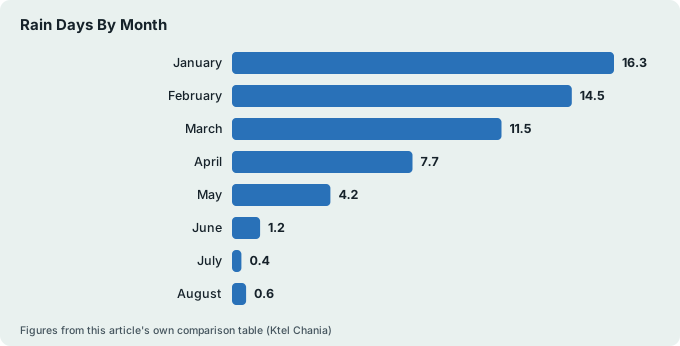
The dry stretch from May to September is the season when bus-based travel around Chania is at its simplest, because the HNMS Chania Souda station table for 1958 to 2010 shows rainfall of 13.5 mm in May falling to 1.0 mm in July and 1.4 mm in August, with rain days down to 0.4 in July, so summer coaches run their fullest schedules and the seasonal Elafonisi route operates alongside them. The same table shows the trade-off: July and August mean temperatures of 26.7 C and 26.3 C and mean maxima above 30 C, which makes walking routes and unshaded waits hotter work.
| Month | Mean temperature C | Rainfall mm | Rain days |
|---|---|---|---|
| January | 11.0 | 129.5 | 16.3 |
| February | 11.0 | 104.0 | 14.5 |
| March | 12.7 | 76.0 | 11.5 |
| April | 15.9 | 31.5 | 7.7 |
| May | 20.2 | 13.5 | 4.2 |
| June | 24.7 | 3.4 | 1.2 |
| July | 26.7 | 1.0 | 0.4 |
| August | 26.3 | 1.4 | 0.6 |
| September | 23.2 | 15.4 | 3.2 |
| October | 19.4 | 67.7 | 9.3 |
| November | 15.8 | 77.0 | 11.2 |
| December | 12.7 | 101.9 | 16.1 |
The table is the HNMS Chania Souda station record for 1958 to 2010, the period the service itself publishes, and it is the only climate basis this site uses. January is the wettest month at 129.5 mm and July the driest at 1 mm, both as table statements rather than labels for the city. Rain starts to matter again from October, with 67.7 mm, and the shoulder months of April, May and September offer the balance of warmth and dry days that suits walking and bus-dependent travel.
The seasonal note is not only about rain. Gorge buses, the Elafonisi route and the fuller summer schedules all scale up with demand, and the autumn 2026 storm damage to the Samaria path is a live reminder that weather, not the timetable, is what actually closes routes in this landscape. The month-by-month detail, including the events calendar, is in the best time to visit Chania guide and the Chania weather guide.
Can You Plan A Full Chania Holiday Without A Car?
A car-free holiday based in Chania works when the itinerary leans on three layers: the walkable Old Town and its harbour, the KTEL long-distance coaches for the big corridors, and guided day trips for the scattered highlights the buses skip, a structure that covers everything from the two days in Chania itinerary to week-long plans built on the how many days in Chania framework. The failure mode is trying to reach four unconnected coves in one day by bus; the success mode is one corridor or one guided day at a time.
The city layer needs no transport at all. The Venetian Harbour, the lighthouse on its mole, the Neoria shipyards with seven survivors of an original seventeen from the 15th to 16th century, and Firka Fortress, built in 1620 with free grounds, are all within a short walk of each other, as the one day in Chania guide shows. The Archaeological Museum of Chania at 15 Skra Street in Halepa charges EUR 15 full and EUR 8 concession, with hours checked on its own visit page since the published sources conflict.
The guided layer handles the rest. A small-group two-beach day to Elafonisi and Falassarna with snacks, Check availability, removes both the seasonal bus question and the parking question at a stroke. In the city itself, a small-group bike tour of the highlights, described on the city highlights bike tour page, covers ground the buses pass but never explain. And on the water, an intro scuba session with a PADI instructor, Check availability, starts from the city's own coast and needs no transport planning beyond the meeting point.
The pairing of bus days and guided days also softens the seasonal risk. If a storm closes a path or a route thins out after October, a guided trip with pickup included absorbs the change, while a rigid bus-only plan does not. The west Crete one week guide and the things to do in western Crete round-up are the two itineraries that mix the layers most evenly.
What Should You Know Before Riding Ktel Chania Buses?
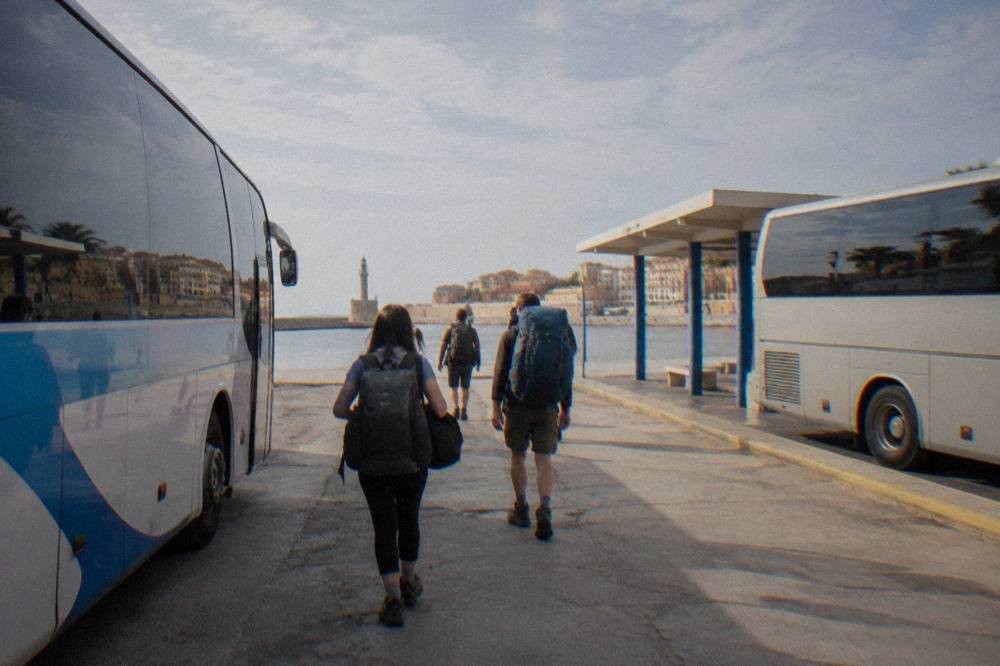
Before riding, three habits carry almost all the practical weight: book and check tickets on e-ktel.com, confirm the seasonal routes and any gorge or boat status on the operator's or agency's own page for the exact travel dates, and treat the Kydonias street station as the single confirmed hub rather than assuming harbours or the airport share its routes. Everything else, from fares to exact frequencies, changes often enough that this page deliberately prints none of it.
Luggage on Greek intercity coaches is handled at the driver's or station staff's discretion, and summer services fill completely, so an early arrival at the station for a long route is the standard advice on every Greek bus guide worth reading. Connections in Chania run to a different logic than on the mainland: there is no rail alternative, so when a bus connection is missed, the fallback is another bus, a taxi at an unprinted fare, or a guided tour with pickup included.
Money and documents are simple. Greece uses the euro, has been in the euro area since 1 January 2001, and is a full Schengen member with internal checks abolished since 26 March 2000. The separate European entry systems matter at the border, not on a Cretan bus: the Entry Exit System was fully deployed across Schengen on 10 April 2026, while ETIAS is not in operation and collects no applications as of October 2026.
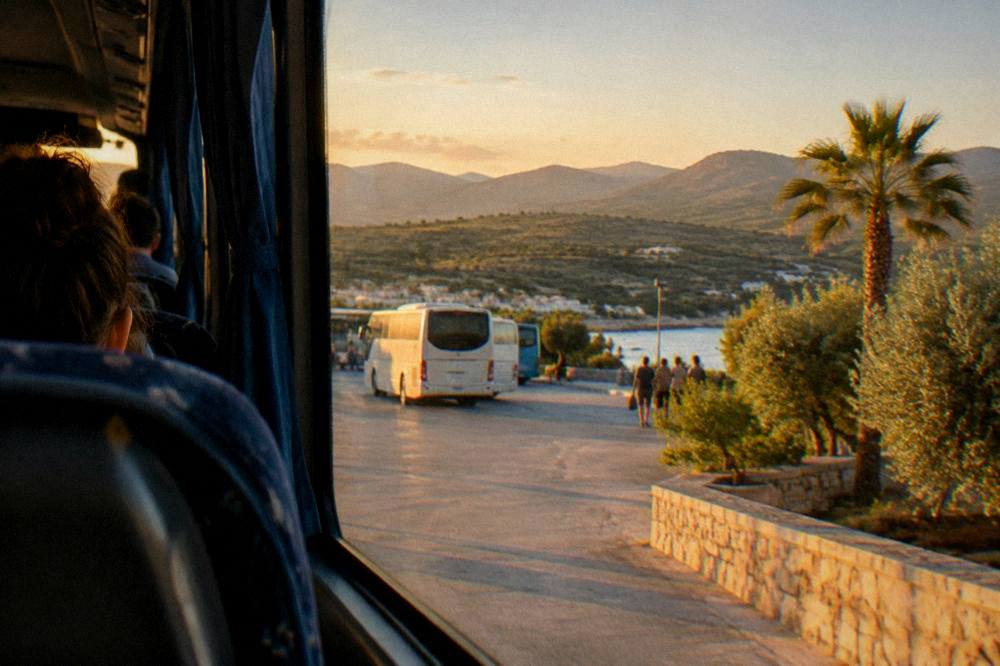
The last word goes to the map habit. The Crete map for Chania page shows how the island's corridors line up, and once the corridor logic is visible, the network stops looking sparse: Heraklion and Rethymno east, Kissamos west, Omalos south into the White Mountains, Paleochora over the mountains to the Libyan Sea, and Elafonisi on the summer branch. That is a complete frame for a holiday, and the coaches run it every day of the year in one form or another.
Common Questions About Ktel Chania Buses
Where Is The Ktel Bus Station In Chania?
The KTEL Chanion long-distance bus station is on Kydonias street in Chania, within walking range of the Old Town and the Venetian Harbour. It is separate from the local urban bus stops, from the excursion boats at the Venetian Harbour and from Souda port, where the overnight ferry to Piraeus leaves.
Can You Get To Elafonisi By Bus From Chania?
Yes, in summer. The KTEL Chanion network adds a seasonal Elafonisi route in the warmer months, and the operator's own site is where the exact running dates and frequency are confirmed before travel. Elafonisi is a Natura 2000 protected area, entry is reported to be free, and taking sand, shells or plants is prohibited.
Does The Bus Go To Balos Beach?
Not directly. The KTEL route runs to Kissamos, and the boats to Balos lagoon and Gramvousa island leave from Kissamos port, with daily departures to 31 October 2026 according to the operator. The only confirmed extra charge is a EUR 1 Kissamos municipal fee collected on the boat ticket for travellers over 13.
How Do You Get To Samaria Gorge By Bus?
The KTEL route runs to Omalos, the plateau where the walk starts at Xyloskalo. The gorge normally opens 1 May to 31 October, but storms in late September and early October 2026 damaged the path and no reopening decision is on record, so the NECCA status is checked before any plan. The walk is one-way to Agia Roumeli, with boats at about 17:30 to Sougia or Chora Sfakion and a bus back.
Can You Buy Ktel Tickets Online?
Yes. KTEL Chanion tickets are booked through the operator's e-ticket site, e-ktel.com, and the station on Kydonias street sells them in person. No fares are printed on this page because they change with the season and no verified tariff table is available.
Is There A Train In Crete?
No. There is no railway anywhere on Crete, so travel between the cities and regions runs by intercity bus, by car, or by ferry along the coast, and the KTEL network is the scheduled public-transport backbone for the whole island.