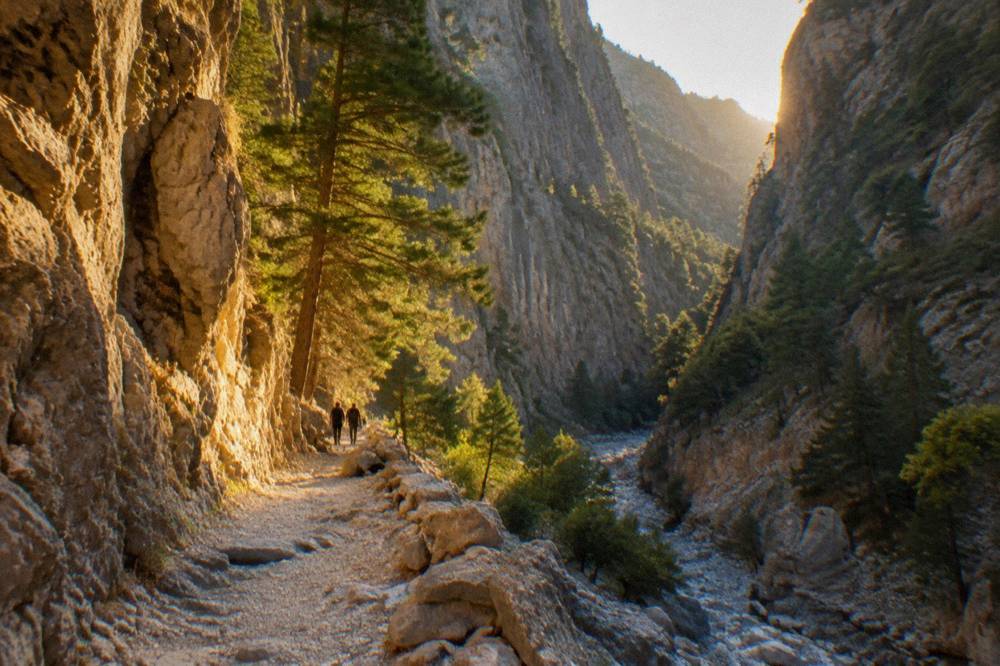
West Crete Itinerary
A seven-day plan for West Crete built around Chania, with the harbour, the gorges, the pink-sand beaches and the south coast laid out day by day.
Short answer
Base yourself in Chania for the week, spend day one on the Venetian Harbour and Old Town, take boat and gorge days to Balos, Samaria or Imbros and Elafonisi, and close with the south coast and the beaches nearest the city.
Chania, a coastal city on the north-west coast of Crete in Greece, is the practical base for any West Crete itinerary, because every headline destination in this corner of the island, Balos and Gramvousa, Elafonisi, Samaria and Imbros, Falassarna and the south coast villages, is reachable from here on a day trip. The municipality counted 111,375 permanent residents at the 2021 census, the airport sits about 14 km from the centre on the Akrotiri peninsula, and the overnight ferry to Piraeus leaves from Souda port rather than the harbour itself. This guide lays out a full week: which days belong to the city, which to the water, and which to the mountains, with the verified numbers attached to each.
Where Should A West Crete Itinerary Begin?
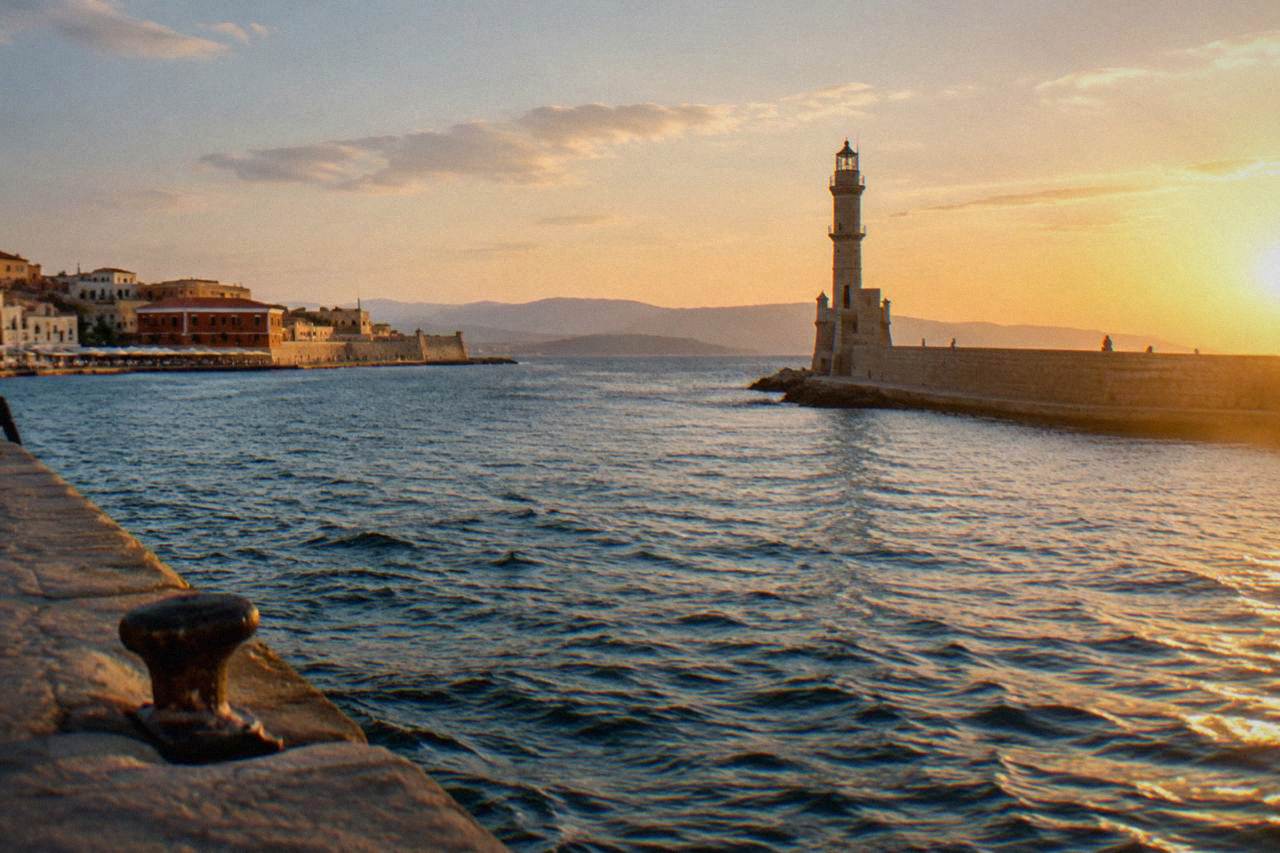
A West Crete itinerary should begin in Chania itself, because the city holds the region's ferry port at Souda, its airport on the Akrotiri peninsula, and the KTEL long-distance bus station on Kydonias street, which makes every day trip in this plan a single departure point rather than a relocation. The first day belongs to the Old Town and the Venetian Harbour, which was first built between 1320 and 1356, with dredging and a wall recorded in 1515. The harbour mole carries the lighthouse, built about 1595 to 1601 and restored on its Venetian base during the Egyptian rule of 1830 to 1840, and the Neoria shipyards survive as seven of an original seventeen from the 15th to 16th century.
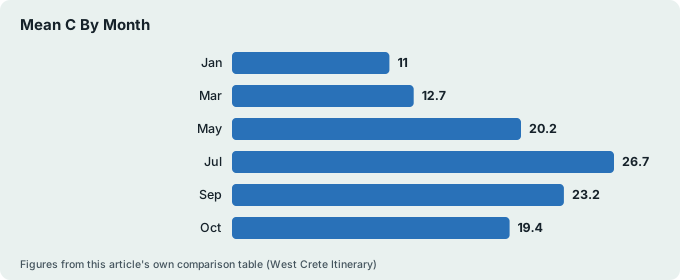
The logic of the week is simple. Beaches and boat days need calm seas and daylight, gorges need an early start and strong legs, and city days absorb whatever the weather gives. The HNMS Chania Souda station table, covering 1958 to 2010, shows why the order matters: July means 26.7 C with 1.0 mm of rain and 0.4 rain days, while October still averages 19.4 C but carries 67.7 mm across 9.3 rain days. Build the boat days early in the week so a wind day can be swapped with a museum day.
| Day | Base | Headline plan | Type of day |
|---|---|---|---|
| 1 | Chania | Old Town, Venetian Harbour, Firka Fortress | City on foot |
| 2 | Kissamos | Balos and Gramvousa boat cruise | Boat day trip |
| 3 | Omalos | Samaria Gorge, or Imbros as the fallback | Gorge hike |
| 4 | Elafonisi area | Elafonisi beach via Elos | Beach day trip |
| 5 | Falassarna | Falassarna beach, slow return north | Beach day trip |
| 6 | South coast | Loutro and Sfakia, or Paleochora | Boat and village day |
| 7 | Chania | Archaeological Museum, Halepa, Nea Chora | City on foot |
For readers with less than a week, the shorter plans on a one day Chania itinerary and a two days in Chania plan cover the city core, and a five days in Chania itinerary adds one beach and one gorge. The site's wider Chania Crete Travel Guide covers each of these destinations in its own page.
What Should Day One In Chania Cover?
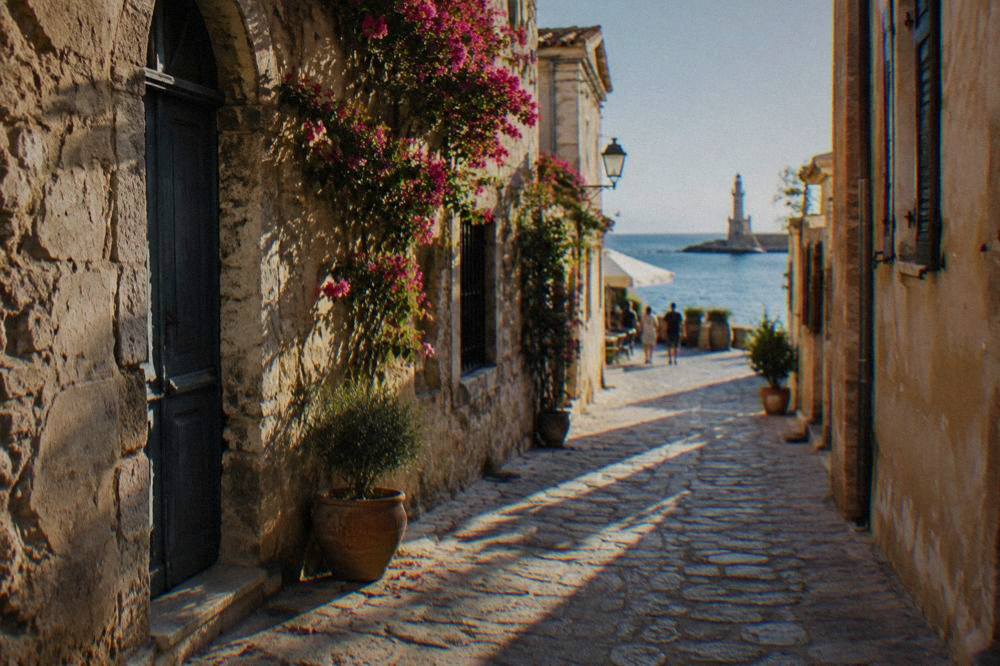
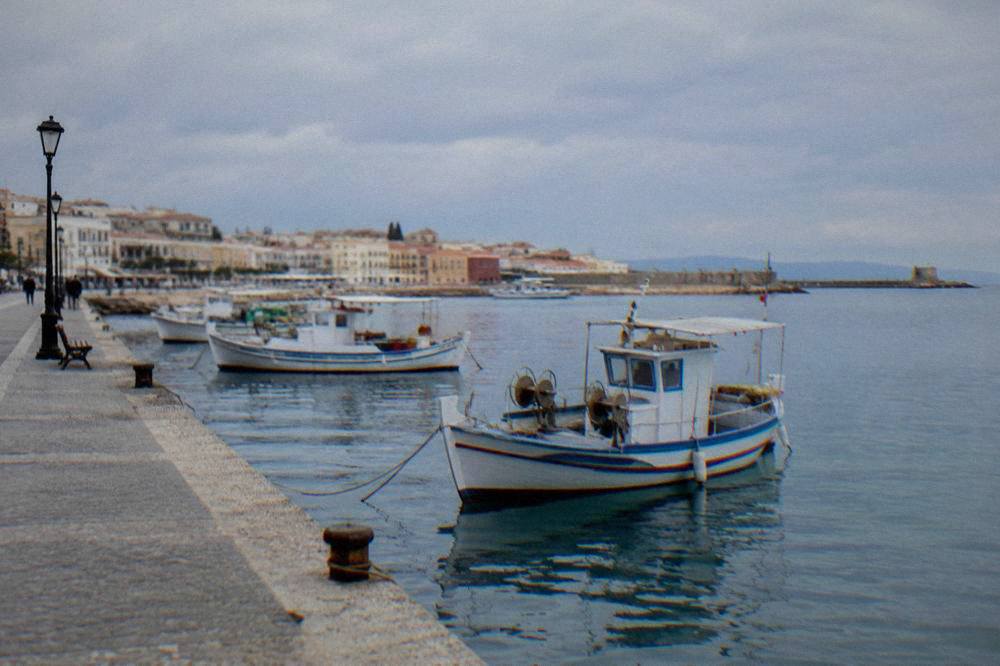
Day one should cover the Old Town on foot: the Venetian Harbour from the Firka Fortress end, the lighthouse mole, the Municipal Market, and the back streets of Splantzia, with the Maritime Museum and the mosque as short stops, since the whole circuit sits inside a compact area bounded by the first Venetian walls of 1336 to about 1356 and the second walls from 1536 built to Michele Sanmicheli's design. Firka Fortress itself dates from 1620 and its grounds are free, which makes it the natural first stop and the best vantage over the harbour mouth. Ottoman rule began with the 1645 conquest of Chania, and union with Greece came in 1913, so the streets carry both layers visibly.
The harbour is for excursion boats, not ferries, and that distinction shapes the day. Small cruise and sunset boats leave from the quay, while the Piraeus ferry departs Souda port about 7 km east. A late-afternoon harbour circuit on foot costs nothing, and the Venetian Harbour guide and the lighthouse page describe each structure with its dates.
| Sight | Verified detail | Cost basis |
|---|---|---|
| Firka Fortress | Built 1620, Venetian | Grounds free |
| Venetian Harbour | First built 1320 to 1356 | Free to walk |
| Lighthouse | About 1595 to 1601, Egyptian-era restoration 1830 to 1840 | Free to walk the mole |
| Neoria shipyards | Seven survive of seventeen, 15th to 16th century | Viewed from outside |
| Municipal Market | Central Old Town landmark | See the market page |
Day one is also the day to confirm the two bookings that carry the week: the Balos boat and the gorge transport. The desk's featured anchor for the week is the Full-Day Balos Cruise From Kissamos, and its live listing can be checked at Check availability.
How Do You Plan Balos And Gramvousa On Day Two?
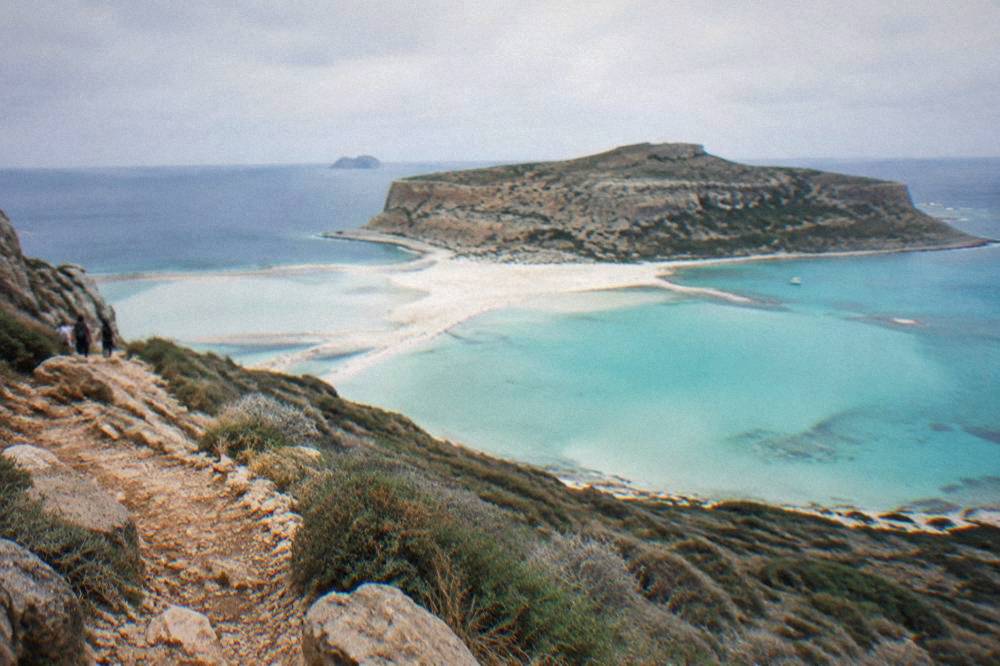
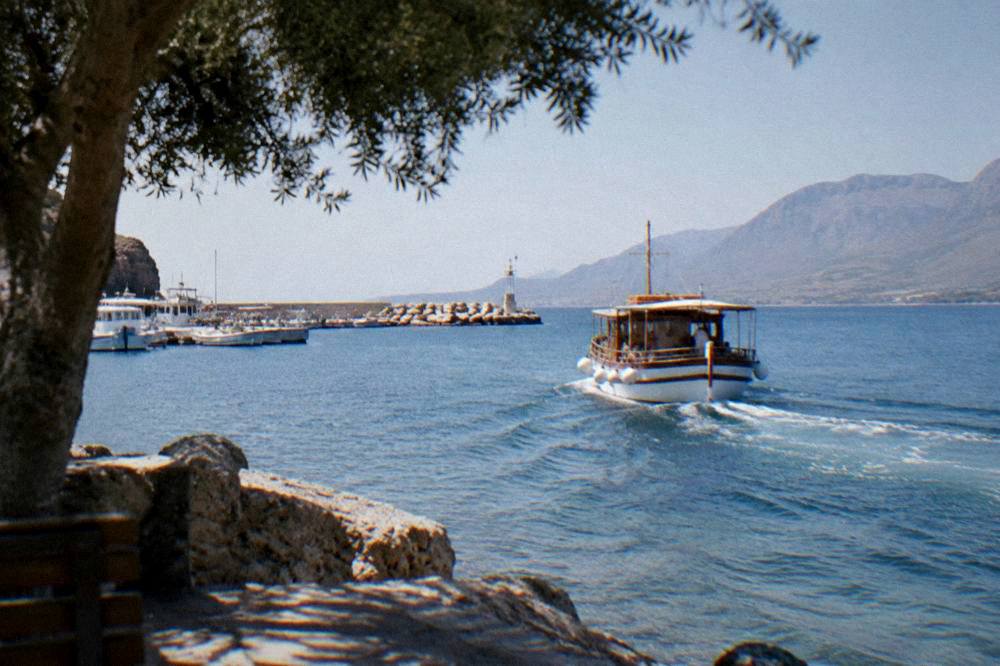
Balos and Gramvousa is a boat day from Kissamos port, with a EUR 1 Kissamos municipal fee collected on the boat ticket for over-13s as the only confirmed charge, and the operator's timetable runs daily departures to 31 October 2026, so day two should be the first flexible day of the week, booked with a weather window in mind rather than locked to a fixed date. The lagoon can also be reached by the unpaved road from Kaliviani to a parking area followed by a walk down, but the boat combines the lagoon with Gramvousa island itself, which the road does not. A time-slot visitor cap of about 1,200 people per three hours was proposed in August 2026 and is not in force.
Two versions of the day exist and both are in this site's roster. The Kissamos departure is the classic, while a pickup-included version collects from Chania and Rethymno hotels and carries the boat ticket. Both exclude nothing but the municipal fee described above; check the listing for what the fare covers.
The full detail on the lagoon, the road option and the season sits in the Balos Lagoon and Gramvousa day trip guide. Read it before choosing boat over road, because the walk down from the parking area is a real factor in hot weather.
Should You Book The Balos Boat Or Drive To The Lagoon?
The boat is the plan that fits a week itinerary, because it bundles the Gramvousa island stop with the lagoon, removes the unpaved road from Kaliviani, and returns to Kissamos on a fixed timetable, while driving gives independence but trades it for the rough road, the parking area and a walk down on foot. The listing for each boat shows the departure port, the island stop and the return time, and the operator's own page is where the day's shape is confirmed. For a guided version with the ride from Chania handled, the pickup-included Balos trip is the alternative.
What Makes Samaria Or Imbros The Right Gorge For Day Three?
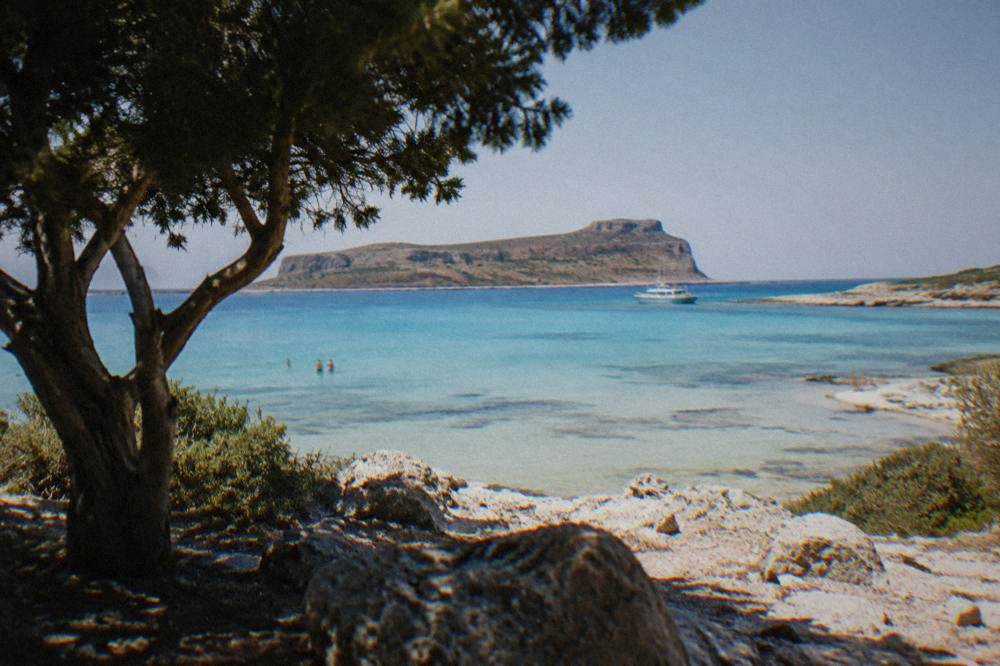
Samaria Gorge is the one-way 1 May to 31 October park walk from Xyloskalo on the Omalos plateau down to Agia Roumeli, with a EUR 10 individual ticket through the NECCA e-ticket portal, entry between 07:00 and 13:00 and everyone out by 18:00, but it is closed or delayed when storms damage the path, and storms in late September and early October 2026 destroyed sections, so the NECCA status has to be checked before the day is fixed. No swimming and no camping are allowed in the park, and no daily visitor cap is on record. Boats leave Agia Roumeli for Sougia or Chora Sfakion about 17:30, then a KTEL bus completes the return, as reported.
The organised version from Chania bundles the guide and the transport, and its price excludes the separate entrance and ferry charges, which is the detail to read on the listing before booking.
Imbros Gorge is the fallback and, for many weeks, the better choice. It is a shorter walk, it runs as a guided hike with a village visit or as a hike paired with a Sfakia coastal stop, and it does not depend on the Samaria path status. The desk's Samaria Gorge guide and Imbros Gorge page carry the full route detail, and the comparison question is answered in which gorge is better for hiking, Samaria or Imbros style depth on those pages.
| Gorge | Entry basis | Route shape | Status caveat |
|---|---|---|---|
| Samaria | EUR 10 ticket, NECCA portal, free for EU under 18 and over 65 | One-way, Xyloskalo to Agia Roumeli, boats about 17:30 | Closed or delayed when storms damage the path; check NECCA |
| Imbros | Organised hike, transport included | Shorter walk, village or Sfakia pairing | Runs as listed, confirm on the listing |
How Does Elafonisi Fit Into A West Crete Week?
Elafonisi sits at the south-west corner of Crete as a Natura 2000 protected area where entry is reported to be free and taking sand, shells or plants is prohibited, so day four is a long but unhurried beach day, reached from Chania by road through the Elos village country, and it pairs naturally with a stop in Elos itself or with the honey and wine tastings that several organised tours build into the route. The KTEL summer network includes an Elafonisi route, and the Chania bus station on Kydonias street is where it starts. No parking fee, sunbed price or quota of any kind is printed here, because none is verified: confirm locally on the day.
The organised day trip with tastings is the version that turns the long drive into part of the day, with stops at Elos and producers along the way. The plain beach transfer exists too for readers who want only sand and water. The full place guide is Elafonisi beach.
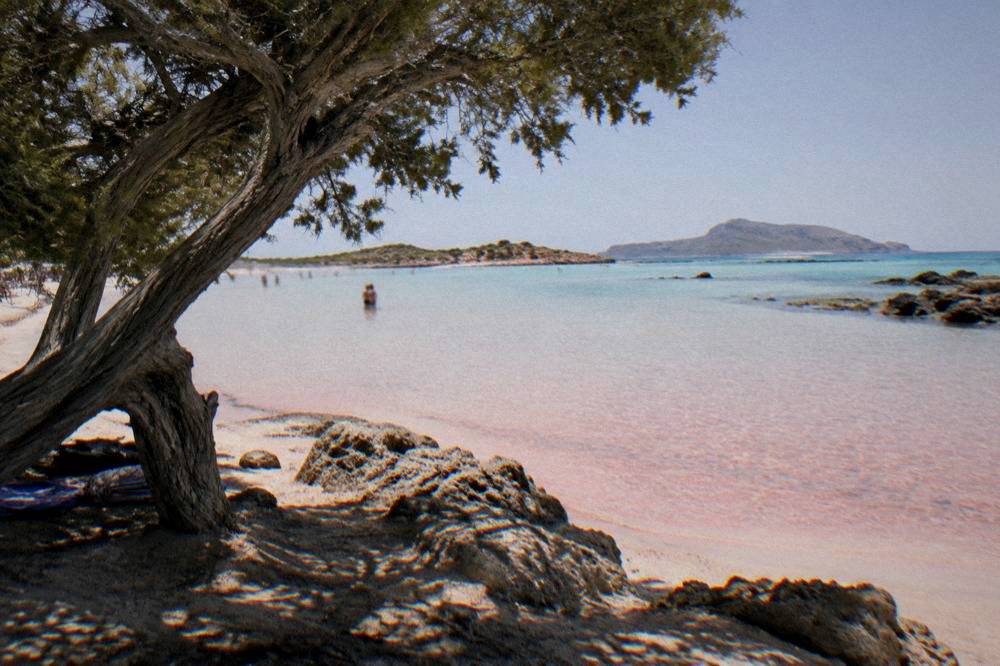
Day five belongs to Falassarna, the long beach on the west coast north of Elafonisi, which can be a standalone day or the second half of a two-beach plan. The Falassarna beach guide covers the coves, and organised small-group tours combine Elafonisi and Falassarna with snacks when one long day is preferred over two.
| West Crete beach | Setting | Protected status | Confirmed charge |
|---|---|---|---|
| Balos | Lagoon and island, boat or unpaved road | Part of wider Gramvousa area | EUR 1 municipal fee on boat ticket, over-13s |
| Elafonisi | South-west corner, shallow water | Natura 2000 | Entry reported free |
| Falassarna | Open west coast beach | None stated | None stated |
What Should The South Coast Days Look Like?
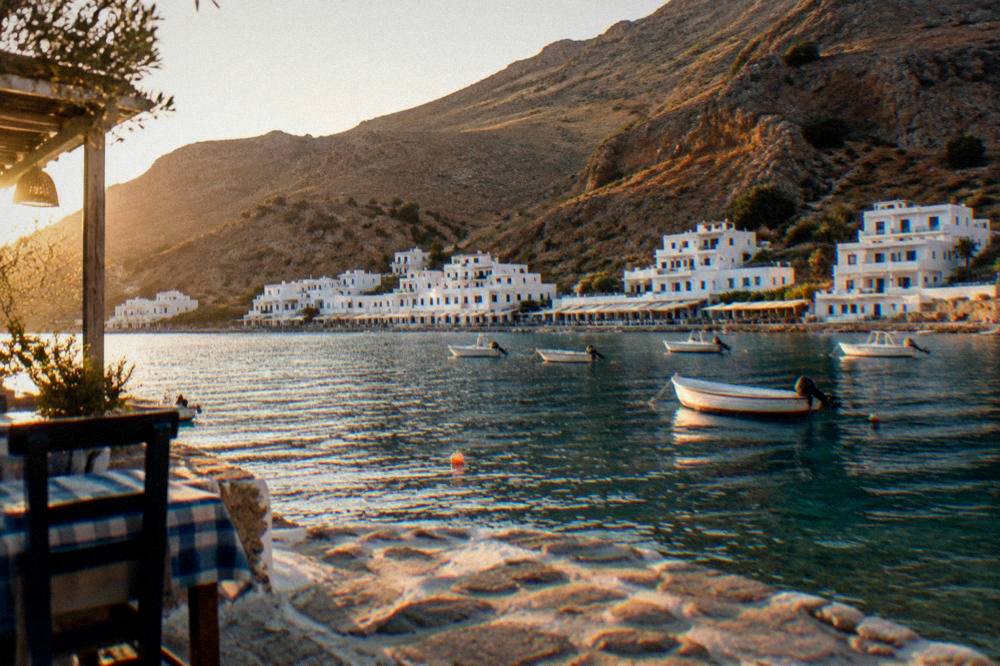
The south coast days should be slow ones, because places like Loutro, Chora Sfakion, Sougia and Paleochora sit on the Libyan Sea side of the White Mountains and are reached by winding roads or by boat, with Gavdos boats running from Paleochora and Sougia in season, so the plan is one village day rather than a circuit, and a guided Loutro tour with boat tickets included is the way to do it without self-driving the Sfakia road. The Samaria exit route already touches this coast, since the walk ends at Agia Roumeli and the boat continues to Sougia or Chora Sfakion, which is why a dedicated south coast day after the gorge can feel repetitive if it repeats the same stretch. Choose Loutro if the gorge day ended at Sougia, or Paleochora if it ended at Chora Sfakion.
Paleochora doubles as the Gavdos jumping-off point in season, though no Gavdos timetable is published here. The Loutro and Sfakia guide and the Paleochora page hold the village detail. For readers who prefer freshwater to salt for a change, Lake Kournas sits inland and pairs with the Argiroupoli springs on an organised day.
What Should You Know About Seasons, Driving And The Last Day?
The season decides the whole week, because the HNMS Chania Souda station table for 1958 to 2010 shows May to September as the dry window, with 13.5 mm of rain in May falling to 1.0 mm in July, while October rises to 67.7 mm and January carries 129.5 mm, so boat and gorge days belong to the dry months and city and museum days absorb the shoulder season. January is the wettest month and July the driest in that table. Mean temperatures run from 11.0 C in January to 26.7 C in July, with mean maxima of 30.7 C in July and 30.4 C in August, and the prevailing wind is west, north-west in July and August.
| Month | Mean C | Mean max C | Rain mm | Rain days |
|---|---|---|---|---|
| Jan | 11.0 | 14.4 | 129.5 | 16.3 |
| Mar | 12.7 | 16.6 | 76.0 | 11.5 |
| May | 20.2 | 24.5 | 13.5 | 4.2 |
| Jul | 26.7 | 30.7 | 1.0 | 0.4 |
| Sep | 23.2 | 27.4 | 15.4 | 3.2 |
| Oct | 19.4 | 23.5 | 67.7 | 9.3 |
Source: HNMS Chania Souda station, station records 1958 to 2010.
Driving is how the beach and village days run. There is no railway on Crete, the KTEL network covers Heraklion, Rethymno, Kissamos, Paleochora, Omalos and, in summer, Elafonisi from the Kydonias street station, and the airport is about 14 km from the centre. The driving in Crete and Chania parking pages cover the practical side, and the getting around Chania page compares bus and car. One country-level fact is fixed: Greece uses the euro, since 1 January 2001, and is a Schengen member with internal checks abolished since 26 March 2000. Accommodation in the region collects the climate crisis resilience fee per room or apartment per night at seasonal rates; confirm the amount at booking.
With no railway on the island, book a rental car here.
The last day belongs to the city again. The Archaeological Museum of Chania at 15 Skra Street in Halepa charges EUR 15 full and EUR 8 concession, its visit page is where current hours are confirmed since its listed schedules contradict each other, and visitors are asked to leave 20 minutes before closing. Halepa itself, Nea Chora beach for a final swim, and an evening circuit of the harbour close the week. The Chania in three days itinerary is the fallback plan if the week shortens, and things to do in Western Crete beyond Chania extends it.
Which Tours Anchor A West Crete Week?
Three tours anchor the week and they are all day trips from the Chania area: the Kissamos boat cruise to Balos and Gramvousa, the guided Samaria Gorge trek, and the pickup-included Balos day that collects from Chania and Rethymno, with the choice between the two Balos versions coming down to whether the week's plan already includes a car. Each listing shows its own inclusions, and for the Samaria day the separate entrance and ferry charges sit outside the tour price, which is the number to read twice before booking. The gorge's path status is the single biggest variable in the week, so book it with cancellation terms in mind.
| Day of week | Anchor tour | What the listing covers | Separate charges |
|---|---|---|---|
| Day 2 | Balos cruise from Kissamos | Boat to Balos and Gramvousa | EUR 1 municipal fee, over-13s |
| Day 3 | Samaria trek with guide | Guide and transport from Chania | EUR 10 entrance, boat from Agia Roumeli |
| Day 2 alternative | Balos with pickup | Hotel pickup and boat ticket | EUR 1 municipal fee, over-13s |
Common Questions About A West Crete Itinerary
Is one week enough for West Crete?
One week covers Chania, Balos and Gramvousa, one gorge, Elafonisi, Falassarna and one south coast village at an unhurried pace. Two weeks would add Gavdos, the Apokoronas villages and the Akrotiri monasteries.
Where should I base myself for a West Crete itinerary?
Chania is the practical base: the airport is about 14 km away, the KTEL bus station on Kydonias street serves the region, and the main day trip operators collect from the city. Kissamos works as a second base for a slower Balos-focused stay.
Do I need a car for a week in West Crete?
A car helps for Elafonisi, Falassarna and the south coast villages. The KTEL summer network reaches Elafonisi, and the main gorge and boat days run as organised trips with transport included, so a car-free week is possible with booking.
When is the best month for this itinerary?
The HNMS Chania Souda station table, 1958 to 2010, shows May to September as the dry window, with July rain at 1.0 mm and October at 67.7 mm. May, June and September balance warm means of 20.2 C, 24.7 C and 23.2 C against thin crowds on the boats.
Can Samaria Gorge close during my week?
Yes. The gorge normally runs 1 May to 31 October but closes or delays when storms damage the path, and storms in late September and early October 2026 destroyed sections. Check the NECCA status before the day and keep Imbros as the fallback.
Is the Balos day better by boat or by road?
The boat includes the Gramvousa island stop and avoids the unpaved road from Kaliviani and the walk down from the parking area. The road gives independence and more hours at the lagoon itself. The EUR 1 municipal fee applies on the boat ticket for over-13s.
A week built this way leaves nothing in West Crete more than a day from the base, and every booking that carries weather risk, the boat and the gorge, sits early enough in the plan to be moved if the forecast or the path status changes.