Archaeological Museum Of Chania
The Archaeological Museum of Chania sits in the Halepa district east of the Old Town, with a full ticket at EUR 15 and a concession at EUR 8. This guide covers the address, the price, the neighbourhood around it and how to fit it into a day in Chania.
Short answer
The Archaeological Museum of Chania is at 15 Skra Street in the Halepa district, about a 30 minute walk east of the Old Town along the seafront. The full ticket is EUR 15 and the concession is EUR 8. Opening hours and closing days should be checked on the museum's own visit page before you set out.
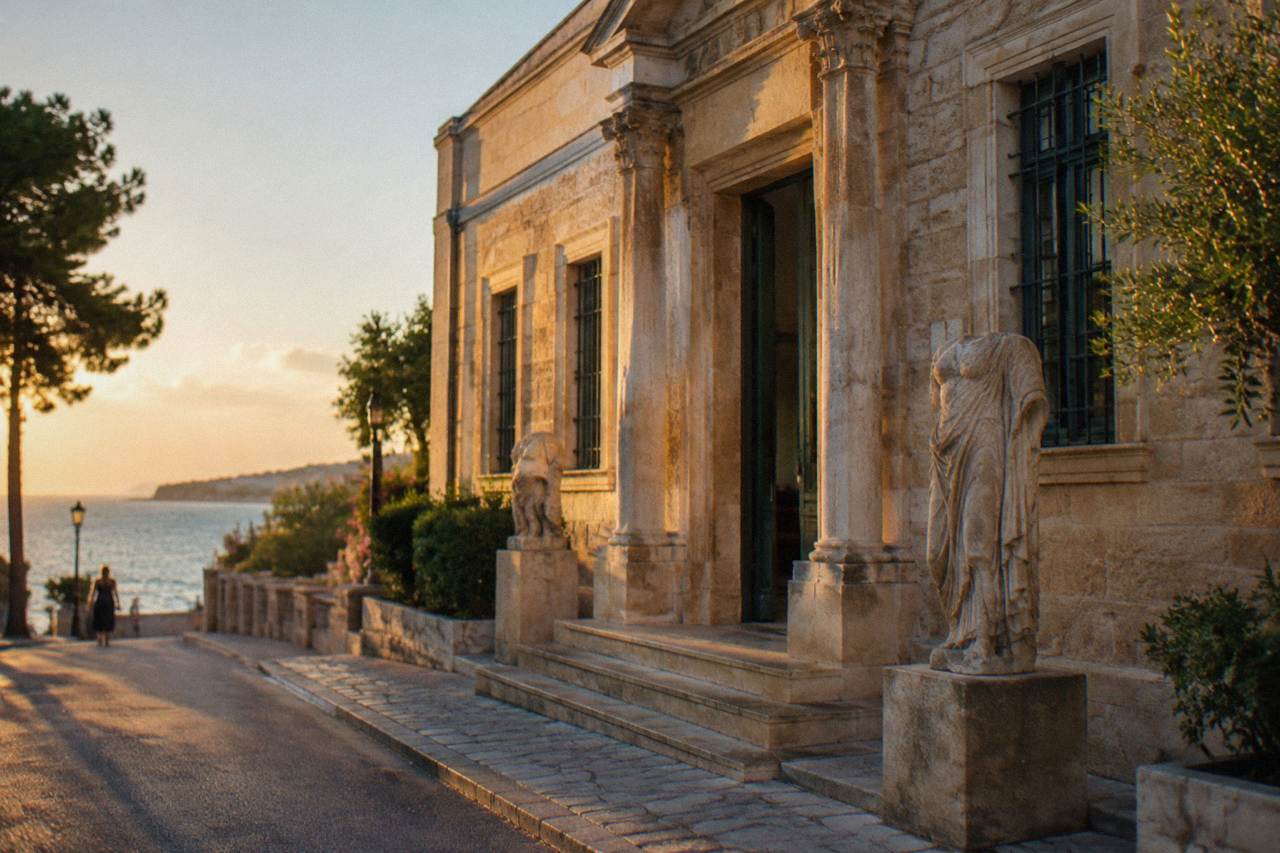
The Archaeological Museum of Chania stands at 15 Skra Street in the Halepa district, a leafy quarter east of the Old Town where the consulates and merchant houses of an earlier era still line the seafront roads. The museum's own visit page lists a full ticket at EUR 15 and a concession at EUR 8, and visitors are asked to leave 20 minutes before closing. Chania itself is a coastal city on the north-west coast of Crete, Greece, and the museum is the city's main home for the island's archaeological finds, set slightly apart from the harbour crowds that define the centre.
This page from the Chania Crete Travel Guide desk sets out what is verified about the museum, what the surrounding Halepa district offers, and how to fold the visit into a wider day in the city. Where a detail, such as the current opening hours, has not been confirmed from a primary source, the page says so and points to where you can check it yourself. Nothing here is a promise about a timetable, and the storm-related closures that affect the island's gorges in some seasons are a reminder of why official pages are worth a look before any outing.
Where Is The Archaeological Museum Of Chania And How Do You Get There?
The Archaeological Museum of Chania is at 15 Skra Street in the Halepa district, east of the Old Town and set back from the seafront on a quiet residential street, roughly 30 minutes on foot from the Venetian Harbour along the coastal road, with the district itself holding several other sights that make the walk part of the visit rather than a detour.
Halepa grew as Chania's diplomatic quarter, and its streets still carry the mansions and consulates of that period. Walking out from the Old Town, the route runs along the seafront past the eastern edge of the harbour, then into Halepa's grid of calm avenues. The museum's address is 15 Skra Street, and the museum's own page gives this address alongside its ticket prices.
The district rewards the walk. The Etz Hayyim Synagogue sits back toward the Old Town as a separate destination in its own right, and the Halepa seafront offers open water views without the harbour's bustle. Anyone structuring a first day in the city can look at the one day Chania itinerary for how a museum hour slots between the harbour, the market and a swim stop.
Practical points worth knowing before the walk:
| Item | Detail |
|---|---|
| Address | 15 Skra Street, Halepa, Chania |
| Full ticket | EUR 15 |
| Concession ticket | EUR 8 |
| Hours and closing days | Check the museum's own visit page before going |
| Leaving time | Visitors are asked to leave 20 minutes before closing |
No bus fare, taxi fare or parking tariff for the Halepa trip is printed here, because none of those figures is confirmed on an official page. The airport's own site carries public bus and taxi information for the city, and the airport itself, Chania International Airport "Ioannis Daskalogiannis" on the Akrotiri peninsula, is about 14 km from the centre, a distance that shapes how any arrival day is planned.
What Do Tickets To The Archaeological Museum Of Chania Cost?
The full ticket to the Archaeological Museum of Chania is EUR 15 and the concession ticket is EUR 8, as listed on the museum's own visit page, and no combined ticket, family rate or free day is listed there, so anything beyond those two numbers should be checked directly with the museum before you arrive at the door.
Two numbers, plainly stated, are what the source gives. The concession category covers the reduced rate the museum publishes; the full list of who qualifies sits on the museum's page rather than in this guide, and printing a guessed eligibility list would be exactly the kind of detail that changes between seasons.
It helps to put the price in the context of a day's spending in Chania. The city's other major institutions are handled in the guide to the Maritime Museum of Crete, where no price or hours are printed because none are verified, and at Firka Fortress, where the grounds are free and the fort dates from 1620. A harbour-side circuit that takes in Firka's free grounds and then the paid museum in Halepa makes a balanced pair.
One charge that is often confused with attraction entry is the climate crisis resilience fee, collected by accommodation per room or apartment per night with seasonal rates. That fee is paid at your lodging, not at the museum door, and the exact current amounts should be confirmed at booking rather than assumed.
What Can You See Around The Museum On The Same Walk?
The walk out to the museum doubles as a tour of Chania's eastern Old Town and the Halepa district, taking in the Venetian Harbour, the Firka Fortress grounds, the lighthouse on the harbour mole and the Halepa seafront, a chain of sights that spans the city's recorded history from harbour works first built between 1320 and 1356 up to the mansions of the diplomatic era.
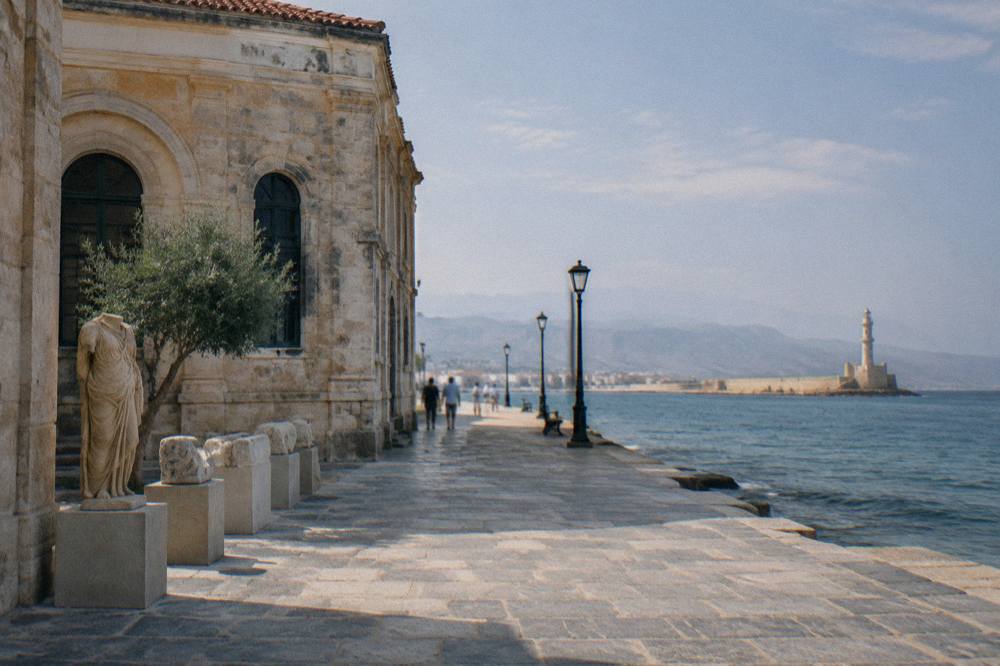
Start at the harbour. The Venetian Harbour was first built between 1320 and 1356, with dredging and a wall recorded in 1515, and the lighthouse of Chania stands on the mole, a Venetian structure of about 1595 to 1601 that was restored during the Egyptian rule of 1830 to 1840 and recorded as operating in 1839. The Neoria, the Venetian shipyards, survive as seven buildings of an original seventeen from the 15th to 16th century, and the city's first Venetian walls date from 1336 to about 1356, with the second walls from 1536 built to Michele Sanmicheli's design.
A short timeline of the dated history around the museum walk:
| Period | Dated event in Chania |
|---|---|
| 1320 to 1356 | Venetian Harbour first built |
| 1336 to about 1356 | First Venetian city walls |
| 1536 onward | Second walls to Michele Sanmicheli's design |
| About 1595 to 1601 | Lighthouse built on the harbour mole |
| 1620 | Firka Fortress built by the Venetians |
| 1645 | Ottoman conquest of Chania begins Ottoman rule |
| 1830 to 1840 | Lighthouse restored during Egyptian rule, operating 1839 |
| 1913 | Union of Crete with Greece |
The Ottoman era began with the 1645 conquest of Chania, and the union of Crete with Greece came in 1913, so the streets between the harbour and Halepa carry layers from Venetian, Ottoman and modern Greek periods without a single plaque doing the work for you. The Old Town guide covers those quarters street by street.
After the museum, the day can bend toward food. Crete's cuisine is its own record of the island's history, and a cooking class in a mountain village turns a museum morning into a full sensory afternoon.
Is The Museum Worth Including On A Short Chania Visit?
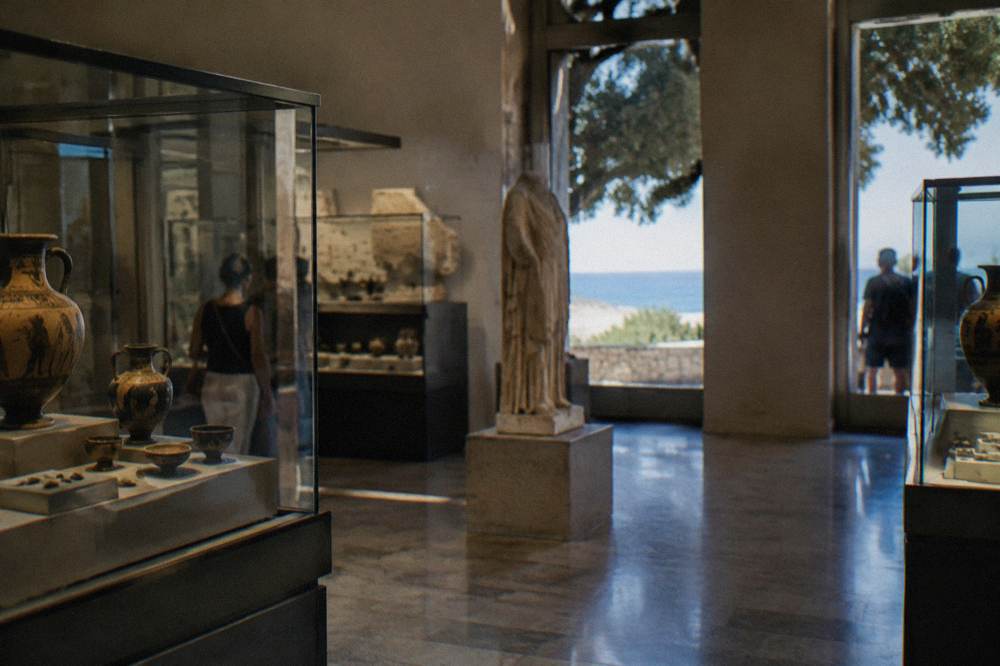
On a short visit the Archaeological Museum of Chania earns its place by giving context to everything else you will see in the city and the region, and the honest planning answer is that it suits the morning of day one or day two, before the harbour walk and before any beach or gorge day trip, because the island's story explains the harbour, the walls and the mountain villages in a way that walking alone cannot.
Chania rewards a rough split of days. The city itself, meaning the Old Town, the harbour, the market and the nearest beaches, fills one or two days comfortably. The two days in Chania itinerary and the three days in Chania itinerary show how the museum hour sits alongside the Municipal Market and the seafront. Beyond the city, the island's headline excursions, Balos and Gramvousa, Elafonisi, Samaria, Imbros, Falassarna and the drives to Rethymno and Knossos, each consume a full day.
The museum acts as the interpretive key to those trips. Crete's archaeology is the reason the island is on the map for many travellers, and Chania's museum is the western island's share of that record. A visitor who understands the sweep of the island's past before standing at Firka Fortress or driving into the White Mountains reads the landscape differently afterwards.
A planning comparison of the city's sight anchors:
| Sight | Verified entry detail | District |
|---|---|---|
| Archaeological Museum of Chania | EUR 15 full, EUR 8 concession | Halepa |
| Firka Fortress | Grounds free, fort dates from 1620 | Harbour west end |
| Maritime Museum of Crete | Price and hours unconfirmed, check directly | Harbour, at Firka |
| Venetian Harbour and lighthouse | Open public waterfront | Old Town |
For cruise passengers the arithmetic is tighter. The cruise port day guide handles the compressed version, where the museum competes directly with a harbour circuit and a beach stop.
How Does The Weather Affect A Museum Day In Chania?
Weather in Chania follows a Mediterranean pattern recorded by the HNMS Chania Souda station for the period 1958 to 2010, with July means of 26.7 C and just 1 mm of rain against January means of 11 C and 129.5 mm, so the museum works as the reliable indoor anchor of a Chania stay in the wet months and as a cool morning stop in the dry summer, when rain is close to absent.
The station table is worth reading rather than paraphrasing. Rain days run from 16.3 in January down to 0.4 in July, and rainfall climbs again from October, at 67.7 mm. May to September is the dry stretch, with 13.5 mm in May and 1.0 mm in July.
| Month | Mean C | Rain mm | Rain days |
|---|---|---|---|
| Jan | 11.0 | 129.5 | 16.3 |
| Feb | 11.0 | 104.0 | 14.5 |
| Mar | 12.7 | 76.0 | 11.5 |
| Apr | 15.9 | 31.5 | 7.7 |
| May | 20.2 | 13.5 | 4.2 |
| Jun | 24.7 | 3.4 | 1.2 |
| Jul | 26.7 | 1.0 | 0.4 |
| Aug | 26.3 | 1.4 | 0.6 |
| Sep | 23.2 | 15.4 | 3.2 |
| Oct | 19.4 | 67.7 | 9.3 |
| Nov | 15.8 | 77.0 | 11.2 |
| Dec | 12.7 | 101.9 | 16.1 |
These are station records from the HNMS Chania Souda station for 1958 to 2010, the table the service publishes, and they are labelled as such rather than as a newer normal. Humidity in the same table runs from 50 percent in July to 73 percent in January, and the prevailing wind is west, turning north-west in July and August. In the table January is the wettest month and July the driest.
The seasonal read for museum planning is simple. In winter, when 16 rain days a month are on record, the museum is a genuine main event rather than a filler, and the city's colder months are covered in the winter guide. In summer it is a shaded morning stop before the heat of the afternoon, paired with a swim at Nea Chora beach or a longer run to the island's famous sands.
What Day Trips Pair Well With A Museum Morning?
The verified day trips from Chania that pair with a museum morning are the Elafonisi beach runs to the south-west, the Samaria Gorge trek from the Omalos plateau, and the Imbros Gorge, Falassarna and Apokoronas village tours, each a full-day outing that leaves the museum as the calm half-day anchor in the city before or after.
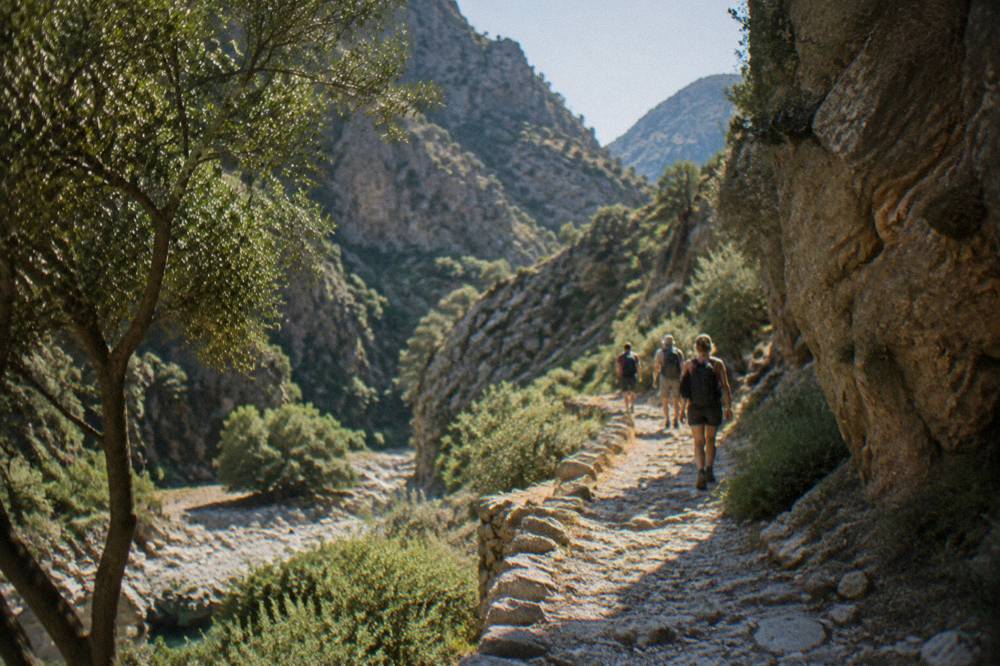
The pairing logic is about energy. The gorge and beach days are long outings into terrain where the weather and the season matter. Samaria Gorge is a one-way walk from Xyloskalo on the Omalos plateau down to Agia Roumeli, where boats leave for Sougia or Chora Sfakion at about 17:30 before a KTEL bus back, and the gorge normally runs 1 May to 31 October. That "normally" carries weight right now: storms in late September and early October 2026 destroyed sections of the path, staff have called a 2026 reopening extremely difficult, and works are aimed at readiness in May 2027, so the NECCA status must be checked before any Samaria plan is made. The individual ticket is EUR 10 through the NECCA e-ticket portal, free for EU residents under 18 and over 65, and tour prices exclude that separate entrance fee and the ferry.
Elafonisi, by contrast, is a Natura 2000 protected area where entry is reported to be free and taking sand, shells or plants is prohibited. No parking fee or sunbed price for Elafonisi is printed here, because none is verified. Balos runs out of Kissamos port with daily departures to 31 October 2026, operator-reported, and the only confirmed charge there is a EUR 1 Kissamos municipal fee collected on the boat ticket for over-13s; a proposed time-slot cap of about 1,200 visitors per three hours was put forward in August 2026 but is not in force.
A comparison of the headline outings:
| Day trip | Season and access | Confirmed charges |
|---|---|---|
| Samaria Gorge | Normally 1 May to 31 October, storm closures possible, check NECCA status | EUR 10 ticket, free for EU under-18 and over-65 |
| Elafonisi | Natura 2000 area, no seasonal gate published | Entry reported free |
| Balos and Gramvousa | Kissamos port, daily departures to 31 Oct 2026, operator-reported | EUR 1 municipal fee on the boat ticket, over-13s |
| Imbros Gorge | Full-day outing from Chania | None confirmed |
For visitors who want the island's food culture rather than its trails, a tasting day works the same way: a city morning at the museum, then an afternoon or a following day given to olive oil, wine, cheese and honey.
Can You Visit The Museum With Children Or On A Rainy Day?
The Archaeological Museum of Chania is well suited to both a rainy day and a visit with children, because it is indoors, compact and close to the Old Town, and Chania's rain concentrates between October and March, when the station table records 67.7 mm in October rising to 129.5 mm in January, so a wet-day plan built around the museum, the market and harbour-side cafes uses the city's indoor anchors in the months when rain days run above nine a month.
The rainy-day guide collects the full set of options, from the museum to the harbour's covered arcades and the market hall. With children, the museum pairs naturally with short outdoor legs: the harbour wall, the Firka grounds, which are free, and the seafront walk to Halepa itself, which has no entry charge and no ticket at all.
Families planning a longer stay can draw on the Chania with kids itineraries and the beach guides for Agia Marina, Stavros and Marathi, all of which sit within a short drive of the centre. The museum then becomes the quiet hour between swims rather than the whole day.
How Do You Combine The Museum With The Rest Of Halepa?
A full Halepa half-day runs from the Old Town along the seafront to the Archaeological Museum at 15 Skra Street and back through the district's consular-era streets, and because the museum's own page asks visitors to arrive allowing time to leave 20 minutes before closing, the sensible plan fixes the museum slot first and lets the neighbourhood fill the rest of the morning or afternoon around it.
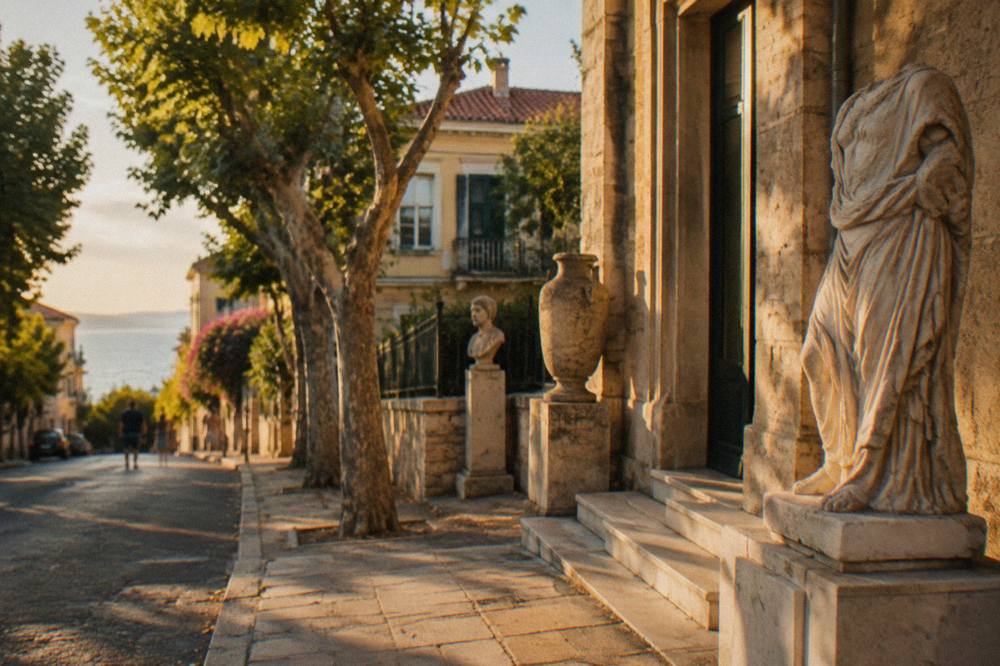
Halepa's character is residential and calm. The district was Chania's diplomatic quarter, and its mansions and former consulates give it a different register from the harbour's tourist front. There is no published walking route or timed circuit for the district on any official page this desk has read, so the honest advice is to wander: the seafront road, the streets behind it, and the connective tissue back toward the Splantzia end of the Old Town.
Two practical notes close the Halepa picture. First, the museum's hours and closing days are on the museum's visit page, and since a source conflict exists about the weekly schedule, this guide prints no hours at all: check the page on the day you plan to go. Second, the district sits on flat ground by the sea, which makes it one of the easier walks in a city whose Old Town lanes can be steep and cobbled.
Where Should You Eat Before Or After The Museum?
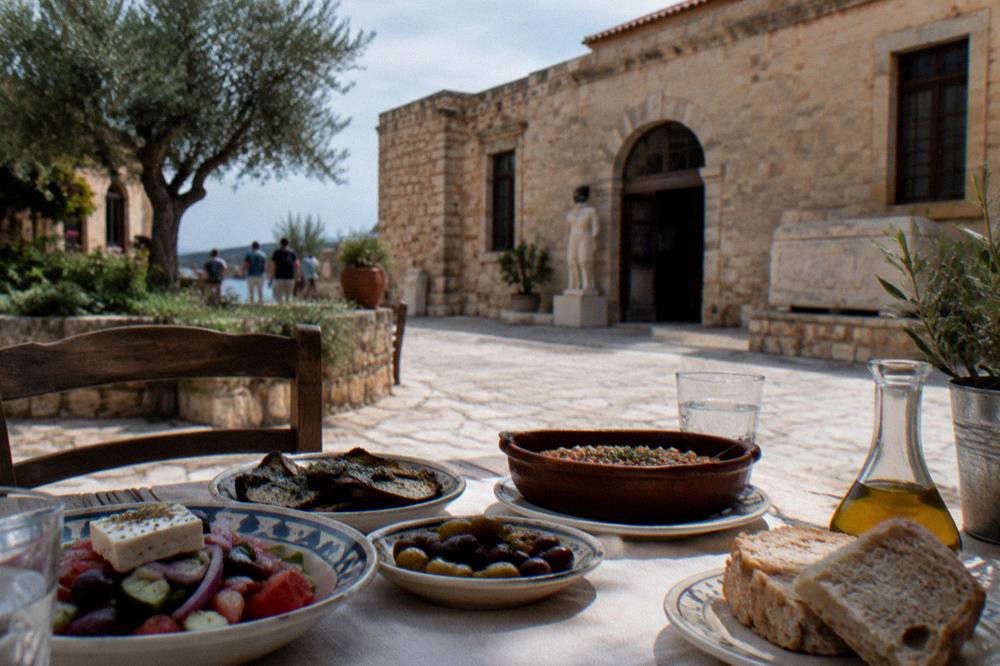
Eating around a museum visit in Chania means choosing between the Halepa seafront's quieter tables and the Old Town's dense restaurant quarter back toward the harbour, and the verified entry on the food side is the city's culinary identity itself: Cretan cooking, built on olive oil, cheese, honey, wine and mountain-grown produce, with tasting walks and cooking classes that turn a museum morning into an afternoon in a village kitchen or a walk between the harbour's food stops.
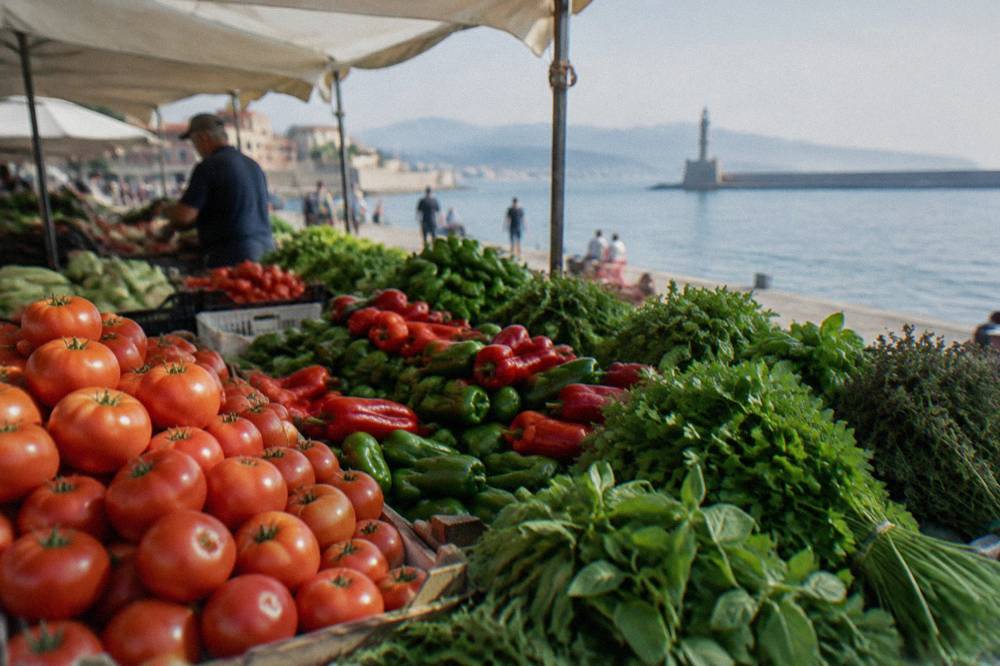
The city's restaurant landscape is covered in depth on the site's food pages, so this section stays on planning. A morning at the museum slots naturally before a late lunch: walk back along the seafront toward the harbour and the Municipal Market, where the island's raw materials, oil, honey, cheese and herbs, are on open display, and the market hall is itself one of the city's landmark buildings.
For visitors who want to go one step further than eating, the cooking classes around Chania teach the dishes the island is known for, often in village settings in the White Mountains. The listing for the Cretan cooking class covers what the session includes and current availability.
What Else Should You Know Before You Go?
Before visiting the Archaeological Museum of Chania, the essentials are the address, 15 Skra Street in Halepa, the tickets, EUR 15 full and EUR 8 concession, a check of the museum's own visit page for hours and closing days, and the wider context that Greece uses the euro, is a Schengen member with internal checks abolished since 26 March 2000, and now runs the EES entry system fully deployed across Schengen since 10 April 2026, while ETIAS is not in operation and collects no applications as of October 2026.
Those border facts matter for non-EU visitors planning any Greek trip, and they are stated plainly because the sources state them plainly: no hedging is needed about Schengen membership, and no ETIAS start date or fee exists to quote. Chania International Airport "Ioannis Daskalogiannis", operated by Fraport Greece, sits about 14 km from the centre on the Akrotiri peninsula, and the airport's own page carries the bus and taxi information for reaching the city.
Getting around the region without a car runs through the KTEL bus station on Kydonias street, with routes to Heraklion, Rethymno, Kissamos, Paleochora, Omalos and, in summer, Elafonisi. The overnight Blue Star Ferries service to Piraeus leaves from Souda port, about 7 km east of the Old Town, with a departure around 21:30 and a crossing of about 9 hours 15 minutes per the operator's published timetable, to be confirmed at booking. The Venetian Harbour is for excursion boats only, never for the Piraeus ferry.
For walkers and hikers, the gorge options are the island's signature full-day outings, with the Samaria caveat above standing: check the NECCA status before committing.
More Visitor Questions About The Museum
Common visitor questions about the Archaeological Museum of Chania cover its location at 15 Skra Street in the Halepa district, roughly 30 minutes on foot east of the Venetian Harbour; ticket prices of EUR 15 full and EUR 8 concession; opening hours, which published sources conflict on; the flat seafront walk from the Old Town; and visit length, since no duration is published on the museum's page.
The museum is at 15 Skra Street in the Halepa district, east of the Old Town of Chania in Crete, Greece, about 30 minutes on foot from the Venetian Harbour along the seafront.
How much are tickets to the Archaeological Museum of Chania?
The museum's own visit page lists a full ticket at EUR 15 and a concession at EUR 8. Any other rate or combined ticket should be confirmed with the museum directly.
What are the opening hours of the Archaeological Museum of Chania?
Hours and closing days are on the museum's own visit page, and this guide prints none of them because the published sources conflict; check the page on the day of your visit, and note that visitors are asked to leave 20 minutes before closing.
Can you walk to the museum from Chania Old Town?
Yes. The route runs east along the seafront from the harbour into Halepa, on flat ground, passing the district's consular-era mansions before reaching Skra Street.
Is the Archaeological Museum of Chania worth it?
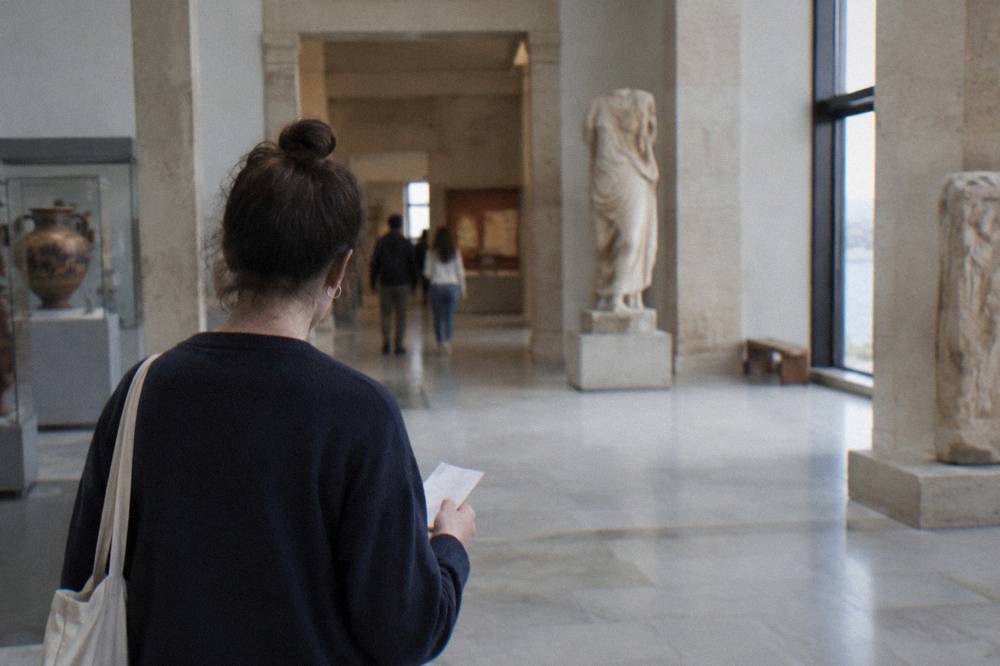
The museum is the city's main archaeological collection and gives context to the harbour, the walls and the region's sites. On a short visit it works as a one to two hour stop paired with the Halepa walk; on a rainy day it is one of the city's strongest anchors.
How long does a visit to the Archaeological Museum of Chania take?
No duration is published on the museum's page, so plan a range rather than a fixed figure: a focused visit fits inside a half-day that also includes the walk out and the Halepa seafront.
Where is the Archaeological Museum of Chania?
At 15 Skra Street in the Halepa district of Chania, Crete, roughly 30 minutes on foot east of the Venetian Harbour.
How much does it cost to get into the Archaeological Museum of Chania?
The full ticket is EUR 15 and the concession is EUR 8, as listed on the museum's visit page. Children's and other eligibility rules sit on the museum's page rather than in this guide.
Can you buy Archaeological Museum of Chania tickets in advance?
The museum's own visit page is the place to confirm current ticketing arrangements; this guide prints no booking channel for the museum because none is verified.
The museum, the harbour, the market and the mountain villages tell one continuous story, and a day that starts at 15 Skra Street and ends at a harbour table covers more of it than any single stop can.