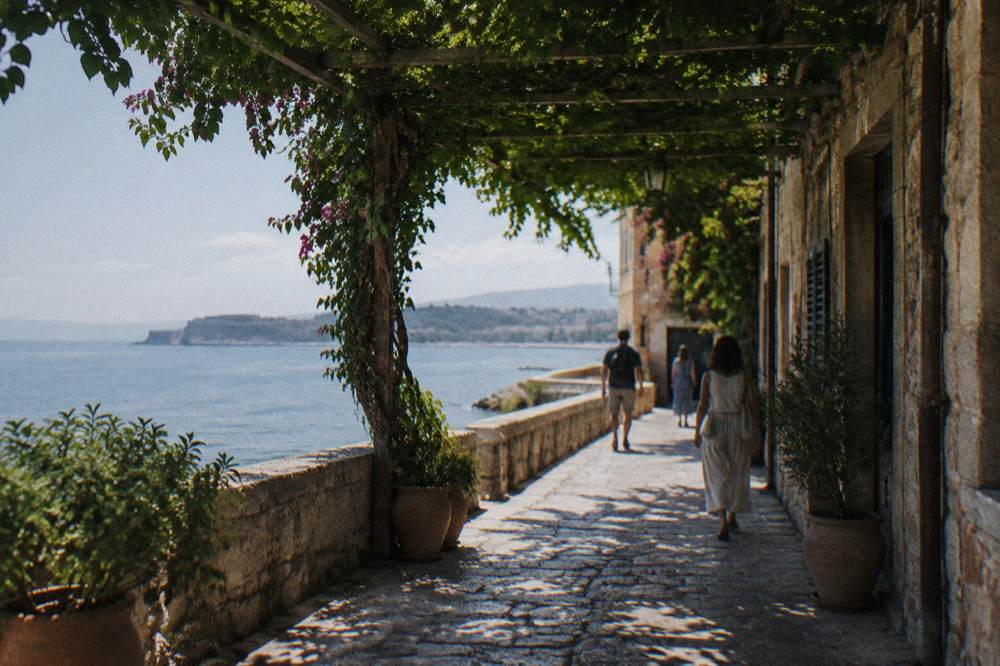
Lake Kournas Chania
Lake Kournas sits in the hill country inland of the Chania coast, and the guided day trips that reach it pair the lake with the springs and villages of the same slope of the White Mountains. Here is how the visit works.
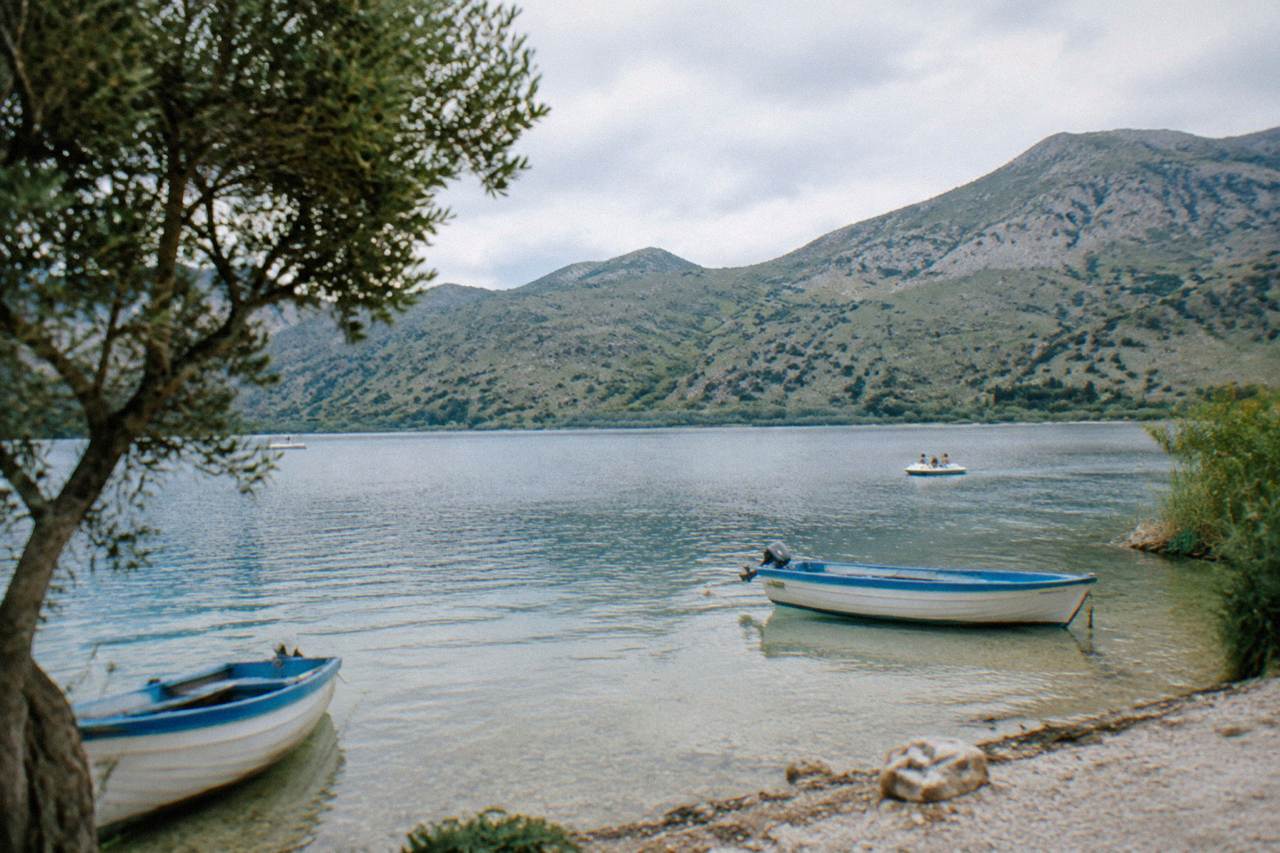
Short answer
Lake Kournas is a lake day trip from Chania, reached by rental car or by a guided tour that combines it with Argiroupoli springs. Visit May to October for dry weather, budget a full day, and check the operator's listing for what the ticket covers.
Lake Kournas is the lake stop on the inland side of the Chania region, set among the low hills and olive country that rise behind the north coast between Chania and Rethymno, and the operator's listing for the area's guided day trip presents it exactly that way: a lake and springs itinerary in one outing. The lake gives the coast-based visitor a change of register, water without salt and beaches without waves, framed by hills rather than the open Cretan Sea. This guide sets out how the trip works in practice: how to reach the lake from Chania, what the season does to the visit, what the guided options cover, and how the lake fits into a wider west Crete plan.
What Is Lake Kournas Chania?
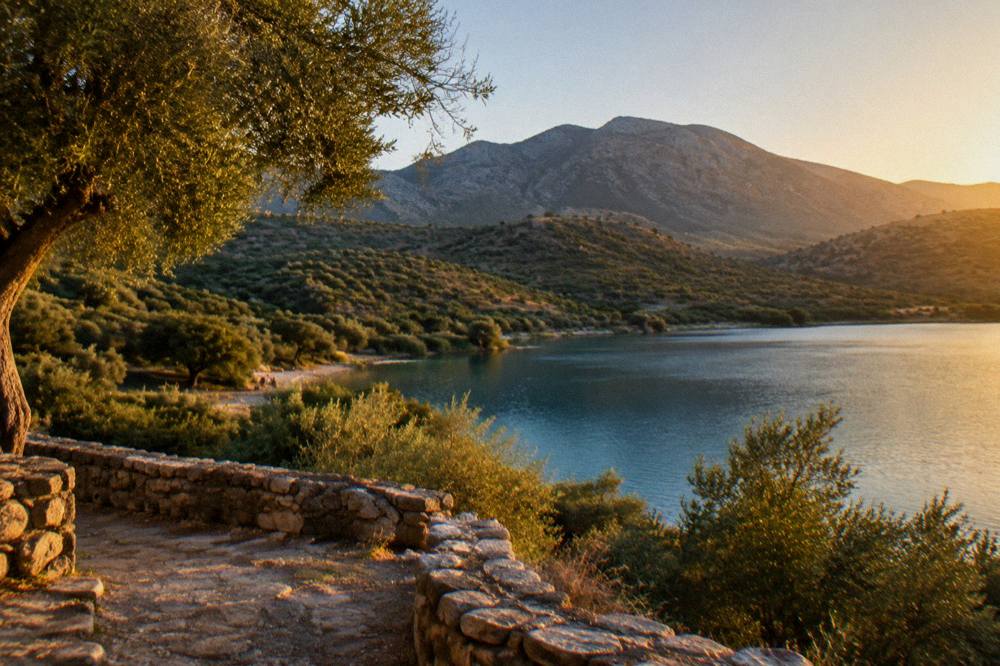
Lake Kournas is a natural freshwater lake in the hill country inland of the Chania coast, and in practice it is visited as a day trip from Chania rather than as a city sight, usually paired with the Argiroupoli springs on the same slope. The tour listing that serves the area describes a guided outing built around the lake and the springs together, which tells a visitor the two sit close enough to share a day. The lake is the inland counterpart to the beaches that fill the coastal itineraries, and it belongs to the same touring region as Aperta and the White Mountains villages further west.
The lake has no entry gate or landmark building the way the Venetian Harbour does. It is a landscape you arrive into, walk around the edge of, and take in from the shore. That shape of visit suits travellers who have finished with the Old Town's lanes and want a half or full day of quiet water and hills, and it suits families who need an outing that does not revolve on a hike or a boat schedule.
The site's own editorial line on things to do in Chania treats the lake as one of the inland options, alongside gorges and mountain villages. If a stay runs three days or more, a lake and springs day balances the beach days and the gorge days instead of repeating them, and the lake's flat shoreline makes it one of the more restful entries on that list.
How Do You Get To Lake Kournas From Chania?
The lake is reached from Chania either by rental car, following the inland road inland of the coast between Chania and Rethymno, or by joining a guided day trip that includes the lake in its itinerary; the long-distance KTEL bus station on Kydonias street is the city's hub for the region's bus routes. The KTEL network's own route list includes Heraklion and Rethymno services, which run the coastal corridor the lake area sits behind, but the station pages carry the timetable and the ticketing detail, and a lake visit by bus needs a local connection the desk cannot confirm, so the practical answer is car or tour.
Driving gives the day flexibility. The lake works as a morning stop on a route that continues toward Rethymno, or as the quiet half of a loop that returns to Chania through the hill villages. The driving conditions and car hire questions the site covers elsewhere apply here as on any Crete inland road: allow more time than the bare distance suggests, because the secondary roads curve and pass through villages.
The guided option removes the driving question entirely. The Lake Kournas and Argiroupoli Springs guided tour runs the lake and the springs as one itinerary with a guide and pickup, and Check availability on the operator's live listing before locking the day into a plan, because pickup points and days change with the season.
For anyone building the lake into a longer route, the site's three days in Chania itinerary leaves room for exactly this kind of inland day, and the west Crete week plan positions the lake as a stopping point between the Chania base and the Rethymno leg of a island-wide drive.
What Can You Do At Lake Kournas And Argiroupoli In A Day?
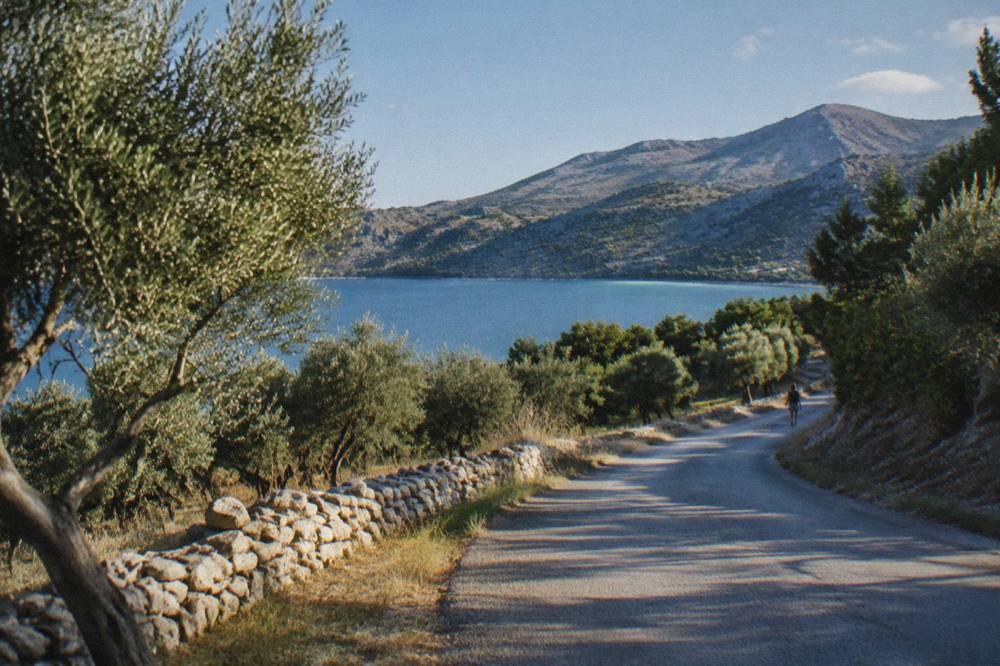
A lake and springs day from Chania runs in two movements: time at the lake itself, walking the shore or taking to the water, then time at the Argiroupoli springs, where the hillside water feeds shaded pools and running streams among the village houses. The guided tour's listing frames the day exactly this way, lake then springs with a guide through both, and it is the structure that works for independent drivers too, since the two stops share one inland slope and one day of driving.
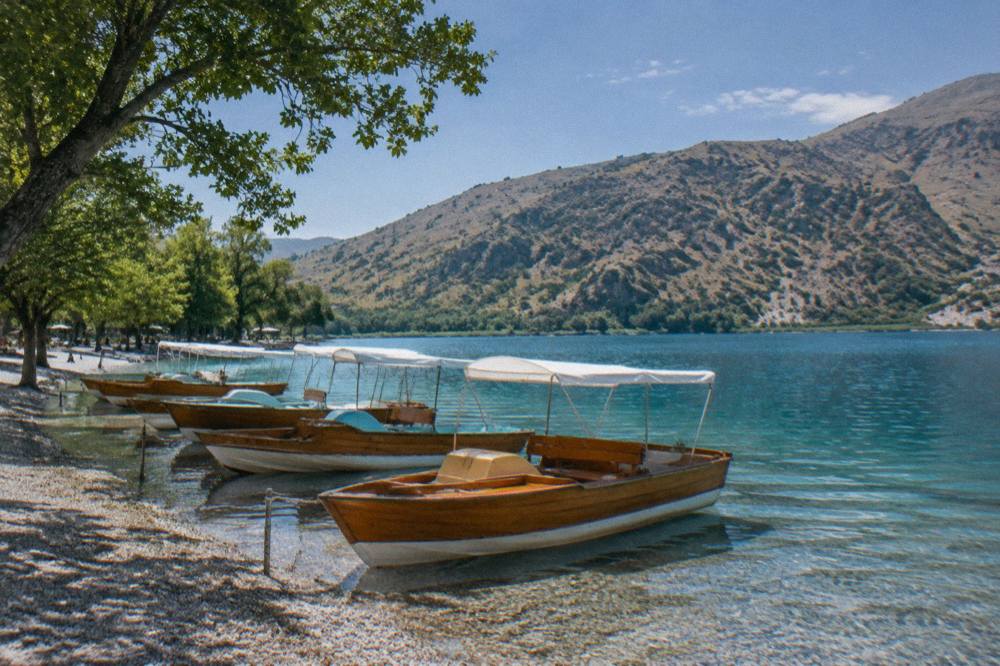
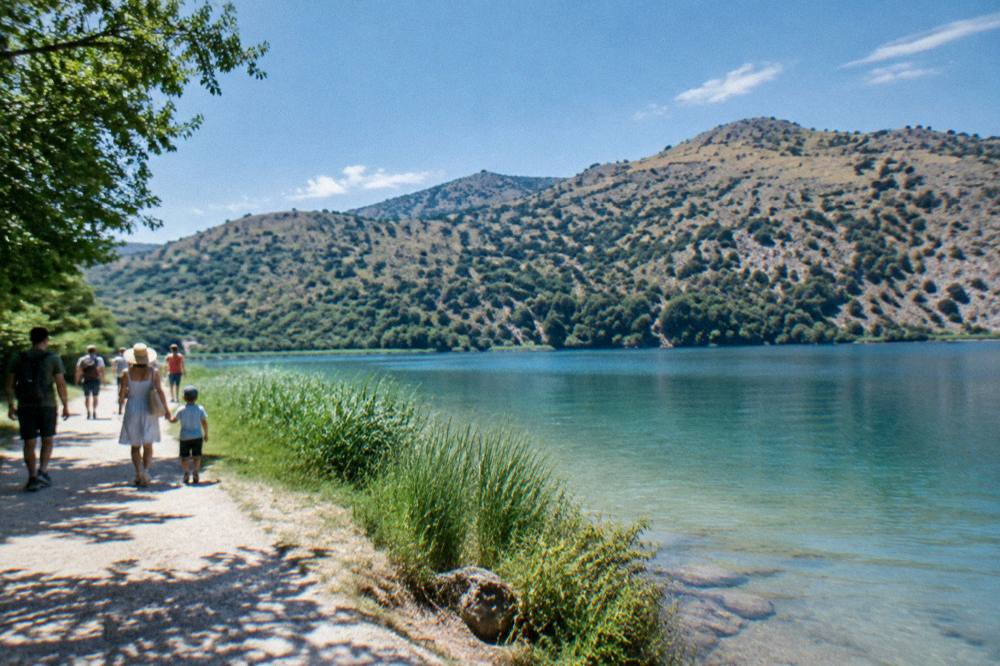
At the lake, the day is unhurried. The shoreline walk is flat, the water is still, and the hills reflect on the surface on calm mornings. The listing for the area's boat rental operators is where any pedal boat or rowboat question is answered, since rental availability and prices sit with the operators on the spot, not in any published timetable the desk can cite. Visitors should budget the lake for the morning, before the midday heat moves everyone into the shade.
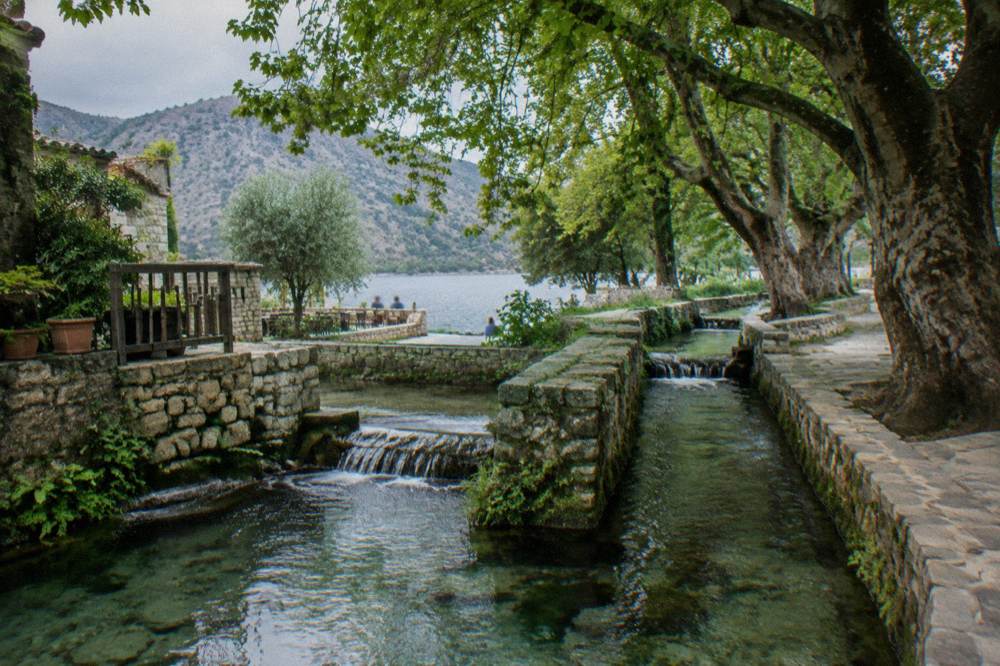
At the springs, the character of the stop changes completely. Argiroupoli is a village built among running water, with springs feeding channels and pools between the houses, and the shade there makes it the natural second half of a warm day. As with the lake, food and any entry questions are settled on the spot: posted prices in the village and itemised bills answer what a general guide cannot. The site's coverage of Chania restaurants applies to the city end of the day, not the village.
When Is The Best Time Of Year To Visit Lake Kournas?
May to September is the dry window for a Lake Kournas day, with the HNMS Chania Souda station table showing 13.5 mm of rain in May falling to 1.0 mm in July and 1.4 mm in August, while October rises sharply to 67.7 mm and January, at 129.5 mm across 16.3 rain days, is the wettest month in the station's 1958 to 2010 records. Those are station figures for the Chania area as a whole, labelled to their source and period, and they are the only climate numbers worth planning on: the station sits inland of Souda Bay, and the weather service publishes no newer table.
The same table shapes what the lake day feels like. Mean temperatures run from 20.2 C in May to 26.7 C in July, with mean maximums of 30.7 C in July and 30.4 C in August, so midsummer days at the lake are hot at midday and best split between a morning walk and shaded time at the springs. April and October are milder, at 15.9 C and 19.4 C mean, with April far drier than October in the record.
| Month | Mean Temperature (C) | Rain (mm) | Rain Days |
|---|---|---|---|
| Jan | 11.0 | 129.5 | 16.3 |
| Feb | 11.0 | 104.0 | 14.5 |
| Mar | 12.7 | 76.0 | 11.5 |
| Apr | 15.9 | 31.5 | 7.7 |
| May | 20.2 | 13.5 | 4.2 |
| Jun | 24.7 | 3.4 | 1.2 |
| Jul | 26.7 | 1.0 | 0.4 |
| Aug | 26.3 | 1.4 | 0.6 |
| Sep | 23.2 | 15.4 | 3.2 |
| Oct | 19.4 | 67.7 | 9.3 |
| Nov | 15.8 | 77.0 | 11.2 |
| Dec | 12.7 | 101.9 | 16.1 |
Prevailing wind in the area runs from the west, turning north-west in July and August, and humidity in the station record runs from 50 percent in July to 73 percent in January. None of that argues against a visit; it argues for a morning lake, a shaded springs afternoon, and a flexible start time in the shoulder months when rain returns. The site's broader Chania weather guide and the best time to visit Chania page carry the seasonal planning in full.
What Does A Guided Lake Kournas Tour From Chania Include?
The guided option that serves the lake is the Lake Kournas and Argiroupoli Springs day tour, whose listing shows a guided itinerary with pickup, and the ticket's inclusions, price and schedule are all read on the operator's live listing rather than assumed, because tour inclusions change with the season. The desk does not type product figures into prose: the compiler block below prints the verified price, rating and duration from the site's checked data, and the listing itself is the authority on pickup points, group size and what food is or is not included.
The guided day answers three problems at once. It handles the driving on inland roads, it sequences the lake and the springs so neither stop is rushed, and it puts a guide's local knowledge between the visitor and the places. For travellers based in the city without a car, it is the difference between a lake day that happens and one that stays on the wish list, and Check availability for the specific dates of the stay, since seasonal schedules contract outside the summer window. Other pages covering the same trip are gathered on Chania Crete Travel Guide.
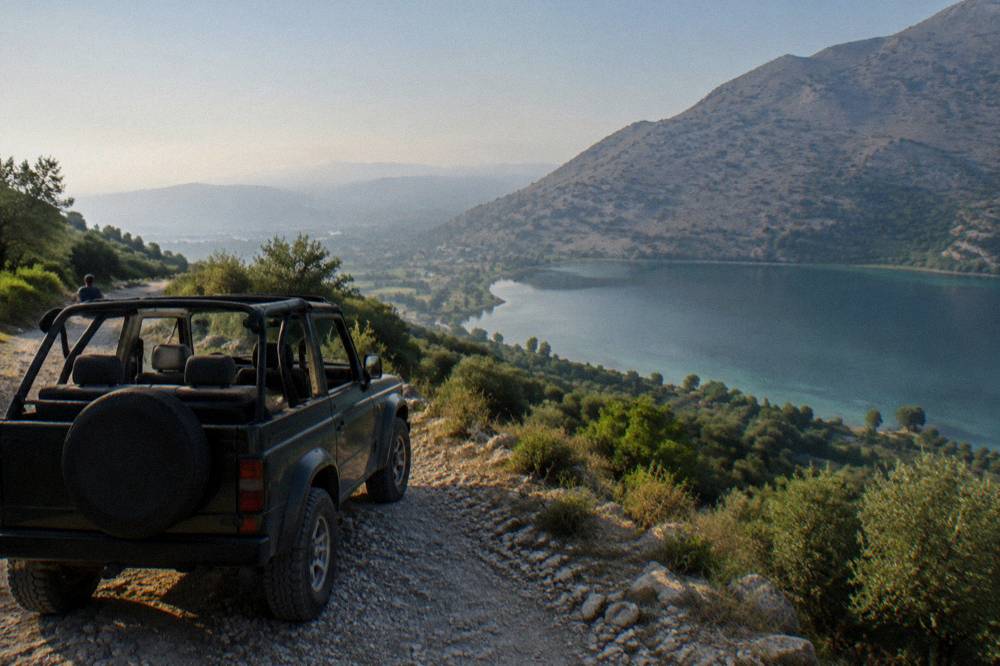
Two other inland options from the same roster cover the hill country from different angles. The quad and buggy safari out of Platanias runs the western flank of the coastal strip, and the White Mountains Land Rover safari takes the high interior, so a visitor who has done the lake can graduate to the mountains on a later day.
How Does Lake Kournas Fit Into A Wider Chania Itinerary?
The lake belongs on the inland day of a Chania stay, most often day three of a three-day plan: day one for the Old Town and the harbour, day two for a beach or gorge, day three for the lake, the springs and the hill villages between Chania and Rethymno. That is the sequence the site's own itinerary pages support, and it works because the lake sits toward the Rethymno side of the region, so it can open a day that ends in Rethymno's old town or close a loop back to Chania.
The pairing question comes down to direction. East of the lake, Rethymno makes a natural afternoon, its fortress and old quarter a full counterpart to Chania's. West and south, the lake's hinterland connects toward the Aperta archaeological site and the White Mountains road network, which is the direction the Land Rover safari takes. A visitor with a week can combine all of it, and the west Crete one week itinerary shows how the inland days alternate with the beach days.
For families, the lake day is one of the gentler entries in the Chania with kids planning set: flat walking, still water and a shaded second stop. For couples, the same structure reads as a slow day between the harbour evenings, and the site's Old Town area guide covers where those evenings are spent. One caution from the desk: the lake day is a fair-weather plan, and the rain table above says why October onward needs a fallback, which the Chania rainy day guide supplies.
What Should You Know Before Booking Any Inland Day Trip From Chania?
Four rules hold for every inland day trip from Chania, lake included: product prices and ratings are read on the live listing, not from memory; nature sites carry their own fees and rules that a tour ticket does not always cover; the season dictates what runs at all; and pickup details are confirmed at booking rather than assumed from a guide page. The site's verified data carries the region's fixed figures, and those figures are the ones a planning table can honestly print.
| Site | Verified Access Figure | Source Note |
|---|---|---|
| Samaria Gorge | EUR 10 individual ticket, e-ticket via the NECCA portal; free for EU under 18 and over 65 | Tour prices exclude this entrance and the ferry fee |
| Balos and Gramvousa | EUR 1 Kissamos municipal fee on the boat ticket for over-13s | Daily departures reported to 31 October 2026 |
| Elafonisi | Entry reported free; taking sand, shells or plants prohibited | Natura 2000 protected area |
| Archaeological Museum of Chania | EUR 15 full ticket, EUR 8 concession, 15 Skra Street, Halepa | Hours are checked on the museum's visit page |
| Firka Fortress | Grounds free, fort built 1620 | Open-air site at the harbour |
Two of those rows carry live caveats worth a paragraph. Samaria Gorge normally runs 1 May to 31 October, but storms in late September and early October 2026 destroyed sections of the path, staff call a 2026 reopening extremely difficult, and works are aimed at readiness in May 2027, so the NECCA status page is the only authority before any gorge plan. The Balos visitor cap that appeared in reporting in August 2026 was a proposal, not a rule in force, and no cap should be treated as fact.
Transport anchors matter less for the lake day than for the region's other trips, but they frame every plan. Chania International Airport "Ioannis Daskalogiannis" sits about 14 km from the city centre on the Akrotiri peninsula, the Piraeus ferry leaves from Souda port, about 7 km east of the Old Town, with the operator's timetable showing a departure about 21:30 and a crossing of about 9 hours 15 minutes, and the long-distance KTEL station sits on Kydonias street.
| Regional Transport Fact | Verified Figure |
|---|---|
| Airport to Chania centre | About 14 km, Akrotiri peninsula |
| Piraeus ferry port | Souda port, about 7 km east of the Old Town |
| Ferry departure and crossing | About 21:30, about 9 h 15 min, operator timetable |
| Long-distance bus station | Kydonias street, Chania |
| KTEL long-distance routes | Heraklion, Rethymno, Kissamos, Paleochora, Omalos, Elafonisi in summer |
Is A Lake Kournas Day Worth It Compared With The Coast?
A lake day earns its place on a Chania stay of three days or longer, when the beaches and the harbour have been covered and the choice is between repeating the coast or turning inland; the lake and springs combination delivers a landscape the coastal itineraries cannot, at the cost of a drive and a full day. For a two-day stay, the two days in Chania plan keeps the city and one beach, and the lake waits for a return trip.
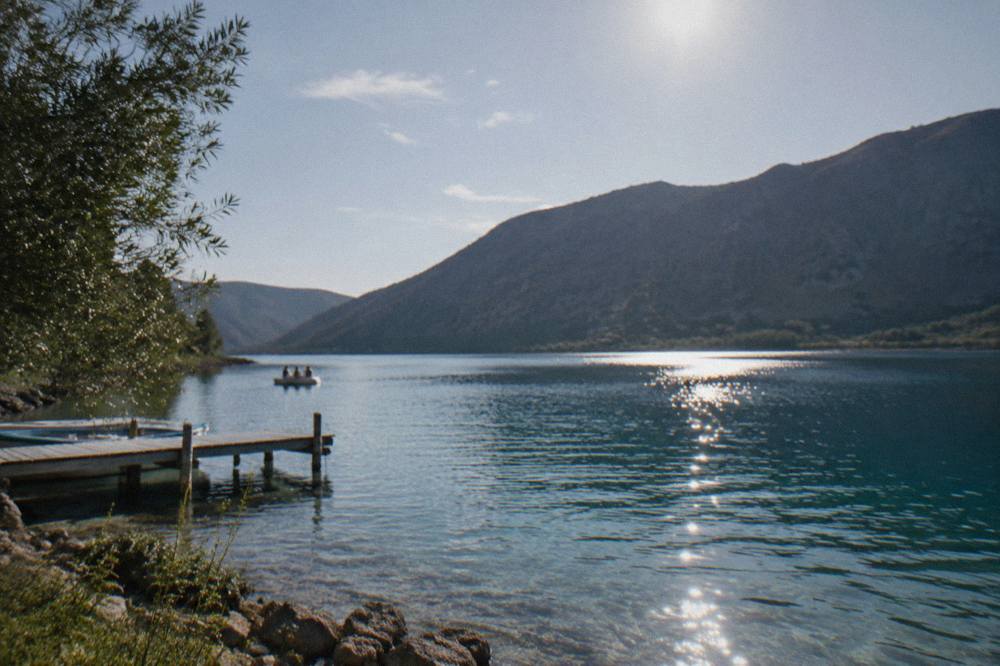
The comparison is honest in both directions. The coast holds Balos, Elafonisi and Falassarna, three of the reason people come to west Crete at all, and no inland lake competes with them as spectacle. What the lake offers is pace: a stop where nothing is scheduled, where the water is flat and the hills are close, and where the second half of the day runs on spring water and shade. Travellers who measure a holiday in beaches skip it without loss; travellers who want one quiet day in a week of highlights keep it.
The desk's summary for planners: put the lake on day three or four, go between May and September, take the guided tour if the stay has no car, and read the listing for anything with a price on it. That is the whole method, and it applies to every inland day this site covers. For the final decision, the three inland options stand side by side below, lake and springs on the gentle end, quad and Land Rover toward the mountains.
Common Questions About Lake Kournas Chania
Can You Swim In Lake Kournas?
The lake is a freshwater swimming spot in summer, but posted local signage and any operator on the shore are the authority on where swimming is allowed and when, and the desk confirms no rule either way. Treat it as a calm-water stop and check on arrival.
How Far Is Lake Kournas From Chania?
No verified distance figure for the lake route is in the site's data, so none is printed. The lake sits inland of the coast road between Chania and Rethymno, and the guided tour's listing or a mapping tool gives the drive figure for the specific start point.
Can You Visit Lake Kournas Without A Car?
Yes, by joining the guided Lake Kournas and Argiroupoli Springs tour, whose listing shows pickup from the Chania area. The KTEL bus network runs the corridor behind which the lake sits, but the local connection to the shore is not confirmed in the site's data.
Is Lake Kournas Good For Kids?
The combination of flat shoreline walking, still water and a shaded springs stop makes the lake day one of the gentler family options from Chania. The Chania with kids guide places it among the inland choices.
What Is The Best Month For A Lake Kournas Day Trip?
May to September in the HNMS Chania Souda station record, 1958 to 2010: rainfall runs from 13.5 mm in May down to 1.0 mm in July, while October jumps to 67.7 mm. June and September balance warmth against thin crowds.
Does The Guided Tour Include The Springs?
The operator's listing describes the Lake Kournas and Argiroupoli Springs tour as a combined itinerary, and the live listing states the exact inclusions for the date in question. Read the ticket details at booking rather than assuming.
The lake will not outshine the lagoons, and it is not meant to. It is the quiet day in the Chania week, water without wind and hills without crowds, and paired with Argiroupoli's springs it makes one of the region's most balanced inland itineraries.