Is Chania Worth Visiting
Chania, on the north-west coast of Crete in Greece, combines a Venetian-era Old Town, a working harbour front and the jump-off point for Balos, Elafonisi and the gorges of the White Mountains. Here is what the records, the operators and the weather station actually say.
Short answer
Yes, for two reasons the sources back: the Old Town and Venetian Harbour are a documented Venetian-era ensemble you can walk in a morning, and the city is the practical base for the west-Crete day trips, Balos, Gramvousa, Elafonisi, Samaria and Imbros, that shape most island itineraries.
Chania, a coastal city of 111,375 permanent residents (2021 census) on the north-west coast of Crete, Greece, sits on the Cretan Sea with the White Mountains rising to the south and the Libyan Sea coast a day trip away. The question of whether it deserves a place on an island itinerary deserves a better answer than enthusiasm, so this page works from what the harbour records, the park operator, the ferry timetable and the national weather service actually publish. The short version: the Old Town is a documented Venetian, Ottoman and Greek ensemble you can walk end to end, and the city is the working base for the beaches and gorges that draw travellers to western Crete in the first place.
Is Chania Worth Visiting For A First Trip To Crete?
Yes, and the case rests on two things the sources can carry: a walkable Old Town layered by Venetian, Ottoman and Greek rule around a harbour the Venetians first constructed between 1320 and 1356, and a position that puts Balos, Elafonisi, Samaria, Imbros and Falassarna within day-trip range. Neither claim depends on taste. The harbour dates, the fortress date of 1620 and the shipyard count are on the record, and the day-trip network of boats and buses runs from fixed points: Kissamos port for Balos, the Omalos plateau for Samaria, Kydonias street for the KTEL long-distance buses.
Crete is large, and a first visitor has to choose a base. Chania serves the west of the island; Heraklion serves Knossos and the archaeological heart. The two compare directly on the Chania vs Heraklion question, but for beaches, gorges and boat trips the west has the deeper bench. The best time to visit Chania depends mostly on the rain table further down this page.
What the city itself offers is layered rather than monumental. The harbour, the lighthouse, Firka Fortress and the Neoria shipyards form a single waterfront walk with three powers written into it, Venetian, Egyptian-era and Ottoman. Behind the harbour the Old Town splits into quarters, Splantzia, Topanas and Halepa among them, each covered in its own guide on this site.
What Makes The Venetian Harbour And Old Town Worth The Flight?
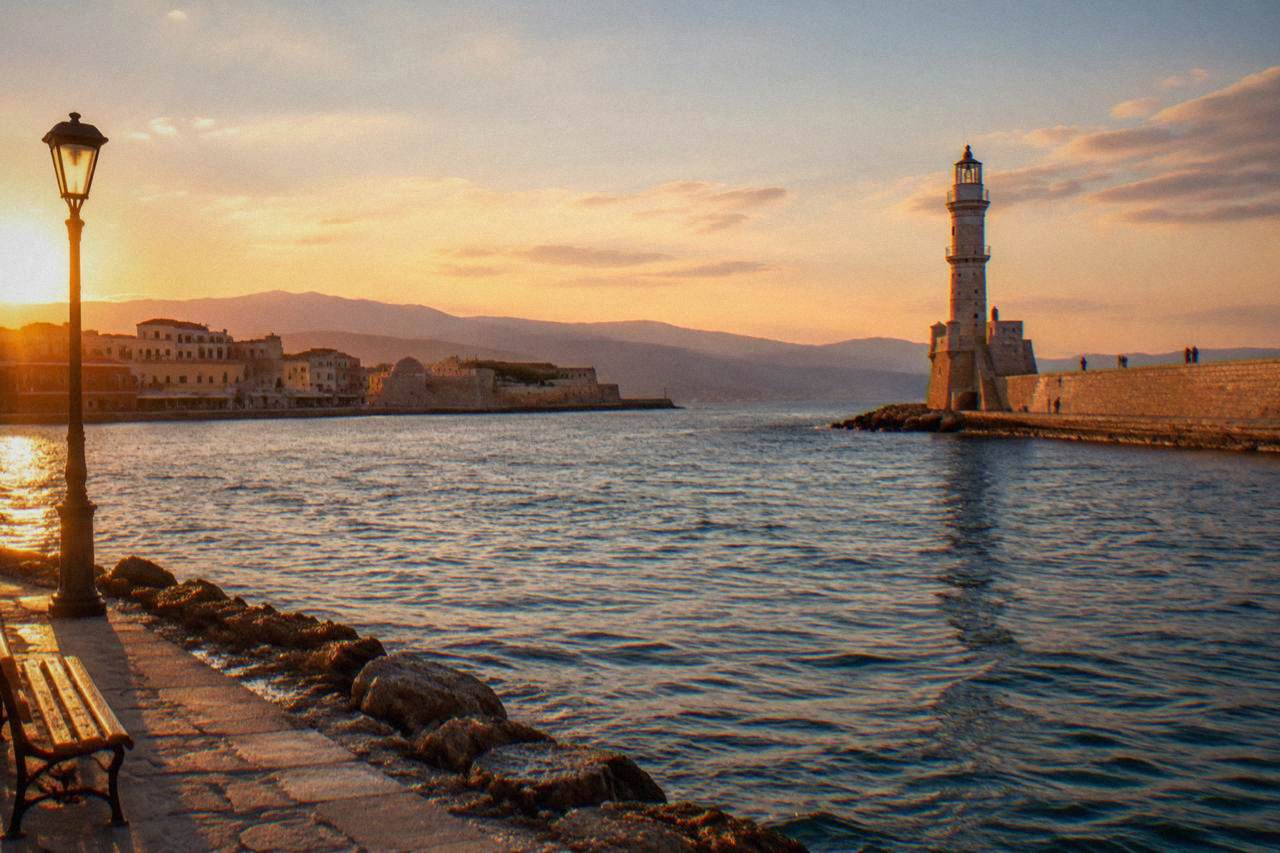
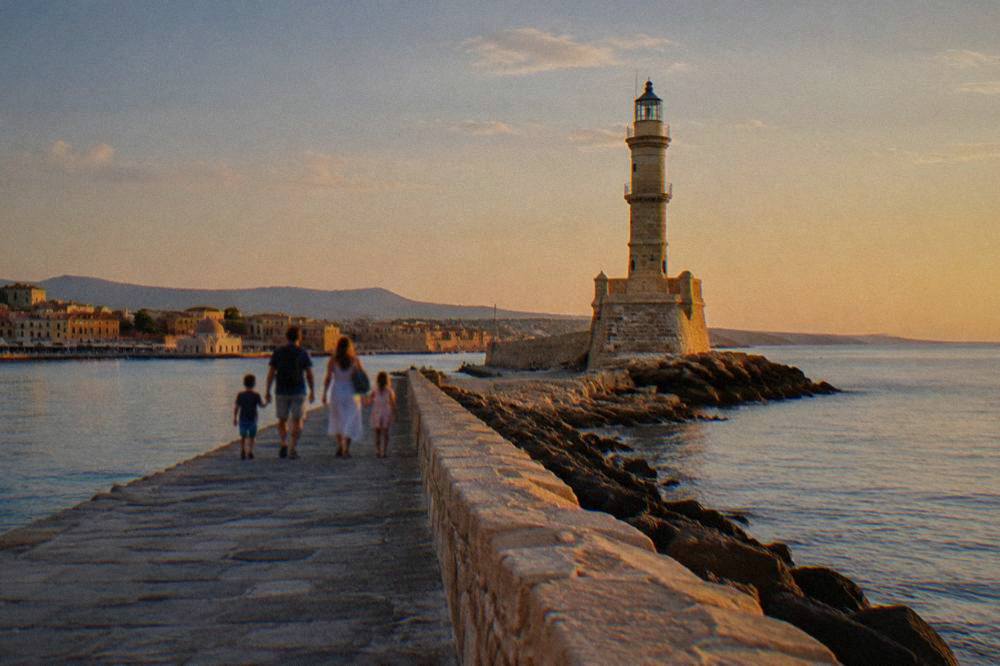
The harbour front compresses an unusual amount of documented history into one circuit: a port first built 1320 to 1356, a lighthouse raised about 1595 to 1601 and restored under Egyptian rule from 1830 to 1840, Firka Fortress from 1620 and seven surviving shipyards from an original seventeen. A visitor can walk all of it in a morning without a ticket, since the fortress grounds are free and the mole is a public breakwater. That density, not any single monument, is what the waterfront offers.
The table shows what the record attaches to each element, and it is worth reading before the walk so the stones have their dates in mind.
| Waterfront element | What the documented record shows |
|---|---|
| Venetian Harbour | First built 1320 to 1356; dredging and a wall recorded in 1515 |
| Lighthouse (Faros) | Built about 1595 to 1601 on the mole; restored 1830 to 1840 during Egyptian rule, operating 1839 |
| Firka Fortress | Built by the Venetians in 1620; grounds free to enter today |
| Neoria shipyards | Seven survive of an original seventeen, Venetian period |
| City walls | First Venetian walls 1336 to about 1356; second walls from 1536 to Michele Sanmicheli's design |
| Ottoman period | From the 1645 conquest of Chania until union with Greece in 1913 |
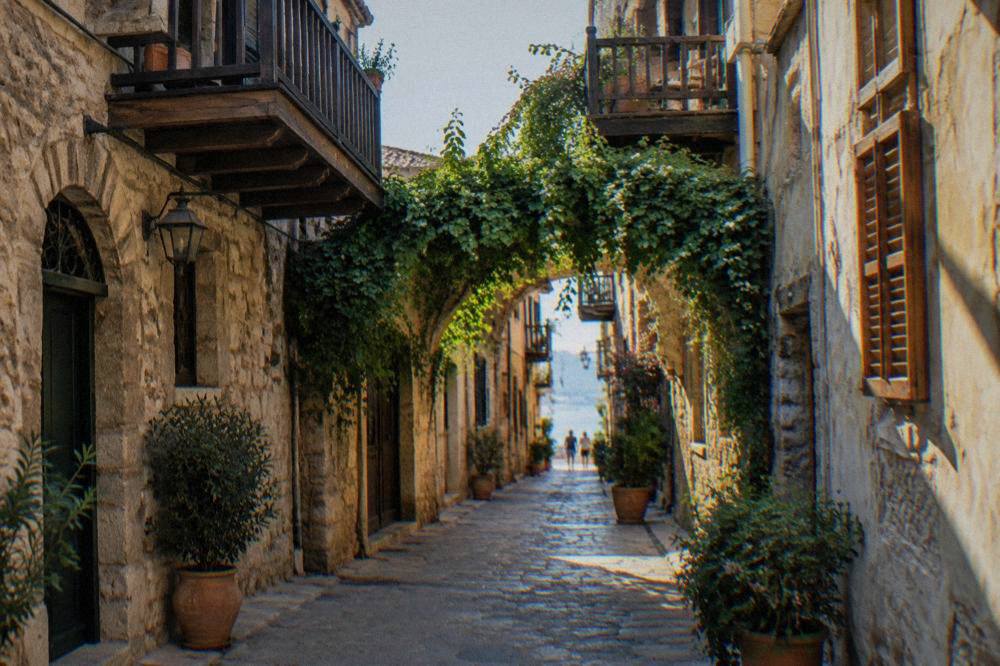
Behind the waterline the Old Town continues the story in streets rather than monuments. The Old Town guide covers the circuit in full, and the quarters each carry a character of their own: Splantzia and Topanas face each other across the harbour, while Halepa holds the consular-era houses a short walk east. The Archaeological Museum of Chania, at 15 Skra Street in Halepa, charges EUR 15 full and EUR 8 concession, and its visit page should be checked for current opening arrangements before the trip.
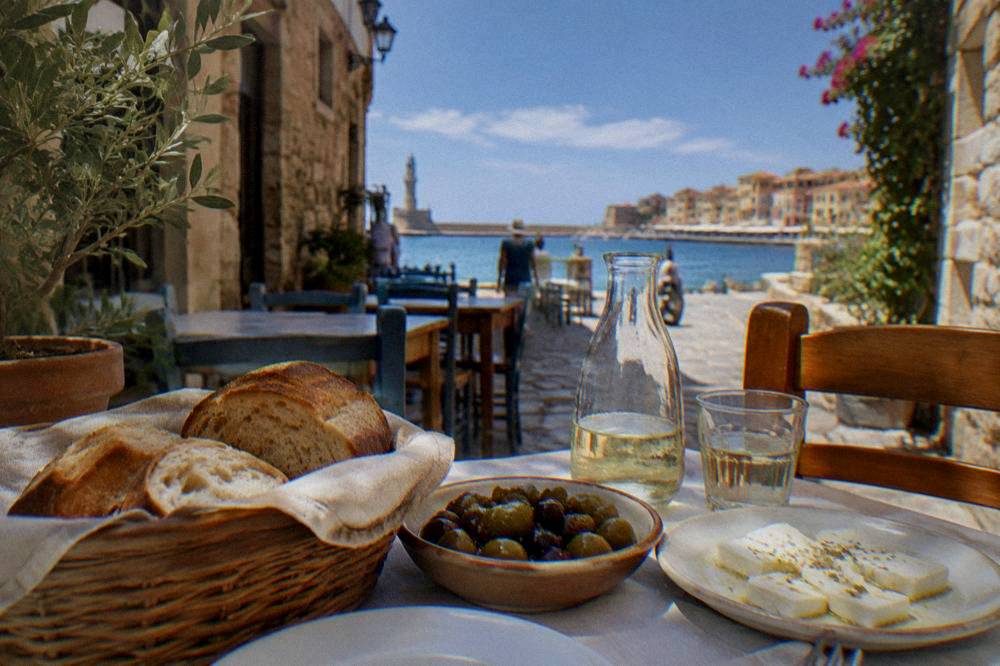
The harbour is also where the evening economy happens, and the Chania restaurants and Cretan food in Chania guides sort the waterfront from the streets worth detouring into. A guided way in exists too: an Old Town walk that pairs the sights with street food, and the Chania walking tours page lays out the options.
Which Day Trips Make Chania A Better Base Than Anywhere Else On The Island?
The west-Crete day-trip bench is the reason to sleep in Chania: boats to Balos and Gramvousa leave Kissamos port to the west, Samaria Gorge begins at Xyloskalo on the Omalos plateau to the south, Elafonisi and Falassarna sit on the south-west and west coasts, and KTEL buses run all these routes from the Kydonias street station. No other Cretan city reaches all of them in a day. That is a geographic fact before it is a travel opinion.
Each trip has its own conditions, and three of them carry caveats a planner must read.
| Day trip | How it runs from Chania | What to check before booking |
|---|---|---|
| Balos Lagoon and Gramvousa | Boats from Kissamos port; daily departures to 31 October 2026, operator-reported | A EUR 1 Kissamos municipal fee for over-13s is collected on the boat ticket; the road option uses an unpaved stretch from Kaliviani then a walk down |
| Samaria Gorge | One-way walk from Xyloskalo (Omalos plateau) to Agia Roumeli; boats to Sougia or Chora Sfakion about 17:30, then a KTEL bus back | Normally open 1 May to 31 October, but storms can close or delay the season; check the NECCA status first; ticket EUR 10, entry 07:00 to 13:00, all out by 18:00 |
| Elafonisi | KTEL runs Elafonisi buses in summer; small-group tours also run | Natura 2000 protected area, entry free, taking sand, shells or plants prohibited; parking about EUR 5 a day |
| Imbros Gorge | Guided hikes from Chania, some paired with the Sfakia coast | A shorter alternative to Samaria when the big gorge is closed |
| Falassarna | Direct by car or paired with Balos on a combined tour | West-facing beach, so the light belongs to the afternoon |
| Rethymno, Heraklion and Knossos | KTEL buses from Kydonias street; Knossos day tours also run | Long days; see the Rethymno and Heraklion guides for what each city holds |
The storm caveat on Samaria matters more than any brochure admits. Late September and early October 2026 storms destroyed sections of the path, staff described a 2026 reopening as extremely difficult, and works are aimed at readiness in May 2027. The gorge normally opens 1 May to 31 October, but the only safe sentence is: check the official status before planning the walk. The Samaria Gorge page holds the full detail, and the Imbros Gorge guide covers the fallback.
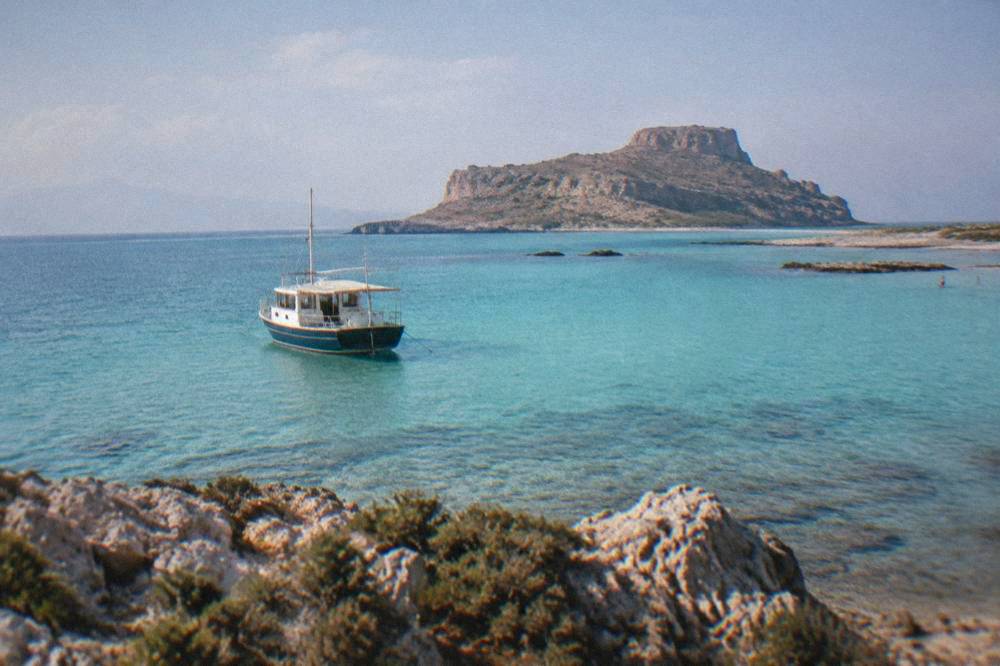
Balos is the flagship, and the boat is the standard way in. The Balos Lagoon and Gramvousa guide covers the crossing, the island fort and the lagoon itself; a EUR 1 municipal fee for over-13s is the only confirmed charge, collected on the boat ticket. The classic version leaves Kissamos port, and the operator's live listing carries the current schedule:
Elafonisi deserves its own decision, and the Elafonisi vs Balos comparison settles it for travellers who can only spare one beach day. Its protected status is real: entry is reported free, and removing sand, shells or plants is prohibited, which is why the pink shoreline stays pink.
What Does The Weather Record Say About When Chania Is Worth It?
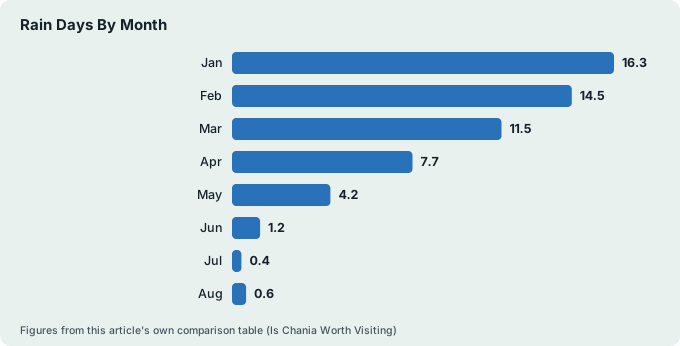
The HNMS Chania Souda station table, covering station records from 1958 to 2010, shows why the question of when matters as much as whether: July averages 26.7 C with 1.0 mm of rain and 0.4 rain days, while January averages 11.0 C with 129.5 mm across 16.3 rain days, so the year splits cleanly into a dry, warm half and a wet, mild one. May to September is effectively dry, with May at 13.5 mm, and rain starts to matter again from October, which records 67.7 mm.
This is the national weather service's own table, not a marketing climate line, and it deserves to be read in full.
| Month | Mean C | Mean max C | Mean min C | Rain mm | Rain days |
|---|---|---|---|---|---|
| Jan | 11.0 | 14.4 | 7.9 | 129.5 | 16.3 |
| Feb | 11.0 | 14.7 | 7.8 | 104.0 | 14.5 |
| Mar | 12.7 | 16.6 | 9.0 | 76.0 | 11.5 |
| Apr | 15.9 | 20.0 | 11.4 | 31.5 | 7.7 |
| May | 20.2 | 24.5 | 15.0 | 13.5 | 4.2 |
| Jun | 24.7 | 28.9 | 19.0 | 3.4 | 1.2 |
| Jul | 26.7 | 30.7 | 21.2 | 1.0 | 0.4 |
| Aug | 26.3 | 30.4 | 21.2 | 1.4 | 0.6 |
| Sep | 23.2 | 27.4 | 18.7 | 15.4 | 3.2 |
| Oct | 19.4 | 23.5 | 15.7 | 67.7 | 9.3 |
| Nov | 15.8 | 19.6 | 12.4 | 77.0 | 11.2 |
| Dec | 12.7 | 16.2 | 9.7 | 101.9 | 16.1 |
Within this table January is the wettest month at 129.5 mm and July the driest at 1.0 mm, and July is the warmest month in the record while January is the coldest. The prevailing wind is westerly, north-west in July and August, which is the pattern behind the summer breeze on the north coast. Humidity runs from 50 percent in July to 73 percent in January.
The practical reading is straightforward. June, July, August and September deliver the beach-and-boat version of Chania with near-zero rain risk in the record. May and October are shoulder months with warm means, 20.2 C and 19.4 C, but October's 67.7 mm of rain over 9.3 rain days means a flexible plan. November to March is a different trip entirely, and the Chania in winter guide covers what stays open. No official monthly sea-temperature normal exists, so this page prints none; a live reading is a live reading only.
How Many Days Does Chania Need To Feel Worth The Trip?
Three to five days is the range that lets the city and its day trips coexist: the Old Town and harbour fit into one full day, Balos or Elafonisi takes a second, a gorge walk takes a third, and a fourth and fifth day absorb a second beach trip, a boat cruise or an inland villages tour without rushing. The itineraries on this site are built on exactly that logic, from Chania in one day through Chania in two days and Chania in three days up to Chania in five days and the West Crete one week plan.
The mistake to avoid is treating Chania as a one-night stop before Heraklion. The city rewards slow mornings, and the day trips are long days by any measure: the Samaria walk runs one-way from Xyloskalo to Agia Roumeli with a boat connection at about 17:30, and a Balos cruise is a Kissamos port commitment, not a quick dip. Cruise passengers face the tightest version of this arithmetic, and the Chania cruise port day guide plans it hour by hour. The rest of the planning pages sit on Chania Crete Travel Guide.
Is Chania Worth Visiting On A Budget?
Yes, because the core of the city costs little or nothing to enjoy: the harbour, the lighthouse mole, the Firka Fortress grounds, the Neoria and the Old Town streets are all free to walk, and the known fixed charges are modest, a EUR 15 museum full ticket, a EUR 10 Samaria entrance and a EUR 1 Balos municipal fee, with Elafonisi entry free and parking about EUR 5 a day. The expensive line items on a Chania trip are accommodation and tours, and both can be shaped.
The confirmed fixed charges, as the sources state them:
| Item | Confirmed charge | Source note |
|---|---|---|
| Archaeological Museum of Chania | EUR 15 full, EUR 8 concession | Museum's own listing, 15 Skra Street, Halepa |
| Firka Fortress grounds | Free | Fort dates from 1620 |
| Samaria Gorge individual ticket | EUR 10, free for EU under-18 and over-65 | NECCA e-ticket portal; check status before going |
| Balos and Gramvousa by boat | EUR 1 Kissamos municipal fee for over-13s | Collected on the boat ticket; the only confirmed charge |
| Elafonisi | Entry free | Natura 2000 area; parking about EUR 5 a day |
One charge is easy to miss at booking: the climate crisis resilience fee, collected by accommodation per room or apartment per night with seasonal rates. The amount varies by category, so confirm it with the booking rather than assuming it.
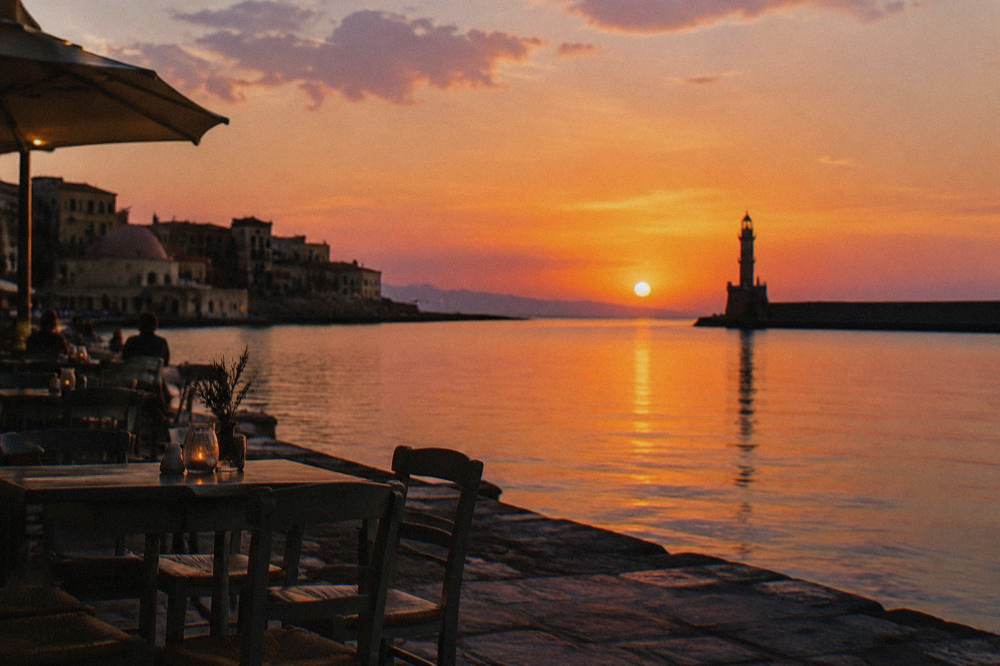
Free and cheap pleasures are not a consolation prize here. The harbour circuit at sunset, the Splantzia squares in the morning, Nea Chora beach within walking distance of the Old Town, and the Municipal Market building all cost nothing to enter. The rainy-day angle is covered by the Chania rainy day guide, which matters once October's 67.7 mm monthly figure enters the picture.
To watch that sunset hour from the water instead, book a sunset catamaran cruise here.
How Easy Is It To Get To Chania And To Get Around?
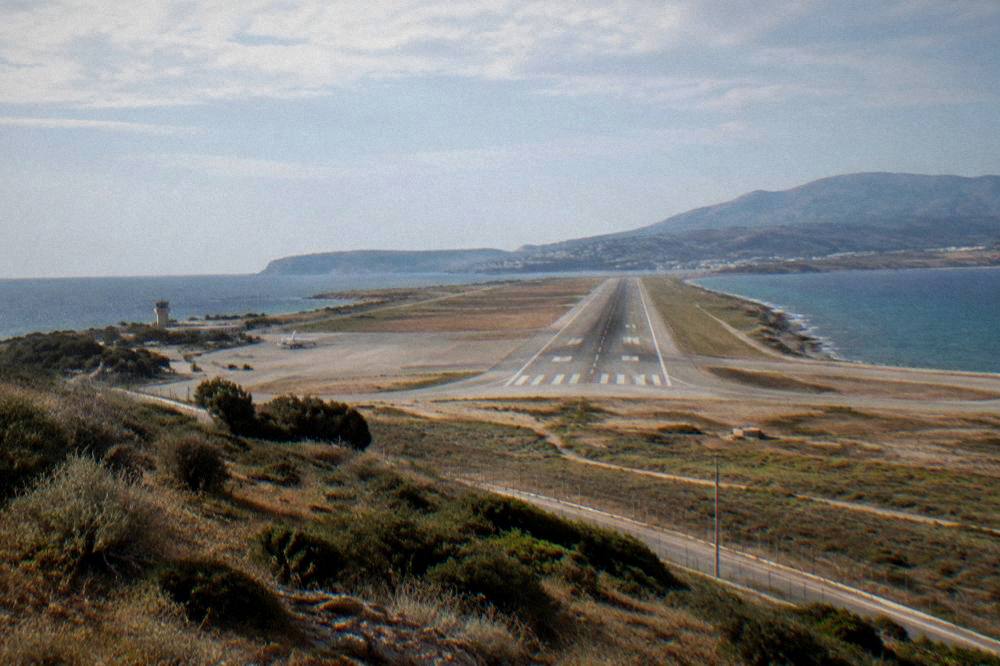
Chania International Airport "Ioannis Daskalogiannis" (CHQ), operated by Fraport Greece, sits about 14 km from the city centre on the Akrotiri peninsula near Souda, and the city also has a sea link: Blue Star Ferries runs an overnight Souda-to-Piraeus service departing about 21:30 with a crossing of about 9 hours 15 minutes, published by the operator and to be confirmed when booking. Both facts matter because they set the shape of an arrival.
The transport facts the sources carry:
| Connection | What the published record shows |
|---|---|
| Airport to city centre | About 14 km; public bus and taxi information on the airport's own site |
| Piraeus ferry | Overnight from Souda port, about 7 km east of the Old Town; departs about 21:30, crossing about 9 h 15 min |
| Long-distance buses | KTEL station on Kydonias street; routes to Heraklion, Rethymno, Kissamos, Paleochora, Omalos and, in summer, Elafonisi |
| Gavdos boats | From Paleochora and Sougia in season |
The airport is about 14 km away, and the Piraeus ferry does not leave the Venetian Harbour, which serves excursion boats. The Chania airport and airport to town guides cover arrivals in detail, the KTEL buses page covers the bus network, and the Athens to Chania comparison weighs the flight against the Piraeus ferry. For the day-trip-heavy version of the city, the car rental and driving in Crete guides explain where a car earns its keep and where the bus or a tour is the better instrument.
Is Chania Worth Visiting With Kids, As A Couple, Or Outside Summer?
Yes in all three cases, with the weather table setting the terms: families get swimmable means of 20.2 C in May rising to 26.7 C in July and beaches from Nea Chora to Agia Marina within easy reach, couples get a harbour city built for slow evening circuits, and off-season visitors get 12.7 C in March and 15.8 C in November with the Old Town fully in place. The city is not a summer-only proposition; it is a different city per season.
For families, the Chania with kids guide covers the shallow beaches and the boat trips that work with children, and the shorter cruises, such as a two-hour Lazaretta island swim trip, suit younger passengers better than the gorge. For couples, the sunset end of the day belongs to the harbour, and a guided sunset cruise is the structured version of it; the couples question has its own dedicated answer elsewhere on this site.
Outside summer the city keeps its shape. Rain rises from October onward, but the winter means of 11.0 C in January and 12.7 C in December describe a mild city, not a closed one. The question of where to stay in Chania matters more in the shoulder season, since the Old Town stays walkable while resort areas quieten down.
What Would Make Chania Not Worth It For You?
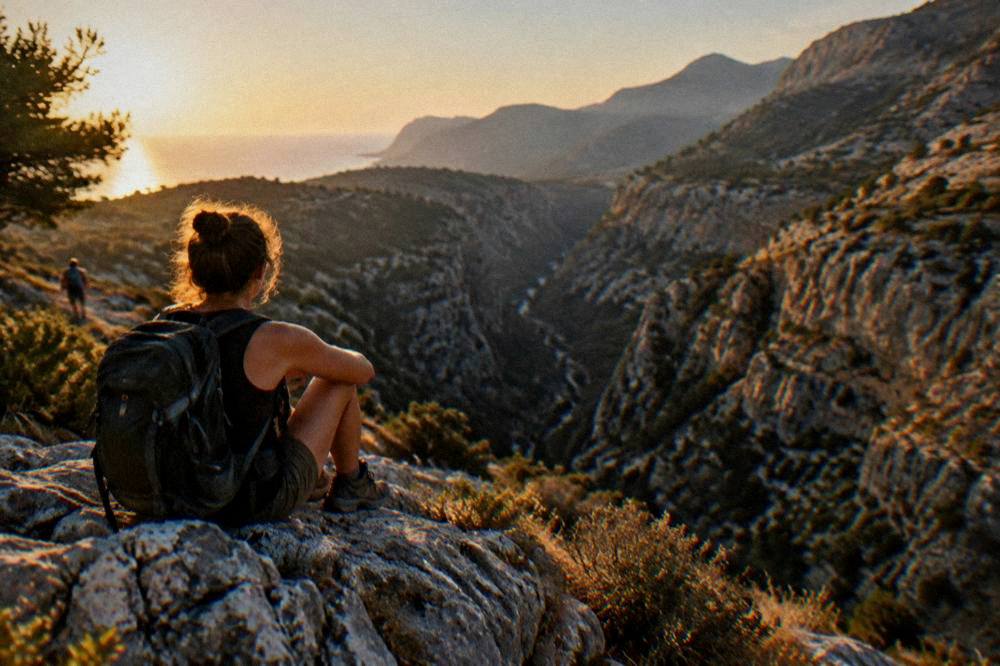
Three honest conditions argue against the city: a trip locked to July and August that hates crowds and 30.7 C mean daily maxima, an itinerary built around Knossos and eastern Crete that would spend its days on buses, and a gorge-first plan made without checking the Samaria status, since storm damage can close the walk that anchored the whole week. Each one is avoidable with a different base or a different month, which is why naming them matters more than a blanket yes.
The island's second city handles the archaeology-first trip better; the Heraklion and Knossos guide shows what that version of Crete looks like, and Chania visitors can reach it as a long day trip with an early start. If the beach-and-gorge version of Crete is the draw, the argument reverses completely, and the best tours from Chania page is the index for it.
Timing is the other lever. September records a mean of 23.2 C with 15.4 mm of rain over 3.2 rain days, warm and near-dry without the July peak, and the sea stays inviting into October on any live reading. The trade-off is weather volatility at both shoulder edges, so build one flexible day into any May or October week.
Common Questions About Whether Chania Is Worth Visiting
Is Chania worth visiting compared to Heraklion?
For beaches, gorges and boat trips, yes: Chania is the base for Balos, Elafonisi, Samaria and Falassarna. For Knossos and the major archaeological museums, Heraklion serves the trip better. The two cities answer different itineraries, and the Chania vs Heraklion comparison on this site works through the choice.
Is Chania worth visiting if I only have one or two days?
Yes. The Old Town, the Venetian Harbour circuit, the lighthouse mole and Firka Fortress fit into one full day, and a second day covers either Balos, Elafonisi or a shorter boat trip from the harbour. The Chania in one day and Chania in two days itineraries on this site are built for exactly those constraints.
Is Chania Old Town walkable?
Yes, the Old Town is compact and pedestrian-friendly, with the harbour, Splantzia, Topanas and the market area all within an easy circuit. The dedicated Old Town walkability answer on this site covers distances and surfaces, including the cobbled lanes around the harbour.
What is the best month to visit Chania?
The HNMS Chania Souda station table, records from 1958 to 2010, shows June to September as the dry window, with July at 26.7 C mean and 1.0 mm of rain. May and October are warm shoulder months, 20.2 C and 19.4 C means, with October carrying 67.7 mm of rain across 9.3 rain days, so a flexible plan suits them.
Can you swim in Chania?
Yes. Nea Chora beach sits within walking distance of the Old Town, and Agia Marina, Kalyves, Kalathas, Marathi and Stavros all sit on the nearby coast. No official monthly sea-temperature normal exists, so treat any water figure as a live reading, not a promise.
Is the Samaria Gorge walk the reason to base yourself in Chania?
It is one reason, but never a guaranteed one. The gorge normally opens 1 May to 31 October, yet storms in late September and early October 2026 destroyed sections of the path and staff described a 2026 reopening as extremely difficult, with works aimed at readiness in May 2027. Check the official status before building a trip around the walk, and keep Imbros Gorge as the fallback.
The verdict this site's sources support is a clear one: Chania earns its place on a Crete itinerary through a documented, walkable harbour city and a day-trip network no other base on the island can match, and the only travellers who should look elsewhere are those whose trip lives in the east or whose hearts are set on one closed gorge. Read the weather table, book the beaches around it, and the city does the rest.