Best Time To Visit Chania
The HNMS Chania Souda station table gives the hard numbers behind every month, and those numbers, not the brochures, are what decide when Chania is at its best.
Short answer
Late May to mid June and September offer the best mix of warm, dry weather and manageable crowds, according to the HNMS Chania Souda station records for 1958 to 2010, which show May to September as the dry period and July and August as the warmest and busiest months.
Chania, on the north-west coast of Crete in Greece, has a Mediterranean climate measured in public by one official table: the HNMS Chania Souda station records, 1958 to 2010. Those records show a warm, dry stretch from May to September, a wet turn from October onwards and the warmest months of July and August. Choosing the best time to visit is therefore less about whether the sun shines and more about which trade-offs, crowds, sea conditions, gorge access and ferry schedules, a traveller is willing to accept. This guide works through the station numbers month by month and then matches them to what actually opens, runs and fills up around the city, from the beaches near the Old Town to the Samaria Gorge and the boat trips out of Kissamos. The Chania Crete Travel Guide desk reports only what the sources say, and every climate figure below carries its station label.
What Is The Best Time To Visit Chania?
The best time to visit Chania is late May to mid June or the whole of September, because the HNMS Chania Souda station records for 1958 to 2010 show both windows as dry and warm, 20.2 C mean in May, 26.7 C in July and 23.2 C in September, while the peak July and August crowds thin outside them, and the sea, beaches and boat season are still fully running through September.
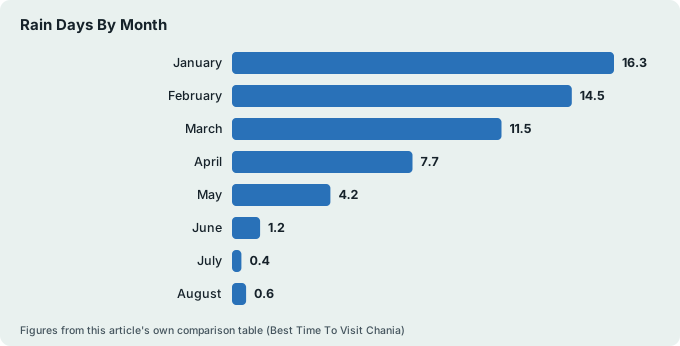
The reasoning behind that answer comes straight from the station table. May records 13.5 mm of rain across 4.2 rain days, June 3.4 mm across 1.2 days, and September 15.4 mm across 3.2 days. Compare that with October, which jumps to 67.7 mm and 9.3 rain days, and the shoulder windows stand out sharply. Rain starts to matter from October; May to September is the dry core of the year.
Crowds follow the school-holiday calendar of northern Europe rather than the weather. July and August combine the warmest means of the year, 26.7 C and 26.3 C, with the busiest accommodation period. September keeps daytime means of 23.2 C and sea conditions that have warmed all summer, with rainfall still low. For a fuller breakdown of what each month feels like, the companion page on Chania weather carries the full station table with maxima and minima.
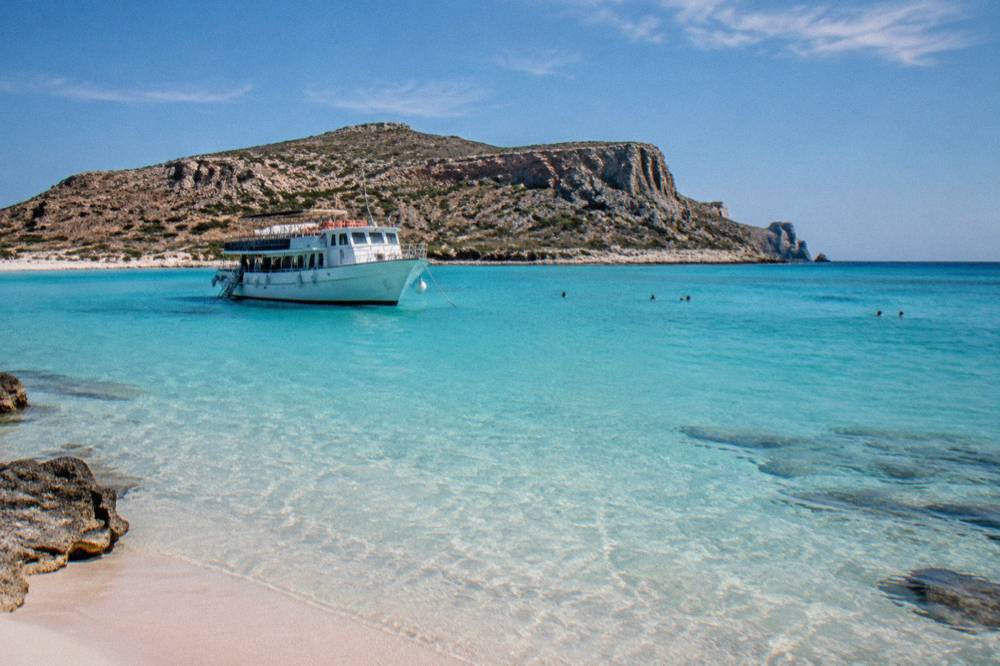
The shoulder seasons also suit the day trips. Balos cruise departures from Kissamos run daily through to 31 October 2026 according to the operator's schedule, and the wine country inland of Chania is pleasant outside the July and August heat. The things to do in Chania overview page maps the full set of options.
What Do The Chania Station Records Show Month By Month?
The HNMS Chania Souda station, at 148 m inland of Souda Bay, records a mean temperature of 11.0 C in January rising to 26.7 C in July, with rainfall running from 129.5 mm in January down to 1.0 mm in July, and the table, covering station records from 1958 to 2010, is the official series for the city.
Here are the monthly means exactly as the station table gives them:
| Month | Mean C | Mean Max C | Mean Min C | Rainfall mm | Rain Days |
|---|---|---|---|---|---|
| January | 11.0 | 14.4 | 7.9 | 129.5 | 16.3 |
| February | 11.0 | 14.7 | 7.8 | 104.0 | 14.5 |
| March | 12.7 | 16.6 | 9.0 | 76.0 | 11.5 |
| April | 15.9 | 20.0 | 11.4 | 31.5 | 7.7 |
| May | 20.2 | 24.5 | 15.0 | 13.5 | 4.2 |
| June | 24.7 | 28.9 | 19.0 | 3.4 | 1.2 |
| July | 26.7 | 30.7 | 21.2 | 1.0 | 0.4 |
| August | 26.3 | 30.4 | 21.2 | 1.4 | 0.6 |
| September | 23.2 | 27.4 | 18.7 | 15.4 | 3.2 |
| October | 19.4 | 23.5 | 15.7 | 67.7 | 9.3 |
| November | 15.8 | 19.6 | 12.4 | 77.0 | 11.2 |
| December | 12.7 | 16.2 | 9.7 | 101.9 | 16.1 |
January is the wettest month in this table and July the driest; those statements belong to the table alone and describe no other place. Humidity runs from 50 percent in July to 73 percent in January, and the prevailing wind is westerly, turning north-west in July and August, which is the general summer pattern the service records without speeds or dates.
Three readings matter more than the rest for planning. First, the mean maxima of 30.7 C in July and 30.4 C in August describe inland-afternoon conditions at the station; the harbour front often feels a degree or two softer. Second, the 9.3 rain days of October nearly triple September's 3.2, which is why late October is a genuine coin flip. Third, mean minima stay above 15 C only from May to September, which sets the practical window for evenings outdoors without a layer.
Which Months Are The Quietest In Chania?
The quietest months with real services still running are May, early June, late September and October to mid October, when the station records show dry or nearly dry conditions, 13.5 mm in May and 15.4 mm in September, while the July and August holiday peak has passed or not yet arrived, and hotels, boat trips and restaurants remain open across the visitor season.
Outside those windows the city gets genuinely quiet. November through March is the local winter: rainfall of 77.0 mm in November, 101.9 mm in December and 129.5 mm in January, with 11 to 16 rain days a month. Places stay open for residents rather than visitors, and some seasonal businesses around the beaches close entirely. The site's page on Chania in winter covers what remains open.
A useful way to frame the year is by what each stretch offers rather than by a simple good or bad label:
| Period | Station Records (1958 To 2010) | What It Means On The Ground |
|---|---|---|
| April to mid June | 31.5 mm falling to 3.4 mm rain, means 15.9 C to 24.7 C | Dry, green after spring rain, sea still cool, crowds low to rising |
| Late June to August | 1.0 to 1.4 mm rain, means 26.7 C and 26.3 C | Peak heat and peak holiday crowds, everything open, everything busy |
| September to mid October | 15.4 mm rising to 67.7 mm, means 23.2 C to 19.4 C | Warm sea, thinning crowds, first storms possible late in the window |
| Late October to March | 67.7 mm to 129.5 mm rain months | Local winter, seasonal closures, rain days above 9 per month |
The quiet-and-open window deserves one caution: gorge and boat access in late September and October depends on storms, not on the calendar. Late September and early October 2026 storms damaged sections of the Samaria Gorge path, a reminder that autumn plans around the gorges need a status check before departure.
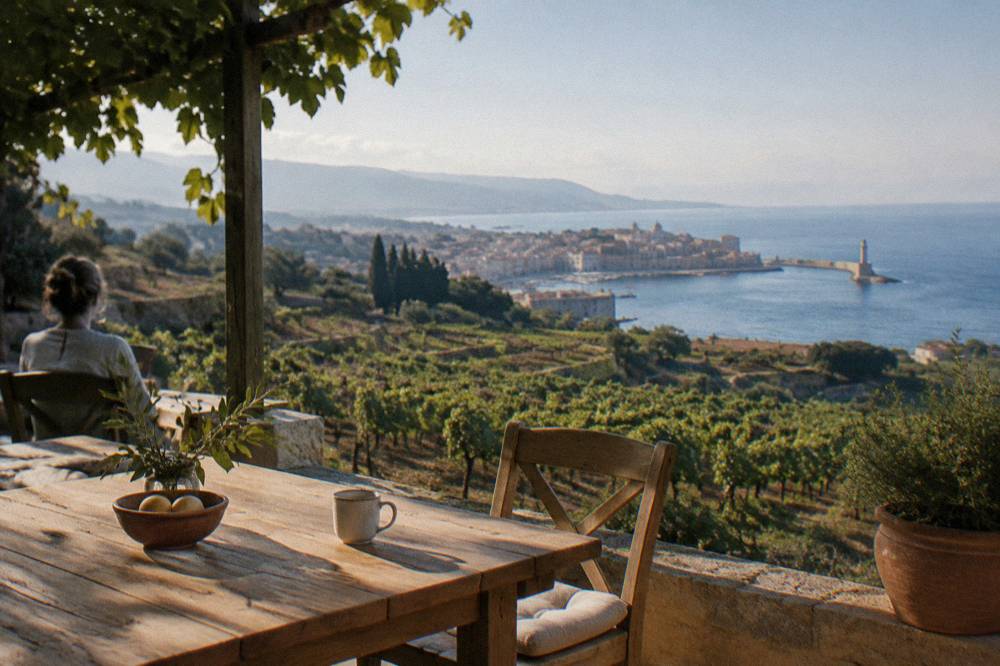
For travellers whose quiet season is food rather than beaches, the tasting rooms and wineries inland run through the visitor season and a wine and olive oil tasting day from Chania covers several of them in one outing: Check availability.
When Can You Swim And Take Boat Trips Around Chania?
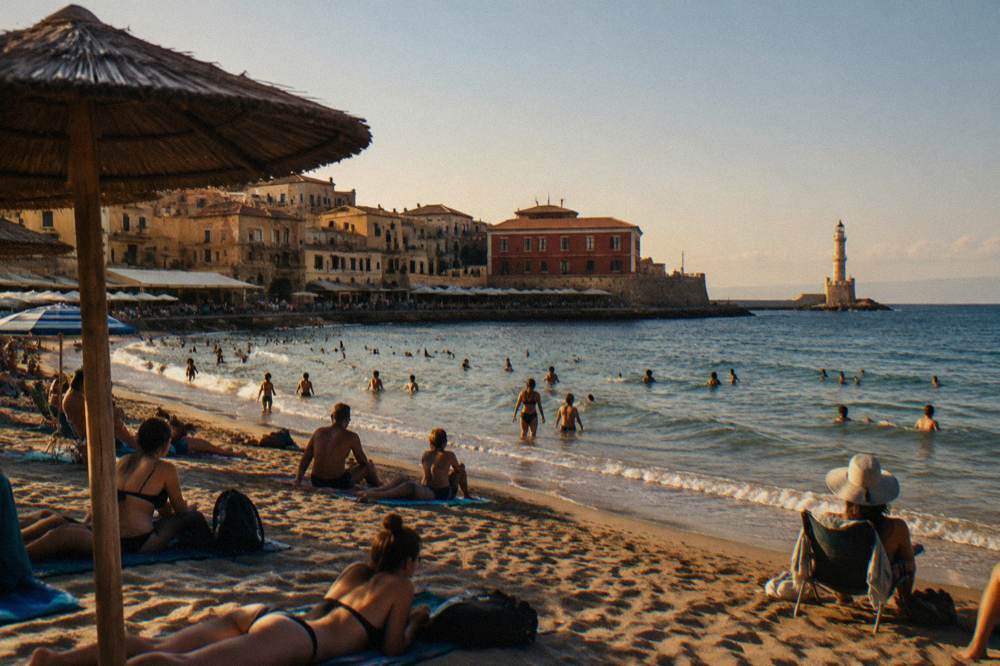
The beach and boat season around Chania runs roughly from late May to early October, with Balos cruise departures from Kissamos operating daily through to 31 October 2026 on the operator's published schedule, while the station records show the air means that make swimming comfortable, 20.2 C in May rising to 26.7 C in July and easing to 23.2 C in September.
No official monthly sea-temperature normal exists for Chania, so no monthly sea figure is printed here; a live reading is a live reading, and beach days are better judged by air temperature and wind. What the sources do confirm is the shape of the season. Excursion boats work from the Venetian Harbour through the summer, and the Kissamos-based cruises to Balos Lagoon and Gramvousa publish daily departures to 31 October 2026. The only confirmed charge at Balos is a EUR 1 Kissamos municipal fee collected on the boat ticket for over-13s.
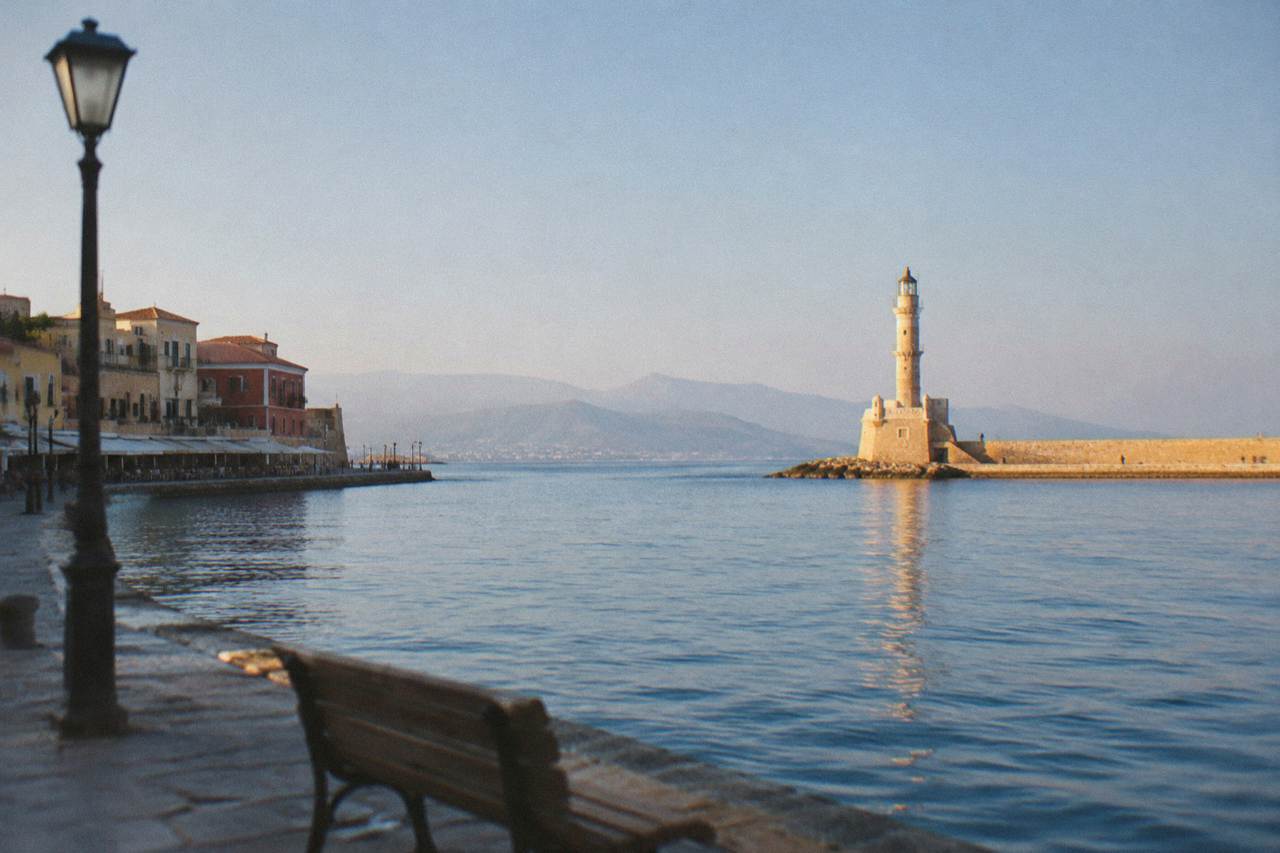
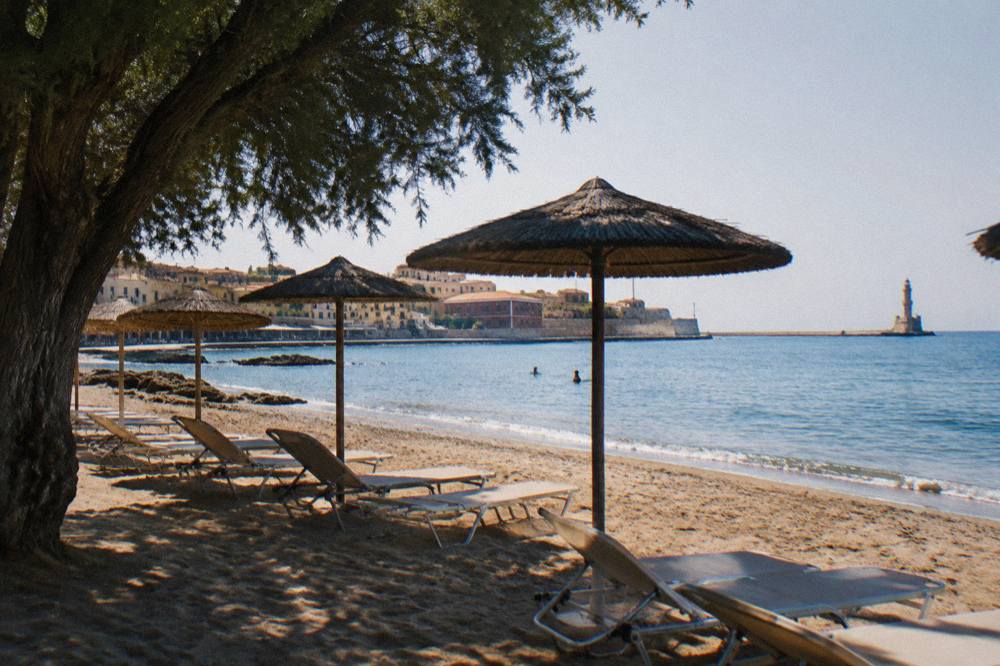
Beach choice matters early and late in the season. The beaches near the Old Town, mapped on the beaches near Chania Old Town page, are shallow and warm up fast, while bigger west-coast beaches such as Falassarna hold their season longer. The main swimming beaches of the area are compared on the best beaches in Chania page.
| Trip Or Beach | Season Shape According To The Sources |
|---|---|
| Balos and Gramvousa cruises | Daily departures from Kissamos to 31 October 2026, operator schedule |
| Samaria Gorge | Normally 1 May to 31 October, storm-dependent, check NECCA status first |
| Elafonisi | Natura 2000 area, reported free entry, reachable year round by road |
| Old Town beaches | Swimmable whenever air and sea suit the swimmer, no seasonal gate |
| South coast boats | From Agia Roumeli and coastal ports in the season, confirm locally |
Windy days matter more than most planning guides admit. The prevailing summer wind is north-west in July and August per the station records, and it is the wind, not the temperature, that decides whether a small-boat trip or a paddleboard session runs on a given morning. The site's boat trips from Chania page goes deeper on the options.
How Hot Is Chania In July And August, Really?
July and August record mean temperatures of 26.7 C and 26.3 C with mean maxima of 30.7 C and 30.4 C at the HNMS Chania Souda station, and the same two months are the driest of the whole table at 1.0 mm and 1.4 mm of rain, which means heat is near-guaranteed but rain is close to absent across the 1958 to 2010 station records.
Those maxima are recorded at the station, 148 m inland of Souda Bay, and the coastal strip usually runs a little softer. Still, midday heat in July and August pushes activity to the morning and evening, and the beaches fill by late morning. This is also the period when accommodation in the city is at its busiest and the beach suburbs such as Agia Marina and Platanias are at their fullest; the Agia Marina and Platanias page covers those areas.
Two practical notes for peak summer. First, hydrate and shift sightseeing to before 11:00 and after 17:00; the Archaeological Museum, at 15 Skra Street in Halepa, charges EUR 15 full and EUR 8 concession, and its visit page should be checked for hours before going. Second, book everything time-locked well ahead, because boat seats and popular tables go early in this window.
Is Spring A Good Time To Visit Chania?
Spring, April to early June, is a strong season for Chania because the station records show means climbing from 15.9 C in April to 24.7 C in June while rainfall collapses from 31.5 mm to 3.4 mm, the countryside is still green after the winter rains, and the July and August crowds have not yet arrived, with gorge access beginning on the normal 1 May opening of the Samaria season.
April is the transition month: 7.7 rain days and a mean minimum of 11.4 C mean cool evenings and a fresh landscape. By May the table shows 13.5 mm of rain over 4.2 days, means of 20.2 C, and the walking season in the White Mountains is in full swing. Hikers should note the gorge rule from section D of the planning basics: Samaria normally opens 1 May to 31 October, closes or is delayed when storms damage the path, and its status must be checked on the NECCA portal before any plan is fixed. The hiking in west Crete page covers the wider trail picture.
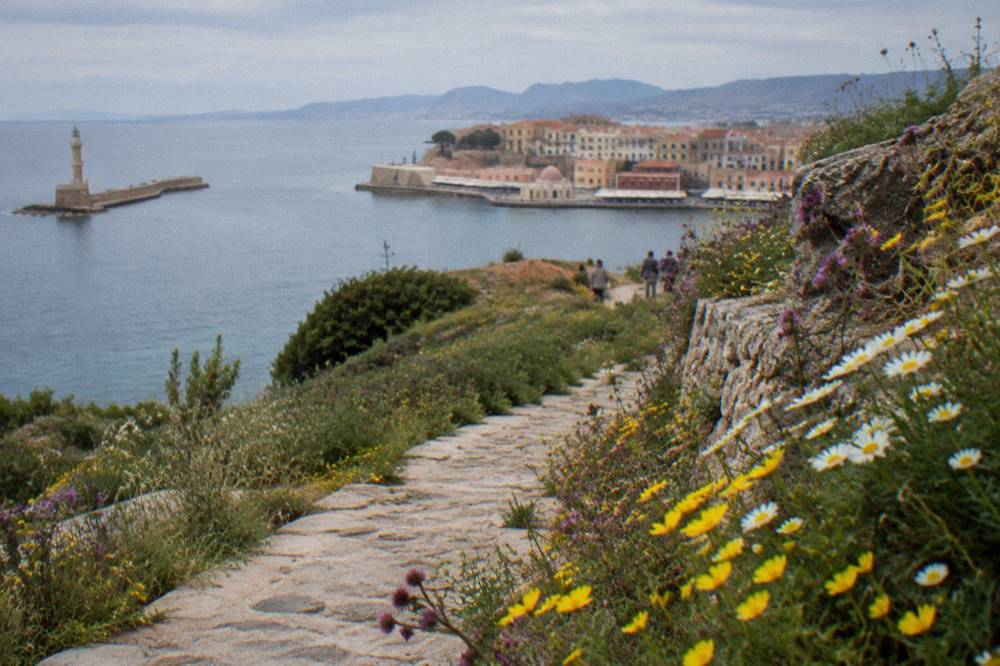
Spring also suits the inland day trips. The Imbros Gorge guided hike and village visit runs as a day trip from Chania and works well in spring temperatures, and its listing carries the current price and dates: Check availability.
Is Autumn A Good Time To Visit Chania?
September and early October are among the best weeks in Chania, with station means of 23.2 C in September and 19.4 C in October, rainfall of 15.4 mm then 67.7 mm, and a sea that has warmed through the whole summer, though the October rainfall jump to 67.7 mm across 9.3 rain days means the later into the month, the more a rain plan is needed.
September is the connoisseur's month: the station shows it nearly as dry as June, the holiday crowds have gone home, and the boat season is still running on the operator's published schedule to 31 October 2026. October splits into two halves. The first half usually behaves like a soft September. The second half carries real rain risk as the wet season builds toward November's 77.0 mm.
Autumn carries one specific caveat: storms. The damage the late September and early October 2026 storms did to the Samaria Gorge path shows how quickly autumn weather can close a trail, and the same storms can suspend small-boat trips for a day or two. Any gorge plan in autumn should be checked against the NECCA status before the day. The site's page on why the Samaria Gorge closes covers the questions readers ask most, and the Chania rainy day page lists what to do when a storm day arrives.
Autumn is also the season for the island's food calendar. Grape harvest and olive country visits, wine tastings and slow lunches inland all sit well with September temperatures, and a guided tasting tour from Chania ties several producers into one day: Check availability.
What Is Winter In Chania Like?
Winter in Chania, November to March, records mean temperatures of 15.8 C in November down to 11.0 C in January and back to 12.7 C in March, with rainfall of 77.0 mm, 101.9 mm, 129.5 mm and 76.0 mm respectively across 11 to 16 rain days a month, so the city stays mild but wet, with short shoulder storms and a quiet, local rhythm in the Old Town.
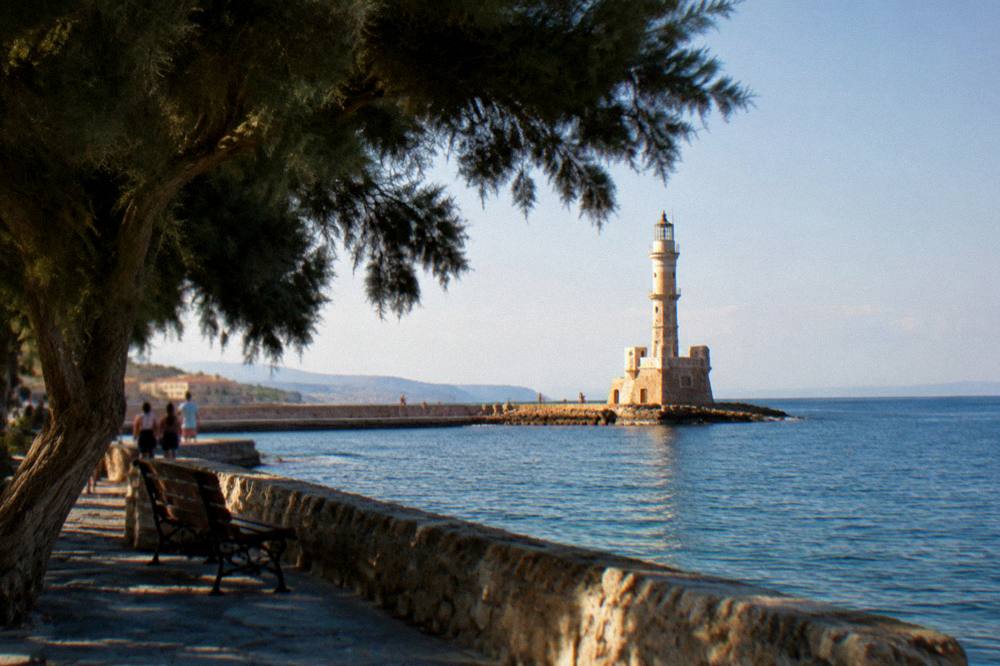
Winter in Chania is not a beach season, but it is far from closed. The Venetian Harbour, the Firka Fortress grounds, free and dating from 1620, the lighthouse walk and the covered Municipal Market all continue through winter, and the Chania one day itinerary can be run in any season. Museum hours narrow, and the Archaeological Museum's visit page is the place to confirm winter opening before travelling.
The quiet months suit a different kind of trip: long lunches, the restaurants of Chania at their most local, and day trips to inland villages without summer heat. Rain days, 16.3 in January and 16.1 in December, mean a full backup day of indoor plans is wise. Accommodation collects the climate crisis resilience fee per room per night with seasonal rates; the amount is confirmed at booking.
| Winter Month | Mean C | Rain Days (Station Records) | Planning Read |
|---|---|---|---|
| November | 15.8 | 11.2 | Mild, increasingly wet, seasonal closures begin |
| December | 12.7 | 16.1 | Wet, quiet, local rhythm |
| January | 11.0 | 16.3 | Wettest month of the table, coolest means |
| February | 11.0 | 14.5 | Similar to January, slowly lengthening days |
| March | 12.7 | 11.5 | First stretch of drier, brighter weeks |
Which Months Suit The Gorges And Walking Around Chania?
The gorge walking season around Chania runs from the normal 1 May opening of Samaria to its 31 October close, and the best walking months within it are May, early June and late September, when the station means sit between 20.2 C and 23.2 C and rain is minimal, while July and August walking days start at dawn because midday means of 26.7 C and 26.3 C make the gorge floors punishing.
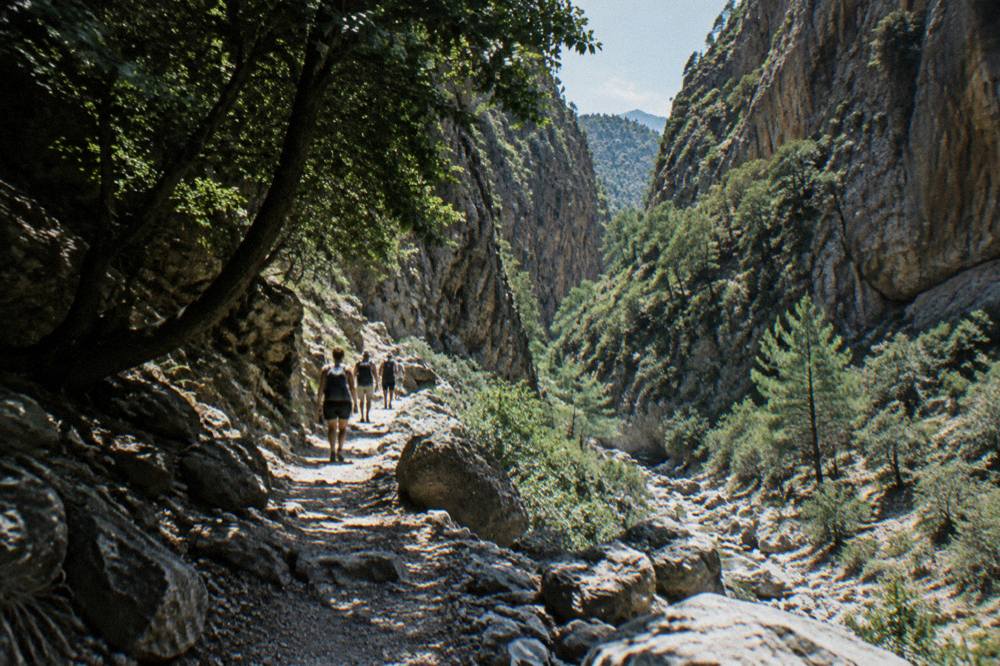
Samaria is the headline walk, one way from Xyloskalo on the Omalos plateau down to Agia Roumeli, with boats from Agia Roumeli to Sougia or Chora Sfakion at about 17:30 and a KTEL bus back, as reported. The ticket is EUR 10 through the NECCA e-ticket portal, free for EU residents under 18 and over 65. Entry for the full walk runs 07:00 to 13:00 and everyone is out of the park by 18:00. No swimming and no camping are allowed inside. Samaria is never a promise: it closes or is delayed when storms damage the path, so the NECCA status is the only reliable word on any given day, and the Samaria Gorge page carries the full detail.
Imbros Gorge is the shorter, lower alternative, open across a wider window and reachable as a guided day trip from Chania. The Imbros Gorge page compares the two walks. A guided Imbros hike with a village visit runs in the spring and autumn sweet spots: Check availability.
How Does The Season Change Getting To Chania?
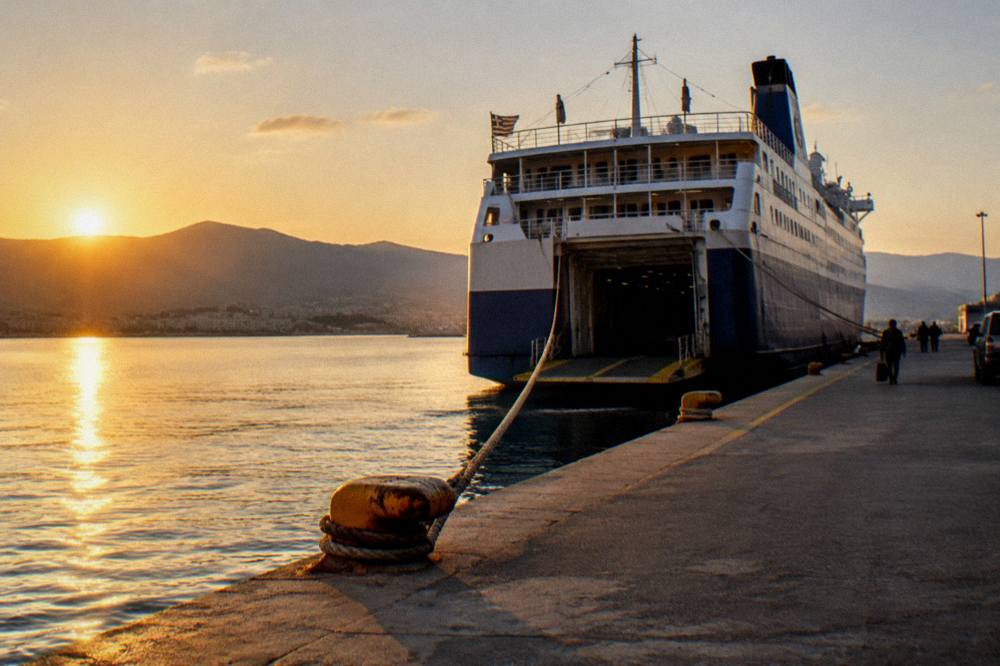
Flights into Chania International Airport Ioannis Daskalogiannis, about 14 km from the city centre, run year round with the widest choice of routes in summer, the overnight Blue Star Ferries crossing from Souda port to Piraeus departs about 21:30 and takes about 9 h 15 min on the operator's published timetable, and both the airport and the port sit outside the Old Town, so the season changes frequency and price, not geography.
The seasonal pattern is simple. From April to October the route network widens and the KTEL bus station on Kydonias street runs its full set of connections, including summer routes to Elafonisi and the year-round lines to Heraklion, Rethymno, Kissamos, Paleochora and Omalos. In winter, frequency drops, and some beach-area hotels close, so the flights to Chania and getting around Chania pages should be checked close to travel. The airport's own site carries current bus and taxi information.
Two geography points prevent the classic mistakes: the Piraeus ferry leaves from Souda port, about 7 km east of the Old Town, never from the Venetian Harbour, which serves excursion boats. And the airport is on the Akrotiri peninsula near Souda, not a short hop from the centre; the Chania airport to town page covers the transfer options.
Which Month Should You Actually Pick For Chania?
Pick late May or September for the best overall balance of dry station records and manageable crowds, July or August for the fullest beach and boat season at peak heat, April or October for quiet and green or quiet and warm seas respectively, and plan November to March around city life, museums and food rather than beaches, because that is how the 1958 to 2010 station table and the seasonal schedules actually divide the year.
For whichever window you choose, book a hotel here.
A compact decision table:
| If You Want | Best Months | Why, From The Station Records |
|---|---|---|
| Beaches and boats at full tilt | July, August | 1.0 to 1.4 mm rain, means 26.7 C and 26.3 C, peak schedules |
| Balance of warmth and quiet | Late May, mid June, September | 3.4 to 15.4 mm rain, means 20.2 C to 24.7 C and 23.2 C |
| Walking and gorges | May, early June, late September | Mild means, minimal rain days, full gorge season |
| Green landscape and quiet | April | 31.5 mm rain, 7.7 rain days, mean 15.9 C |
| Warm sea with fewer people | September | 23.2 C mean, 3.2 rain days, sea warmed all summer |
| City life, food, museums | November to March | Mild means of 11.0 to 15.8 C, rain days above 11 |
One last planning note. The climate crisis resilience fee is collected by accommodation per room or apartment per night at seasonal rates, and the amount is confirmed at booking, so late-season travellers should simply ask. For sizing the trip itself, the how many days in Chania page works for any month, and the where to stay in Chania page matches areas to seasons.
Common Questions About The Best Time To Visit Chania
What is the best time to visit Chania?
Late May to mid June and September, when the HNMS Chania Souda station records for 1958 to 2010 show dry, warm conditions and the July and August crowds are absent while beaches and boats still run.
What is the rainiest month in Chania?
January, at 129.5 mm of rain across 16.3 rain days in the station table, followed by December at 101.9 mm; these are table statements for the Chania Souda station records.
Can you swim in Chania in October?
Yes, in the first half of October the air mean is still 19.4 C and boat trips run to 31 October 2026 on the operator's schedule, but rainfall rises to 67.7 mm across 9.3 rain days, so later October needs a weather check.
When does the Samaria Gorge open?
Normally 1 May to 31 October, but the gorge closes or is delayed when storms damage the path, so check the NECCA status before planning; the ticket is EUR 10 via the NECCA e-ticket portal.
Is Chania worth visiting in winter?
Yes, for the Old Town, harbour, museums and food rather than beaches: winter means run 11.0 C in January to 15.8 C in November, with 11 to 16 rain days a month in the station records.