Things To Do In West Crete
West Crete runs from Chania and its Venetian Harbour out to Balos, Elafonisi and the gorges of the White Mountains, and every one of those day trips starts from this one city.
Short answer
West Crete is a day-trip region: base yourself in Chania, then choose between Balos and Gramvousa by boat, Elafonisi and its protected beach, Samaria or Imbros gorge hikes, and mountain villages, planning around the May to September dry window in the HNMS Chania Souda station table.
West Crete is the quarter of the island that folds around Chania, a coastal city of 111,375 permanent residents on the north-west coast, and it packs the island's famous beaches, two walkable gorges and the White Mountains into a radius a car or a tour bus can cross in a morning. The region's logic is simple: the city is the base, and the landmarks, Balos, Elafonisi, Samaria, Falassarna, the south-coast villages, are the spokes. This guide lays out what each spoke offers, what it costs, and how the season shapes the order you do them in.
What Does West Crete Actually Cover?
West Crete is the area west of a rough line from Chania south to Sfakia, held together by the White Mountains, and Chania is its only real city base, with its Old Town around the Venetian Harbour and its airport about 14 km from the centre on the Akrotiri peninsula. The municipality covers 356.12 km2, and everything the region is known for sits within a day's drive or boat ride of it: Balos and Gramvousa to the north-west, Elafonisi and Falassarna on the west coast, the gorges cutting south through the mountains, and the Libyan Sea villages of the south coast.
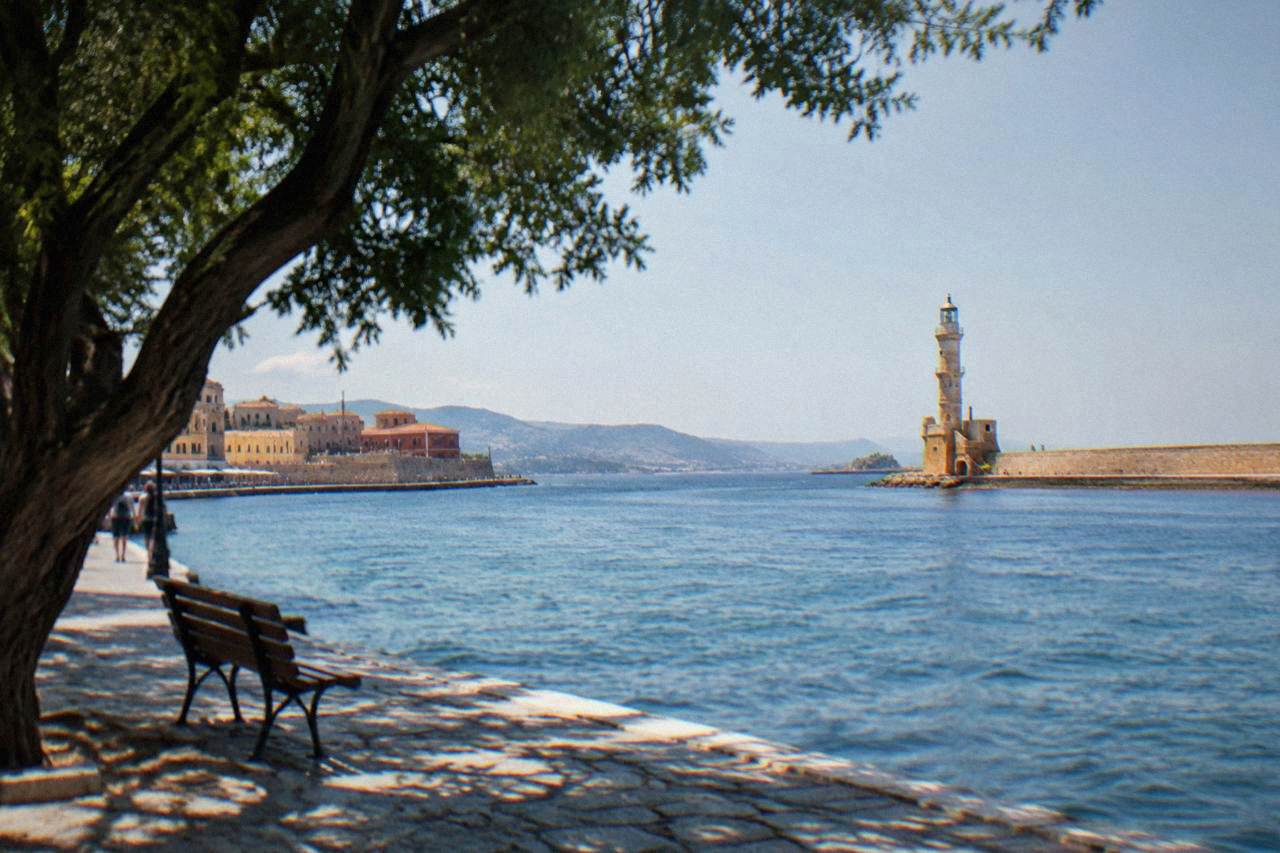
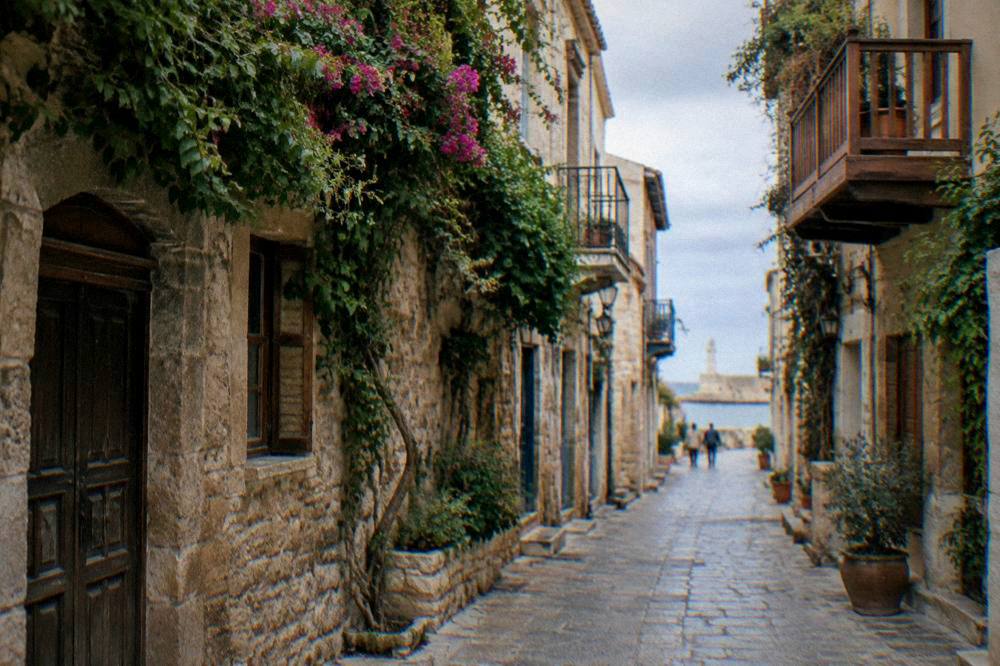
The harbour itself is the oldest fixed point. It was first built between 1320 and 1356, with dredging and a wall recorded in 1515, and the lighthouse at the end of the mole went up between about 1595 and 1601 on a Venetian base. The second city walls, from 1536 onward, follow Michele Sanmicheli's design. Ottoman rule began with the 1645 conquest of Chania, and Crete's union with Greece came in 1913. That layered history is why a West Crete week keeps switching registers: Venetian shipyards in the morning, a Natura 2000 beach in the afternoon.
| Site | What the record shows |
|---|---|
| Venetian Harbour | First built 1320 to 1356; wall recorded 1515 |
| Lighthouse (Faros) | Built about 1595 to 1601; restored 1830 to 1840; operating 1839 |
| City walls | First walls 1336 to about 1356; second walls from 1536 |
| Neoria shipyards | Seven survive of an original seventeen, 15th to 16th century |
| Firka Fortress | Built 1620; grounds free to enter |
| Ottoman rule to union | 1645 conquest; union with Greece 1913 |
The rest of this guide works outward from that centre. For the full city-side breakdown, the root page on Chania Crete Travel Guide and the things to do in Chania money page cover the Old Town, the beaches nearest the centre and the museum district in Halepa.
Which Beaches And Boat Trips Define West Crete?
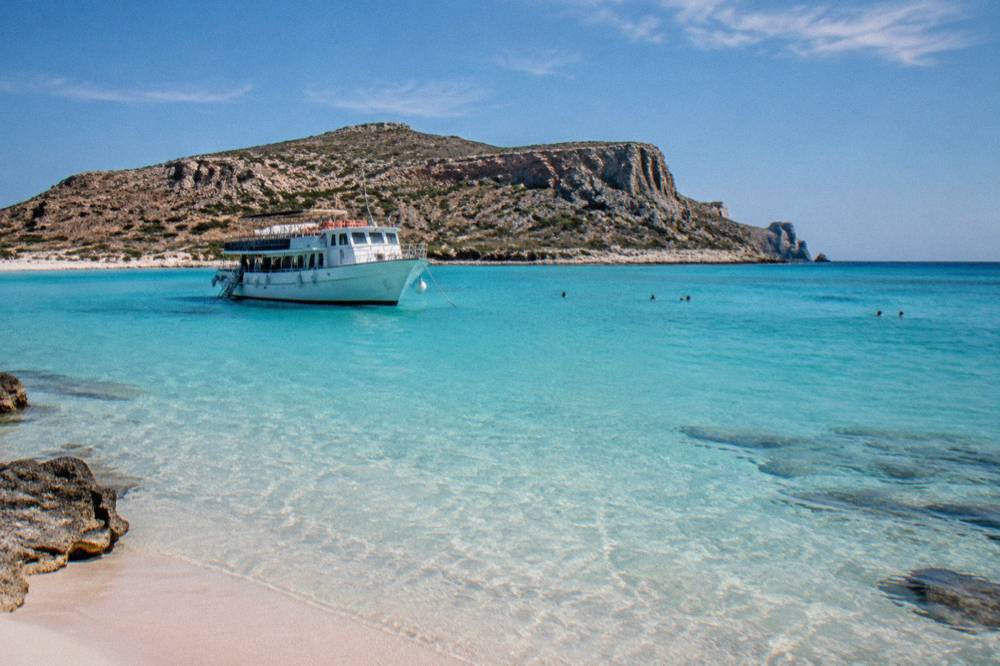
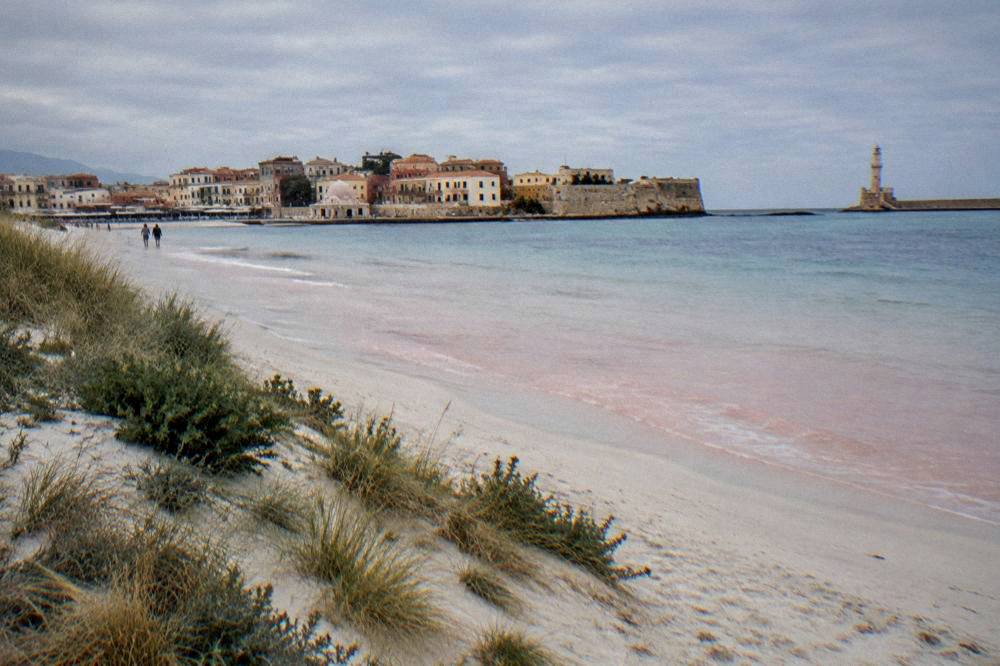
The region's headline beaches are Balos lagoon and Gramvousa island, reached by boat from Kissamos port or by an unpaved road from Kaliviani to a parking area and then a walk down, and Elafonisi on the south-west tip, a Natura 2000 protected area where entry is reported to be free and taking sand, shells or plants is prohibited. Falassarna sits between them on the west coast. These are not city beaches: each is a half-day or full-day commitment from Chania, and each has an access detail that decides whether a tour beats a hire car.
Balos is the one with a fee quirk worth knowing before you go. The only confirmed charge is a EUR 1 Kissamos municipal fee, collected on the boat ticket for travellers over 13. A time-slot cap of about 1,200 visitors per three hours was proposed in August 2026, but a proposal is not a rule, so treat any claim of an entry fee or a visitor cap at the lagoon with caution. The boat season runs daily departures to 31 October 2026, according to the operator's own schedule. Elafonisi is the gentler of the two icons: protected, free to enter, and strict about what leaves the site. The choice between them is laid out in detail on the best beaches in Chania guide.
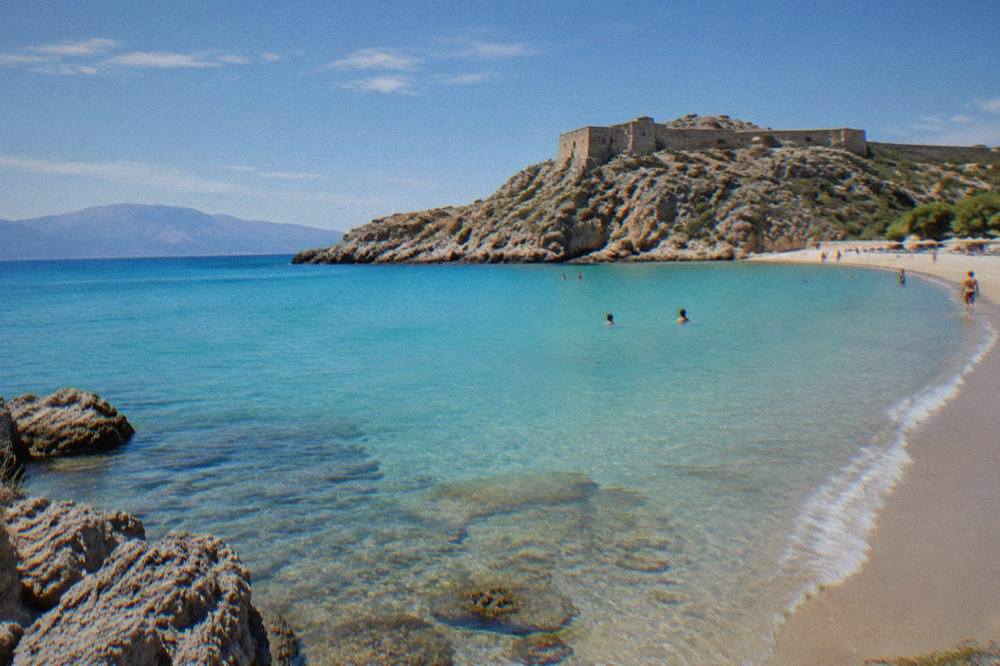
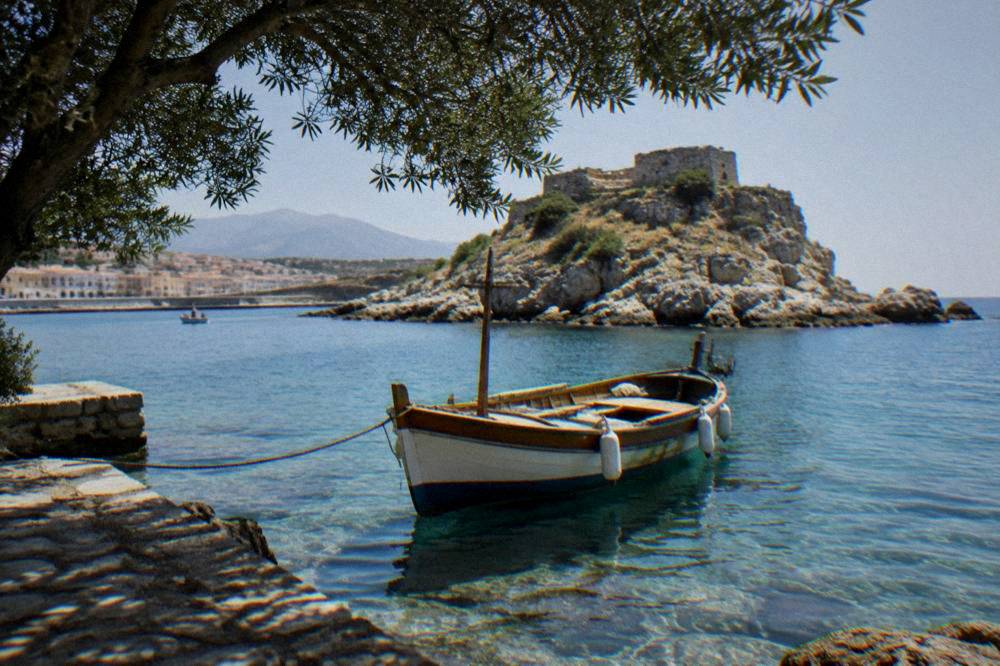
Boat trips from Chania itself cover a different water: the small islands off the city. Agioi Theodoroi and Lazaretta sit within sight of the harbour, and short cruises, snorkelling runs and sunset departures work them around the Venetian coastline. Two-day trips stand out for a first week:
The Falassarna and Balos combination suits travellers who want two west-coast beaches in one organised day with pickup and the boat ticket handled, and the small-group sailing run covers the islands closest to the city with a meal on board. For a closer look at the big lagoon trip, the Balos and Gramvousa planning guide and the Elafonisi beach guide carry the road, season and protection detail.
How Do The Gorge Hikes Work From Chania?
Samaria Gorge is a managed national park with a one-way route from Xyloskalo on the Omalos plateau down to Agia Roumeli, an individual ticket of EUR 10 through the NECCA e-ticket portal, free for EU residents under 18 and over 65, and a normal season of 1 May to 31 October that changes when storms damage the path. The park's reported rules are entry for the full walk between 07:00 and 13:00, everyone out by 18:00, no swimming and no camping inside. From Agia Roumeli, boats leave for Sougia or Chora Sfakion at about 17:30, where a KTEL bus completes the loop back to Chania.
The caveat matters more than the route description. Storms in late September and early October 2026 destroyed sections of the path, and staff have called a 2026 reopening extremely difficult, with works aimed at readiness in May 2027; the gorge had also closed earlier in the 2026 season for the same reason. The honest version of the plan is this: the gorge normally runs 1 May to 31 October, it closes or delays when weather hits, and the NECCA status page is the check to make before committing a day, or before booking any trek. Tour prices for Samaria excursions exclude the separate entrance fee and the ferry charges.
Imbros Gorge is the established alternative. It is a shorter walk in the same mountain corridor, it does not carry Samaria's national-park entry system, and guided versions pair the hike with a village stop or with the Sfakia coast. The Samaria Gorge guide, the Imbros Gorge guide and the head-to-head on Samaria or Imbros compare the two routes in full.
What Do The White Mountains And Villages Add?
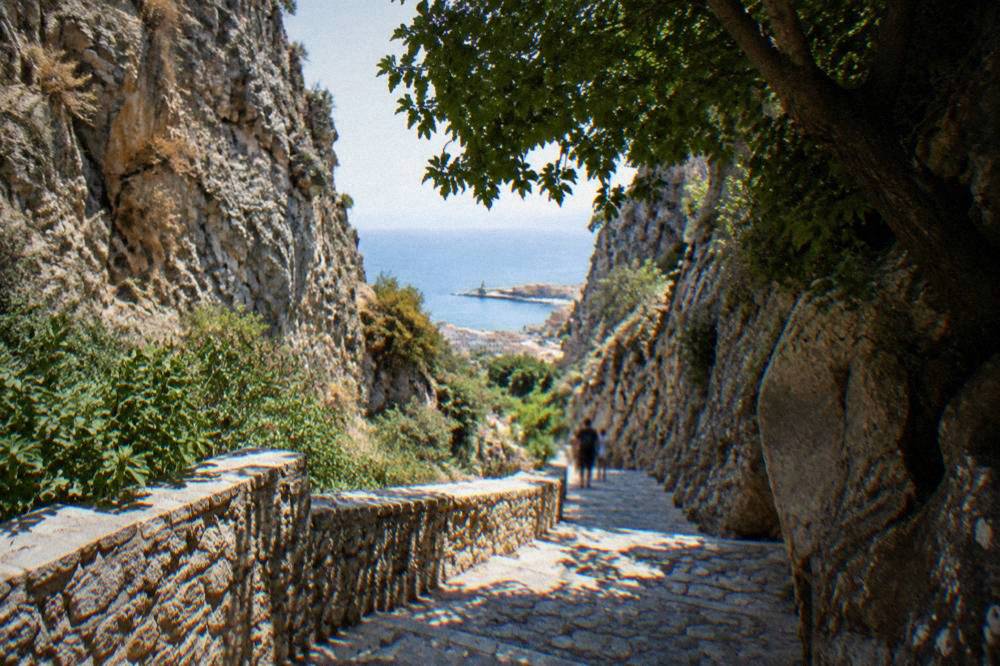
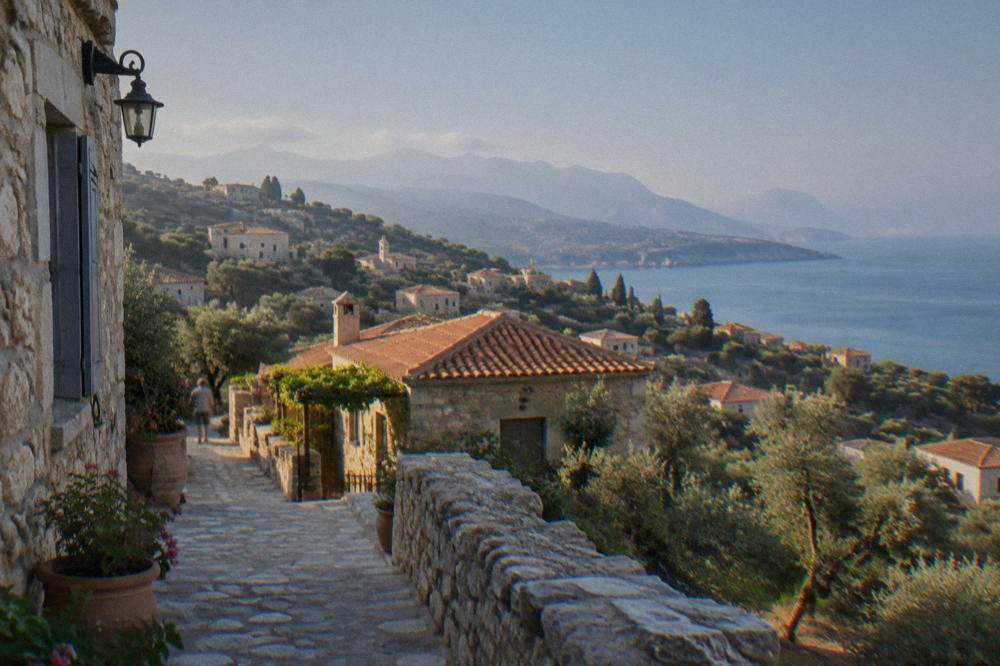
The White Mountains, Lefka Ori, are the interior spine of West Crete, and their footholds are working villages rather than resorts: the Apokoronas cluster to the east, Elos and the plateau country to the south-west, and the Omalos plateau at the head of the Samaria route. Village tours from Chania bundle these into a day of food stops, honey and wine producers, and lake and springs visits at Lake Kournas and Argiroupoli, which sit on the region's greener eastern edge.
The pattern across these products is consistent: a small group, a guide who lives in the area, and producers you would not find from the main road. The honey and wine stops on the Elafonisi route above are one version; the Apokoronas village circuit with lunch is another; the cooking classes held in mountain villages are the deepest version, where the meal is the itinerary. Olive oil, wine, cheese and honey are the four products that recur across the region's tastings, and a dedicated tasting tour from Chania covers all four in a single loop.
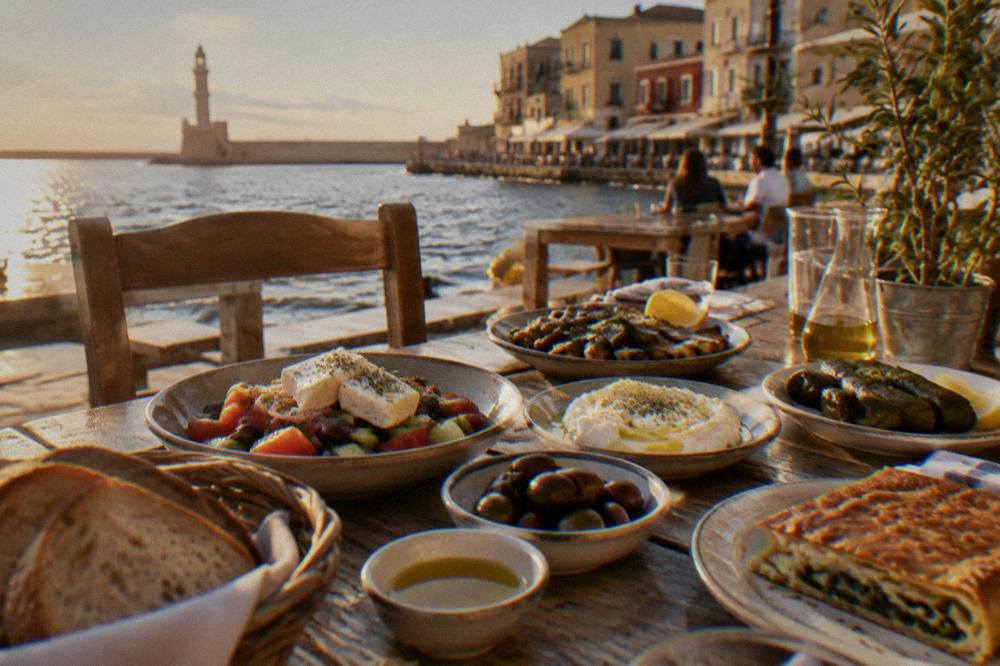
For the city end of the food story, the Cretan food in Chania guide and the restaurants guide map where to eat between day trips. The region's food culture is the reason a food-led Old Town walk is the natural first morning in Chania: it sets the vocabulary, dakos, rusks, olive oil, thyme honey, that the village days then expand on.
Which Towns And Sites Sit Within A Day Of Chania?
Rethymno, Heraklion and Knossos, Kissamos, Paleochora and the south-coast villages of Sfakia, Loutro and Sougia are all reachable as day trips from Chania, with the KTEL long-distance station on Kydonias street running routes to Heraklion, Rethymno, Kissamos, Paleochora, Omalos and, in summer, Elafonisi. The two directions could not be more different: east along the north coast to the big cities and the archaeological site of Knossos, or south over the mountains to a Libyan Sea shore with no through road.
The south coast is the region's second personality. Loutro is reached by boat, Sfakia is the ferry hub for the Samaria walkers returning by sea, and Paleochora anchors the far south-west, with boats to Gavdos running from Paleochora and Sougia in season. East of Chania, the pattern reverses: Rethymno is a harbour town comparable to Chania at smaller scale, and Heraklion is the island's capital and the gateway to Knossos. The Rethymno guide and the Heraklion and Knossos guide cover both.
| Direction | Place | Reachable from Chania by |
|---|---|---|
| North-west | Kissamos | KTEL route from Kydonias street station |
| North-west | Falassarna | Road via Kissamos, or boat tour |
| South-west | Elafonisi | Road, seasonal KTEL route, or tour |
| South-west | Paleochora | KTEL route from Kydonias street station |
| South | Chora Sfakion, Loutro | Road, then boat to Loutro |
| East | Rethymno | KTEL route along the north coast |
| East | Heraklion and Knossos | KTEL route or organised day tour |
Museum days fill the gaps. The Archaeological Museum of Chania at 15 Skra Street in Halepa charges EUR 15 full price and EUR 8 concession, with visitors asked to leave 20 minutes before closing; check the museum's own visit page for current days and hours. The Maritime Museum of Crete sits at the harbour, and Firka Fortress, built in 1620, has free grounds. The Archaeological Museum guide has the ticket and visit detail.
When Is The Best Time For West Crete?
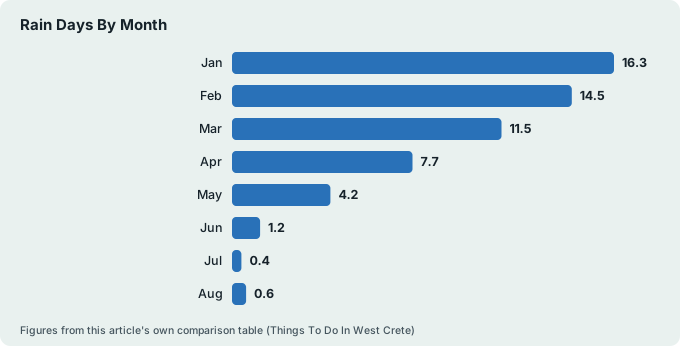
The HNMS Chania Souda station table, covering 1958 to 2010, shows the region running from a January mean of 11.0 C with 129.5 mm of rain to a July mean of 26.7 C with 1.0 mm, with the dry window running May through September and rain returning as a factor from October, when 67.7 mm falls. July's mean maximum is 30.7 C and January's mean minimum is 7.9 C, so the beach and gorge season and the quiet season are sharply separated. The prevailing wind is westerly, turning north-west in July and August.
| Month | Mean C | Mean max C | Rain mm | Rain days |
|---|---|---|---|---|
| Jan | 11.0 | 14.4 | 129.5 | 16.3 |
| Feb | 11.0 | 14.7 | 104.0 | 14.5 |
| Mar | 12.7 | 16.6 | 76.0 | 11.5 |
| Apr | 15.9 | 20.0 | 31.5 | 7.7 |
| May | 20.2 | 24.5 | 13.5 | 4.2 |
| Jun | 24.7 | 28.9 | 3.4 | 1.2 |
| Jul | 26.7 | 30.7 | 1.0 | 0.4 |
| Aug | 26.3 | 30.4 | 1.4 | 0.6 |
| Sep | 23.2 | 27.4 | 15.4 | 3.2 |
| Oct | 19.4 | 23.5 | 67.7 | 9.3 |
| Nov | 15.8 | 19.6 | 77.0 | 11.2 |
| Dec | 12.7 | 16.2 | 101.9 | 16.1 |
Read the table against the activities. The gorges need the park season, 1 May to 31 October for Samaria in a normal year, and they close when storms damage the path, which is a late-season risk the September and October rainfall figures make easy to picture. The Balos boats run daily departures to 31 October 2026 on the operator's schedule. May and June give warm sea, low rainfall counts and the full park season, and the best time to visit Chania guide and the Chania weather guide extend this month by month.
How Do You Get Around West Crete?
A hire car is the flexible option for the west-coast beaches and villages, KTEL buses cover Heraklion, Rethymno, Kissamos, Paleochora, Omalos and seasonal Elafonisi routes from the Kydonias street station in Chania, and boats fill the gaps the roads do not cross, from the Balos cruises out of Kissamos to the Agia Roumeli ferries and the seasonal Gavdos runs from Paleochora and Sougia. There is no railway on Crete, so the choice is road, bus or water.
To explore the coast and villages at your own pace, book a rental car here.
Arrival logistics sit in two guides. Chania International Airport "Ioannis Daskalogiannis", operated by Fraport Greece, is about 14 km from the city centre on the Akrotiri peninsula, and the airport guide and the airport to town guide cover the bus and taxi options, with fares to confirm on the airport's own site. For the onward driving, the driving in Crete guide, the car rental guide and the parking guide are the practical set.
How Many Days Does West Crete Need?
A week is the natural length: two or three days for Chania's Old Town, the harbour and the nearest beaches, then one day each for Balos or a boat trip, Elafonisi or Falassarna, a gorge or the mountain villages, with Heraklion and Knossos as an optional long day east. Anything shorter forces a choice between the coast and the gorges, and the how many days in Chania guide and the West Crete one week itinerary sequence the days so nothing doubles back.
A sample week, ordered by dependence on season and weather:
| Day | Focus | Notes |
|---|---|---|
| 1 | Chania Old Town and Venetian Harbour | Lighthouse, Neoria, Firka Fortress, museum |
| 2 | West coast by boat | Balos and Gramvousa from Kissamos, EUR 1 municipal fee on the ticket for over-13s |
| 3 | Elafonisi | Natura 2000 area, entry reported free, nothing may be taken from the site |
| 4 | Gorge day | Samaria if the NECCA status confirms the path, otherwise Imbros |
| 5 | White Mountains villages | Apokoronas, Elos, or Lake Kournas and Argiroupoli |
| 6 | Coast near the city | Nea Chora, or a boat to Agioi Theodoroi and Lazaretta |
| 7 | Rethymno, or Heraklion and Knossos | KTEL route east, or an organised tour |
Where you sleep shapes the week. The Old Town puts the harbour and the restaurants at the door and keeps every day trip within reach; the beach strips west of the city trade that for sand. The where to stay in Chania guide and the hotels guide lay out the districts, and accommodation collects the climate crisis resilience fee per room or apartment per night at seasonal rates, an amount to confirm at booking.
Which Tours And Experiences Are Worth Booking From Chania?
The tours that earn their place in a West Crete week are the ones that solve a logistics problem: boat tickets and pickup for Balos, a guide and the return loop for a gorge, small-group sailing for the islands off the city, and food-led walks and tastings that reach producers a visitor would not otherwise find. Ratings, prices and durations belong to each operator's live listing, so the planning question is what the day covers, not what it costs on a third-party page.
The Old Town walk with street food is the one worth doing first, before any day trip, because it covers the harbour district and the food vocabulary at once. The full catalogue, from the walking tours guide to the best tours from Chania guide, sorts every category the region offers.
Common Questions About Things To Do In West Crete
What are the best things to do in West Crete?
The region's headline days are the Balos and Gramvousa boat trip from Kissamos, the Elafonisi beach day, the Samaria or Imbros gorge hike, and the White Mountains villages, all planned from a base in Chania and sequenced by the season.
Is Samaria Gorge open?
Normally 1 May to 31 October, but storms in late 2026 damaged the path and the reopening position was undecided at the time of writing, with works aimed at readiness in May 2027. Check the NECCA status before planning the day.
Does Balos lagoon charge an entry fee?
The only confirmed charge is a EUR 1 Kissamos municipal fee collected on the boat ticket for travellers over 13. A proposed visitor cap from August 2026 is not in force.
Can you visit Elafonisi and Balos in one day?
It is a long day by car and a hard pairing, since both sit on the far west coast in opposite corners. A combined tour beats self-driving, and the Elafonisi versus Balos comparison covers the trade-offs.
How many days do you need for West Crete?
A week covers Chania itself plus one day each for Balos, Elafonisi, a gorge and the mountain villages, with an optional long day east to Rethymno or Heraklion and Knossos.
When is the best month for West Crete?
The HNMS Chania Souda station table, 1958 to 2010, shows May through September as the dry window, with July rainfall at 1.0 mm, while rain returns as a factor from October at 67.7 mm, which is when gorge closures become more likely.
West Crete rewards a plan that respects its two constraints, the season and the distances, and Chania is the base that makes both manageable. Pick the boat day, the gorge day and the village day, keep the NECCA status and the operator schedules as your checks, and the week assembles itself.