Hiking In Chania
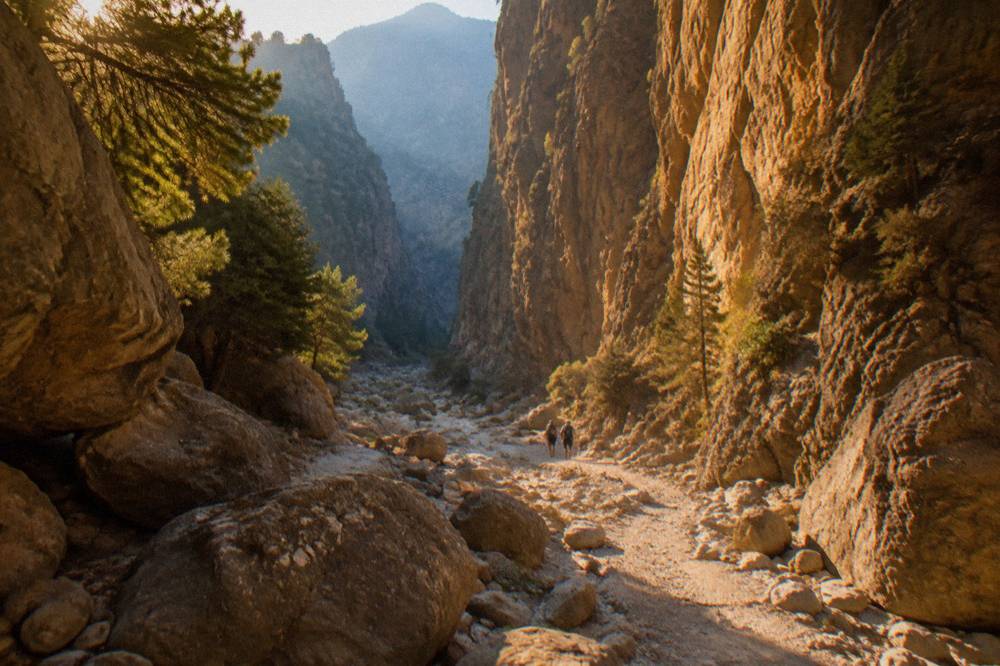
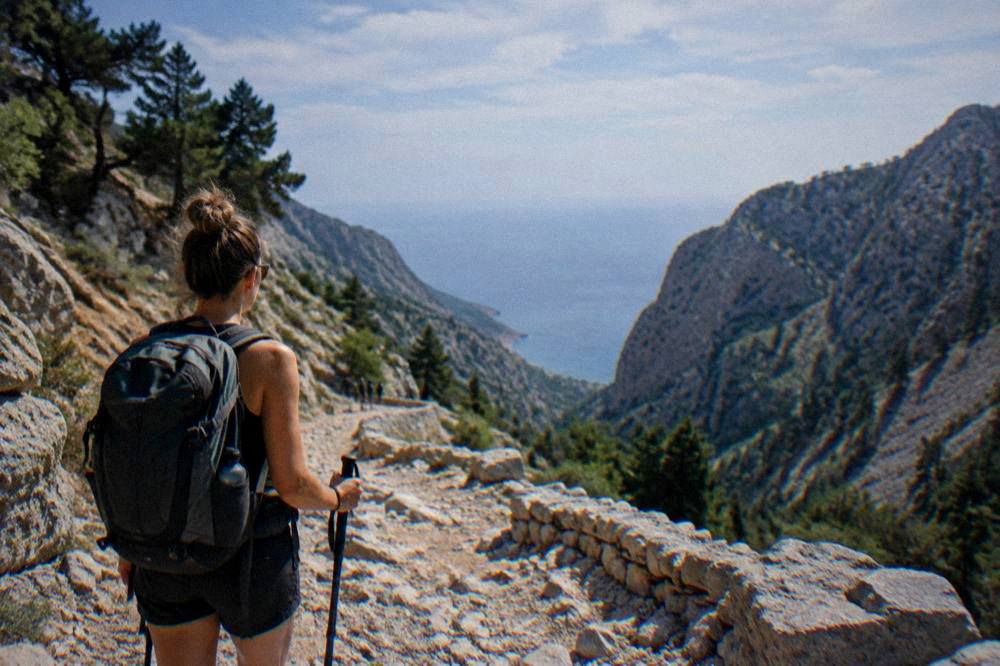
Chania sits between the sea and the White Mountains, which makes it one of the few Greek cities where a serious gorge hike and an evening walk on a harbour mole can share one itinerary. This guide lays out the trails, the seasons, the access and the rules, using what the park operator, the weather service and the bus network publish.
Short answer
The two headline hikes from Chania are Samaria Gorge, a one-way national park walk from Xyloskalo to Agia Roumeli with a EUR 10 ticket and a normal 1 May to 31 October season, and Imbros Gorge, a shorter gorge to the east. Closer to town, the Old Town, the Venetian Harbour and the Akrotiri peninsula carry lighter walking, and the HNMS Chania Souda table shows May to September as the dry window for all of it.
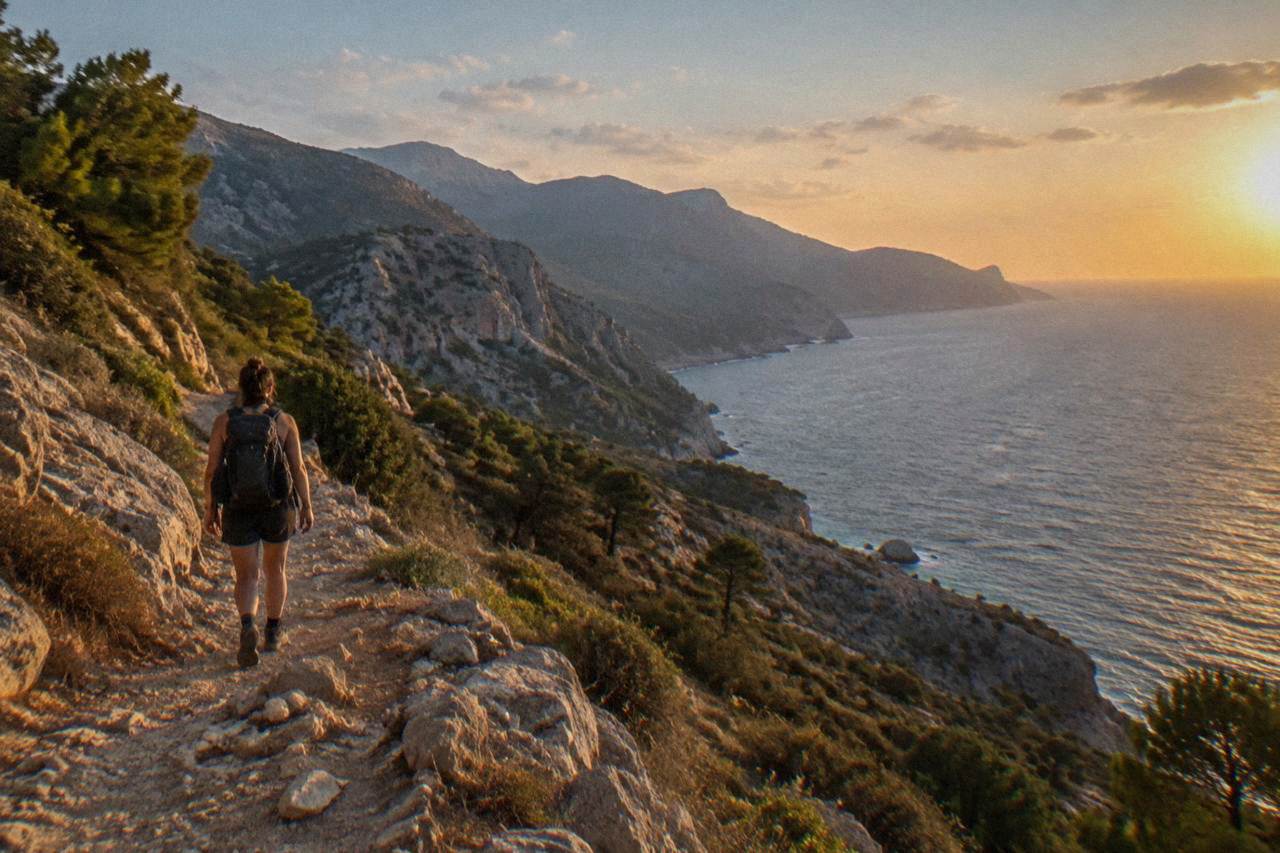
Chania is a coastal city on the north-west coast of Crete, Greece, and its hiking is unusually two-sided for a place of about 111,375 permanent residents: the White Mountains rise to the south of the municipality, while the Venetian Harbour and its lighthouse sit a few flat minutes from the Old Town alleys. One week here can hold a national park gorge, a second shorter gorge, a peninsula shoreline and an evening circuit of 15th to 16th century shipyards, and the KTEL bus station on Kydonias street feeds several of the trailheads without a car.
This guide from the Chania Crete Travel Guide desk sets out what the sources actually publish: the NECCA e-ticket portal for Samaria, the HNMS Chania Souda station table for the seasons, the KTEL route list for access. Where a fee, a fare or an opening status is not published, the page says so instead of guessing.
Where Can You Walk Directly From Chania Without A Car?
The walkable city core is the Old Town around the Venetian Harbour, where the harbour itself dates from works between 1320 and 1356, the lighthouse on the mole from about 1595 to 1601, Firka Fortress from 1620 and seven surviving Neoria shipyards from the 15th to 16th century, all within a compact flat circuit that needs no transport and no ticket.
Firka Fortress stands at the harbour's north-west entry and its grounds are free to enter, the fort built by the Venetians in 1620. The lighthouse, restored during the Egyptian rule of 1830 to 1840 on its Venetian base, closes the mole; the structure operates as a landmark rather than an attraction with published visiting hours. Along the eastern side, the Neoria, the Venetian shipyards, run in a row of seven survivors from an original seventeen, and the first city walls went up from 1336 with a second circuit from 1536 to Michele Sanmicheli's design. A walker who traces the harbour, cuts through the Old Town lanes and returns past the Splantzia side covers the whole layered story of the city, from Venetian harbour works recorded in 1515 through the Ottoman conquest of 1645 to the union of Crete with Greece in 1913.
For anyone who wants that circuit with a layer of interpretation rather than a guidebook, the site's page on guided and self-guided city walks lists the options, and one of them, the Chania mythological scavenger hunt, turns the same lanes into a puzzle route; more on it below. The flat-harbour day also pairs well with sightseeing and tastings around town, since none of it depends on a bus timetable.
| Sight on the walking circuit | What the record states |
|---|---|
| Venetian Harbour | First built 1320 to 1356; dredging and a wall recorded 1515 |
| Lighthouse (Faros) | Built about 1595 to 1601; Egyptian-era restoration 1830 to 1840, operating 1839 |
| Firka Fortress | Built 1620; grounds free |
| Neoria shipyards | 7 survivors of an original 17, 15th to 16th century |
| City walls | First circuit from 1336; second from 1536 to Sanmicheli's design |
How Hard Is The Samaria Gorge Hike From Chania?
Samaria Gorge is a one-way national park walk from Xyloskalo on the Omalos plateau down to Agia Roumeli on the south coast, with a EUR 10 individual ticket sold through the NECCA e-ticket portal, entry for the full walk between 07:00 and 13:00, everyone out of the park by 18:00, and a normal season of 1 May to 31 October that changes when special circumstances intervene.
The operator is the Natural Environment and Climate Change Agency, NECCA, whose Samaria National Park management unit runs the e-ticket portal and the free-ticket categories: EU residents under 18 and over 65 pay nothing, and the portal carries the remaining categories. The park's reported rules are strict and simple, no swimming and no camping inside the park, and no verified daily visitor cap exists, so any number quoted elsewhere should be treated with care.
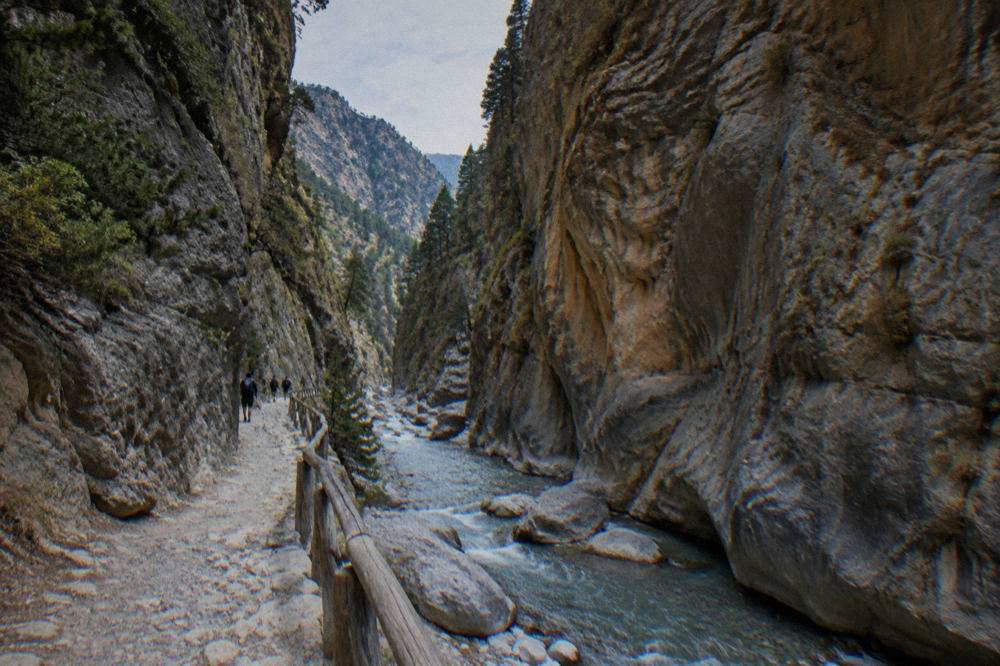
The exit logistics are what catch walkers out. From Agia Roumeli the boats leave for Sougia or Chora Sfakion at about 17:30, and from either port a KTEL bus runs back toward Chania; the walk cannot be reversed into a round trip on foot, so the day is built around that boat connection. The Chania long-distance bus station on Kydonias street serves Omalos, the plateau where the walk starts.
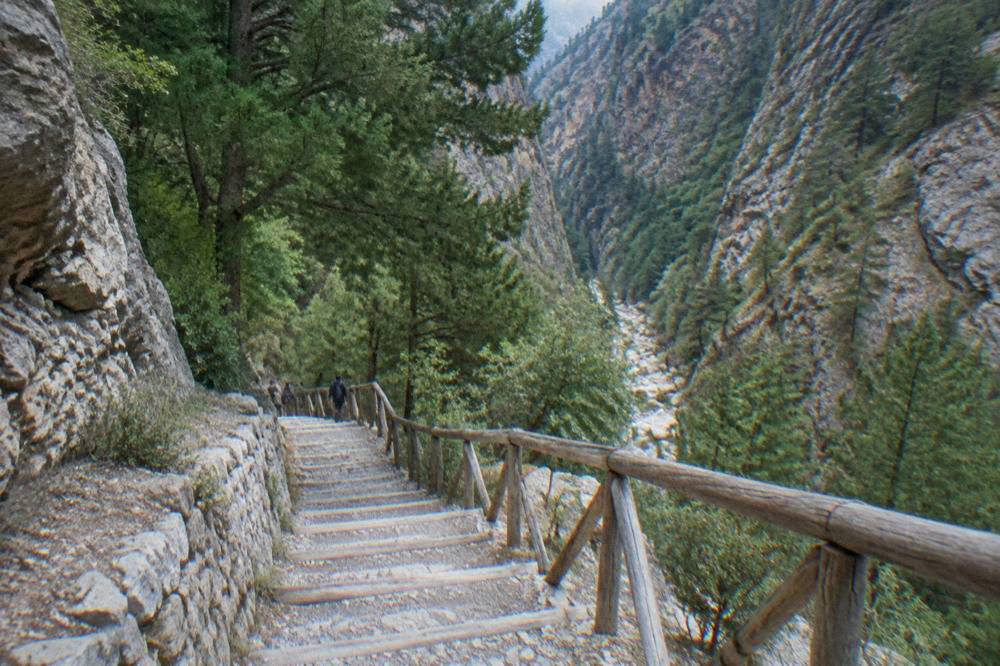
One point this page will not soften. Storms in late September and early October 2026 destroyed sections of the path, staff described a 2026 reopening as extremely difficult, no final decision is on record, and the works under way are aimed at readiness for May 2027. The correct reading is not that the gorge is open or closed on any given date, it is that the NECCA status page has to be checked before the day is planned at all. Guided treks from the city, such as the Samaria Gorge trek with a guide, carry the same caveat, and their prices exclude the separate EUR 10 entrance and the boat fee. The site's dedicated Samaria Gorge page collects the day-trip operators side by side.
| Samaria Gorge fact | Published detail |
|---|---|
| Operator | NECCA, Samaria National Park management unit |
| Ticket | EUR 10 individual, via the NECCA e-ticket portal |
| Free entry | EU residents under 18 and over 65 |
| Season | Normally 1 May to 31 October, dates can change |
| Hours | Entry for the full walk 07:00 to 13:00, all out by 18:00 |
| Route | One-way, Xyloskalo to Agia Roumeli |
| Exit | Boat to Sougia or Chora Sfakion at about 17:30, then KTEL bus |
| Rules | No swimming, no camping |
Samaria Or Imbros: Which Gorge Should A Chania Visitor Hike?
Samaria is the longer, ticketed national park walk with a boat exit and a strict seasonal window, while Imbros Gorge to the east is the shorter second gorge on the same south-coast road system, and the honest answer for 2026 and 2027 planning is that Samaria's status must be confirmed with NECCA first while Imbros runs as the reliable fallback that the region's guided-hike operators sell year in, year out.
To walk the shorter gorge with a guide, book a guided Imbros Gorge hike here.
The comparison matters because the two gorges sit on itineraries that overlap: both are reached from Chania by road toward the south coast, both end within reach of the Libyan Sea villages, and both are sold as guided day trips from the city. The site answers the head-to-head question in detail on which gorge is better for hiking, Samaria or Imbros. What this page adds is the rule of thumb: if the NECCA status page shows storm damage or a delayed opening, the Imbros-based day trips, such as the Imbros Gorge guided hike with a village visit, keep a gorge day on the calendar, and the Imbros and Sfakia coastal version adds a swim stop on the south coast.
For a walker deciding between the two in one week, the clean split is Samaria or a Samaria-status-dependent alternative on one day, Imbros with Sfakia on another, and a flat recovery day in town. The recovery day is not wasted: the Municipal Market and Old Town lanes hold an afternoon easily.
When Is The Best Season For Hiking In Chania?
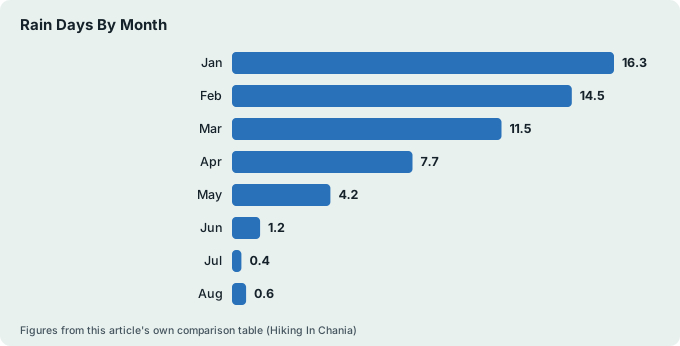
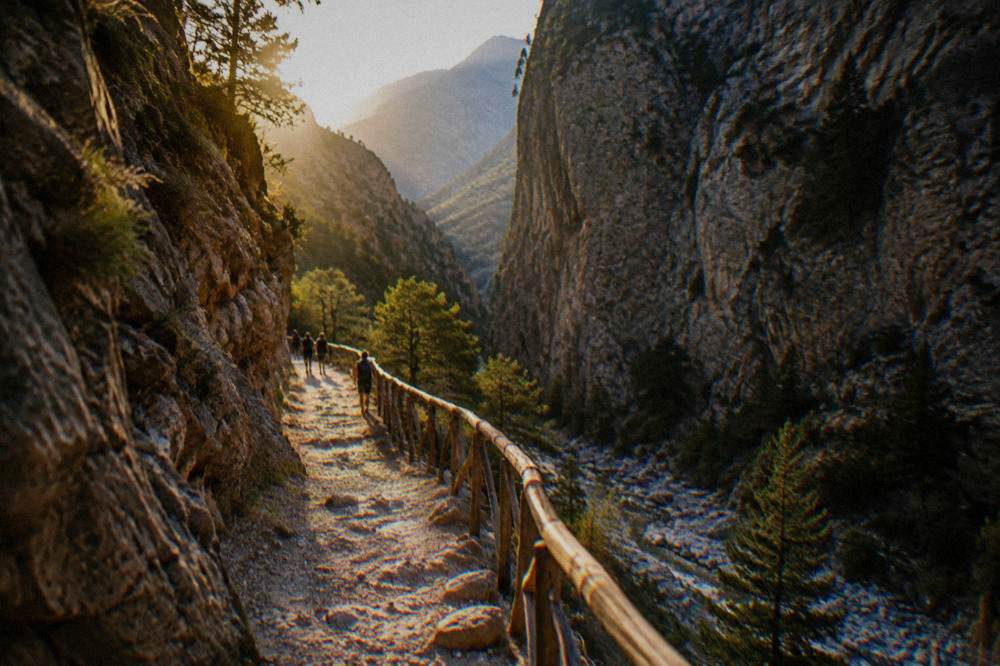
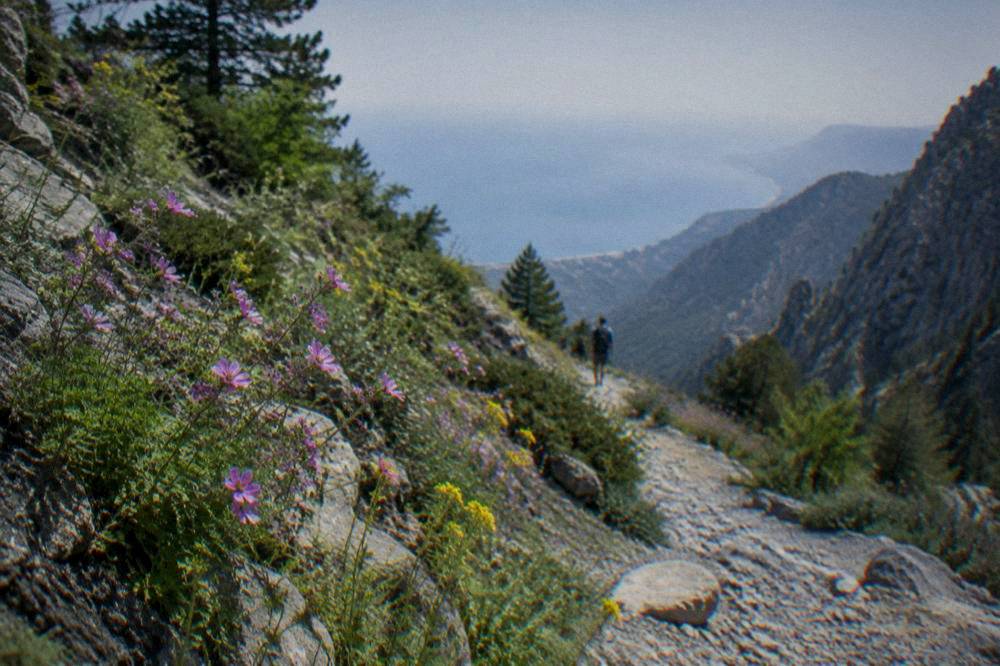
The HNMS Chania Souda station table, covering the station records from 1958 to 2010, shows the dry hiking window running from May to September, with 13.5 mm of rain in May, 3.4 mm in June, 1.0 mm in July and 1.4 mm in August, while October jumps to 67.7 mm and January sits at 129.5 mm, the wettest month in the table, against July, the driest at 1.0 mm.
Temperature tells the same story from the other end. The mean temperature runs 26.7 C in July and 26.3 C in August, with mean maximums of 30.7 C and 30.4 C, which is a great deal of heat to carry into a gorge whose full-walk entry closes at 13:00. May at a 20.2 C mean, September at 23.2 C and October at 19.4 C sit in the comfortable band, and the 2026 storm damage in Samaria is itself a reminder that autumn rain in Crete is not a theoretical problem: October averages 9.3 rain days in the station table. Humidity runs from 50 percent in July to 73 percent in January, and the prevailing wind is west, swinging north-west in July and August.
| Month | Mean C | Rain mm | Rain days |
|---|---|---|---|
| Jan | 11.0 | 129.5 | 16.3 |
| Feb | 11.0 | 104.0 | 14.5 |
| Mar | 12.7 | 76.0 | 11.5 |
| Apr | 15.9 | 31.5 | 7.7 |
| May | 20.2 | 13.5 | 4.2 |
| Jun | 24.7 | 3.4 | 1.2 |
| Jul | 26.7 | 1.0 | 0.4 |
| Aug | 26.3 | 1.4 | 0.6 |
| Sep | 23.2 | 15.4 | 3.2 |
| Oct | 19.4 | 67.7 | 9.3 |
| Nov | 15.8 | 77.0 | 11.2 |
| Dec | 12.7 | 101.9 | 16.1 |
All figures are HNMS Chania Souda station means for 1958 to 2010; the service publishes no newer table, and no monthly sea-temperature normal exists, so none is printed here. The seasonal planning question, including ferry and flight timing, is covered on the best time to visit Chania and Chania weather pages.
Do You Need A Guide To Hike From Chania, Or Can You Go Alone?
Samaria and Imbros are both walkable independently, the Samaria ticket is bought directly on the NECCA e-ticket portal and the KTEL network reaches the relevant towns, but a guided trek bundles the early transfer, the gorge logistics and the return boat-and-bus chain into one booking, which is the practical difference on a day where entry closes at 13:00 and the last boats leave Agia Roumeli at about 17:30.
The independent route is genuinely workable. The Chania long-distance bus station sits on Kydonias street, and the KTEL route list includes Heraklion, Rethymno, Kissamos, Paleochora, Omalos and, in summer, Elafonisi; tickets are handled through the operator's own booking site, and no fare is printed here because none is published on the official pages. What independence costs is margin: a missed bus connection at Chora Sfakion after a Samaria walk is a long evening, and a guided day moves that risk to the operator. The trade-offs are laid out on the getting around Chania and KTEL bus pages.
| Approach | What you arrange yourself | What a guided day covers |
|---|---|---|
| Samaria independent | NECCA e-ticket, KTEL to Omalos, boat ticket, return bus | Transfer, gorge logistics, return connections |
| Imbros independent | Road transport to the gorge start, return from Komitades side | Transfer, guide, village visit, return |
| Old Town walking | Nothing but shoes | Route, stories, tastings on some options |
Guided options from the city's roster run from the full-day Samaria Gorge trek with a guide to the professional-guided Samaria hike, and the shorter end of the market is represented by the Imbros hike with the Sfakia coastal experience, which pairs the gorge with south-coast water. Tour prices for the gorges exclude the separate EUR 10 Samaria entrance and the boat fees, a line every listing repeats and every walker should budget for.
What Should You Pack For A Chania Gorge Day?
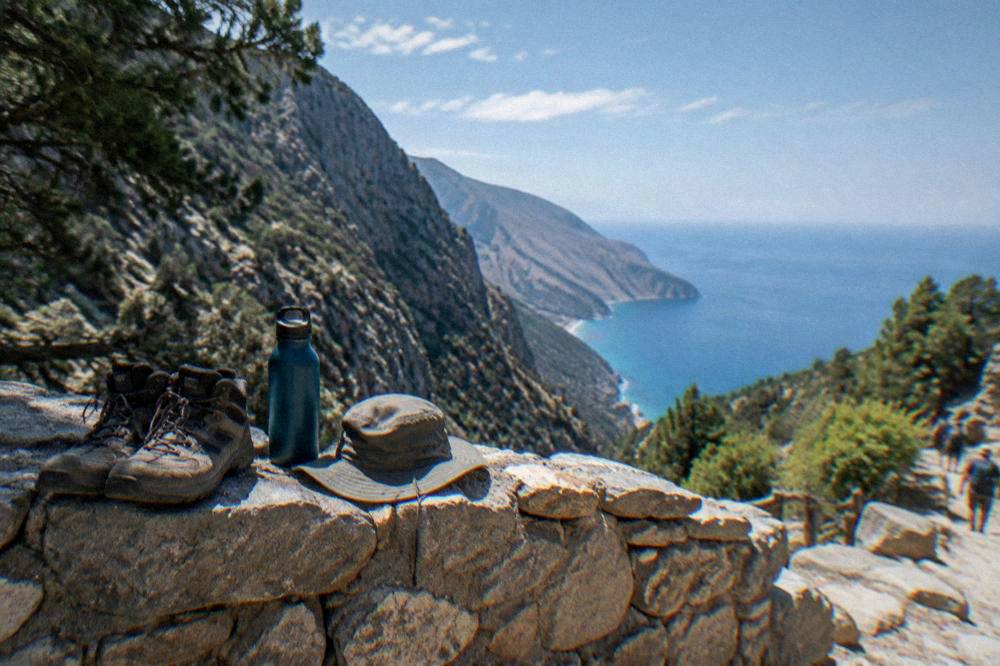
The pack list follows the park's own rules and the station table: water for a one-way walk with an afternoon exit deadline, shoes with grip for a stony riverbed path, sun protection for a July mean maximum of 30.7 C, the EUR 10 Samaria ticket bought in advance on the NECCA portal, cash sense for the boat, and nothing that assumes swimming, because no swimming and no camping are permitted inside Samaria National Park.
The station table makes the water argument better than any listicle: July logs 0.4 rain days and 1.0 mm of rain on one side, and 30.7 C mean maximum on the other, so the failure mode in high summer is heat, not weather. In April, May and October the arithmetic flips toward a shell layer, with 31.5 mm, 13.5 mm and 67.7 mm of rain respectively and 7.7, 4.2 and 9.3 rain days. The July and August wind, prevailing west and north-west in those months, is a factor on exposed ridges above the gorges rather than inside them.
| Item | Why the sources support it |
|---|---|
| Water | One-way walk, park exit deadline 18:00, July mean maximum 30.7 C |
| Gripped shoes | Stony gorge path; storm damage has closed sections in 2026 |
| Sun protection | High summer mean maximums of 30.7 C in July, 30.4 C in August |
| NECCA e-ticket | EUR 10, bought before the day |
| Light shell | October rain 67.7 mm, 9.3 rain days in the station table |
| No swim gear for Samaria | Swimming prohibited in the park |
For beach days between hikes, the best beaches in Chania page carries the coastal alternatives.
Can You Combine Hiking With Villages, Lakes And Springs Around Chania?
Yes, and the gentler combinations are the ones that keep a hiking trip balanced: the Lake Kournas and Argiroupoli springs day trip pairs a lake walk with spring-fed pools inland of the north coast, the Apokoronas villages tour adds seven villages with lunch, and both sit within a day's drive of the city while the gorge days run south.
These inland days are the answer to the question every multi-day hiker eventually asks, what to do when the legs need a downgrade. The Lake Kournas and Argiroupoli springs guided tour is built exactly for that: level walking, water, villages. The same soft category covers the White Mountains day trips that stay on wheels, from the Land Rover safari to the Apokoronas villages tour with lunch, which reach mountain country without demanding a gorge-shaped day.
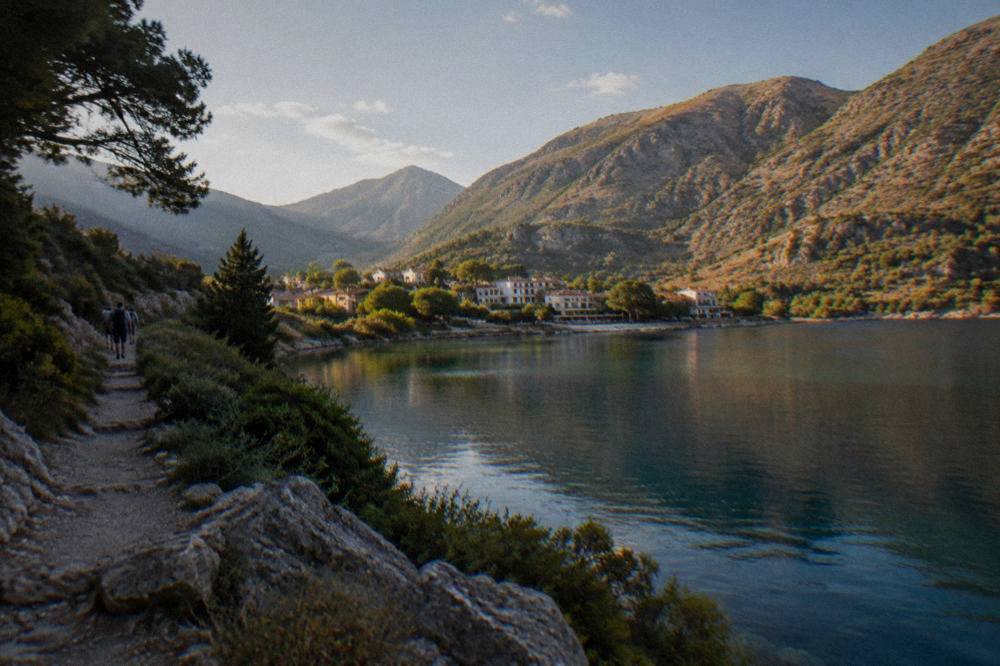
The mountains around these routes are the Lefka Ori, the White Mountains, the range that frames every south-bound drive from the city. There is no railway on Crete, so every one of these days is by road, and drivers should read the driving in Crete page before renting; the car rental and airport car rental pages cover the pickup logistics, with the airport about 14 km from the city centre on the Akrotiri peninsula.
How Many Days Do You Need For Hiking Around Chania?
A serious hiking week from Chania needs five to seven days to be comfortable: one for Samaria or its Imbros substitute, one for Imbros with the Sfakia coast if Samaria happened, one for a village, lake or springs soft day, one for the Old Town and harbour on foot, one spare day for weather or a NECCA closure, and the rest for beaches and the day trips that fill the site's longer itineraries.
The reason for the spare day is 2026's lesson. A gorge that normally runs 1 May to 31 October lost sections of its path to storms in late September and early October, and a plan with zero slack turns a closure into a hole in the week. The site's how many days in Chania page builds the same argument for general visitors, and the airport access pages, Chania airport and airport to town, cover arrival day. Staying in the right area shortens every early start, which the where to stay in Chania page breaks down.
Common Questions About Hiking In Chania
Is the Samaria Gorge open?
Its normal season is 1 May to 31 October, but storms in late 2026 damaged the path and no reopening promise can be made: check the NECCA status before planning, and treat any tour price as excluding the EUR 10 entrance and the boat fees.
Which is better for hiking, Samaria or Imbros?
Samaria is the longer, ticketed national park walk with a boat exit; Imbros is the shorter gorge and the reliable fallback when Samaria's status is uncertain. The site compares them directly on the gorge comparison page.
Can you hike from Chania without a car?
Yes. The Old Town and Venetian Harbour are flat walking, and the KTEL station on Kydonias street runs routes toward Omalos, Kissamos, Paleochora and the other towns that anchor the region's trailheads.
What is the best month for hiking in Chania?
The HNMS Chania Souda table for 1958 to 2010 shows May at a 20.2 C mean with 13.5 mm of rain and September at 23.2 C with 15.4 mm, the comfortable shoulder of the dry window that runs from May to September.
Do you need a guide for the gorges?
No rule requires one, and the Samaria ticket can be bought on the NECCA e-ticket portal, but a guided trek bundles the early transfer and the boat-and-bus return, which matters on a day when full-walk entry closes at 13:00.
What Is The Lightest Walking Day In Chania After A Gorge?
The lightest day is the Old Town and harbour circuit, all of it flat, free of timetables and anchored by the free grounds of Firka Fortress from 1620, the lighthouse from about 1595 to 1601 on its Egyptian-restored base, and the seven surviving Neoria shipyards, with the mythological scavenger hunt as the option that adds puzzles and clues to the same streets.
The scavenger hunt is the site's featured pick for exactly this slot: a rest-day product that still counts as walking, suited to families and to anyone whose legs have finished with riverbeds. For food-led recovery, the Chania restaurants and Cretan food in Chania pages cover the refuelling, and the sightseeing and tastings tour on this page's shortlist blends the two halves of a recovery afternoon into one booking. A week built this way, one gorge, one fallback gorge, one soft inland day, one hunt through the lanes and a spare slot for weather, is the shape of hiking in Chania that survives contact with the NECCA status page.