Beaches Near Chania
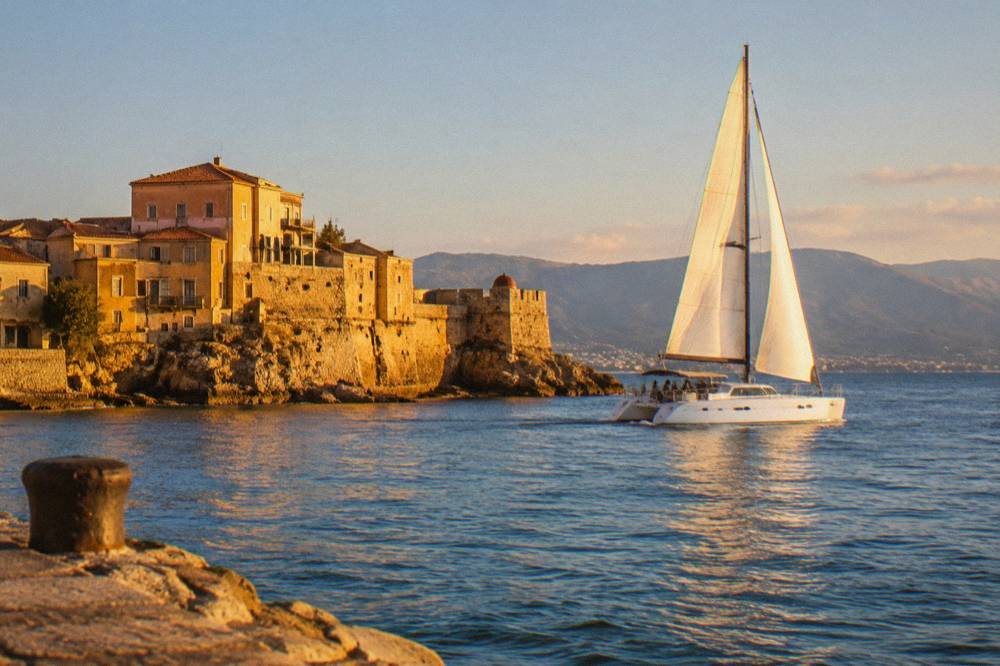
Chania, a coastal city on the north-west coast of Crete, sits close to beaches on three sides: a walkable city shoreline, sandy suburbs to the west, and coves on the Akrotiri peninsula, with the famous lagoon beaches a day trip away.
Short answer
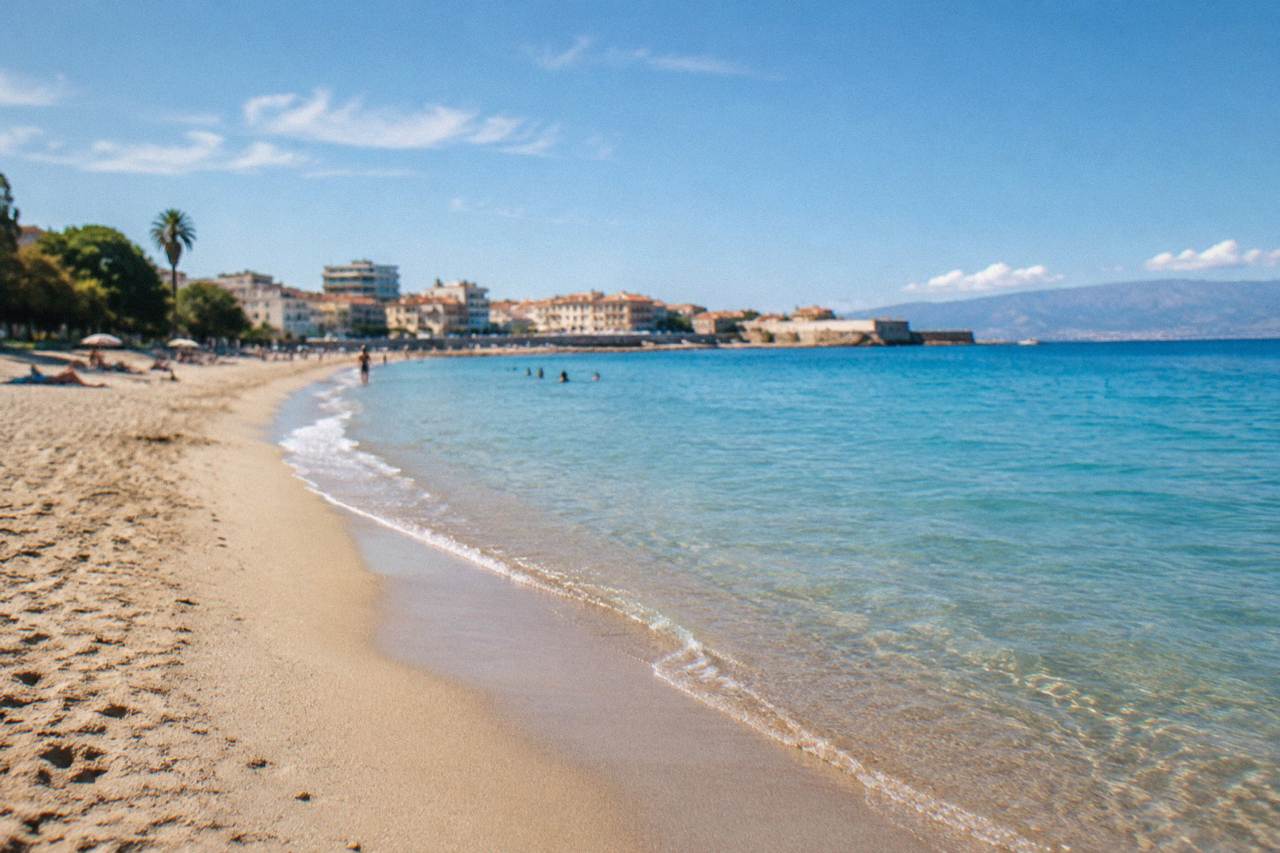
Yes, you can walk to a beach from Chania Old Town: the sandy strip at Nea Chora starts west of the Venetian Harbour and the Koum Kapi swimming spots sit just east of it, while Kalathas, Marathi, Stavros and Seitan Limania are short rides away on the Akrotiri peninsula.
Chania, a coastal city on the north-west coast of Crete in Greece, keeps its beaches closer than its reputation suggests. The Old Town wraps around the Venetian Harbour, and sand starts within a short walk of the harbour walls, first at Nea Chora to the west and again at Koum Kapi to the east. Beyond the city, the Akrotiri peninsula holds a chain of coves and bays, and the lagoon beaches the island is famous for, Balos and Elafonisi, sit at the western end of Crete as day trips. This guide sets out what each stretch of coast offers, what the official pages and operators actually publish about fees and access, and how the HNMS Chania Souda station data frames the swimming season.
Can You Walk To A Beach From Chania Old Town?
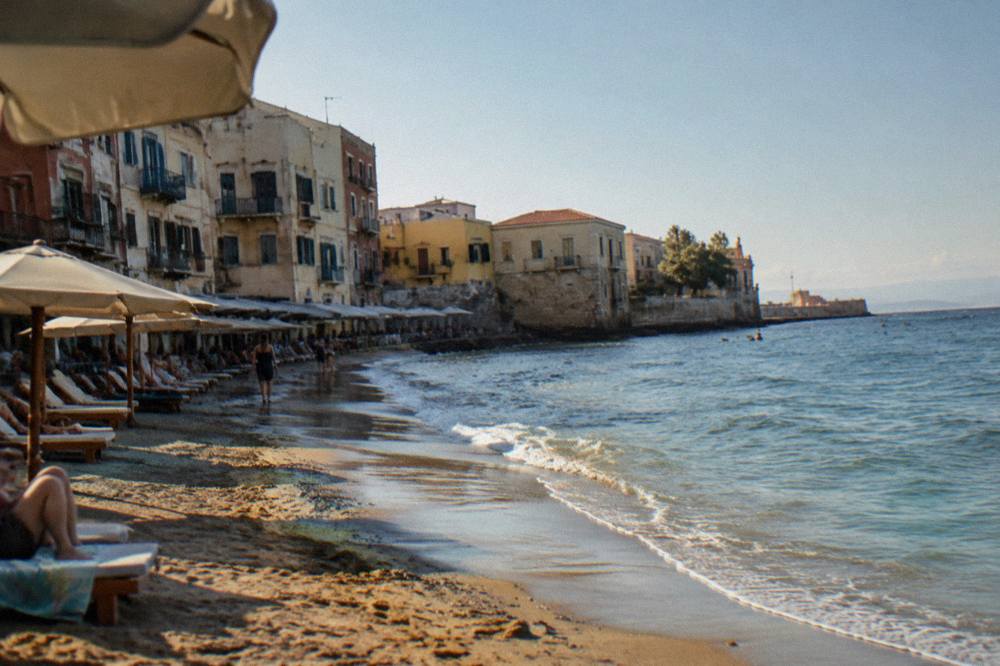
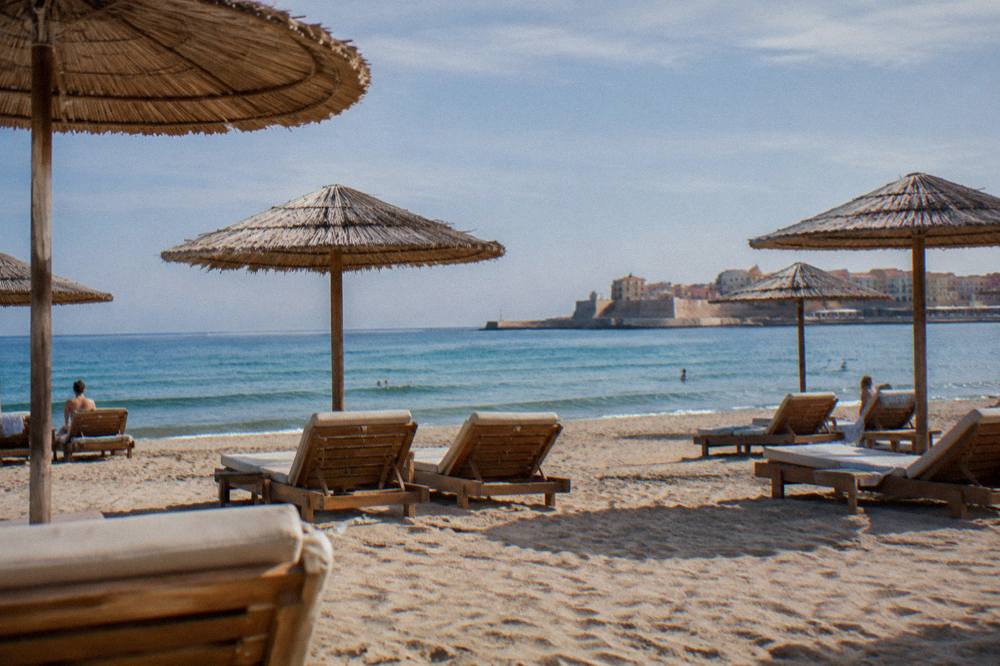
Yes, you can reach sand on foot from Chania Old Town, because the city's own shoreline is beach rather than rocks: Nea Chora lies to the west of the Venetian Harbour with a sandy strip, a small fishing harbour and tavernas along the water, while Koum Kapi sits just east of the Old Town walls with its narrow strip of sand and flat rocks used for swimming. Neither requires a bus, a car or a boat, which is what separates Chania from Cretan resorts where the beach is a drive away. The Chania Crete Travel Guide walks the Old Town streets themselves, and the dedicated Nea Chora beach page covers the neighbourhood around the sand.
Nea Chora is the practical answer for a swim before breakfast or after a late dinner. The beach runs along the western edge of the city, backed by the neighbourhood of the same name, and the walk from the harbour passes the Maritime Museum end of the waterfront before the sand begins. Koum Kapi, on the eastern side, faces the open bay rather than the harbour, so the water and the mood are different: rock platforms, a thinner strip of sand, and cafes set back on the sea road. Both are city beaches, with everything that implies, and neither carries a verified water-quality verdict this site can state, so judge the water as you would any urban shoreline.
The useful habit is to treat these two as the everyday beaches and everything else in this guide as the trip. That framing matches how the coastline actually works here: the walkable sand is for the odd hours, the peninsula coves are for a half day, and the lagoons are for a full day with a boat or a long drive.
Which Beaches Sit Closest To Chania?
The closest grouped beaches to Chania are, in order of ease, the city shoreline at Nea Chora and Koum Kapi, the sandy suburban beaches west of the centre such as Agia Marina and Platanias, and the Akrotiri peninsula coves east of the city, including Kalathas, Marathi, Stavros and the steep-sided Seitan Limania. The suburban strip runs west along the bay and holds the widest and shallowest family sand, while Akrotiri, the peninsula that also carries the airport, mixes sheltered bays with one dramatic cliff cove. The airport's own page places Chania International Airport on that same peninsula, which is the simplest way to picture how close the peninsula beaches sit to the city.
To cover the short hops between these beaches, book a rental bike here.
The two groups suit different days. The western strip, covered in the Agia Marina and Platanias area guide, is the classic resort shoreline: broad sand, shallow entry, sunbeds and water sports in season, and a beach road behind it. Confirm any sunbed charge at the stand itself, because no verified tariff exists for these beaches in this site's facts, and posted prices are the only ones worth trusting.
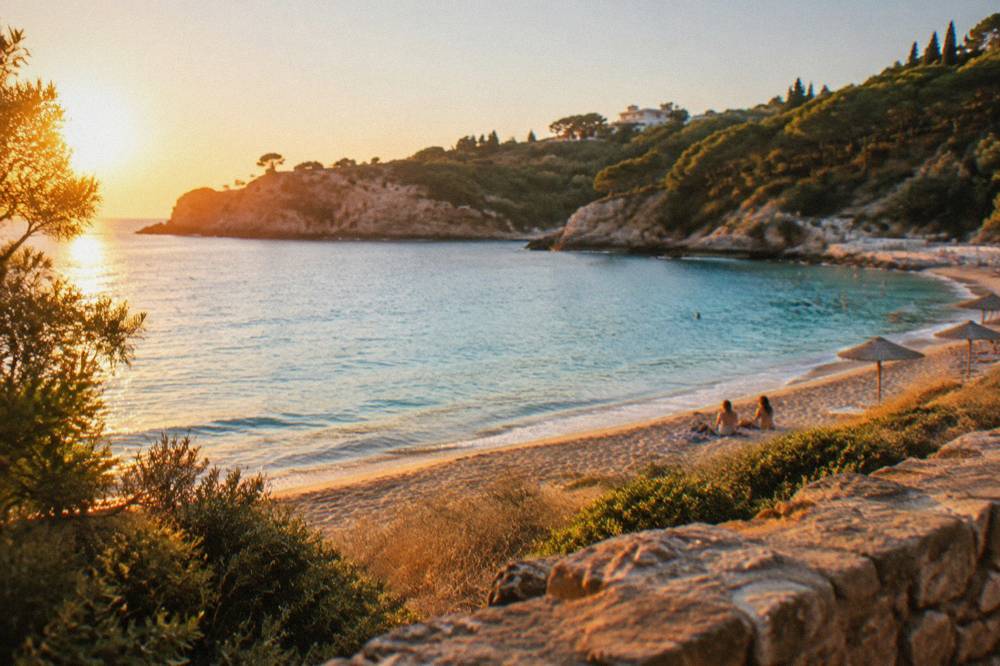
Akrotiri is quieter in character. Kalathas and Marathi are round, sheltered bays with tavernas, Stavros sits in a dramatic headland pocket famous from cinema, and Seitan Limania is a steep goat-path descent to a narrow cove between cliffs, unsuitable for anyone unsteady on their feet and best in calm weather. Each has its own page on this site, and the getting around guide covers the transport options, including the KTEL bus routes listed on the operator's own site.
| Beach | Direction from the centre | Setting | Best suited to |
|---|---|---|---|
| Nea Chora | West, walkable | Sandy city beach with a small fishing harbour | Everyday swims |
| Koum Kapi | East, walkable | Thin sand and flat rocks below the sea road | Quick dips |
| Agia Marina / Platanias | West along the bay | Broad shallow resort sand | Families |
| Marathi | Akrotiri peninsula | Sheltered round bay with tavernas | Calm days, children |
| Kalathas | Akrotiri peninsula | Sheltered bay, small islet offshore | Easy half-day trips |
| Stavros | Akrotiri peninsula | Headland-enclosed sandy pocket | Combined with a peninsula loop |
| Seitan Limania | Akrotiri peninsula | Cliff cove reached by a steep path | Confident walkers, calm sea |
| Lazaretta | Off the Old Town, by boat | Small island beach in the bay | Boat-trip swims |
What Boat Trips Reach Beaches You Cannot Drive To?
The excursion boats leaving the Venetian Harbour and the wider bay reach beaches no road serves: short trips run to Lazaretta island just off the Old Town for a swim stop, half-day cruises call at Agioi Theodoroi and Lazaretta, and catamaran and traditional-boat options add meals, snorkelling or a sunset circuit, while the great lagoon at Balos is reached by boat from Kissamos port on the far side of the peninsula. The Venetian Harbour itself is the excursion-boat port, a distinction this site keeps repeating because it matters: the overnight ferry to Piraeus leaves from Souda port, never from the harbour, and the operator's route page shows the departure at about 21:30 with a crossing of about 9 hours 15 minutes.
The shortest option is the one that surprises people: Lazaretta, the small island sitting in the bay in front of the Old Town, is close enough that a round trip with a swim stop fits into a morning or an afternoon. The boat trips that call there, and at the Agioi Theodoroi islands further along the coast, turn a beach day into a water day without any long transfer, which matters if your time in the city is short and the how many days in Chania question is pressing.
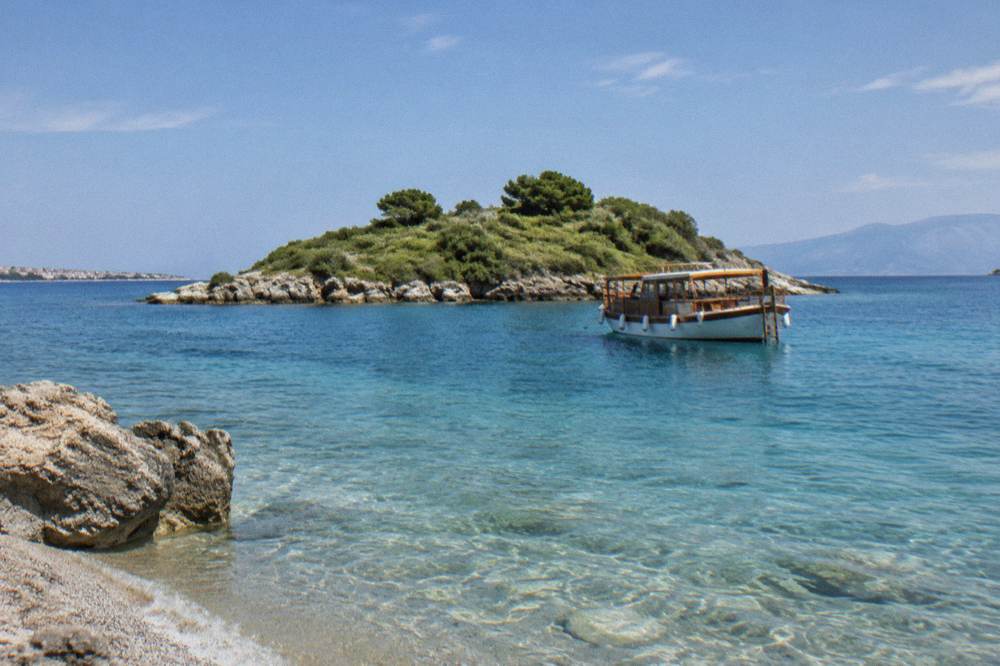
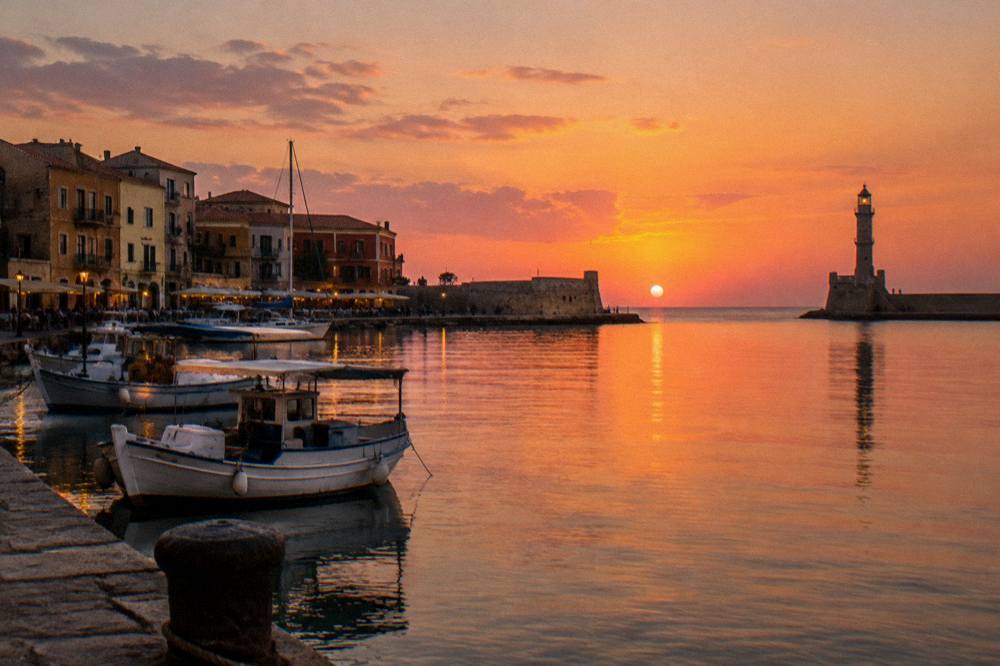
The sunset departure deserves its own word, because the light on the Venetian Harbour and the lighthouse is the thing the evening boats sell. The listing for the guided sunset cruise from the Old Port shows the departure window and what is included on the operator's live page, and prices and ratings render there rather than being typed here. Check availability if an evening on the water fits the itinerary, and see the best time to visit Chania for how the season shapes departures.
For the shortest swim-stop version, the Lazaretta-only trip keeps the whole excursion inside the bay:
Is Balos Lagoon Worth The Day Trip From Chania?
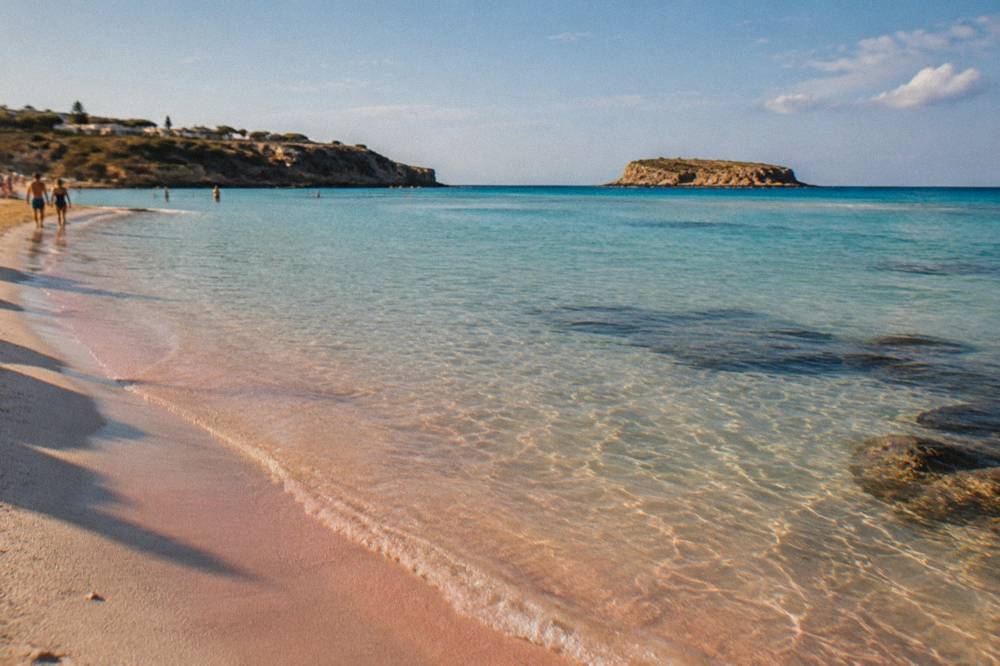
Balos is a shallow lagoon and beach at the north-western tip of Crete below the Gramvousa peninsula, reached either by boat from Kissamos port or by an unpaved road from the village of Kaliviani to a parking area followed by a walk down to the sand, and the only confirmed charge is a EUR 1 Kissamos municipal fee collected on the boat ticket for passengers over 13. The lagoon's turquoise-and-pink shallows under the headland are what every western Crete brochure photographs, and the boat day adds the Venetian-era island of Gramvousa with its fortress ruin above a swimming bay.
Two cautions come straight from the operators and the municipality rather than from impression. First, the operator's own season page shows daily Kissamos departures running to 31 October 2026, so the boat window is seasonal and late-season travellers should confirm the date they want. Second, the unpaved road from Kaliviani is genuinely rough, which is why many visitors take the boat, a guided jeep safari, or a tour with pickup included rather than a hired city car. No visitor cap applies: a time-slot limit of about 1,200 people per three hours was proposed in August 2026 but is not in force, and this site states it only as history, never as a rule.
The boat fares are published by the operator, and one example from the Kissamos cruise operator's price page shows how the season splits:
| Ticket | April to 14 July and 16 September to 31 October | 15 July to 15 September |
|---|---|---|
| Adult, Balos and Gramvousa cruise | EUR 40 | EUR 45 |
| Child age 3 to 12, same cruise | EUR 24 | EUR 27 |
| Adult, Balos only | EUR 36 | EUR 40 |
| Child age 3 to 12, Balos only | EUR 21 | EUR 21 |
| Kissamos municipal fee, over-13s | EUR 1 | EUR 1 |
Fares move with fuel and season, so treat the table as the operator's published example at the time of checking and confirm the current price at booking. If pairing Balos with a second beach, note that Falassarna, the long sandy beach further down the western coast, combines with it on some cruise and jeep itineraries, and the best beaches in Chania guide places each of them in the wider picture.
What Are The Rules At Elafonisi Beach?
Elafonisi, the pink-tinged sand beach and lagoon at the south-western corner of Crete, is inside a Natura 2000 protected area, entry is reported to be free, and taking sand, shells or plants from the area is prohibited, with parking reported at around EUR 5 a day. The pink colour comes from crushed shell and coral fragments mixed into the sand, which is exactly why the removal rule exists: the beach is protected precisely because its sand is the attraction. The prohibition is posted by the managing authority, not invented etiquette, and it applies to the lagoon islet you can wade to as much as to the main strand.
Elafonisi is a longer commitment from Chania than Balos, sitting at the end of a western road route through mountain villages, and the KTEL long-distance network runs an Elafonisi service in summer from the Chania bus station on Kydonias street, according to the operator's route list. Guided tours pair it with Falassarna, with village stops, or with honey and wine tastings in the Elos area on the way, which turns the drive itself into part of the day. No sunbed price, quota or parking tariff beyond the reported figure above is verified for this site, so check the posted prices at the beach on the day.
| Rule or fact at Elafonisi | Status |
|---|---|
| Protected status | Natura 2000 area |
| Entry | Reported free |
| Taking sand, shells or plants | Prohibited |
| Parking | Reported around EUR 5 a day |
| Sunbed prices | Not published, confirm on site |
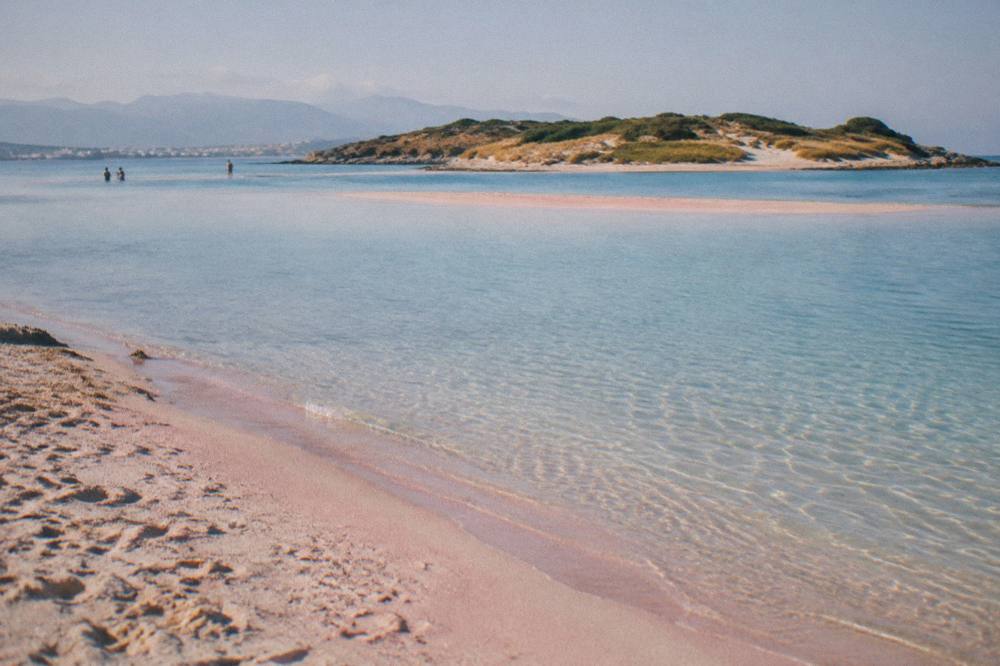
The comparison shoppers ask for is Elafonisi versus Balos, and the honest answer is structural rather than a verdict: Balos is a wilder lagoon under cliffs with a boat-and-road access story, Elafonisi is a protected, shallower, easier-walking beach with a dune system, and the Elafonisi versus Balos question depends on whether the day's priority is the boat journey or the beach itself.
When Is The Sea Warm Enough For Swimming Near Chania?
The honest answer is that no official monthly sea-temperature normal exists for this coast, so this site prints none, and the planning proxy is the air record: the HNMS Chania Souda station table for 1958 to 2010 shows mean temperatures of 20.2 C in May, 24.7 C in June, 26.7 C in July, 26.3 C in August and 23.2 C in September, with rainfall collapsing to 13.5 mm in May, 3.4 mm in June and 1.0 mm in July. Sea temperatures lag the air, warming through spring and staying swimmable well into autumn, but any specific sea figure you see quoted as a monthly normal is an indicative series, not an official reading, and a live measurement is a live measurement only.
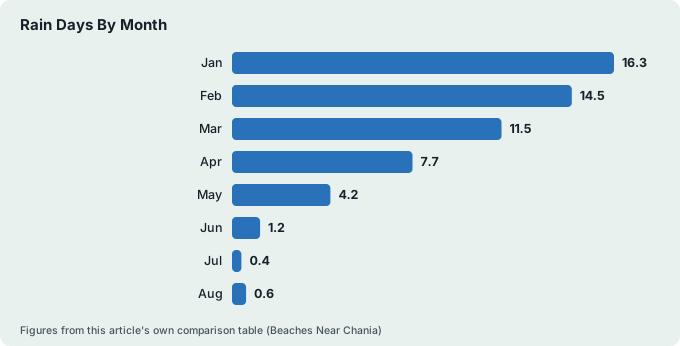
The rainfall numbers matter as much as the temperature ones for a beach holiday. Rain starts to matter again from October, at 67.7 mm in the station table, while May through September is effectively dry. January, at 129.5 mm across 16.3 rain days, is the wettest month in the table and July, at 1.0 mm across 0.4 rain days, the driest, statements the table supports and this site makes nowhere else. Humidity in the same record runs from 50 percent in July to 73 percent in January, and the prevailing wind is west, turning north-west in July and August, which is the pattern that decides which side of a peninsula bay holds calm water.
| Month | Mean temperature C | Rainfall mm | Rain days |
|---|---|---|---|
| Jan | 11.0 | 129.5 | 16.3 |
| Feb | 11.0 | 104.0 | 14.5 |
| Mar | 12.7 | 76.0 | 11.5 |
| Apr | 15.9 | 31.5 | 7.7 |
| May | 20.2 | 13.5 | 4.2 |
| Jun | 24.7 | 3.4 | 1.2 |
| Jul | 26.7 | 1.0 | 0.4 |
| Aug | 26.3 | 1.4 | 0.6 |
| Sep | 23.2 | 15.4 | 3.2 |
| Oct | 19.4 | 67.7 | 9.3 |
| Nov | 15.8 | 77.0 | 11.2 |
| Dec | 12.7 | 101.9 | 16.1 |
The Chania weather guide works through the same station table month by month, including the mean maximum and minimum figures, and it belongs in the planning pile alongside this page for anyone deciding between spring, high summer or the October shoulder.
What Should You Know Before Setting Out For A Beach Day?
Four practical points carry the day: the tourist-side charges are small and specific (the EUR 1 Kissamos municipal fee on Balos boat tickets and reported Elafonisi parking, with entry to the lagoon beach itself reported free), the bus station for beach-bound KTEL routes is on Kydonias street with summer services including Elafonisi, boats to Balos leave from Kissamos port rather than Chania, and accommodation in Chania collects the climate crisis resilience fee per room per night at seasonal rates you confirm at booking. None of that is heavy, but each item decides a morning if it arrives as a surprise.
Transport planning is the one worth the most attention. The KTEL network lists routes from the Chania station to Kissamos, from where the Balos boats sail, and the KTEL bus guide covers how the system works, while the driving in Crete and Chania parking pages cover the alternative, including what it means to take a city hire car onto the unpaved Kaliviani road, which is generally a bad idea addressed better by boat or jeep. The airport, about 14 km from the centre on the Akrotiri peninsula, publishes its own bus and taxi information, and the airport to town guide walks that transfer.
For the evening after the beach, the harbour and the Chania restaurants scene sit in the middle of everything, and the Cretan food in Chania guide explains what to order. The beach day and the dinner table are the two halves of a day here, and both are within a short walk of the Old Town walls.
Common Questions About Beaches Near Chania
Can you walk to a beach from Chania Old Town?
Yes. Nea Chora's sandy strip lies to the west of the Venetian Harbour and Koum Kapi's sand and rocks sit just east of the Old Town, both reachable on foot along the waterfront.
Which is better, Balos or Elafonisi?
They serve different days. Balos is a wild lagoon reached by boat from Kissamos or an unpaved road from Kaliviani, with a EUR 1 municipal fee on the boat ticket, while Elafonisi is a protected Natura 2000 beach with reported free entry, no sand or shell collecting, and reported parking around EUR 5 a day.
How do you get to Balos from Chania?
Boat cruises leave from Kissamos port, with daily departures running to 31 October 2026 on the operator's season page, or you drive to Kaliviani and take the unpaved road to a parking area followed by a walk down. Guided jeep safaris and tours with pickup handle the transfer.
Is there a beach at Lazaretta island?
Yes, Lazaretta is the small island in the bay off Chania's Old Town with a small beach used for swim stops, reached by short boat trips from the harbour.
When can you swim in Chania?
No official monthly sea-temperature normal exists for this coast. As a planning proxy, the HNMS Chania Souda station record for 1958 to 2010 shows May to September means from 20.2 C to 26.7 C with near-zero rainfall, and the sea stays warm into autumn.
Are the Akrotiri peninsula beaches easy to reach?
Generally yes. Kalathas, Marathi and Stavros are sheltered bays a short ride from the centre on the peninsula that also carries the airport, while Seitan Limania requires a steep path down a cliff and suits confident walkers in calm weather.