How Many Days In Chania
Chania rewards a slow pace: one day covers the Old Town, three days add the famous lagoon and gorge day trips, and five days let you reach the south coast without rushing. Here is how each day count actually splits.
Short answer
Two days is the honest minimum for Chania: one for the Old Town and Venetian Harbour, one for a Balos or Elafonisi day trip. Three to four days is the comfortable target, and five days covers the gorges and the south coast too.
Chania, on the north-west coast of Crete in Greece, is a city that behaves like two destinations at once: a walkable harbour town you can cover on foot in a day, and the launch pad for some of the island's biggest beach and gorge trips, each of which eats a full day of its own. The answer to how many days you need depends almost entirely on how many of those day trips you want. The Chania Souda station table from the Hellenic National Meteorological Service shows why the pacing matters: July and August are almost rainless, while January carries 129.5 mm of rain across 16.3 rain days, so in the warm months the constraint is heat and daylight, not weather closures. This guide breaks the question down day by day, with an itinerary table for each day count and the caveats that change the arithmetic.
How Many Days In Chania Is Enough For A First Visit?
Two full days is the honest minimum for a first visit: one day inside the Old Town and around the Venetian Harbour, and one day given to a single headline day trip such as Balos or Elafonisi. With three days you keep both of those and add a boat or food day, and with five days the gorges and the south coast stop being out of reach.
The arithmetic is simple once you accept that the headline destinations around Chania are full-day commitments. Samaria Gorge is a one-way walk from Xyloskalo on the Omalos plateau down to Agia Roumeli, with boats from Agia Roumeli to Sougia or Chora Sfakion at about 17:30 and a KTEL bus back, and entry to the full walk runs 07:00 to 13:00 with everyone out of the park by 18:00. That is a whole day, door to door. Balos means Kissamos port departures, and Elafonisi sits at the end of a long drive west. None of them squeeze into an afternoon.
The Chania Crete Travel Guide desk frames it this way: budget one day for the city itself, then add one day per major excursion. A two-day trip gives you the city and one excursion. A five-day trip gives you the city, a beach lagoon, a gorge, a food day and a spare afternoon, which is where the pleasure of the place actually lives.
There is a second frame that matters just as much. Chania is not a checklist city: the Old Town rewards repetition, the harbour changes character between morning and evening, and a plan that leaves no unstructured time usually ends with the visitor skipping something they booked. If the day count is tight, the fix is to cut an excursion, not to compress the Old Town into a half day sandwiched between transport.
What Can You Actually See In One Day In Chania?
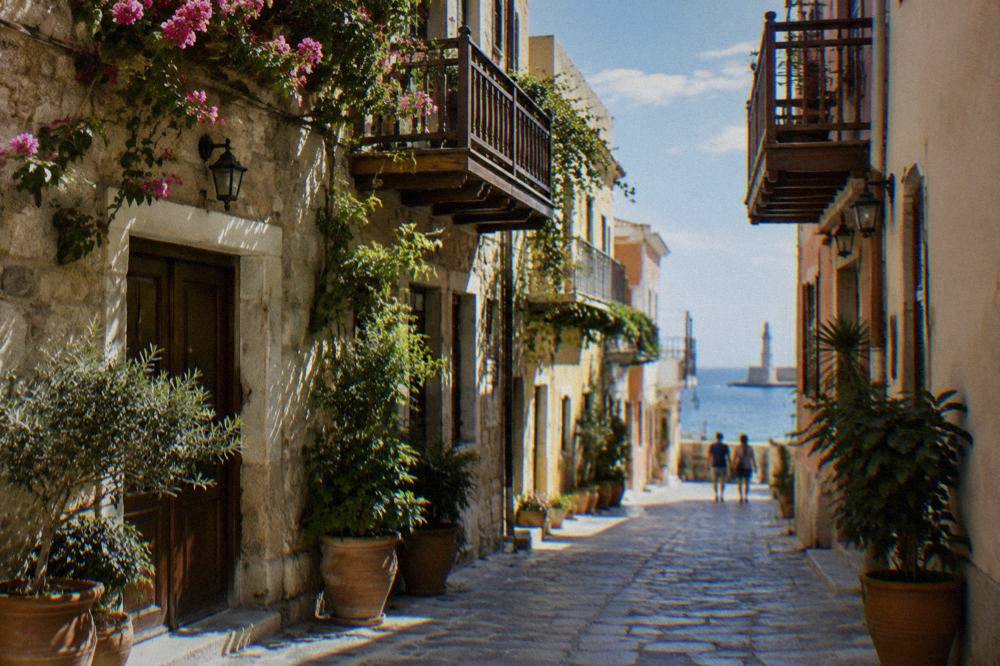
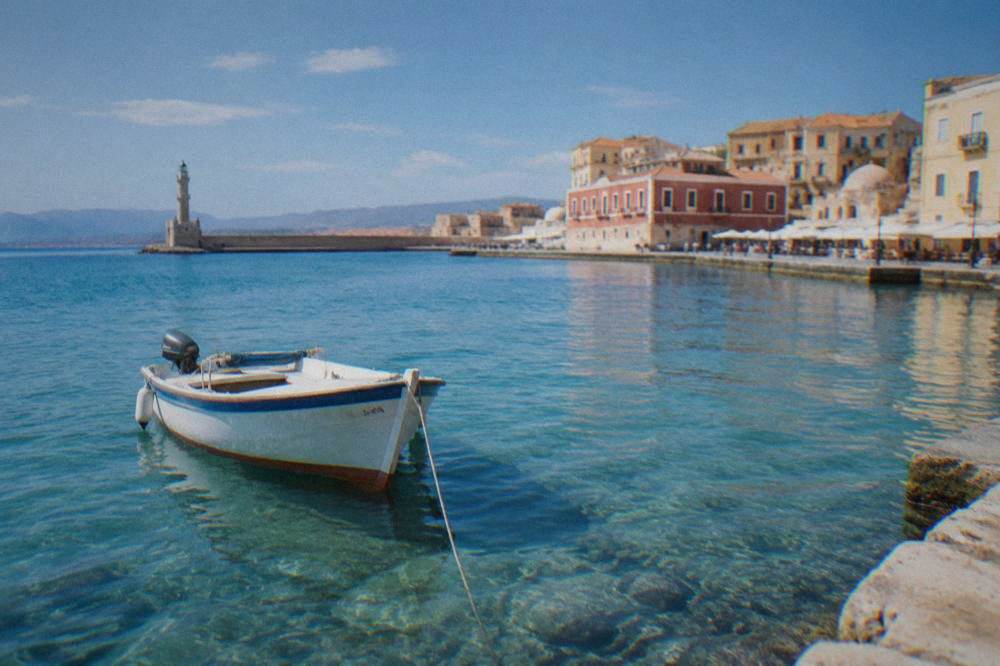
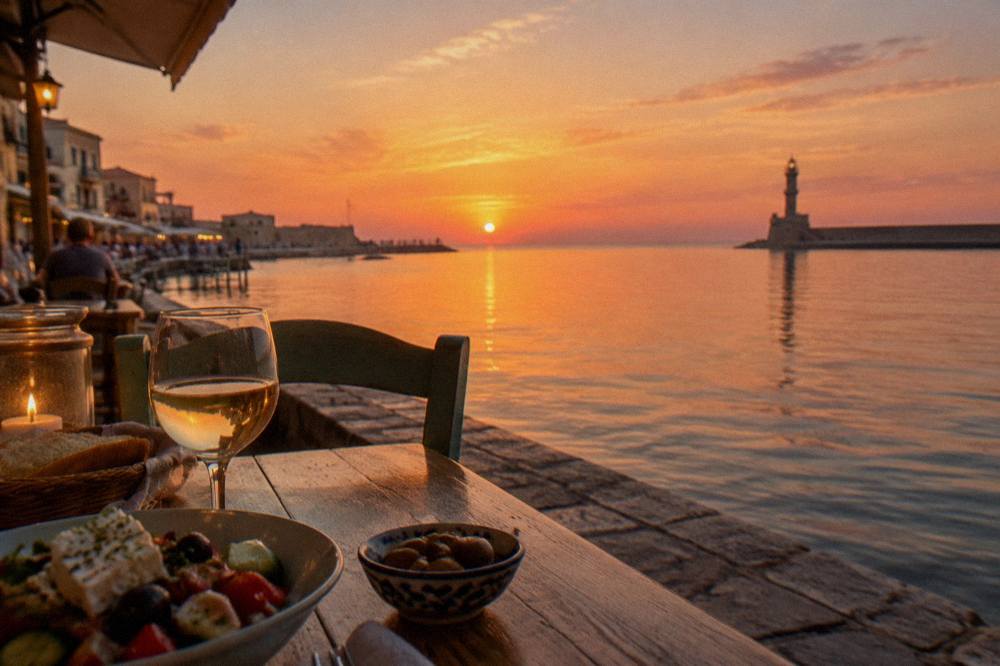
One day in Chania covers the entire Old Town core: the Venetian Harbour from the Mosque of the Janissaries to Firka Fortress, the lighthouse walk along the mole, the Neoria shipyards, of which seven survive of an original seventeen, the Municipal Market, and one museum, with lunch on the harbour and sunset from the west side. That is a full but doable day, because the whole circuit is on foot.
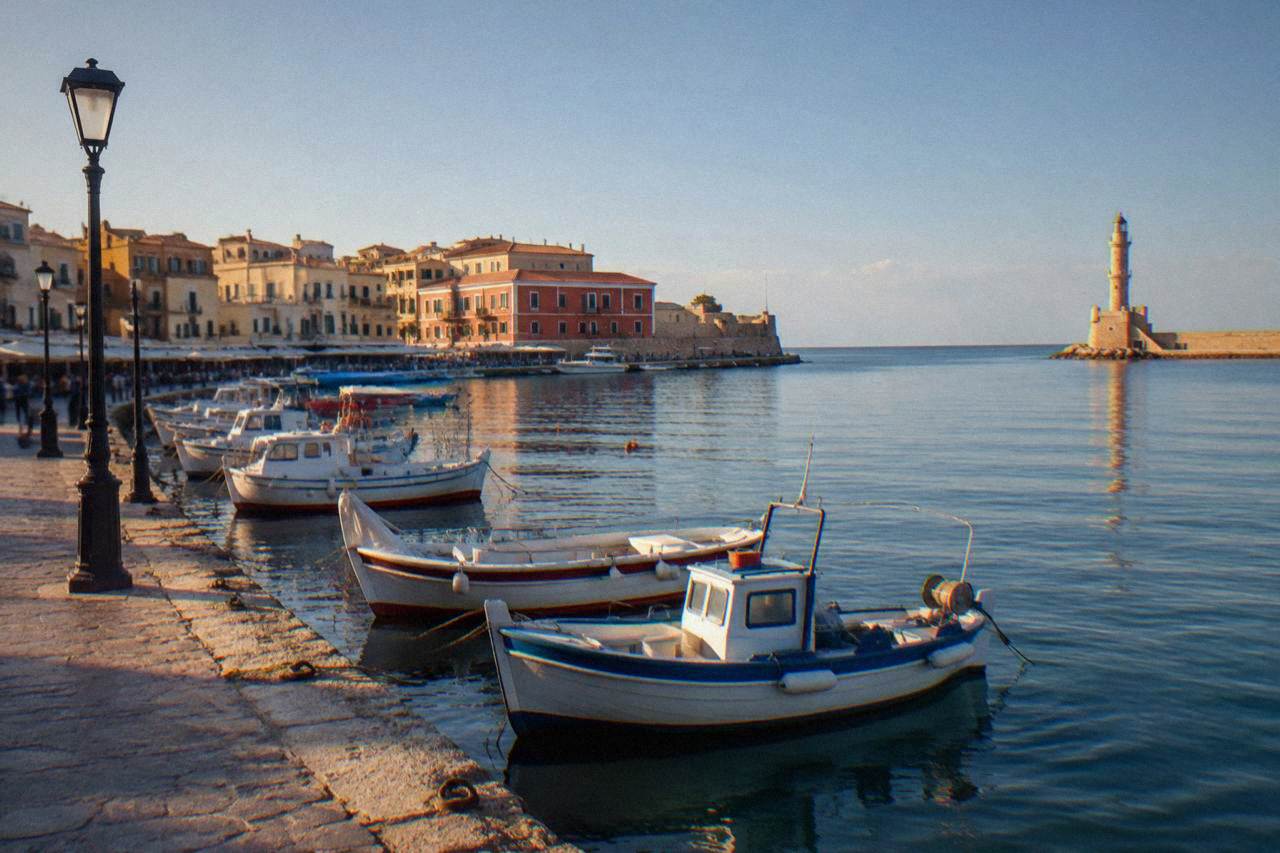
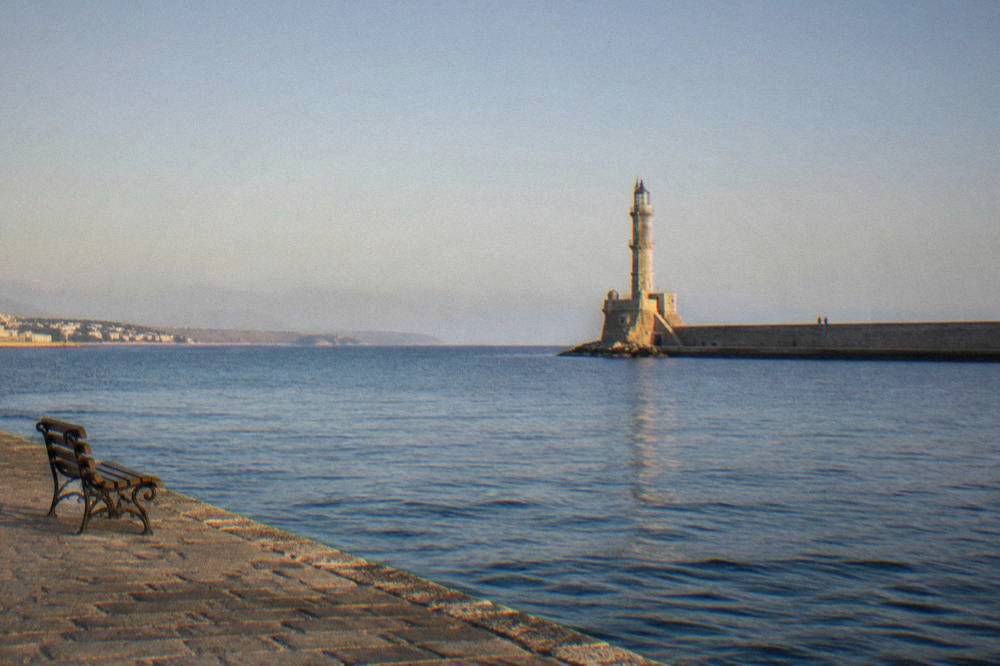
The morning belongs to the harbour. The lighthouse stands on the mole on a Venetian base, built about 1595 to 1601 and restored during the Egyptian-era period of 1830 to 1840, operating from 1839. The walk out and back along the mole is the single thing every first-time visitor does, and it frames the city. Back on the quay, the Firka Fortress at the harbour's north-west corner dates from 1620 and its grounds are free. The Maritime Museum of Crete sits at Firka, though the desk holds no price or hours for it, so check its own page before going.
The afternoon splits between the market quarter and Halepa. The Archaeological Museum of Chania at 15 Skra Street in Halepa lists a full ticket at EUR 15 and a concession at EUR 8, with visitors asked to leave 20 minutes before closing; its visit page carries the current hours. For the deeper background on the streets themselves, the old town walking options page maps the quarters, and the overview at things to do in Chania lists what fills an evening. The quarters differ enough that a one-day visitor should choose deliberately: Splantzia on the east side of the Old Town and Topanas on the west each hold churches, alleys and tavernas, while Nea Chora to the west adds a sandy beach within walking distance of the centre.
If the one day falls on a cruise-call morning, start at the lighthouse before the quays fill, then move inland to the market and the back streets by mid-morning, since the harbour restaurants and the mole are the parts of the circuit that crowd first.
One Day In Chania: The Itinerary
| Slot | Plan | What The Sources Say |
|---|---|---|
| Morning | Venetian Harbour, Mosque of the Janissaries, lighthouse walk | Harbour first built 1320 to 1356; lighthouse about 1595 to 1601 |
| Midday | Lunch on the harbour quay, then the Neoria shipyards | Seven survivors of an original seventeen, 15th to 16th century |
| Afternoon | Municipal Market, then Splantzia or the Archaeological Museum | Museum full ticket EUR 15, concession EUR 8, at 15 Skra Street, Halepa |
| Evening | Firka Fortress grounds at sunset | Fort built 1620, grounds free |
Is Two Days In Chania Enough To Add A Beach Day Trip?
Two days is enough for the Old Town plus exactly one headline excursion, and the strongest candidate for that second day is Balos and Gramvousa by boat from Kissamos port, or Elafonisi by road, with the choice hinging on whether you want a boat day or a beach-and-drive day. Both are full days, and neither leaves room for anything else.
For Balos, the boat season from Kissamos runs with daily departures to 31 October 2026 as the operator reports, and the only confirmed charge beyond the ticket is a EUR 1 Kissamos municipal fee collected on the boat ticket for over-13s. A time-slot visitor cap of about 1,200 people per three hours was proposed in August 2026 but is not in force. The lagoon can also be reached by an unpaved road from Kaliviani to a parking area followed by a walk down, which is the land route. The Balos lagoon and Gramvousa guide carries the full comparison.
To plan the lagoon day from Kissamos port, book a Balos and Gramvousa boat cruise here.
For Elafonisi, the beach is a Natura 2000 protected area, entry is reported to be free, and taking sand, shells or plants is prohibited. The site pairs well with stops in the hill villages, which is exactly what a guided day does: the site's featured Elafonisi excursion, Chania: Elafonisi Pink Beach & Elos & Honey & Wine Tasting, combines the beach with honey and wine stops and makes the long drive part of the point rather than a cost. Check availability on the operator's live listing.
Choose between the two on shape, not on ranking. Balos is a boat day with a fortress island and a lagoon; Elafonisi is a beach day with village stops and a protected shoreline. If the sea is rough, the boat day suffers first, so on a two-day trip in a shoulder month it is worth holding the choice until the forecast is clear, and the desk's Elafonisi vs Balos comparison sets out the trade directly.
Two-Day Split
| Day | Focus | Anchor |
|---|---|---|
| Day 1 | Old Town, harbour, lighthouse, one museum | The Venetian Harbour |
| Day 2 | One full excursion: Balos and Gramvousa by boat, or Elafonisi by road | Kissamos port or the west road |
What Do Three Days In Chania Add?
Three days add a third identity to the trip: with the city and one headline excursion banked, day three is free for a shorter outing, a food and wine day, or a boat trip from the Venetian Harbour itself, which stays close to town and returns by evening. This is the day count where the trip stops feeling compressed.
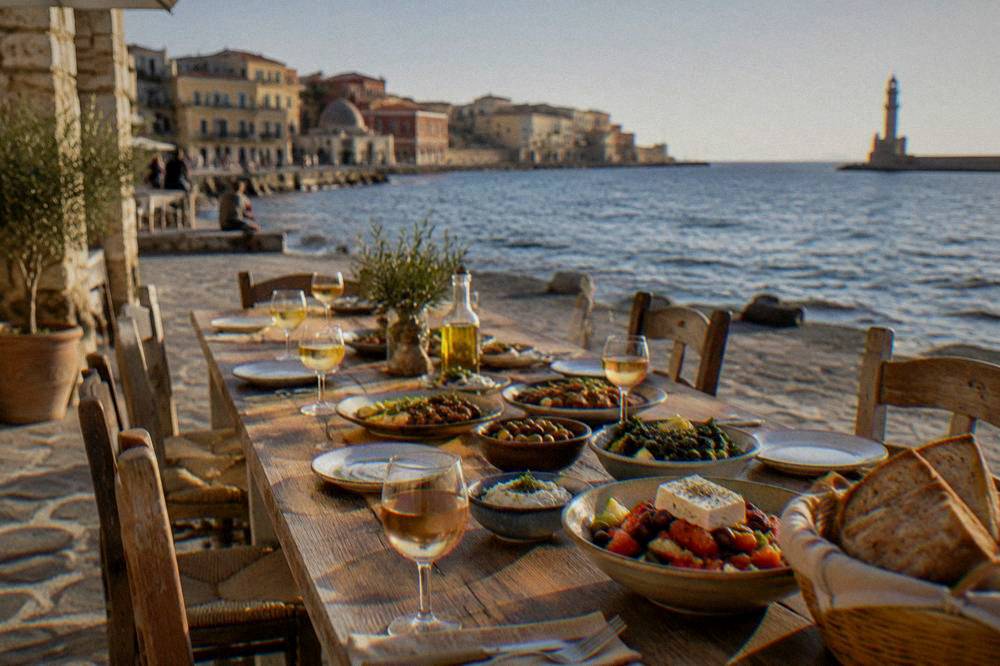
A harbour-based boat day is the lowest-effort option: excursion boats run from the Venetian Harbour, and the boat trips from Chania page maps the routes, from short Lazaretta Island swim stops to small-group sails with a meal. A food day is the other strong pick. Cretan cooking classes and tasting tours cluster around the city and the hill villages, and the Cretan food in Chania and Chania cooking classes pages lay out the options. A structured tasting day such as the four-product olive oil, wine, cheese and honey tour from the roster pairs well with an Old Town evening, since it departs and returns from the city.
The third day is also when weather decisions land. The HNMS Chania Souda station table for 1958 to 2010 shows May at 13.5 mm of rain and September at 15.4 mm, against October at 67.7 mm: in the shoulder months a spare day is what stops one wet afternoon from costing you the trip's headline experience. The Chania weather guide carries the full table.
There is a quieter argument for the third day that has nothing to do with logistics. Two-day trips to Chania spend both mornings rushing toward a departure point, and the parts of the city that people remember, the harbour at first light, the back streets after the day-trippers have gone, the evening table, need an unhurried block of hours. Day three is where those hours come from.
When Do You Need Four Or Five Days In Chania?
Four to five days is the count at which the gorges and the south coast enter the plan, because Samaria, Imbros and the villages of Sfakia each consume a full day, and a five-day stay absorbs one storm or closure without losing the trip's structure. Below four days, the desk advises picking between a gorge and a second beach trip, not attempting both.
The gorge question carries a caveat that changes plans. Samaria Gorge normally runs a season of 1 May to 31 October, but it is closed or delayed when storms damage the path, and storms in late September and early October 2026 destroyed sections of it, with staff calling a 2026 reopening extremely difficult and works aimed at readiness in May 2027. The rule is simple: check the NECCA status before you build a day around it. The individual ticket is EUR 10 through the NECCA e-ticket portal, free for EU residents under 18 and over 65, and no swimming or camping is allowed inside the park. The Samaria Gorge and hiking in west Crete pages carry the route detail, and the answer page is the Samaria Gorge hike difficult addresses the fitness question.
Imbros Gorge is the shorter alternative and runs as a guided hike with a village visit from the roster. The south coast beyond it, Loutro and Chora Sfakion, is a boat-and-bus day from Chania. Five days is also the threshold where basing decisions matter more: the where to stay in Chania and best hotels in Chania pages sort the quarters, and how many days in Chania is enough restates the short version.
A four-day trip takes the five-day frame and drops one block, and the block to drop is the one furthest from your interest: the gorge if the knees or the season argue against it, the second beach if one lagoon already satisfied the brief. What a four-day trip should not do is run every block at half length.
Five-Day Framework
| Day | Plan | Notes |
|---|---|---|
| Day 1 | Old Town and Venetian Harbour on foot | All walkable; museum tickets EUR 15 full, EUR 8 concession |
| Day 2 | Balos and Gramvousa from Kissamos, or Elafonisi | EUR 1 municipal fee on Balos boat tickets for over-13s |
| Day 3 | Boat trip from the harbour, or a food and wine day | Returns to town by evening |
| Day 4 | Samaria or Imbros gorge | Check NECCA status first; ticket EUR 10 via the portal |
| Day 5 | South coast, Apokoronas villages, or a slow beach day | Lake Kournas and Argiroupoli springs run as guided days |
How Does The Season Change Your Day Count?
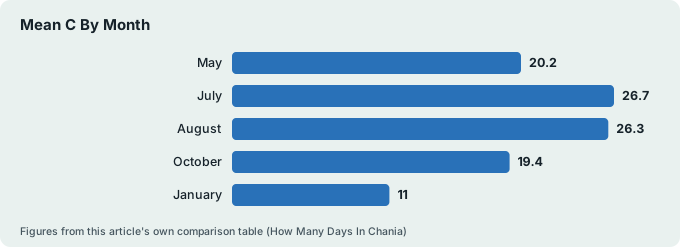
The season changes the day count more than the itinerary does: from May to September the HNMS Chania Souda table shows 13.5 mm, 3.4 mm, 1.0 mm, 1.4 mm and 15.4 mm of monthly rainfall respectively, so two packed days work, while from October onward 67.7 mm of rain and 9.3 rain days argue for a third day as insurance. Build the plan around the month you are actually travelling.
In deep summer the constraint flips from rain to heat. July averages 26.7 C with a mean maximum of 30.7 C, and August 26.3 C with 30.4 C, with the prevailing wind west or north-west. A gorge walk in those months belongs to the 07:00 entry window, not the 13:00 one. The best time to visit Chania guide works through the months against this same station table.
In winter the whole calculation collapses in your favour in one sense: the day trips thin out, the gorge season is closed, and the city itself carries the trip. One or two days indoors-and-harbour is the realistic winter shape, and the desk points to the Chania in winter and Chania rainy day pages for that version.
| Month | Mean C | Rain mm | Rain days | Planning read |
|---|---|---|---|---|
| May | 20.2 | 13.5 | 4.2 | Gorge season open, mild |
| July | 26.7 | 1.0 | 0.4 | Start gorge walks early |
| August | 26.3 | 1.4 | 0.6 | Beach days, harbour evenings |
| October | 19.4 | 67.7 | 9.3 | Add a spare day; gorge status can change |
| January | 11.0 | 129.5 | 16.3 | City days, museums, harbour walks |
How Do Arrival And Departure Days Affect The Count?
Arrival and departure days rarely count as full days: the airport sits about 14 km from the city centre on the Akrotiri peninsula, the overnight Blue Star ferry to Piraeus departs Souda port at about 21:30 with a crossing of about 9 h 15 min, and both ends of a short trip lose part of a day to transport. Count the travel days as partial days when you do the arithmetic.
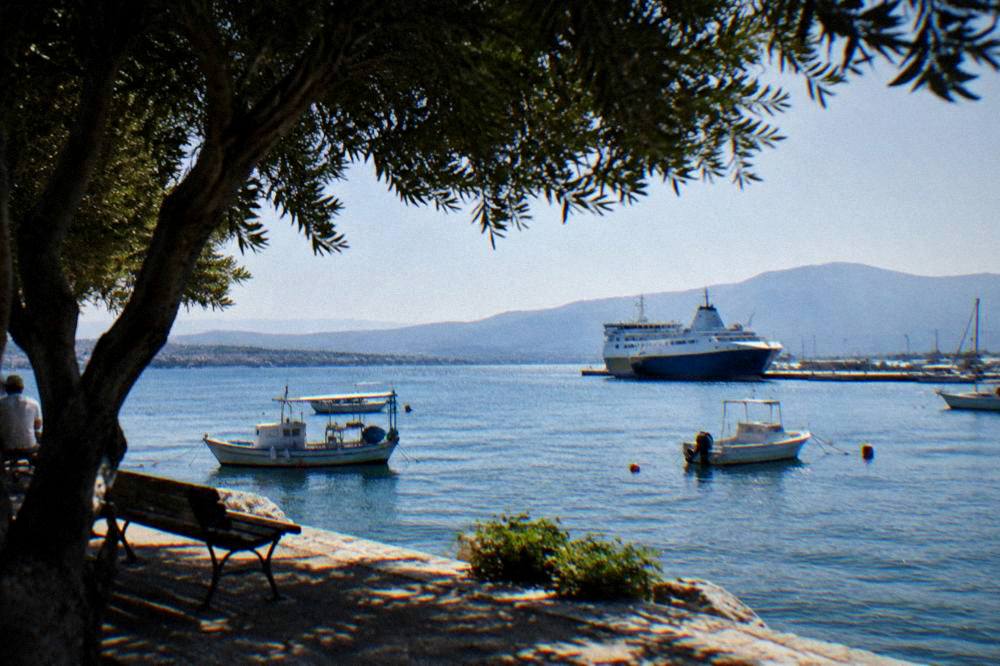
That matters most on two- and three-day trips. A flight landing in the afternoon gives you an evening on the harbour, not a sightseeing day. The Chania airport and airport to Chania town pages cover the transfer options, and public bus and taxi information sits on the airport's own site. If you arrive by ferry from Piraeus, the Piraeus to Chania ferry page explains why the port is Souda, about 7 km east of the Old Town, and never the Venetian Harbour, which serves excursion boats.
A ferry arrival actually rescues half a day where a flight costs one: the overnight crossing lands you in Souda in the morning, so the first full day starts intact, though the departure at about 21:30 means the last day ends by mid-afternoon at the port. A "three-day" trip built around two ferry crossings is therefore really two and a half sightseeing days plus two travel halves, which is workable if the plan accounts for it from the start.
It also matters that Crete-wide ambitions inflate the Chania count. The answer page how many days are enough for Crete addresses the whole-island question, and the honest split is this: see Crete in regions, and give Chania and its west its own block rather than day-hopping across the island. Rethymno and Heraklion with Knossos are separate day trips from Chania, each a full day of their own, and the best tours from Chania page rounds them up.
Common Questions About Days In Chania
Is one day in Chania enough?
One day is enough for the Old Town, the Venetian Harbour, the lighthouse walk and one museum, all on foot. It is not enough for Balos, Elafonisi or any gorge, which are full-day trips.
Is two days in Chania enough?
Yes, for the city plus one headline day trip such as Balos and Gramvousa by boat or Elafonisi by road. Two days is the honest minimum for a first visit.
Is three days in Chania enough?
Three days covers the city, one major excursion and a third day for a boat trip, a food and wine day or a gorge, weather permitting. It is the comfortable target.
How many days do you need for Crete?
Crete as a whole needs well over a week. The practical approach is to split it by region and give Chania and western Crete three to five days of its own.
Can you do Samaria Gorge on a short Chania trip?
Samaria is a full-day walk, and its status changes with storms: check the NECCA portal before planning around it. On a two-day trip, choose between the gorge and a beach excursion rather than attempting both.
Does the season change how many days you need?
It does. From May to September the HNMS Chania Souda table shows a dry season with 1.0 mm of rain in July, so packed days work. From October, with 67.7 mm of rain across 9.3 rain days, a spare day is wise.
The short version: two days for the city and one headline trip, three to four for a relaxed mix, five for the gorges and the south coast, and one more day than you think for the month of October. Match the count to the trips you refuse to miss, and the city itself will fill whatever remains.