Chania Parking
Chania, a coastal city of 111,375 permanent residents on the north-west coast of Crete, is a place where the parking question is really a car question: the Old Town around the Venetian Harbour is compact and walkable, the airport sits about 14 km away on the Akrotiri peninsula, and the famous beaches and gorges are reached by boat, bus or mountain road.
Short answer
Parking in Chania is best solved by parking once: leave the car at the accommodation or at the edge of the Old Town, walk the harbour quarter, and use KTEL buses, boats from Kissamos or organised day trips for Balos, Elafonisi and the gorges, since no verified public parking tariff or garage price exists in the sources this guide reports.
Chania, on the north-west coast of Crete in Greece, turns the ordinary parking question into a planning decision. The city held 111,375 permanent residents at the 2021 census across 356.12 km2, but the part travellers come for, the Old Town wrapped around the Venetian Harbour, is a tight web of lanes first enclosed by walls begun in 1336 and rebuilt from 1536 to Michele Sanmicheli's design. No published municipal parking tariff appears in the sources this desk reports, so this guide does what a good local would: it explains where a car genuinely helps, where it is a burden, and which boats, buses and tours make the question disappear.
Where Can You Park In Chania?
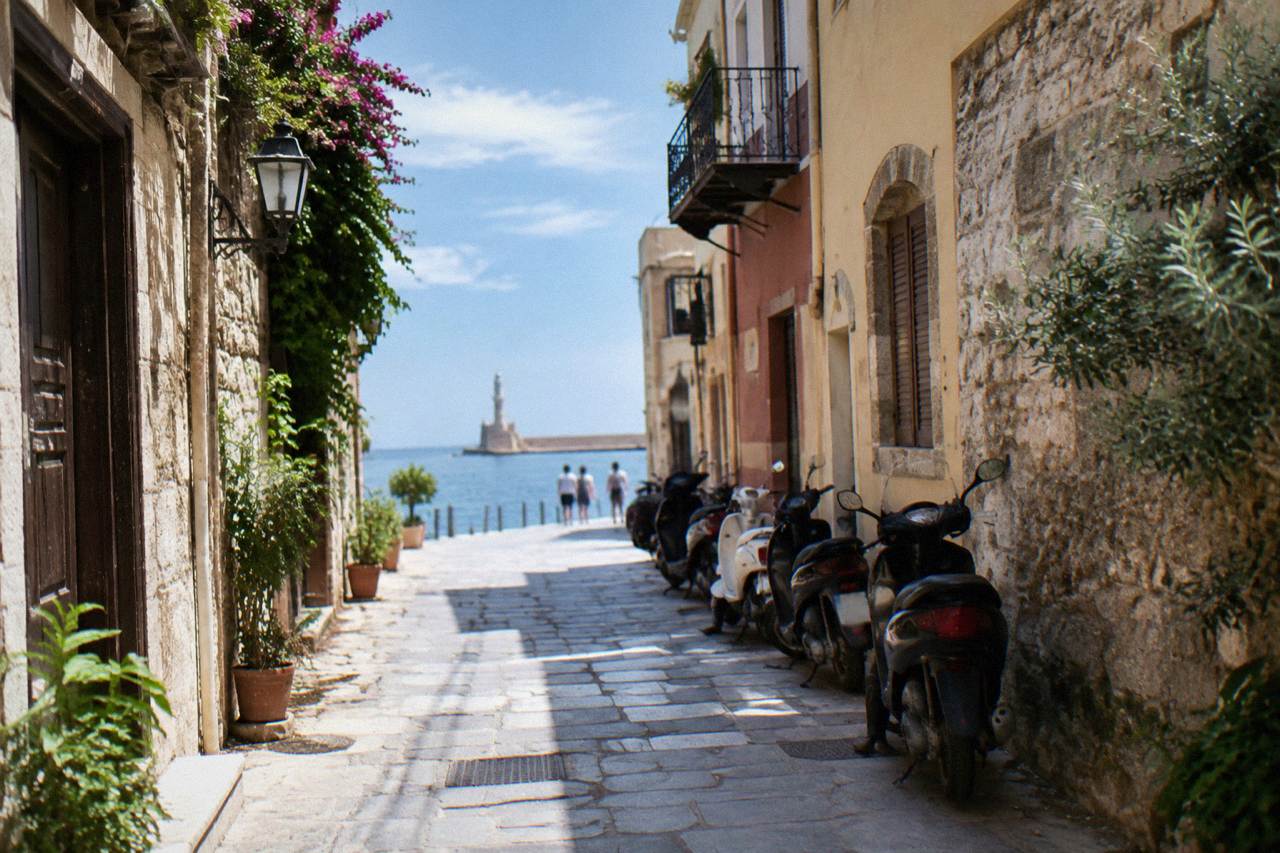
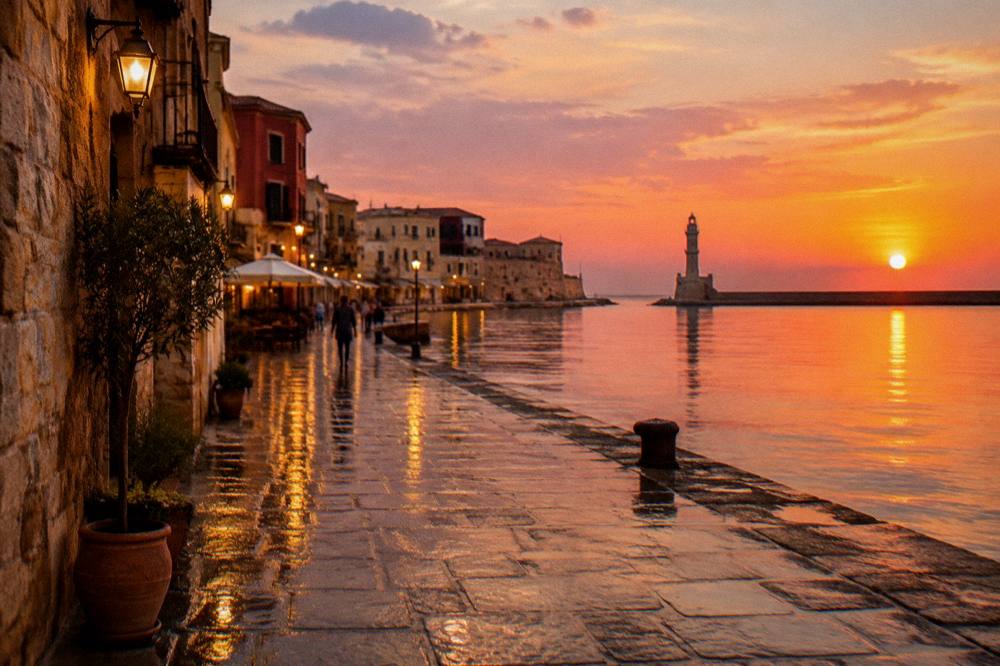
Chania has no parking tariff, garage price list or municipal parking map that any source this guide reports carries, so the honest answer is to park once on the city's edge or at the accommodation, read the posted signs at the kerb, and walk in. The Old Town itself, from the Firka Fortress of 1620 at the harbour mouth to the Splantzia quarter, is a dense historic fabric where a car buys nothing but frustration, and the seven surviving Neoria shipyards of an original seventeen line a waterfront built for galleys, not camper vans.
That is not evasion, it is how the city is built. The harbour was first constructed between 1320 and 1356, with dredging and a wall recorded in 1515, and the lanes follow that medieval footprint. What a driver can do is practical: check the accommodation's own parking description before booking, since where to stay in Chania varies sharply between the pedestrian Old Town and the wider streets of Halepa or Nea Chora, and confirm any garage arrangement with the property directly. Posted kerb signage in Greek cities carries restrictions and hourly limits that change by zone and season, and no verified Chania-specific tariff is in the sources here, so the sign at the space is the authority, not a travel page.
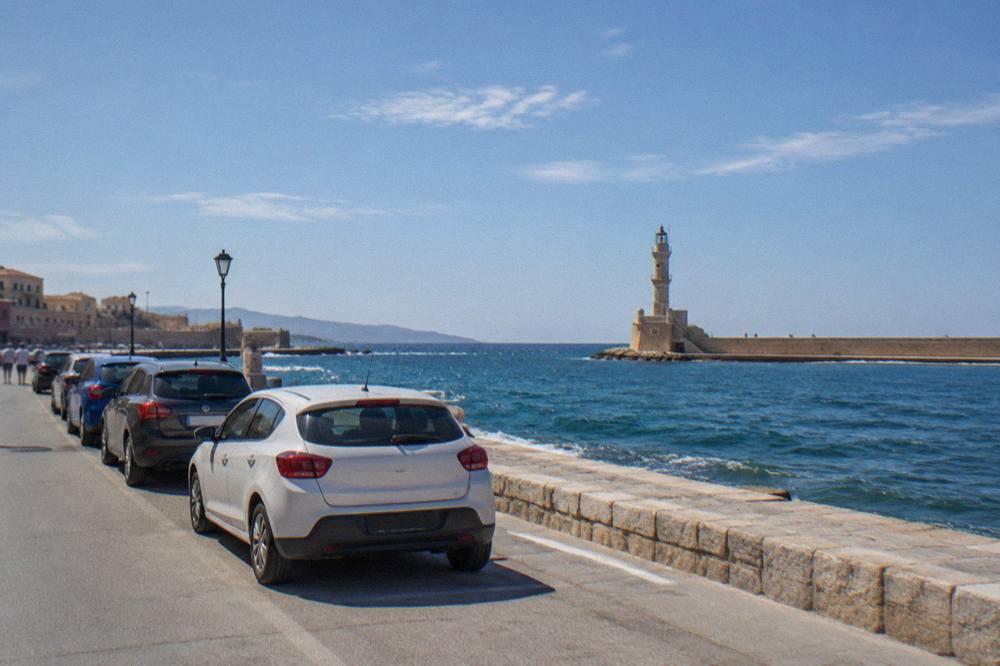
A useful frame, drawn from the Chania Crete Travel Guide coverage of the city, is that parking pressure concentrates in one small peninsula of lanes and everything outside it is ordinary Greek city driving. The driving in Crete guide covers the island-wide picture; the tables further down this page stick to the figures that are actually verified for Chania: distances, seasons and the one published fee structure the sources contain, the Samaria Gorge entrance.
Is Chania Old Town Walkable Without A Car?
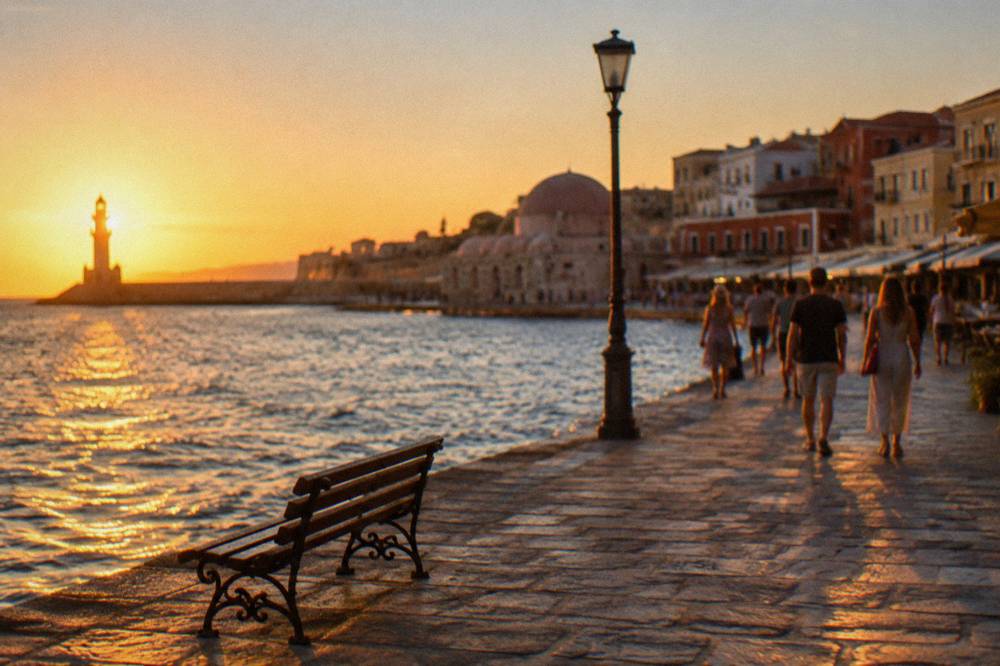
Yes: the Old Town of Chania is compact enough that a car is a liability inside it, and every core sight, from the lighthouse mole to the Municipal Market, the Firka Fortress grounds and the Archaeological Museum's Halepa address, sits within an easy walking radius or a short bus hop. The lighthouse stands on the harbour mole on a Venetian base, built about 1595 to 1601 and restored during Egyptian rule between 1830 and 1840, operating from 1839, and it is reached on foot along the sea wall, not by road.
The desk's reporting on how many days in Chania and the site's Chania walking tours coverage is built on this fact: the harbour, the Splantzia and Topanas quarters, the Etz Hayyim synagogue and the Neoria are all one continuous walk. Free entry applies at the Firka Fortress grounds, a fort the Venetians built in 1620. The Archaeological Museum of Chania sits at 15 Skra Street in Halepa, outside the Old Town core, with a full ticket at EUR 15 and a concession at EUR 8; its opening hours should be confirmed on the museum's own visit page before a dedicated trip, and visitors are asked to leave 20 minutes before closing.
The sights that need wheels are peripheral rather than central. The airport lies about 14 km from the city centre on the Akrotiri peninsula, the Piraeus ferry departs from Souda port about 7 km east of the Old Town, and the beach strip runs west through Agia Marina and Platanias. For those, see the transport sections below.
| Sight | Location Relative To Old Town | Car Needed | Verified Detail |
|---|---|---|---|
| Firka Fortress | Harbour mouth, inside Old Town | No | Free grounds, fort built 1620 |
| Lighthouse (Faros) | End of harbour mole | No | Built about 1595 to 1601, Egyptian-era restoration 1830 to 1840 |
| Neoria shipyards | Eastern harbour edge | No | Seven survive of an original seventeen, 15th to 16th century |
| Archaeological Museum | 15 Skra Street, Halepa | Short bus or taxi hop | EUR 15 full ticket, EUR 8 concession |
| Municipal Market | Edge of the Old Town | No | Central covered market hall |
| Souda ferry port | About 7 km east | Yes, or bus | Blue Star Ferries overnight to Piraeus |
Should You Rent A Car In Chania Or Use Buses And Day Trips?
A car earns its keep in Chania for the west-coast beach chain, the mountain villages and the Akrotiri peninsula, while buses and boats cover the headline day trips well enough that many travellers rent only for part of their stay, which is the option this desk reports as the cleanest fit for a parking-averse visit. The KTEL Chanion long-distance bus station on Kydonias street runs routes to Heraklion, Rethymno, Kissamos, Paleochora and Omalos, plus Elafonisi in summer, with tickets booked at e-ktel.com, and there is no railway anywhere on Crete to fall back on.
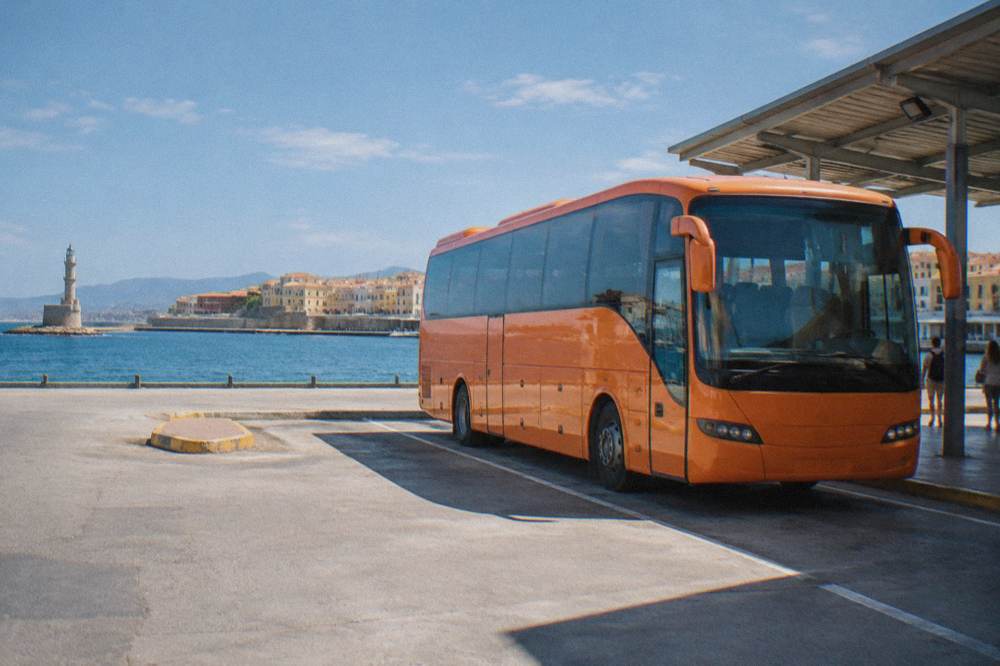
The trade-off is seasonal and destination-specific. Balos and Gramvousa depart by boat from Kissamos port, which converts a difficult unpaved road from Kaliviani into a sea trip; Samaria Gorge is a one-way walk from Xyloskalo on the Omalos plateau down to Agia Roumeli, where boats leave about 17:30 to Sougia or Chora Sfakion for the KTEL bus back, so a self-drive car is actively unhelpful for the gorge itself. The Chania car rental and getting around Chania guides carry the fuller comparison, and KTEL Chania buses covers the routes in detail.
Organised day trips also remove the parking variable entirely on the two days it bites hardest. A guided trip to Elafonisi, a Natura 2000 protected area where entry is reported free and taking sand, shells or plants is prohibited, replaces a long seasonal drive and a crowded summer car park with a single pickup. This site's featured Elafonisi pink beach day trip, which pairs the beach with Elos village and honey and wine tastings, is the version that fits that plan, and Check availability shows the current dates and pickup points on the operator's live listing.
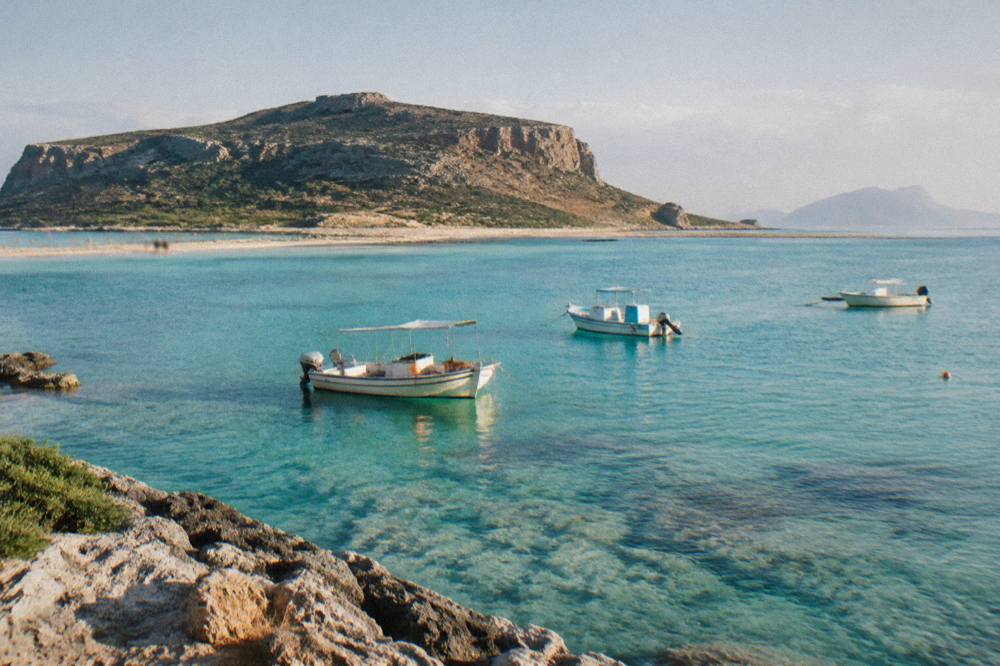
The boat-based alternative deserves equal billing. Kissamos port operators ran daily Balos and Gramvousa departures through 31 October 2026 in the operator-published season, with the only confirmed charge beyond the ticket being a EUR 1 Kissamos municipal fee collected on the boat ticket for over-13s; a proposal from August 2026 to cap visitors at about 1,200 per three hours was never brought into force, so no cap exists to plan around.
How Do You Get From Chania Airport To The City Centre?
Chania International Airport "Ioannis Daskalogiannis" (CHQ), operated by Fraport Greece, sits about 14 km from the city centre on the Akrotiri peninsula near Souda, and the airport's own site carries the public bus and taxi information for the transfer, which is the page to check before arrival since no verified fare for that run appears in any source this guide reports. The airport handled 3,992,149 passengers between January and October 2025, which explains why the transfer queue has real weight in summer.
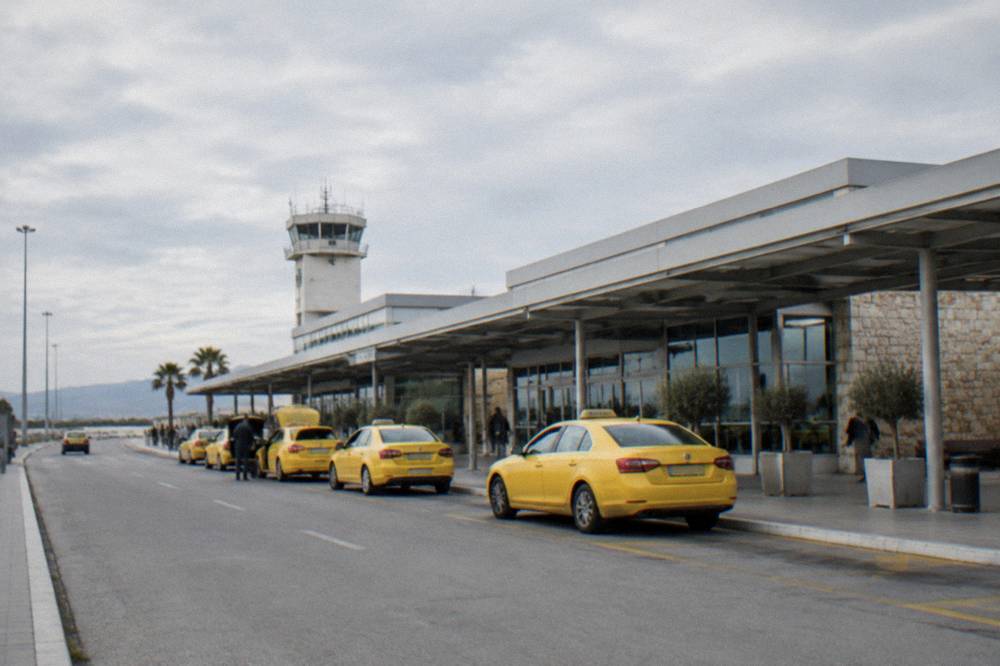
The airport is about 14 km from the centre, and that distance shapes the arrival plan. The dedicated Chania airport to Chania town guide carries the transfer detail, the flights to Chania page covers routes, and Chania airport car hire covers picking the car up at the terminal versus in town, a choice that matters because a car collected in town can be dropped before the walkable part of the stay begins.
| Transfer Option | What The Verified Sources Say | Where To Confirm |
|---|---|---|
| Public KTEL bus | Bus and taxi information is published on the airport's own site | The airport's official page |
| Taxi | Listed on the airport's own site; no verified fare is published in the sources here | The airport's official page and the rank board |
| Hire car from CHQ | Terminal operators serve the airport 14 km from the centre | Chania airport car hire |
| Ferry arrival at Souda | Blue Star Ferries overnight from Piraeus, departure about 21:30, crossing about 9 h 15 min | The operator's route page |
The ferry column matters because a Piraeus arrival lands at Souda port, about 7 km east of the Old Town, never at the Venetian Harbour, which serves excursion boats only. The Piraeus to Chania ferry and Athens to Chania guides carry that route in full, and the operator's published timetable ran as far as 31 October 2026 at the time of check, to be confirmed before booking.
What Does The Weather Mean For Parking And Driving In Chania?
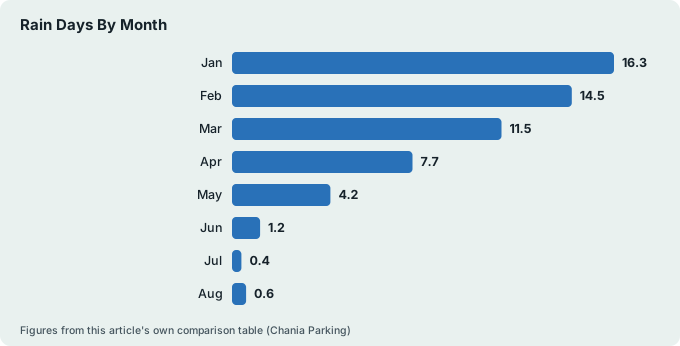
The HNMS Chania Souda station table, covering station records from 1958 to 2010, shows a climate that makes parking and driving a dry-season comfort and a wet-season caution: May through September is nearly rain-free, with July at 1.0 mm on 0.4 rain days, while October jumps to 67.7 mm on 9.3 rain days and January peaks at 129.5 mm on 16.3 rain days. Those are station figures from an inland point at 148 m near Souda Bay, not a 1991 to 2020 normal, and they are the only climate numbers this desk prints.
The practical reading is direct. From May to September the car sits in full sun, so a shaded spot or an early start matters more than any other planning detail, and the prevailing wind swings west to north-west in July and August. From October onward, rain starts to matter, and the mountain roads to Omalos and the south coast, exactly the roads the gorge and beach trips use, are the ones to check conditions on. The Chania weather and best time to visit Chania guides carry the month-by-month detail.
| Month | Mean Temp C | Rain mm | Rain Days |
|---|---|---|---|
| Jan | 11.0 | 129.5 | 16.3 |
| Feb | 11.0 | 104.0 | 14.5 |
| Mar | 12.7 | 76.0 | 11.5 |
| Apr | 15.9 | 31.5 | 7.7 |
| May | 20.2 | 13.5 | 4.2 |
| Jun | 24.7 | 3.4 | 1.2 |
| Jul | 26.7 | 1.0 | 0.4 |
| Aug | 26.3 | 1.4 | 0.6 |
| Sep | 23.2 | 15.4 | 3.2 |
| Oct | 19.4 | 67.7 | 9.3 |
| Nov | 15.8 | 77.0 | 11.2 |
| Dec | 12.7 | 101.9 | 16.1 |
In the table, January is the wettest month at 129.5 mm and July the driest at 1.0 mm, with July also the warmest at a mean of 26.7 C and January the coldest at 11.0 C. Humidity in the same station record runs from 50 percent in July to 73 percent in January, and sunshine for the area runs about 2,600 hours a year. None of this says anything about sea temperature, for which no official monthly normal exists.
Which Day Trips From Chania Are Easier Without A Car?
Balos and Gramvousa by boat from Kissamos, Samaria Gorge with its Agia Roumeli ferry leg, and the Elafonisi summer bus are the three headline day trips from Chania that run against self-drive parking, because each one either starts at a port, ends at a different point than it begins, or mixes both, which is why boat and tour versions dominate the plans this desk reports. The gorge illustrates the logic perfectly: it runs one-way from Xyloskalo to Agia Roumeli, boats leave Agia Roumeli about 17:30, and a car parked at the top would be a day's drive away.
| Day Trip | Start Point | How It Ends | Why Parking Loses |
|---|---|---|---|
| Balos and Gramvousa | Kissamos port | Return by boat to Kissamos | The road alternative is an unpaved stretch from Kaliviani plus a walk down |
| Samaria Gorge | Xyloskalo, Omalos plateau | Boat from Agia Roumeli about 17:30, then KTEL bus | One-way walk ends roughly a mountain range from the trailhead car |
| Elafonisi | Chania, or seasonal KTEL bus | Same-day return | Natura 2000 site with summer demand for a limited area of sand |
| Imbros Gorge | Imbros village | Emerges at Komitades, bus back | Another one-way descent |
| Loutro and Sfakia | Chora Sfakion by boat | Car-free village, boats only | Loutro has no road in |
The Samaria column comes with a caveat this desk states plainly: the gorge's normal season runs 1 May to 31 October, but storms in late September and early October 2026 destroyed sections of the path, staff have called a 2026 reopening extremely difficult with no final decision on record, and works are aimed at readiness in May 2027, so the NECCA status page is the check to make before planning any hike there. The individual ticket is EUR 10 through the NECCA e-ticket portal, free for EU residents under 18 and over 65, entry for the full walk runs 07:00 to 13:00 with everyone out by 18:00, no swimming and no camping are allowed in the park, and organised tour prices exclude the separate entrance and ferry charges.
Trips that skip the car for the whole day pair well with a tasting stop, since the island's producers sit in villages where a narrow lane and a glass of wine do not mix. Beyond the featured Elafonisi trip above, the olive oil, wine, cheese and honey tasting tour from Chania runs that pattern, and Check availability shows its current schedule.
For a boat day with no parking at all, the Balos and Gramvousa catamaran trip with meals, drinks and transfer replaces the Kissamos car park entirely, and Check availability gives the live details. The wider field of options sits in the site's best tours from Chania guide, and the best beaches in Chania page ranks the swimmable alternatives nearest the city.
What Should You Check Before Driving Or Parking In Chania?
Three checks cover nearly everything: the accommodation's own parking description, the posted signage at any kerb space, and the NECCA or operator status page for any gorge or boat day trip, because those are the sources that actually carry the answers, while no verified Chania parking tariff, fine amount or garage price exists in the material this guide reports. Add the accommodation-collected climate crisis resilience fee, charged per room or apartment per night at seasonal rates, to the list of items to confirm at booking rather than estimate.
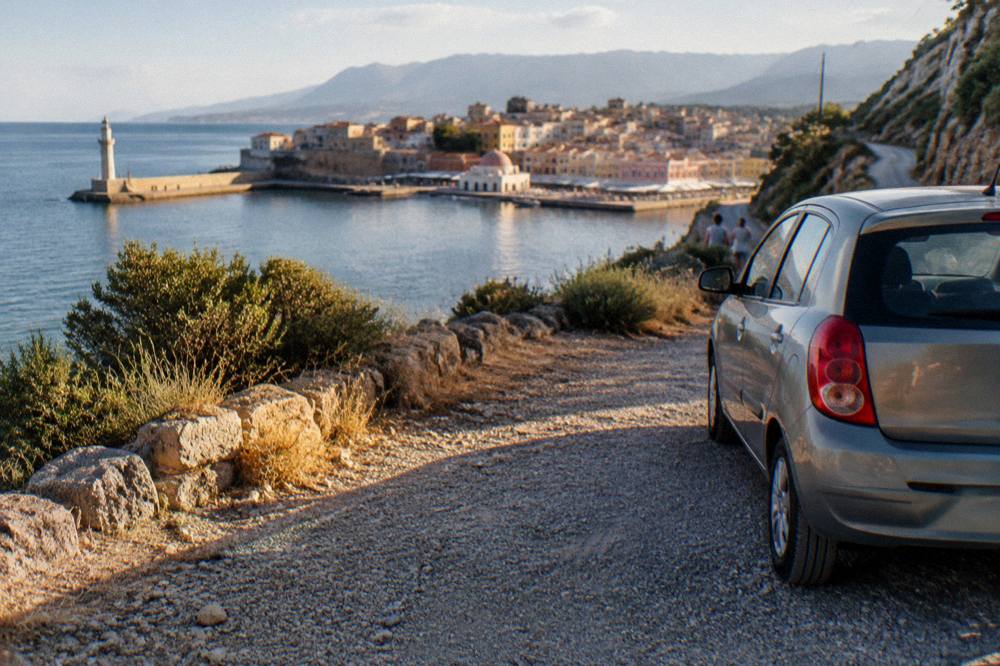
A short checklist keeps the plan honest. Confirm pickup and drop-off rules with the hire desk, since Chania car rental conditions vary by operator. Read the plate and zone rules on any blue or white kerb marking, which in Greece separate resident and visitor use, and treat the sign as the final word. Check the Chania restaurants and Cretan food in Chania plans against where the car is parked for the evening, since the harbour quarter is at its best on foot after dark. For the return leg, remember the airport's 14 km distance and the Souda ferry port's 7 km, and plan the last morning around them.
Greece has been in the euro area since 1 January 2001 and has been a full Schengen member with internal checks abolished since 26 March 2000, so within the zone there are no border formalities on the drive, and the Entry Exit System has been fully deployed across Schengen since 10 April 2026. ETIAS is not in operation and collects no applications as of October 2026, so no travel-authorisation step exists to add to a driving plan yet.
Common Questions About Chania Parking
Is parking free in Chania?
No verified public tariff or free-parking scheme for Chania appears in any source this guide reports, so the posted signage at the kerb is the authority: read the zone markings, note any hourly limit, and confirm garage arrangements with the accommodation before arrival.
Can you drive into Chania Old Town?
The Old Town is a compact medieval fabric around the Venetian Harbour, first built 1320 to 1356, and its lanes serve residents and deliveries rather than visitor parking. The practical plan is to park at the accommodation or the edge of the quarter and walk; the lighthouse mole, Firka Fortress and Neoria shipyards are all reached on foot.
Do I need a car in Chania for Balos and Elafonisi?
No. Balos and Gramvousa boats leave from Kissamos port, reachable by KTEL bus from the Kydonias street station, and KTEL runs a seasonal Elafonisi service in summer. Guided day trips cover both beaches with pickup included, removing the unpaved Kaliviani road and the summer beach car parks from the plan.
How far is Chania airport from parking in the centre?
Chania International Airport "Ioannis Daskalogiannis" (CHQ) sits about 14 km from the city centre on the Akrotiri peninsula near Souda. The airport's own site carries the public bus and taxi information for the transfer; no verified fare for the run appears in the sources here.
Where does the ferry from Athens arrive, and can I park there?
The overnight Blue Star Ferries service from Piraeus arrives at Souda port, about 7 km east of the Old Town, with a departure about 21:30 and a crossing of about 9 h 15 min as the operator's published timetable. The Venetian Harbour serves excursion boats only, never the Piraeus ferry.
Does rain affect driving and parking around Chania?
Yes, seasonally. The HNMS Chania Souda station table for 1958 to 2010 shows July at 1.0 mm of rain and October at 67.7 mm, so from October onward the mountain roads toward Omalos and the south coast deserve a conditions check, while May to September is nearly dry.
The pattern across every answer is the same: park once at the edge or at the bed, walk the Old Town, and let the buses from Kydonias street, the boats from Kissamos and the guided day trips carry the rest. That plan needs no tariff table, because it never leaves a car in one.