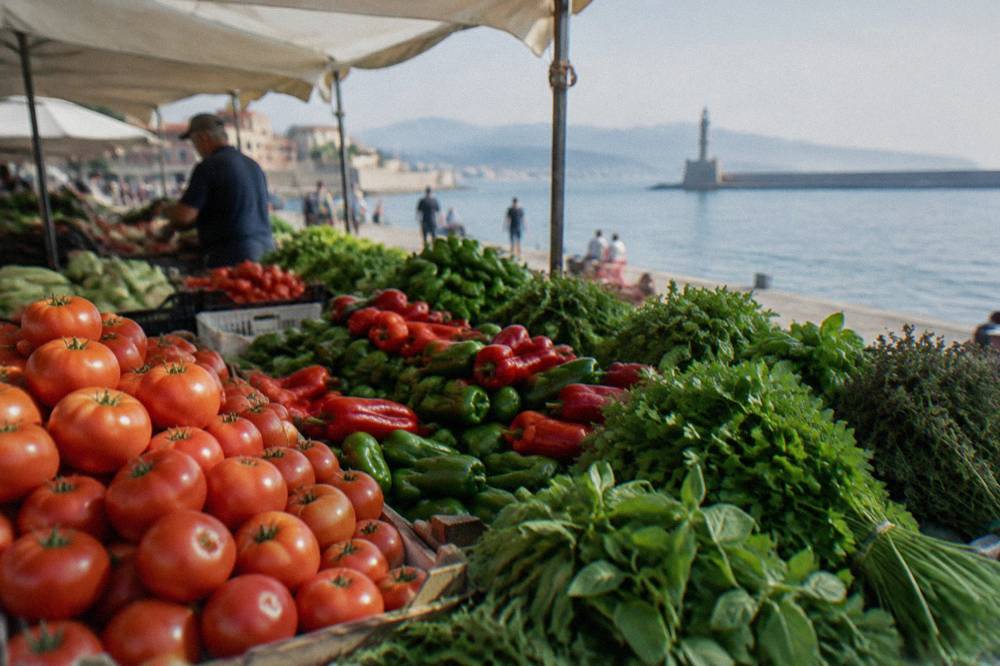
Maritime Museum Of Crete Chania
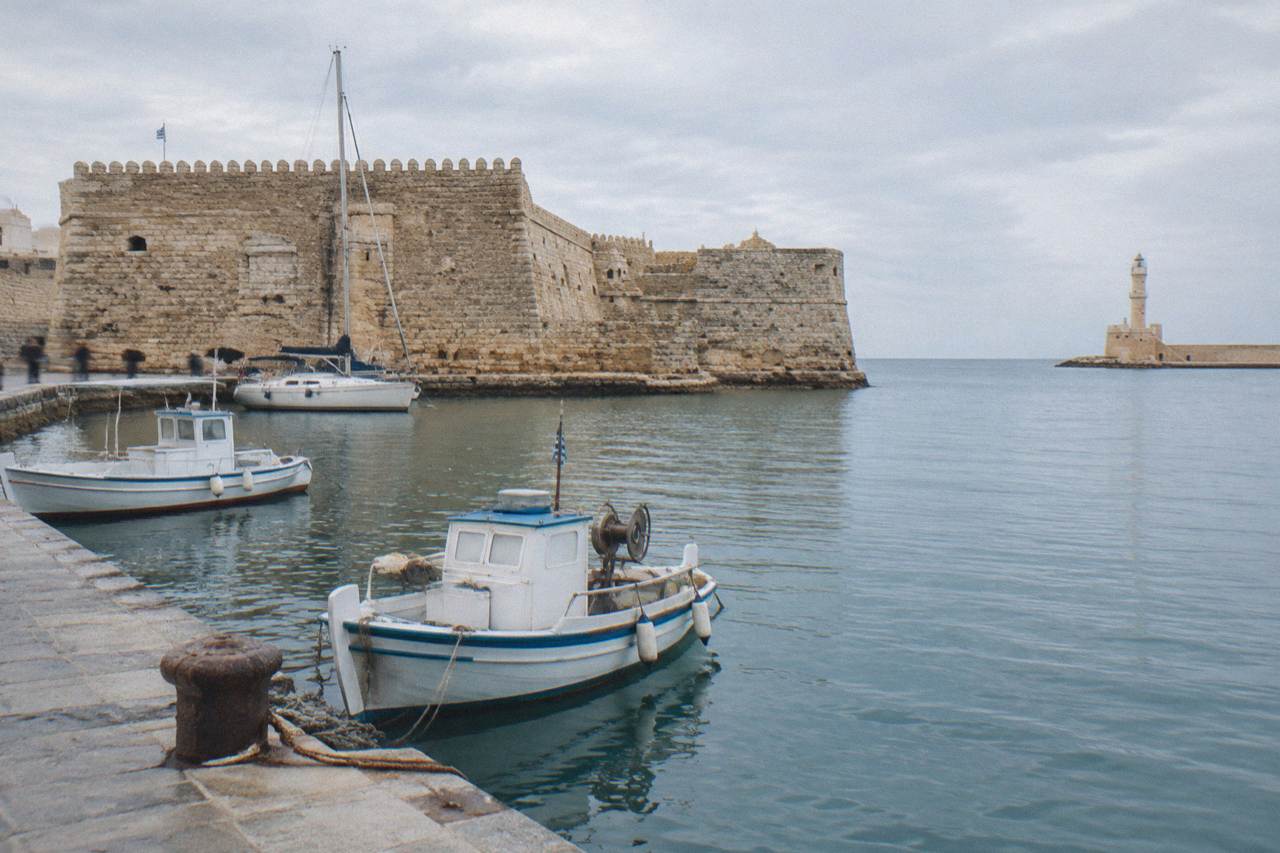
The Maritime Museum of Crete sits inside Firka Fortress at the mouth of Chania's Venetian Harbour, a fort the Venetians built in 1620 to guard the channel. This guide covers what the museum is, what the fortress and the harbour around it add to a visit, and how to fit it into a day in the Old Town.
Short answer
The Maritime Museum of Crete is housed in Firka Fortress at the western entrance of the Venetian Harbour in Chania, on the island of Crete, Greece. The fortress dates from 1620 and its grounds are free to enter, while the museum's own pages carry the current ticket prices and opening hours, so those are checked before arrival.
Chania, a coastal city on the north-west coast of Crete in Greece, keeps its maritime story in two places at once: on the water, in the working shape of the Venetian Harbour, and on land, inside Firka Fortress, where the Maritime Museum of Crete is housed. The fortress was built by the Venetians in 1620 to command the narrow entrance channel, and its grounds are free to walk. The museum that occupies it covers the island's naval history, from the Venetian and Ottoman periods through the world wars, and because ticket prices and opening hours are not stated here, the museum's own visit page is the place to confirm both before travelling.
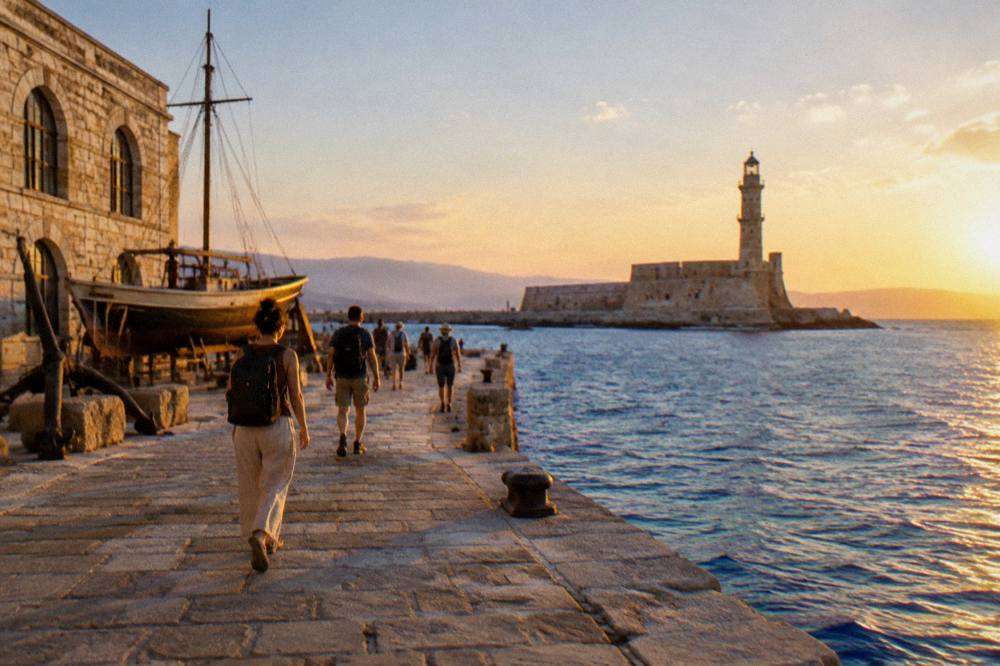
The setting is half the reason to come. The fortress stands at the point where the harbour mouth narrows, facing the Egyptian-era lighthouse across the channel, and the ramparts give one of the clearest views along the whole curve of the waterfront. This guide from the Chania Crete Travel Guide desk covers the museum and the fortress together, then the harbour history that gives the collection its context, and finally the practical side: how the visit fits an Old Town walking day, what else sits within a short stroll, and which boat trips from the harbour itself round the day off on the water.
What Is The Maritime Museum Of Crete In Chania?
The Maritime Museum of Crete is a museum of the island's naval history, housed in Firka Fortress at the western entrance to the Venetian Harbour of Chania, on the north-west coast of Crete, Greece. The fortress that holds it was built by the Venetians in 1620, and its grounds are free to enter, while the museum's own pages carry the current admission prices and opening hours, which should be confirmed before a visit.
The museum's subject is the sea that made the city. Crete sits on shipping lanes between the Aegean and the Libyan Sea, and Chania's harbour was first built by the Venetians between 1320 and 1356, with dredging works and a wall recorded in 1515. A collection devoted to that history covers model ships, navigation instruments, naval uniforms and material from the island's wars, and the museum's own descriptions of its rooms are the authority on what is currently on display, since exhibits change and galleries close for works.
What the desk can state firmly is the container rather than the contents. Firka Fortress is a real, dated monument: the Venetians built it in 1620, its grounds are free, and it forms the western half of the harbour mouth, paired with the lighthouse on the mole to the east. A visitor therefore gets two things in one stop, a walk through a fortification built in 1620 and a museum inside it, and the combination is what makes this corner of the Old Town denser in history per square metre than almost anywhere else in the city.
The museum also sits inside a wider cluster. The Venetian Harbour wraps around the water to the east, the lighthouse stands across the channel, and the topanas district behind the fortress is one of the quietest old quarters of the city. Anyone planning a first day in Chania will find the full route in the one-day itinerary.
Where Is Firka Fortress And How Old Is It?
Firka Fortress stands at the western entrance of Chania's Venetian Harbour, directly opposite the lighthouse, and it was built by the Venetians in 1620. Its grounds are free to enter, and the fort closes off the topanas quarter at the point where the harbour mouth meets the open sea. The Maritime Museum of Crete is housed within its walls.
The fort's purpose explains its position. The harbour entrance is a narrow channel between the mole that carries the lighthouse and the low headland on the western side, and a fort placed at that chokepoint could command everything moving in and out. The Venetians built Firka in 1620 as part of that defence, and the name by which the quarter is now known, topanas, refers to the cannon the fort once mounted, a word that survives in the district's name to this day.
The date belongs to the last phase of Venetian rule, and that rule left more than one layer in the city. The first Venetian walls went up from 1336 to about 1356, the second ring from 1536 onward to Michele Sanmicheli's design, and the Neoria shipyards, seven survivors of an original seventeen from the 15th to 16th century, still line the eastern side of the harbour. Ottoman rule began with the conquest of Chania in 1645, and Crete's union with Greece came in 1913, so the fortress has stood under three flags.
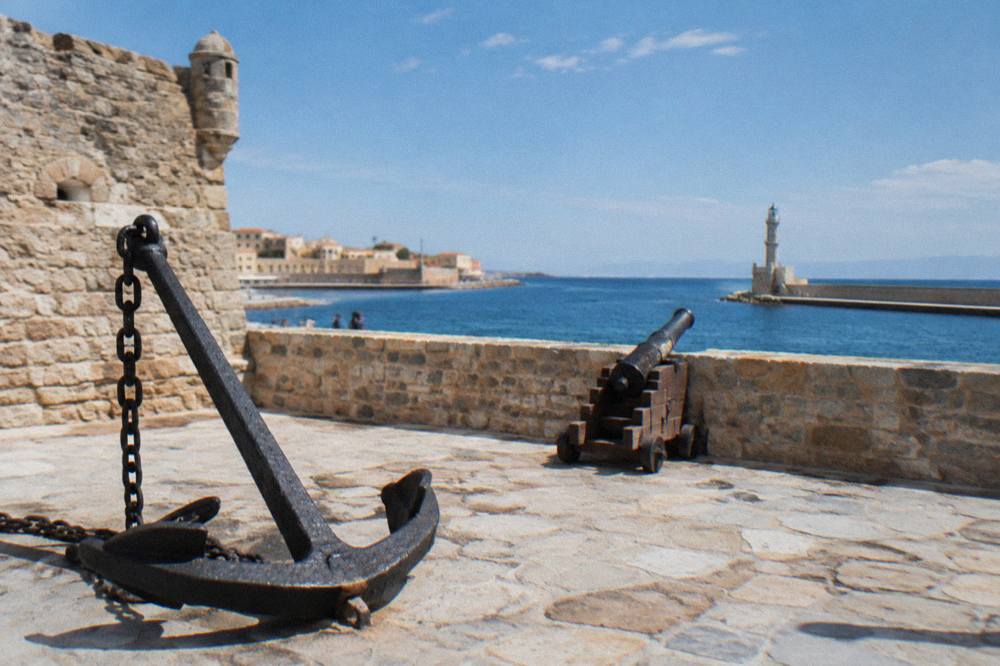
For a visitor, the fortress works as a viewpoint as much as a building. From the walls the whole harbour is laid out: the lighthouse on its mole to the east across the channel, the waterfront facades curving north-east, and the boat decks of the excursion fleet at their moorings below. A camera here covers in one frame what the separate Firka Fortress page covers in detail.
The dated layers of the harbour, all of them visible on a short walk from the fortress, are set out below.
| Structure | Date or period | What stands today |
|---|---|---|
| Venetian Harbour | First built 1320 to 1356; wall and dredging recorded 1515 | The working harbour basin |
| First city walls | 1336 to about 1356 | Traces within the Old Town |
| Second city walls | From 1536, to Michele Sanmicheli's design | Remaining bastions on the land side |
| Neoria shipyards | 15th to 16th century | Seven survivors of an original seventeen |
| Firka Fortress | Built 1620 | Fortress housing the Maritime Museum |
| Lighthouse | Built about 1595 to 1601; restored 1830 to 1840 | Standing on the harbour mole |
What Can You See Inside The Maritime Museum Of Crete?
The museum presents Crete's naval and maritime history, covering the Venetian period, the years of Ottoman rule that began with the 1645 conquest of Chania, and the naval side of the world wars, inside the rooms and courtyard of Firka Fortress. Because galleries and exhibits change, the museum's own pages are checked for what is currently on display, and for the admission prices and hours, none of which are printed here.
What the desk can describe without invention is the shape of the collection a maritime museum in this city is built around: model ships and boat types of the Cretan coast, navigation instruments, charts of the Aegean and the Libyan Sea, uniforms and armaments, and material from the world wars, when the sea around Crete carried convoys and campaigns. The museum's own room-by-room descriptions are the reliable source for the current layout, and any visitor with a specific interest, in naval models or in the Battle of Crete material in particular, should read those pages before travelling.
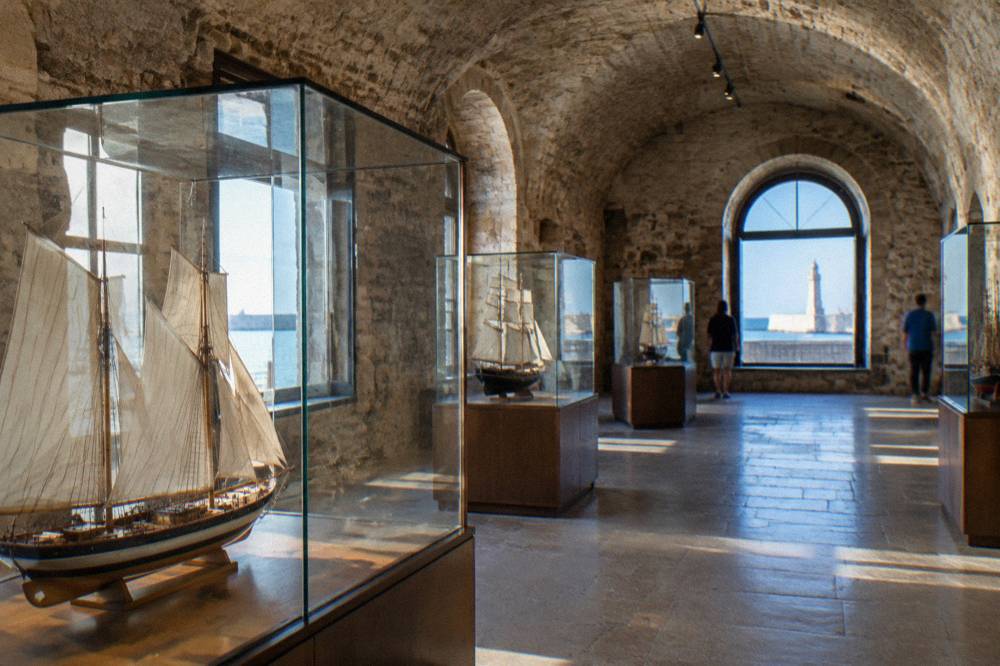
The building does part of the explaining. Firka's vaulted rooms, thick walls and seaward courtyard are themselves artefacts of the harbour defence the collection documents, so the container and the contents tell one connected story. A ticket here is also, in effect, a ticket into the most intact corner of the fortification built in 1620.
Practical questions have honest answers even where figures cannot be printed. Prices, opening hours and any reduced-ticket categories sit on the museum's own visit page, and the advice of this desk is to check it on the day, since seasonal hours in Chania move with the tourist year. For comparison, the city's other main museum states its figures openly: the Archaeological Museum of Chania at 15 Skra Street in Halepa lists a full ticket at EUR 15 and a concession at EUR 8, and asks visitors to leave 20 minutes before closing, with hours to be checked on its visit page.
| Site in Chania | Ticket facts that can be stated | Where to confirm the rest |
|---|---|---|
| Maritime Museum of Crete | Housed in Firka Fortress, built 1620 | The museum's own visit page for price and hours |
| Firka Fortress grounds | Free to enter | No ticket needed |
| Archaeological Museum of Chania | Full ticket EUR 15, concession EUR 8, at 15 Skra Street, Halepa | Its visit page for hours |
| Venetian Harbour and lighthouse | Open public waterfront | Nothing to confirm |
The fortress corner also pairs naturally with time on the water, and the excursion boats leave from the harbour a few hundred metres away. A short crossing runs to Lazaretta Island with a swim stop, and the operator's live listing carries the price and the times: Check availability.
How Does The Venetian Harbour History Explain The Museum?
The harbour the fortress guards was first built by the Venetians between 1320 and 1356, with dredging and a wall recorded in 1515, and the lighthouse opposite Firka was built about 1595 to 1601 and restored during the period of Egyptian rule from 1830 to 1840. Ottoman rule began with the conquest of Chania in 1645, and Crete united with Greece in 1913, so the museum's story tracks the harbour's owners.
A visitor who reads the harbour correctly can date almost every view. The basin itself is Venetian, built between 1320 and 1356. The mole and its lighthouse are late Venetian, from about 1595 to 1601, and the lighthouse took its present form during the Egyptian-era restoration of 1830 to 1840, recorded as operating in 1839. The Neoria, the great roofed shipyards on the eastern quay, date from the 15th to 16th century, and seven of the original seventeen survive. The lighthouse of Chania page carries that structure's full story.
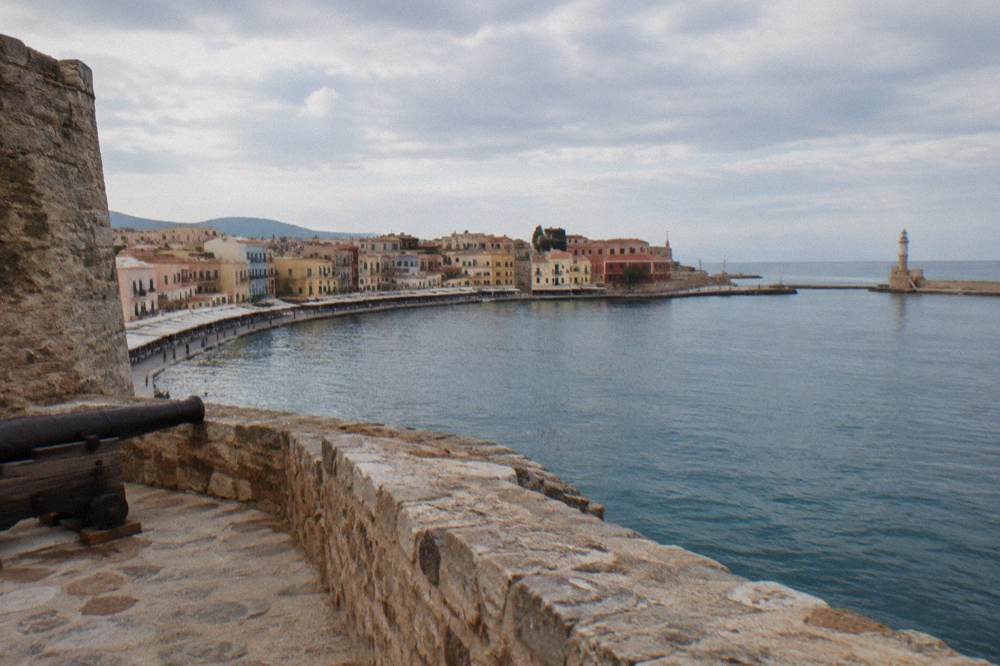
The 1645 conquest put the harbour under Ottoman rule, and the union of Crete with Greece in 1913 closed that chapter. A maritime collection in this city therefore spans Venetian shipbuilding, Ottoman trade, the world wars and the coastal life of the island in between, which is why the museum sits so naturally inside a Venetian fort rather than in a modern building: the building is exhibit one.
Walking the harbour end to end, from the fortress past the Neoria, covers roughly a kilometre of waterfront and four distinct building campaigns, and every stage is covered in the Venetian Harbour guide. The table below puts the harbour's periods in order.
| Period | Ruler or event | Harbour legacy |
|---|---|---|
| 1320 to 1356 | Venetian construction of the harbour | The basin and first moles |
| 1336 to about 1356 | First Venetian city walls | Early land defences |
| 15th to 16th century | Neoria shipyards built | Seventeen sheds, seven surviving |
| 1515 | Dredging and wall recorded | Kept the port usable |
| About 1595 to 1601 | Lighthouse built | The harbour mole landmark |
| 1620 | Firka Fortress built | Western defence, now the museum |
| 1645 | Ottoman conquest of Chania | Ottoman rule of the port |
| 1830 to 1840 | Egyptian-era lighthouse restoration | The lighthouse's present form, operating 1839 |
| 1913 | Union of Crete with Greece | The harbour as a Greek port |
How Long Does A Visit Take And What Else Is Nearby?
A visit to the Maritime Museum of Crete inside Firka Fortress is a half-morning or half-afternoon stop, with the fortress walls, the viewpoint over the harbour channel and the topanas quarter behind it adding to the time on site. Ticket prices and opening hours are confirmed on the museum's own page, and the desk does not print a duration for the museum itself, since none is stated.
The honest planning unit is the corner, not the building. The fortress grounds are free and open to the waterfront, the museum sits inside them, and the lanes behind, the topanas quarter, hold some of the quietest streets in the Old Town, described in full elsewhere on this site. Directly along the quay sit the Neoria, and the whole stretch from Firka to the eastern end of the harbour is a single walk with no transport needed.
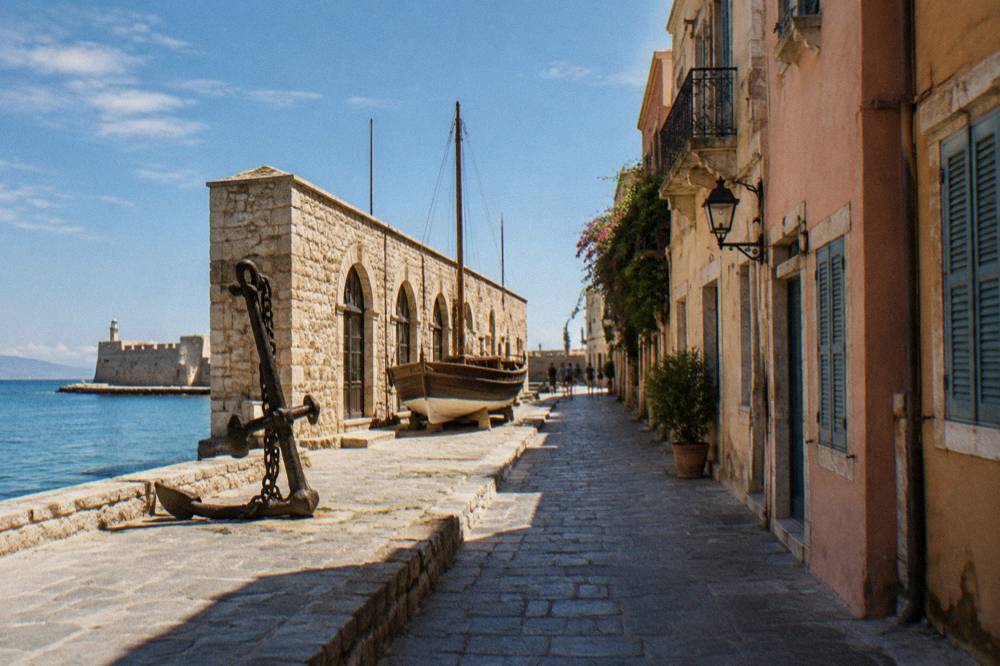
Within the same walkable radius sit several of the city's other stops, all of them covered in dedicated pages on this site:
| Nearby stop | Distance from Firka by the waterfront | Type of visit |
|---|---|---|
| Lighthouse mole | Across the harbour channel | Walk and viewpoint |
| Neoria shipyards | Along the eastern quay | Architecture from outside |
| Municipal Market | Inland from the middle of the harbour | Covered market hall |
| Etz Hayyim Synagogue | Within the Old Town lanes | Historic site |
| Archaeological Museum, Halepa | East of the centre, in Halepa | Museum |
The Municipal Market and the Etz Hayyim Synagogue pages cover those stops in detail, and the three-day itinerary places the fortress corner inside a fuller plan that reaches the beaches and the gorges.
After the walls, the sea itself is the natural next stop, and the harbour's boat fleet runs everything from a short crossing to a full afternoon on the water. The Lazaretta swim-stop trip and a two-island cruise are the closest matches to the museum's own subject, the sea trade and defence of this coast.
A longer version of the same idea visits two islands with a traditional boat, and the listing carries all product figures: Check availability.
When Is The Best Time To Visit The Fortress Corner?
The HNMS Chania Souda station table, recording the period 1958 to 2010, shows May to September as the dry part of the year, with 13.5 mm of rain in May falling to 1.0 mm in July, while January is the wettest month at 129.5 mm and October jumps to 67.7 mm. Late afternoon light across the harbour is the hour photographers aim for, whatever the month.
The climate record is the one official table for the city, and it is labelled exactly as the Hellenic National Meteorological Service publishes it: station Chania Souda, 148 m inland of Souda Bay, means for 1958 to 2010, a period the service has not updated. The pattern is clear enough for planning. Mean temperatures run from 11.0 C in January to 26.7 C in July, rain concentrates between October and March, and the summer months are effectively dry, with July showing 1.0 mm across the whole month and only 0.4 rain days on average.
| Month | Mean C | Rain mm | Rain days |
|---|---|---|---|
| Jan | 11.0 | 129.5 | 16.3 |
| Feb | 11.0 | 104.0 | 14.5 |
| Mar | 12.7 | 76.0 | 11.5 |
| Apr | 15.9 | 31.5 | 7.7 |
| May | 20.2 | 13.5 | 4.2 |
| Jun | 24.7 | 3.4 | 1.2 |
| Jul | 26.7 | 1.0 | 0.4 |
| Aug | 26.3 | 1.4 | 0.6 |
| Sep | 23.2 | 15.4 | 3.2 |
| Oct | 19.4 | 67.7 | 9.3 |
| Nov | 15.8 | 77.0 | 11.2 |
| Dec | 12.7 | 101.9 | 16.1 |
The same weather shapes the water. The meltemi, the summer north-westerly wind pattern of the Aegean, freshens afternoons on the harbour in July and August, which is worth knowing when a boat trip is planned after the museum. Winter visits are their own pleasure, mild by northern standards at a January mean of 11.0 C, wet at 129.5 mm, and the Chania in winter coverage explains what stays open. For the fuller picture, the Chania weather and best time to visit Chania pages use the same station table.
Can You Combine The Museum With A Boat Trip From The Harbour?
Yes, and the combination is the most natural pairing in the city, because the excursion boats moor along the same waterfront the fortress guards, within a short walk of the museum door. Trips run from a short crossing to Lazaretta Island with a swim stop up to half-day cruises along the north coast, and every price, rating and duration renders from the operator's live listing rather than from this page.
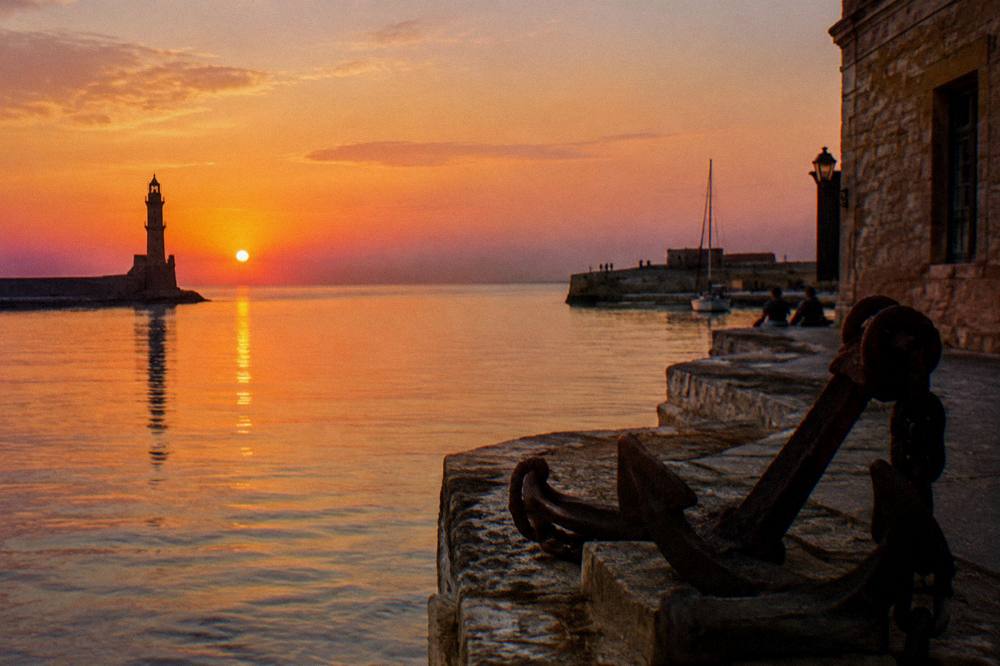
The logic is simple: the museum explains the sea, and the harbour puts the sea within reach. The desk cannot type a product's figures, but the roster of verified trips from this harbour is long. Closest to the fortress, a short boat trip to Lazaretta Island includes a swim stop. A traditional-boat cruise reaches Agioi Theodoroi and Lazaretta, the two islands on the horizon visible from Firka's own walls. A guided sunset cruise turns the same water into an evening trip past the lighthouse. The full range is collected in the Chania boat trips guide and the wider things to do in Chania page.
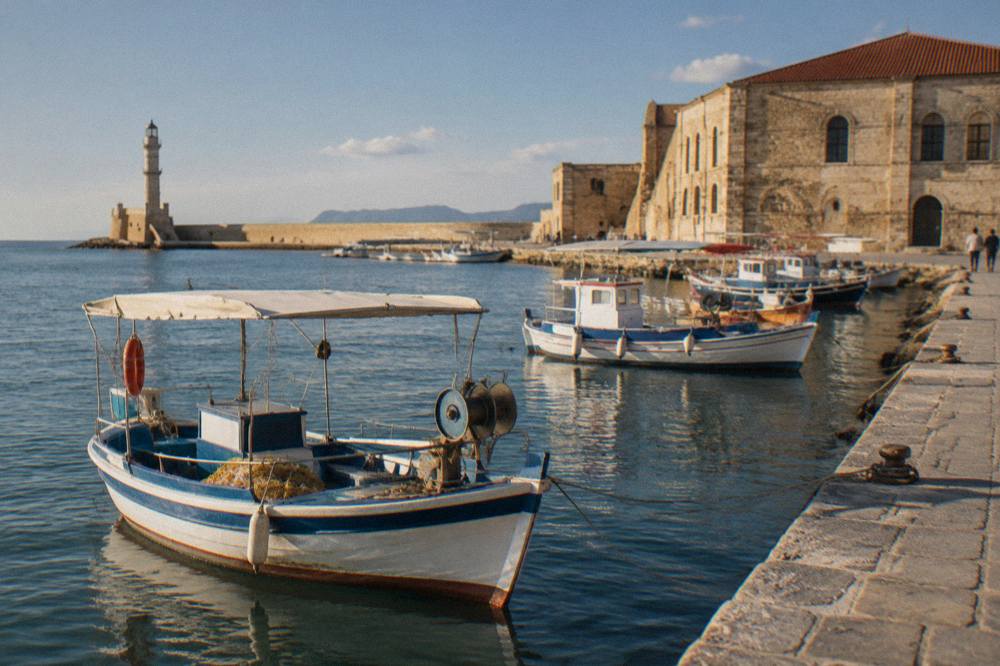
Two of those water options stand out against the museum's own subject, and both leave from the waterfront in sight of the fortress.
The evening version of the harbour from the water is a guided sunset cruise, and its live listing carries everything a booking needs: Check availability.
Visitors with more than one day can push further. The big day trips from Chania, Balos and Gramvousa by boat from Kissamos, the Elafonisi beach, the Samaria and Imbros gorges in the White Mountains, all start from this city, and the fortress visit is the compact history lesson that makes sense of the coast they explore. The gorge deserves one specific caution: Samaria normally runs 1 May to 31 October, but storms in late September and early October 2026 destroyed sections of the path, staff describe a 2026 reopening as extremely difficult and works are aimed at readiness in May 2027, so the NECCA status is checked before any plan is made.
What Should You Know Before You Go?
Confirm the museum's ticket prices and opening hours on its own page, since none are printed here; the fortress grounds are free; and the visit needs no car, because Firka stands at the edge of the Old Town, which is walked end to end. For arrivals, Chania airport is about 14 km from the centre and the Piraeus ferry leaves from Souda port, about 7 km east of the Old Town, never from the Venetian Harbour.
Getting there is part of the plan. The airport, Chania International Airport "Ioannis Daskalogiannis" (CHQ), operated by Fraport Greece, sits on the Akrotiri peninsula about 14 km from the city centre, and the airport's own site carries the public bus and taxi options, with no fares printed here. The overnight Blue Star Ferries crossing to Piraeus departs Souda port, about 7 km east of the Old Town, at about 21:30 with a crossing of about 9 h 15 min as the operator's timetable shows, to be confirmed at booking. The Venetian Harbour itself serves excursion boats only, a distinction that catches out new arrivals every season. The Chania airport and getting around Chania pages carry the full detail.
Two small practical notes close the checklist. Accommodation in Greece collects a climate crisis resilience fee per room or apartment per night, with seasonal rates by category, and the exact amount is confirmed at booking rather than assumed. And Greece is in the euro area since 1 January 2001 and a Schengen member with internal checks abolished since 26 March 2000, while the new EES entry system is fully deployed across Schengen since 10 April 2026; ETIAS is not in operation and collects no applications as of October 2026, so no travel-authorisation fee applies yet.
With the museum confirmed, the fortress walked and the harbour read correctly, the visitor has the outline of the city's whole story, and the rest of this site fills it in: the beaches west of town, the gorges to the south and the boat decks that leave daily from the water below the walls.
Common Questions About The Maritime Museum Of Crete
Where is the Maritime Museum of Crete?
It is housed in Firka Fortress at the western entrance to the Venetian Harbour in Chania, on the north-west coast of Crete, Greece, directly across the channel from the lighthouse.
How old is Firka Fortress?
The Venetians built Firka Fortress in 1620 to command the harbour entrance, and its grounds are free to enter today. The museum sits within its walls.
What is the ticket price for the Maritime Museum of Crete?
No price is printed here. The museum's own visit page carries the current admission prices, reduced categories and opening hours, so it is checked before travelling. The fortress grounds themselves are free.
How long does a visit to the Maritime Museum take?
The museum and fortress together work as a half-morning or half-afternoon stop, with the harbour walls, the viewpoint and the topanas quarter behind the fort adding to the time on site.
What else can you see near the Maritime Museum?
The lighthouse mole across the channel, the Neoria shipyards along the eastern quay, the Municipal Market inland and the lanes of the Old Town are all within the same walk, and each has a dedicated page on this site.
Can you take a boat trip from the harbour near the museum?
Yes. Excursion boats moor along the same waterfront, running trips from a short Lazaretta Island crossing with a swim stop to island cruises and sunset sails, and prices and times render from each operator's live listing.