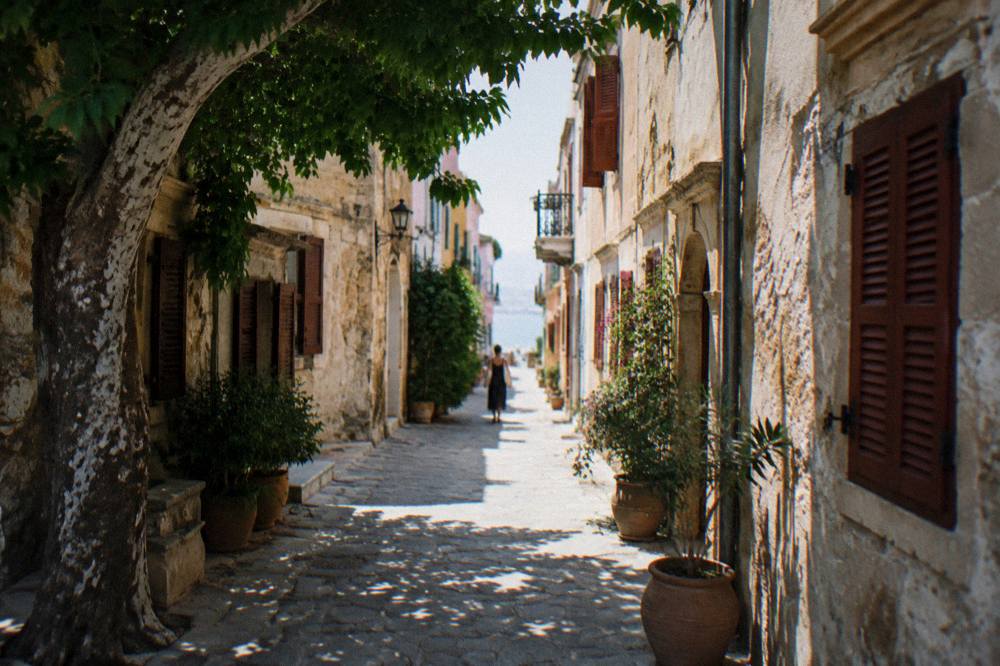
Is It Safe To Walk Around Chania At Night?
Chania after dark: what the sources say about evening walks around the Venetian Harbour, the Old Town lanes, lighting, and simple precautions for a night out in Crete's north-west coast city.
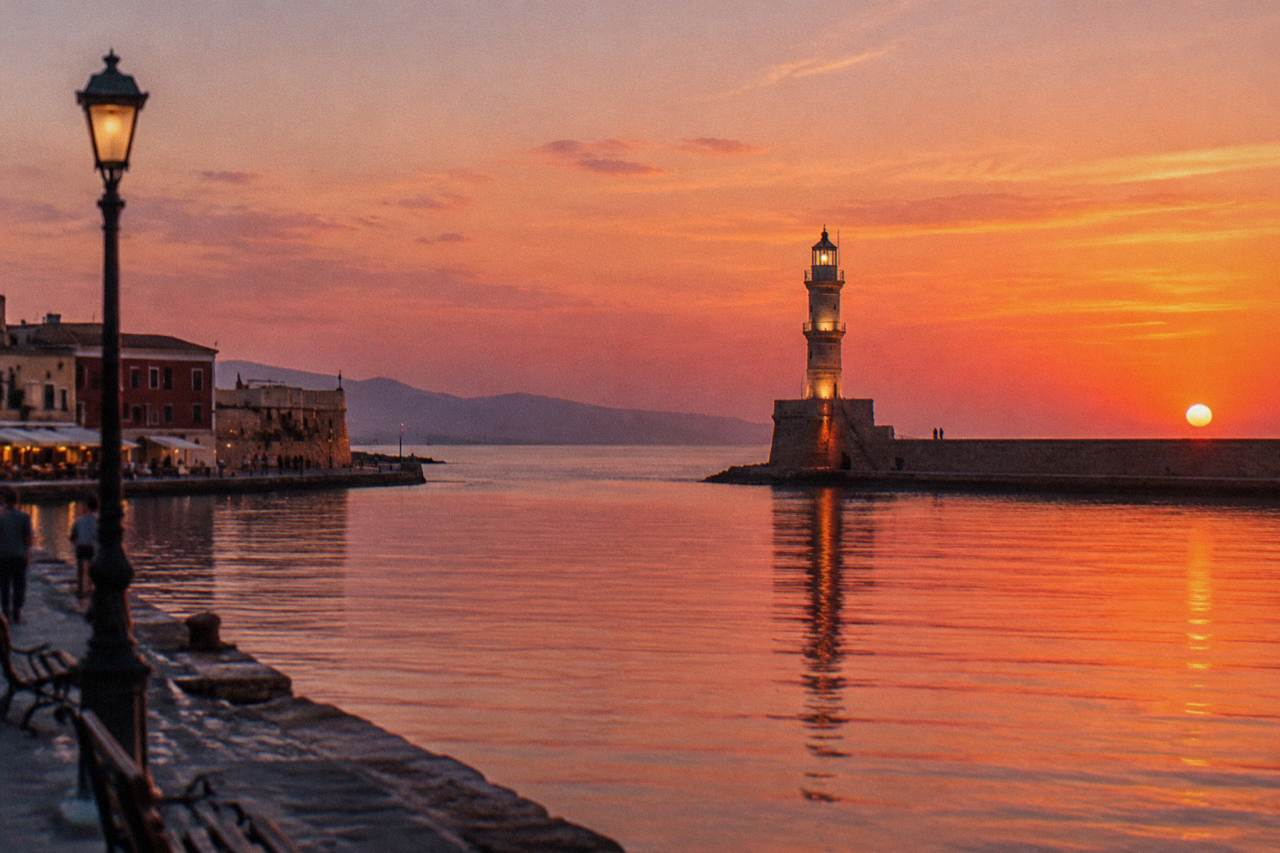
Chania sits on the north-west coast of Crete, Greece, facing the Aegean's Cretan Sea, and its evening identity is built around one stretch of water: the Venetian Harbour, first constructed between 1320 and 1356, with the lighthouse standing at the end of the mole. After sunset the harbour front, the Old Town lanes behind it and the Splantzia quarter fill with diners and strollers, and the question that reaches this desk again and again is simple: is it safe to walk around Chania at night? The short answer is that the sources describe a normal, busy Mediterranean harbour city where ordinary city precautions apply, and this page sets out what is actually recorded, what is not, and how to plan an evening there with confidence rather than guesswork.
Is It Safe To Walk Around Chania At Night?
Walking around Chania at night is described in official and local sources as a normal evening activity in a mid-sized Greek city of about 111,375 permanent residents, with no published safety statistic suggesting otherwise, and the standard advice is ordinary city sense: stay where the streets are lit and busy, keep valuables out of back pockets, and use the same judgement you would in any harbour city after dark. No crime statistic, incident count or safety ranking for Chania is verified in the facts this site holds, so none is quoted here. What can be said plainly is that the evening economy of the Old Town, from the harbour front to Splantzia, runs on people walking, and the bars and restaurants stay open late into the summer season.
That framing matters. Travel safety questions usually arrive loaded with second-hand warnings, and the honest answer is calmer than the question implies. The municipality's own material presents the city as a year-round working city, not a resort that empties at dusk, and the harbour front is the centre of its evening trade. A reader who keeps to the lit, populated core between the Firka Fortress, built in 1620, and the eastern end of the inner harbour is walking the same route the evening crowds walk.
What no honest page should do is invent reassurance. No figure on late-night incidents, police presence or street lighting coverage appears. The practical picture comes from what the city itself publishes: a walkable historic core, an active restaurant trade, and public transport connections that thin out late, which is the one planning detail that genuinely shapes a night out.
Which Areas Of Chania Are Best For Evening Walks?
The best-documented evening walk in Chania is the circuit of the Venetian Harbour: from the Firka Fortress at the western mole, along the waterfront past the Neoria shipyards, of which seven survive from an original seventeen, and out along the mole toward the lighthouse, lit at night and visible from across the bay. Behind the harbour, the Old Town lanes and the Splantzia quarter carry the restaurant and bar trade, and the Old Town guide maps the streets that matter. The harbour mole itself is a flagged walk: it is unpaved in stretches, edged by water on both sides, and sensible shoes and a torch-free reliance on ambient light both matter after dark.
The harbour walk deserves its reputation. The Egyptian-era restoration of the lighthouse, carried out between 1830 and 1840 during the period of Egyptian administration of Crete, left the tower standing on its Venetian base of about 1595 to 1601, and it works at night as the walk's turnaround point. The distance is short and the surface is the main thing to respect, not the surroundings.
Inland, the evening map is compact. Splantzia, around the Mosque of the Janissaries and its square, is the quarter whose tavernas and bars run latest, and the lanes connecting it to the harbour pass through the Topanas district on the west side. The is Chania Old Town walkable question has its own answer page, and the short version for night use is that the core is flat, dense and pedestrian in character, so walking really is the normal way to spend an evening there.
What Should You Keep In Mind After Dark In Chania?
The things worth minding after dark in Chania are practical rather than dramatic: the harbour mole's uneven edge and unpaved stretches, late-evening transport connections that thin out compared with the daytime schedule, alcohol served generously in the bar quarters, and the ordinary risk of unattended bags in a busy dining crowd. None of these is a reason to stay in. All of them are reasons to wear shoes that grip, agree a meeting point if a group splits, and check the last KTEL bus time before a late dinner rather than after it.
The transport point is the one that catches people out. The Chania long-distance bus station sits on Kydonias street, and its routes fan out to Heraklion, Rethymno, Kissamos, Paleochora, Omalos and, in summer, Elafonisi. Schedules shrink in the late evening, and no timetable figure is printed here because timetables move with the season; the station's own information is the check to make. A taxi stands in the same area, but fares are confirmed with the driver, not assumed.
The harbour front after dark has one specific hazard worth naming clearly, because it is geographical rather than social: the mole walk and the breakwater edge stand directly over open water, the stone is worn, and a fall there is a fall into the sea. Children on that stretch belong within reach, and the walk out is better made while the tavernas are still full than after the last of them closes. For the broader picture, the is Chania safe guide covers the city as a whole, including daylight hours and family travel.
How Does Night Safety In Chania Compare With The Rest Of Crete?
No verified safety comparison between Chania and other Cretan cities exists in the sources this site holds, so any ranking of Heraklion, Rethymno or Chania by night safety would be invented, and the honest comparison is structural: Chania's evening life is concentrated in a small, walkable historic core around the harbour, while the island's larger cities spread their nightlife across wider districts. The comparative pages on this site stick to what can be checked, such as which is nicer, Chania or Rethymnon and where is nicer, Chania or Heraklion, which compare character, not crime.
What can be said with figures is climatic, and climate shapes a night out more than anything else. The HNMS Chania Souda station table, covering the period 1958 to 2010, records a mean July temperature of 26.7 C falling only to a mean minimum of 21.2 C, and mean August temperatures of 26.3 C. An August evening walk is a warm one, and hydration is part of the plan. By contrast, January's mean is 11.0 C with a mean minimum of 7.9 C, so a winter evening stroll is a jacket affair with the harbour wind to account for; the prevailing wind at the station runs from the west, turning north-west in July and August.
| Month | Mean temperature (C) | Mean minimum (C) | Rainfall (mm) | Rain days |
|---|---|---|---|---|
| January | 11.0 | 7.9 | 129.5 | 16.3 |
| April | 15.9 | 11.4 | 31.5 | 7.7 |
| July | 26.7 | 21.2 | 1.0 | 0.4 |
| October | 19.4 | 15.7 | 67.7 | 9.3 |
The table comes with its own label: these are HNMS Chania Souda station records for 1958 to 2010, not a newer normal, and the station sits inland of Souda Bay at 148 m, so the harbour front at sea level can feel different on any given night. October's 67.7 mm of rain across 9.3 rain days is the figure that matters for evening plans in autumn, when a wet lane in the Old Town is slick underfoot and an umbrella is a genuine accessory rather than an optimistic one.
Which Evening Activities Fill A Night In Chania?
An evening in Chania fills easily without any risk-taking: a harbour-front dinner, a walk to the lighthouse mole while the restaurants are still lit, live music in Splantzia's squares, and a short sunset or night boat departure from the Venetian Harbour, which serves excursion boats, unlike Souda port about 7 km east where the overnight Blue Star Ferries ship to Piraeus departs around 21:30. The distinction between the two ports is worth memorising, because a visitor who turns up at the pretty harbour expecting a ferry to Athens has made the classic Chania navigation error.
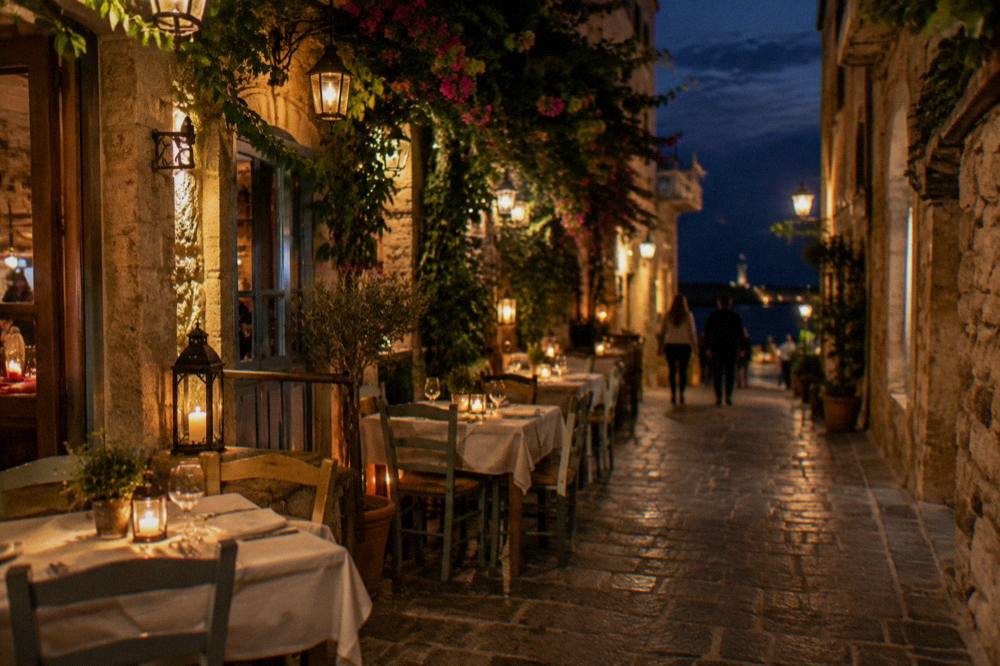
Food anchors the evening. The what food is Chania known for page covers the dishes worth ordering, and the where do locals eat in Chania question has its own answer, but the safety-relevant point is simpler: the dining quarters are the populated, lit parts of the city after dark, so planning dinner is also, incidentally, planning a walk through the safest-feeling streets there are.
Daytime tours make a natural pairing with a quiet night, and the Sfakia coast offers one of the calmest: the Check availability link sits beside this site's Sfakia sea kayaking page, a guided paddle on the south coast with a guide who knows the water. The Chania Crete Travel Guide main page collects the full range, from gorge hikes to boat trips, for readers building a whole day around a gentle evening.
Common Questions About Night Safety In Chania
Is it safe to walk around Chania at night?
The sources describe evening walking in Chania as a normal activity in a busy harbour city, and no verified safety statistic suggests otherwise. Ordinary city precautions apply: stick to lit, populated streets, keep valuables secure, and mind the unpaved harbour mole, which stands directly over open water.
Is the walk to the lighthouse safe after dark?
The mole to the lighthouse is a popular evening walk and the tower is lit, but the stretch is unpaved in parts with an open water edge on both sides. Shoes that grip and a walk made while the harbour restaurants are still busy are the sensible choices, and children belong within reach on the mole.
Are there areas of Chania to avoid at night?
No district of Chania is listed in any source this desk holds as an area to avoid after dark. The practical advice is the reverse: the lit restaurant quarters around the Venetian Harbour and Splantzia are the busiest and best-lit parts of the city at night, while quiet industrial and port zones, like any city, offer nothing for an evening stroll. The where to avoid staying in Crete page covers accommodation choices island-wide.
Do buses run late in Chania?
The KTEL network runs from the station on Kydonias street to Heraklion, Rethymno, Kissamos, Paleochora, Omalos and, in summer, Elafonisi, but late-evening frequency is not published in the sources held here, so the last departure of the night is a detail to confirm with the operator before a late dinner rather than after it.
Is Chania safe for solo travellers in the evening?
No source this site holds publishes a solo-traveller safety figure for Chania. The structural facts are favourable: the evening core is compact, walkable and centred on dining streets that stay busy late, and the is Chania safe guide covers the city's general safety picture for solo, family and couple travel.
The evening picture in Chania, then, is neither a warning nor a promise: it is a mid-sized Greek city whose nightlife is a walking nightlife, set around a harbour first built between 1320 and 1356 and still doing its job. Plan around the lit core, respect the water's edge on the mole, check the last bus before the second carafe, and the question this page answers resolves into ordinary good planning.