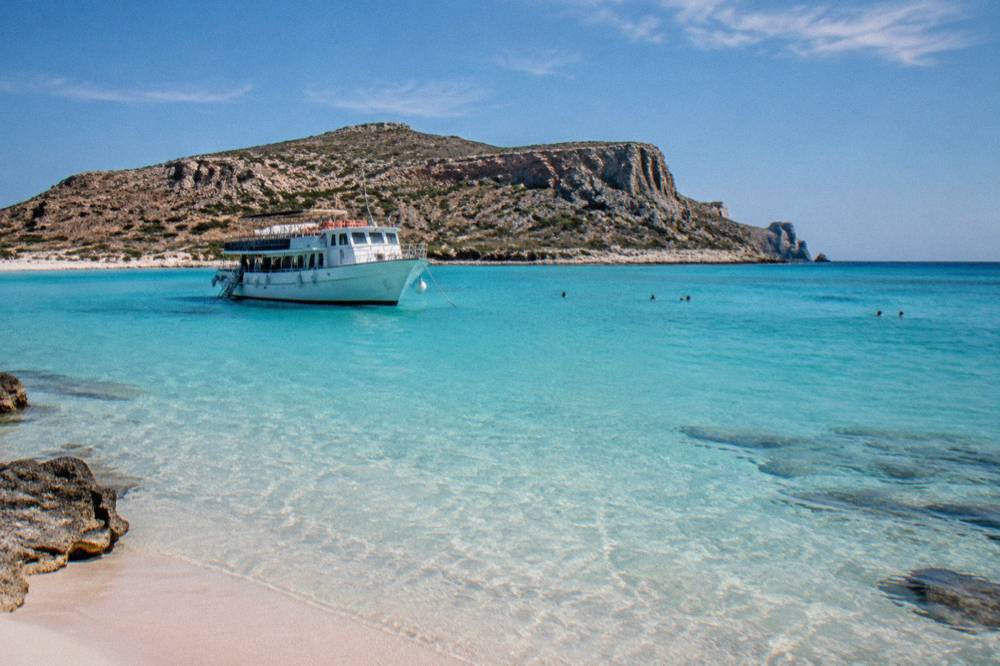
Kissamos Chania Crete
Kissamos is the west-coast port town of the Chania region of Crete, and the departure point for the boat crossings to Balos Lagoon and Gramvousa island.
Short answer
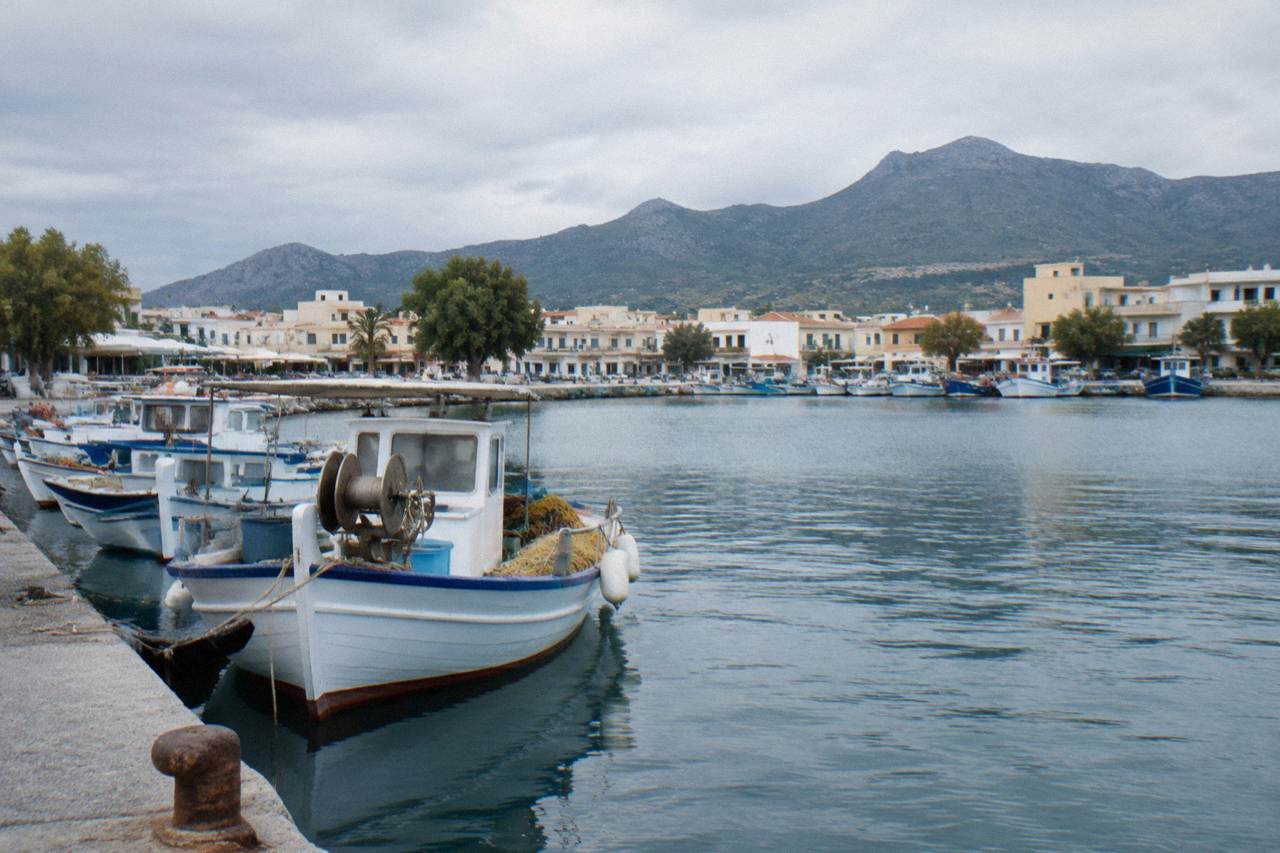
Kissamos is a working town on Crete's north-west coast about 40 minutes west of Chania by road, best known as the port where the Balos and Gramvousa cruises leave from. The area pairs those boat days with quiet local beaches, wine country inland and the road towards Falassarna and Elafonisi.
Kissamos, known in Greek as Kissamos and often signed as Kastelli Kissamos, is a working port town on the north-west coast of Crete, the Greek island whose largest city region, Chania, sits about 40 minutes east by road. This is the place the Balos and Gramvousa boats leave from, and it is the last proper town before the road bends south past Falassarna towards Elafonisi. It is not a resort strip in the mould of Agia Marina and Platanias further east: it has a year-round economy, a long seafront of its own and a role as the transport hub of the far west of the Chania region. This guide covers what the town itself holds, how the port works, and how to build days around it.
Where Is Kissamos In The Chania Region Of Crete?
Kissamos sits on the north coast of Crete toward the island's western end, within the Chania regional unit, and it works as the port and market town for the far west of that region. It faces the Cretan Sea roughly 40 km west of Chania city, with the western ridges of the White Mountains, the Lefka Ori, to its south and west. The town faces the Cretan Sea, the northern arm of the Aegean that also fronts Chania itself, and it sits roughly 40 km west of Chania city along the main coast road. To its south and west rise the western ridges of the White Mountains, the Lefka Ori, which drop towards the sea at the peninsula that carries the ruins and the island of Gramvousa. The nearest big landmark offshore is Balos Lagoon, at the north-western tip of that peninsula, reached by boat from the town's own port or by a rough road from Kaliviani at the peninsula's base.
The geography explains the town's whole rhythm. The ferry and cruise boats for Balos use Kissamos port; the excursion boats of Chania's Venetian Harbour, by contrast, run short coastal trips in the other direction, and the two should never be confused. The unpaved road to Balos starts at Kaliviani, a short drive west of Kissamos, and runs to a parking area, after which the lagoon is reached on foot down the slope. That road is rough, and the boat from Kissamos is the alternative the listing describes for the full-day Balos cruise from Kissamos.
The municipality numbers, for context: Chania municipality, the regional capital 40 km east, counted 111,375 permanent residents at the 2021 census and covers 356.12 km2. Kissamos is a separate municipality of its own, and the town is small enough that everything in it is walkable once the bus or the hire car has arrived. People base themselves here for two reasons: cheaper, quieter stays than the Chania Old Town, and the shortest possible run to the Balos boats in the morning.
How Do You Get From Chania To Kissamos?
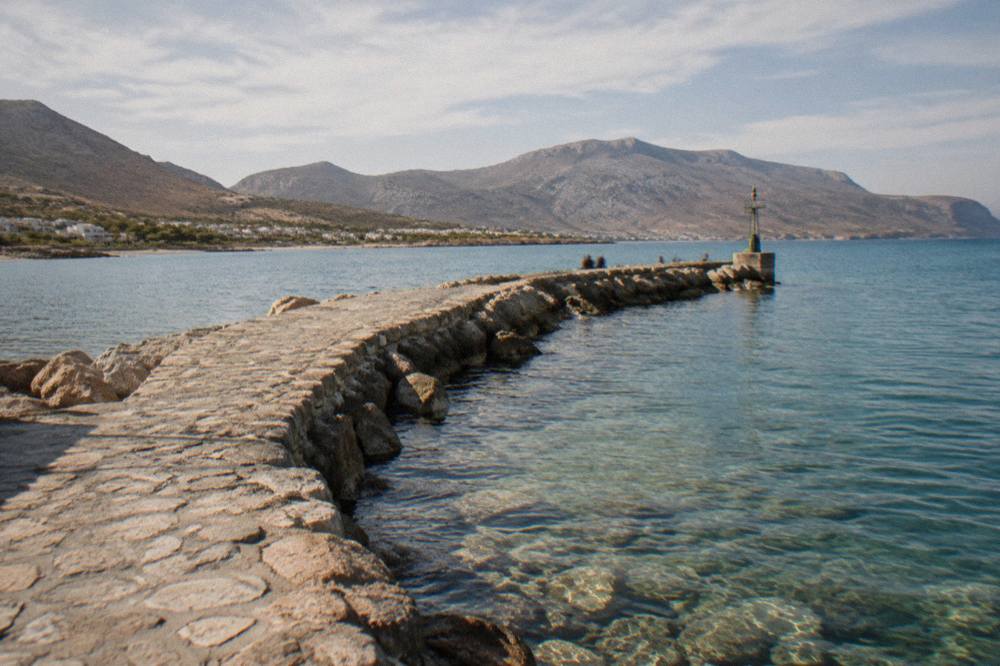
The Chania to Kissamos link is the KTEL Chanion bus route towards Kissamos, departing from the long-distance bus station on Kydonias street in Chania city, with the journey following the northern coast road west through the resort belt before reaching the town. The KTEL network, as its route information shows, runs west-coast services from that station, alongside its routes to Heraklion, Rethymno, Paleochora and Omalos, and in summer as far as Elafonisi. Tickets are handled through the operator's own booking channels, and the airport's site likewise carries public bus information for connections into Chania from Chania International Airport, which Fraport Greece operates about 14 km from the city centre on the Akrotiri peninsula.
By car, the drive is the same coast road, passing Platanias and the beach villages of the Agia Marina belt, then Kolymvari and its monastery, before the road drops into Kissamos bay. Driving in western Crete rewards an early start in high summer simply because the Balos boats leave in the morning; the parking picture in Chania and the smaller one in Kissamos are both easier before the beach traffic builds. No bus fare, taxi fare or car-hire rate can be quoted here: those figures are not on the official pages, and they should be checked with the operator at booking.
One route detail matters more than any other. Everything on this coast, bus or car, passes through the same string of villages, so a day in Kissamos combines naturally with a stop in Kolymvari or, heading the other way, with the drive inland to the wine villages behind the plain. The road south from Kissamos towards Falassarna and Elafonisi climbs over the western shoulder of the White Mountains, and that drive is the second half of a far-west day that starts with the Balos boat.
| Leg | Route | Notes from official and operator pages |
|---|---|---|
| Chania city to Kissamos | KTEL west-coast route from Kydonias street station | Serves the north-coast villages through to Kissamos; check timetables with KTEL |
| Chania airport to Chania city | About 14 km, Akrotiri peninsula (CHQ, Fraport Greece) | Public bus and taxi information on the airport's own site |
| Kissamos port to Balos and Gramvousa | Scheduled cruise boats, daily departures to 31 October 2026, operator-reported | EUR 1 Kissamos municipal fee collected on the ticket for over-13s |
| Kissamos south to Falassarna | Coast road over the western White Mountains | Continues towards Elafonisi, a Natura 2000 area with free entry |
What Is There To Do In And Around Kissamos?
The main draws are the Balos and Gramvousa boat day from the port, the local town beaches along the bay, the wine and olive country immediately inland, and the road south to Falassarna, and a stay of two or three nights covers all of them at a human pace. The boat day is the anchor. Departures run from Kissamos port, the operator's schedule currently shows daily departures to 31 October 2026, and the crossing lands at the lagoon and the old fortress island in a single trip. Aboard, the only confirmed charge beyond the ticket is the EUR 1 Kissamos municipal fee for over-13s, collected on the boat ticket itself.
| Kissamos cruise package (operator's 2026 price page) | Shoulder season, 1 April to 14 July and 16 September to 31 October | Peak, 15 July to 15 September |
|---|---|---|
| Balos and Gramvousa cruise, adult | EUR 40 | EUR 45 |
| Balos and Gramvousa cruise, child 3 to 12 | EUR 24 | EUR 27 |
| Balos-only crossing, adult | EUR 36 | EUR 40 |
| Balos-only crossing, child | EUR 21 | Operator's page lists the peak child fare |
Those fares belong to one named operator's published 2026 price page and are reproduced as that operator's prices, not as a town-wide tariff; other boats sail from the same port and set their own. Book through whichever operator's live listing is being used.
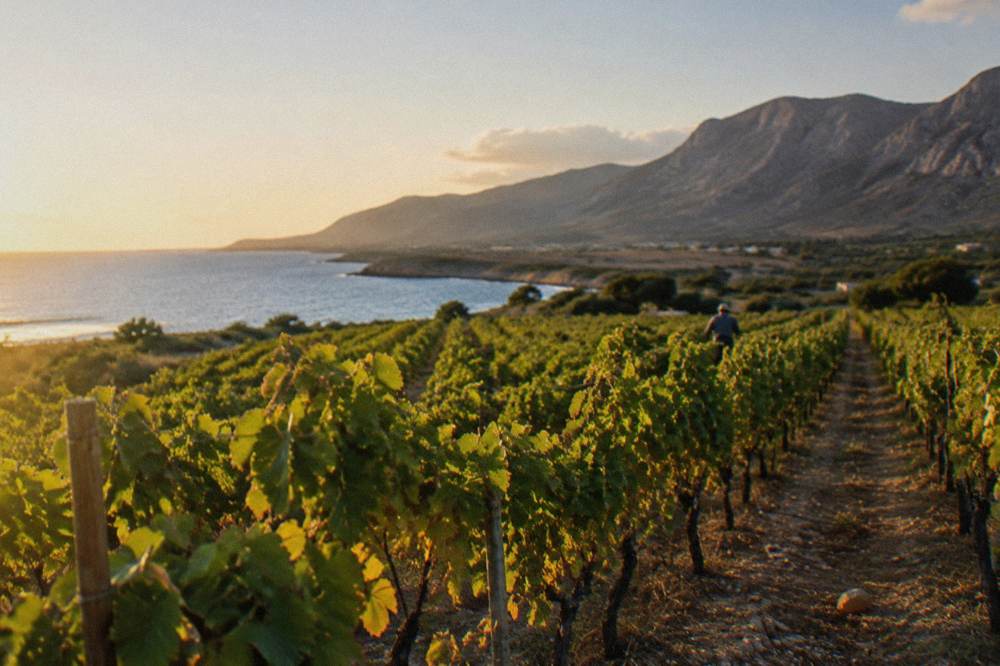
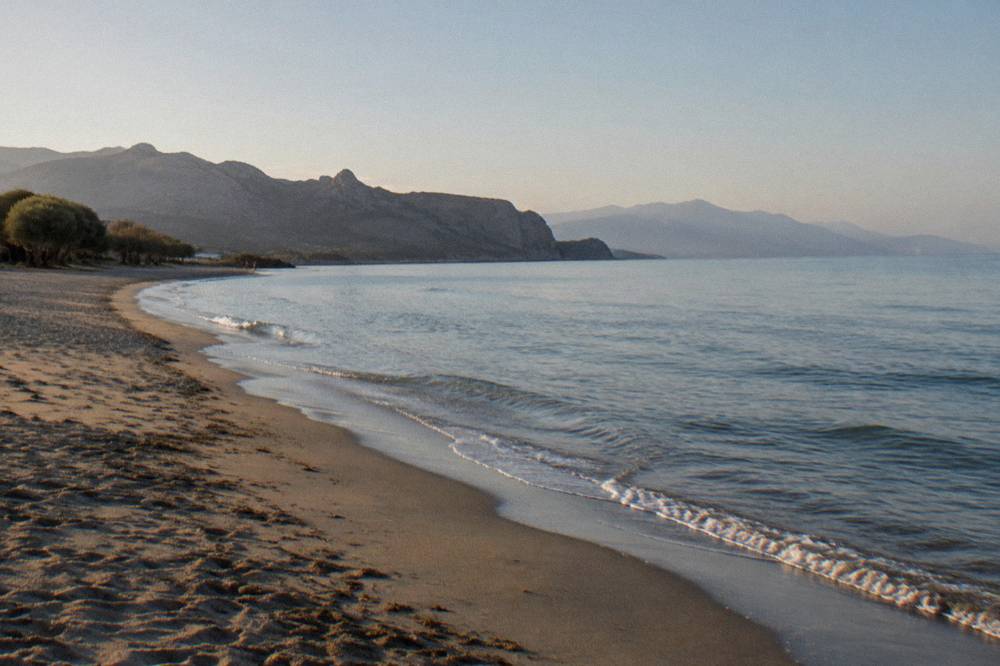
The town itself keeps a long, shallow bay of beaches that locals use without ceremony, a seafront plateia of cafés and fish tavernas, and an archaeological museum in the old Venetian-era governor's residence, small enough for an hour. Inland, the Kissamos plain is one of Crete's quieter wine districts, and several of the island's olive-oil producers sit within a short drive. That inland half is exactly what the region's tasting tours cover: the Crete wine and olive oil tour from the roster pairs a winery visit with an olive-oil stop, and the four-product tasting tour out of Chania adds cheese and honey to the same circuit.
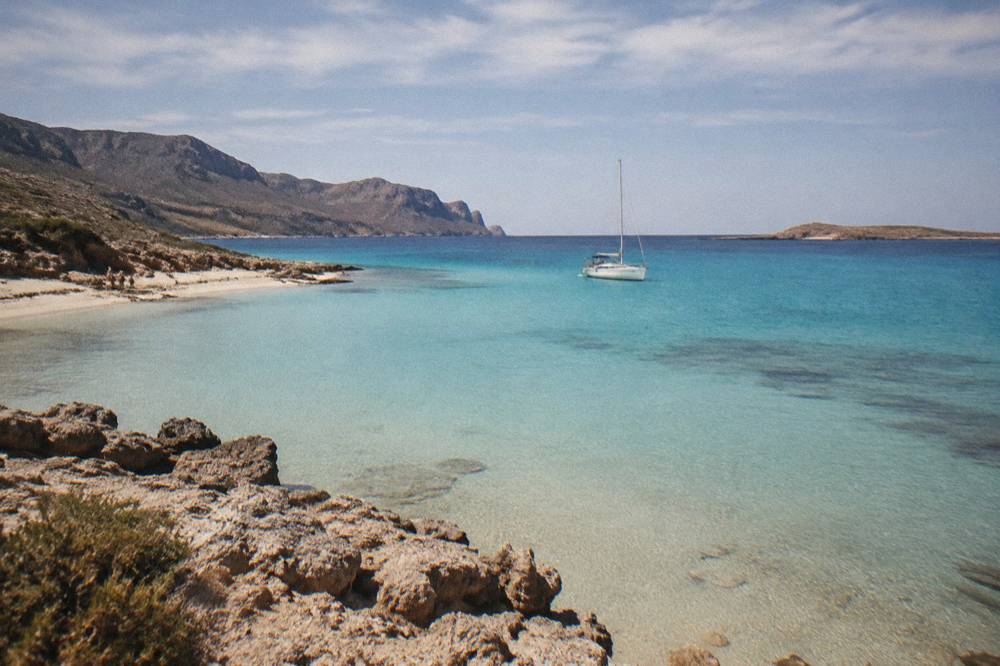
Beyond the town, the far west stacks up quickly. Falassarna's long beach sits on the west-facing coast south of Kissamos; Elafonisi, the pink-sand Natura 2000 site, is further on along the same road, entry is free and taking sand, shells or plants is prohibited, with parking reported at about EUR 5 a day. To the east, the drive back towards Chania passes the Akrotiri peninsula turn-off with its monasteries and coves, and day trips eastwards to Knossos and Heraklion run from the Chania area on a full-day basis.
When Is The Best Time Of Year To Visit Kissamos?
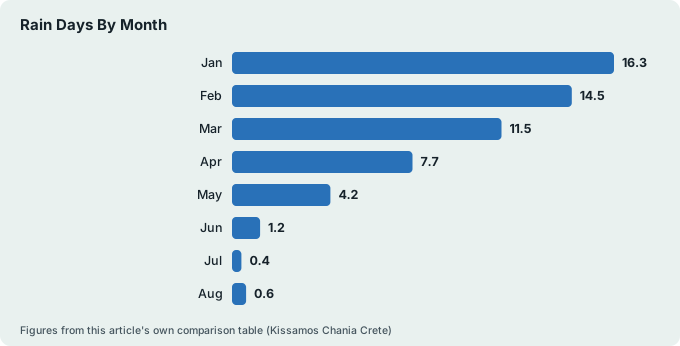
The warm, dry stretch from May to September is the reliable window for Kissamos, and the HNMS Chania Souda station table, covering station records from 1958 to 2010, shows why: those five months carry between 13.5 mm and 1.0 mm of rain in an average month, against 129.5 mm in January. The station sits at 148 m inland of Souda Bay, east of Kissamos, and its table is the official climate record for the Chania region; no newer table is published by the service. July and August average 26.7 C and 26.3 C respectively, with the prevailing wind from the west and the north-west in those months, the pattern known locally as the meltemi.
The shoulder months are the smart play for a boat-and-beach itinerary. May averages 20.2 C, September 23.2 C, and both sit inside the Balos sailing season without the July and August crowds on the boats. October, at a 19.4 C mean, still works for walking and wine country, but rain reasserts itself at 67.7 mm across the month, and the operator's sailing schedule ends on 31 October in any case. In winter the town keeps functioning as a local market centre, which is precisely its charm out of season, though boat departures thin or stop.
| Month | Mean temperature, HNMS Chania Souda, 1958 to 2010 | Rainfall, mm | Rain days |
|---|---|---|---|
| Jan | 11.0 C | 129.5 | 16.3 |
| Feb | 11.0 C | 104.0 | 14.5 |
| Mar | 12.7 C | 76.0 | 11.5 |
| Apr | 15.9 C | 31.5 | 7.7 |
| May | 20.2 C | 13.5 | 4.2 |
| Jun | 24.7 C | 3.4 | 1.2 |
| Jul | 26.7 C | 1.0 | 0.4 |
| Aug | 26.3 C | 1.4 | 0.6 |
| Sep | 23.2 C | 15.4 | 3.2 |
| Oct | 19.4 C | 67.7 | 9.3 |
| Nov | 15.8 C | 77.0 | 11.2 |
| Dec | 12.7 C | 101.9 | 16.1 |
No monthly sea-temperature normal is published for this coast, so none is printed; a live reading is a live reading, and only that.
Where Should You Stay In And Near Kissamos?
Kissamos town itself is the pick for apartments and small hotels within walking distance of the port and the town beaches; it is flat and compact, with bakeries, pharmacies and the KTEL stop in the center, and a car is useful but not compulsory for boat days. The belt between Kissamos and Kolymvari adds beachfront villages quieter than the Agia Marina strip. No nightly rate can be quoted here, because none is verified on official pages; accommodation prices move with the season and should be checked at booking. What can be said is structural: the town is flat, compact and self-serviceable, with bakeries, pharmacies and the KTEL stop all in the centre, and a car is useful but not compulsory if the plan is boat days plus town beaches.
The trade-off against staying in Chania's Old Town is simple. Chania gives the harbour, the restaurants and the evening life, at a 40-minute drive each way from the Balos port; Kissamos gives the five-minute walk to the boat and early starts without alarm-clock panic, with a far smaller evening scene. Families splitting a week sometimes do both: the two-day Chania plan front or back of a west-coast stay is a common shape.
One charge to expect at any accommodation in the region: the climate crisis resilience fee is collected per room or apartment per night, with seasonal rates by category, and the exact amount is confirmed at booking rather than quoted in advance.
Is The Balos Boat From Kissamos Worth It Over Driving?
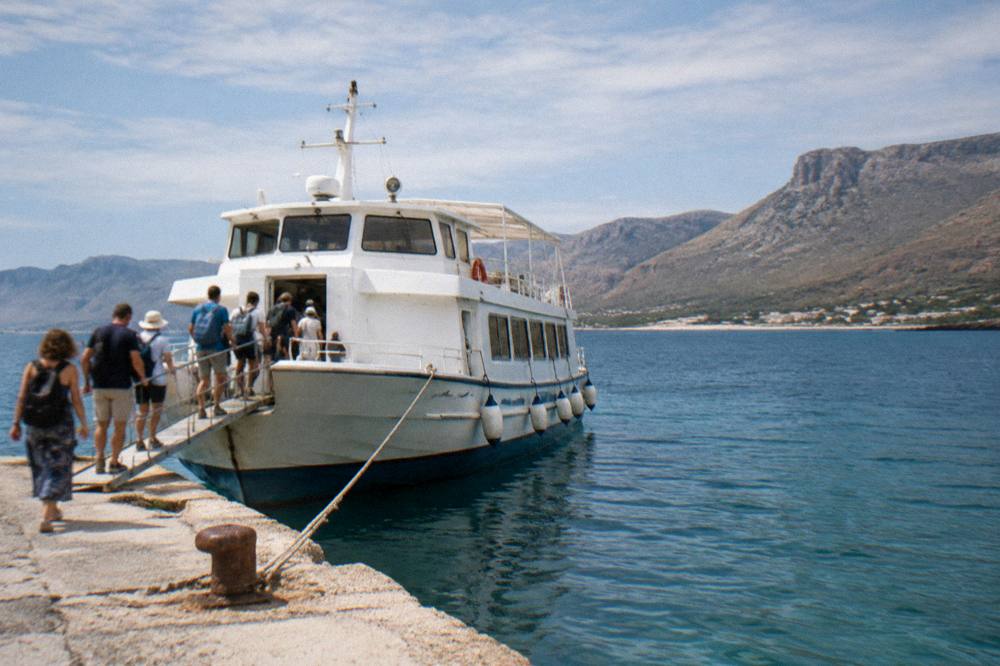
The boat is the practical choice for Balos unless the plan includes Gramvousa island itself by sea or a very early start, because the land route runs over an unpaved road from Kaliviani to a parking area followed by a walk down on foot, while the cruise delivers the lagoon and the island fortress in one ticketed day. The municipal charge is EUR 1 for over-13s, collected on the boat ticket; a proposed time-slot cap of about 1,200 visitors every three hours was put forward in August 2026 but is not in force, so no cap should be assumed either way. Beyond that fee, cruise and boat prices are the operator's to state, and the table above reproduces one operator's published 2026 fares.
The land route's drawback is not the walk, it is the road: rough, dusty in summer and congested at the parking area in peak weeks. Its advantage is timing, arriving before the first boats and leaving after them. The choice also depends on the party: small children, non-hikers and anyone afoot in Kissamos without a car are boat people by default. Travellers based in Chania without a car at all can take the pickup option, where a coach runs the group to Kissamos and the boat ticket is included in the booking.
For the reverse kind of day, out of the far west entirely, the region's gorge and coast combinations run from Chania rather than Kissamos. The related pick on this page, the Imbros gorge hike with the Sfakia coastal experience, walks the shorter cousin of Samaria and ends on the south coast, and its live listing carries the current details: Check availability.
Can You Combine Kissamos With Falassarna And Elafonisi?
Yes, and the coast road south out of Kissamos makes the combination straightforward: Falassarna sits on the west-facing coast a short drive south, and Elafonisi lies further on along the same road, so a single driving day can take in both, while bus links to Elafonisi run in summer as part of the KTEL seasonal network. Elafonisi is a Natura 2000 protected area with free entry, where taking sand, shells or plants is prohibited, and the reported parking charge is about EUR 5 a day; no sunbed price or quota exists on any official page, so none is printed. Falassarna, reached first from Kissamos, faces west and holds the sunset that the north coast cannot offer.
Doing both beaches in one day is a long day, and in July heat it is a choice between them rather than both. A calmer shape is Falassarna on the Kissamos day, with Elafonisi as its own trip, either by car or on one of the guided two-beach tours from the Chania area that run the pairing with snacks and a driver. The Elafonisi guide holds the detail on that side; the point for this page is that Kissamos is the last town with full services before both.
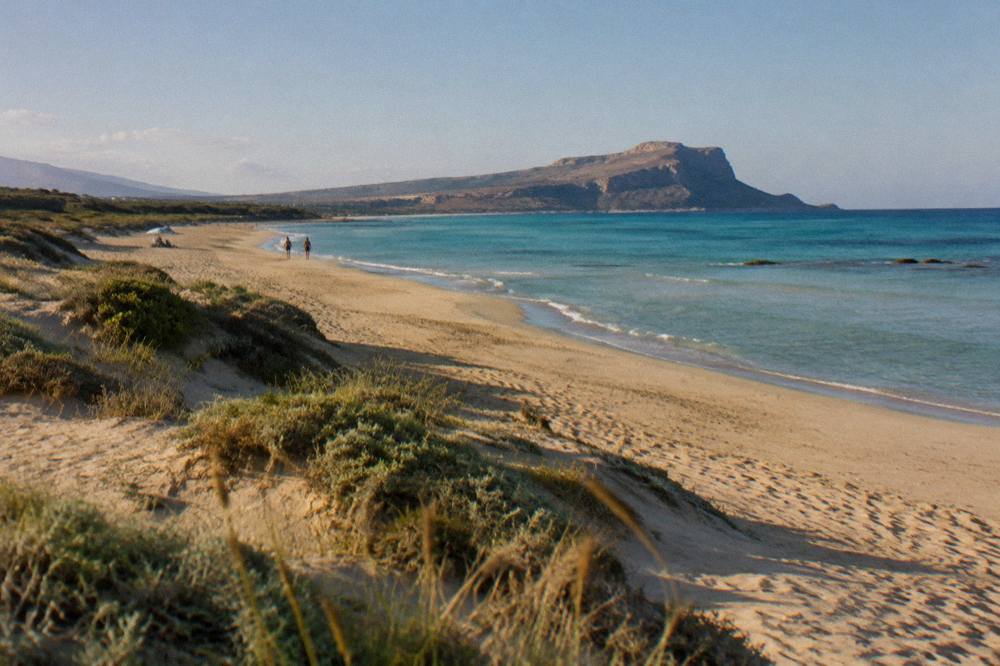
What Does A Kissamos Day Look Like Without A Boat?
A boat-free Kissamos day runs from the town beaches and the archaeological museum in the morning, through the wine and olive-oil country of the plain at midday, to the sunset at Falassarna in the evening, all of it within a short driving radius and none of it needing a ticket bought in advance. The museum occupies the old governor's house on the edge of town and holds the area's Roman-period finds; like the Archaeological Museum of Chania in the regional capital, it is modest in scale and quick to see. The tasting rooms of the plain vary their hours by season, so the practical advice is a call or a check before setting out.
The alternative shape swaps the plain for the peninsula west of town: Kaliviani village, the road out towards the Balos headland for the view even without the descent, and the small coves along the northern shore of the bay. Walking distances in the town itself are short and flat. In the evening the seafront tavernas do what a Cretan port does, fish and small plates, at prices posted on their own menus; check the bill is itemised as anywhere in Greece, and the prices on the posted menu are the ones that count.
For travellers who want the far west's scenery but not its logistics, the guided options solve the driving. Alongside the wine and gorge picks already mentioned, the things to do in Chania overview collects the full regional range, from boat trips to cooking classes, with the west-coast day trips among them.
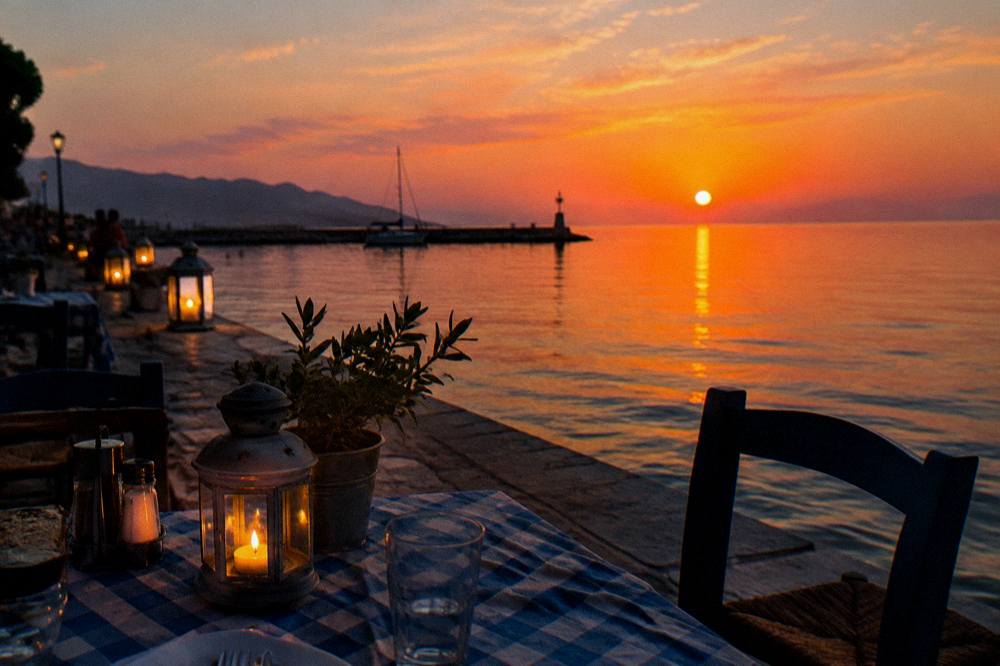
How Many Days Should You Give The Kissamos Area?
Two nights is the working minimum, with three as the comfortable choice: one full day for the Balos and Gramvousa boat, a second for Falassarna or the wine plain, and a third only if Elafonisi or a gorge is being added to the same stay. The arithmetic is driven by the boats and the roads. The Balos day absorbs a whole daylight block, the far-west beaches need a car and a half-day each, and every eastward excursion, Knossos included, is a full-day commitment from this side of the region on a long drive each way.
Travellers on a short regional itinerary can compress: a single night with an evening arrival, the boat the next morning and a Falassarna sunset on the way east covers the essentials at a cost of pace. Those with a week should read the one week in west Crete plan, which sequences Chania, Kissamos, the beaches and a gorge without backtracking. Families with younger children should note the Chania with kids angle: shallow town beaches and short boat rides score better here than long gorge days.
| Day based in Kissamos | What the day covers | Booking note |
|---|---|---|
| Day 1 | Balos and Gramvousa boat from Kissamos port, evening on the town seafront | Operator's live listing for departure times; EUR 1 municipal fee on the ticket |
| Day 2 | Wine and olive country of the Kissamos plain, or Falassarna for the west-facing sunset | Tasting rooms vary hours; check before setting out |
| Day 3 | Elafonisi by road, or an Imbros gorge and Sfakia day towards the south coast | Gorge tours run from the Chania area; check the listing for pickup points |
| Day 4+ | Drive east: Kolymvari, Chania Old Town and the Venetian Harbour | Chania pages cover parking and the harbour in detail |
Common Questions About Kissamos
Is Kissamos the same place as Kastelli?
Yes. The town is officially Kissamos and is also called Kastelli or Kastelli Kissamos locally; maps and road signs may use either name.
How far is Kissamos from Chania?
Kissamos lies about 40 km west of Chania city along the north coast road, roughly 40 minutes of driving, and the KTEL west-coast bus route connects the two from Chania's Kydonias street station.
Do the Balos boats leave from Kissamos or Chania?
The Balos and Gramvousa cruises leave from Kissamos port on the west coast. Chania's Venetian Harbour serves shorter excursion boats in the other direction; the overnight Piraeus ferry uses Souda port east of the Old Town.
What is the fee to enter Balos?
The only confirmed charge is a EUR 1 Kissamos municipal fee, collected on the boat ticket for passengers over 13. A proposed visitor cap from August 2026 is not in force, and no cruise price is quoted here beyond the operator table above.
Is Kissamos good for a beach holiday without a car?
Partly. The town's own bay beaches are walkable from central accommodation, and the boat day needs no car, but Falassarna and Elafonisi are realistically car or guided-tour destinations from here.
Can you visit Elafonisi from Kissamos?
Yes, by the coast road south past Falassarna, or on a KTEL seasonal bus in summer. Elafonisi is a Natura 2000 area with free entry, no sand or shell collecting, and parking reported at about EUR 5 a day.
The far west rewards the traveller who slows down for it, and Kissamos is where that slowdown begins: a port town that sends its boats to the lagoon each morning and keeps its evenings for itself. Read the Chania Crete Travel Guide homepage for the full regional picture, from the harbour quarter to the gorges of the White Mountains.