Is It Worth Staying In Chania Old Town?
Whether Chania Old Town is worth staying in, based on what the harbour, the museums and the climate records actually say, plus where it beats the beach suburbs and where it does not.
Chania, a coastal city of 111,375 permanent residents on the north-west coast of Crete, keeps its historic core packed into the streets around the Venetian Harbour, an anchorage first built between 1320 and 1356 with dredging and a wall recorded in 1515. Staying inside that core puts the lighthouse, the shipyards and the food streets within a short walk, and it also puts you inside the busiest quarter of the busiest town in western Crete. The honest answer is that the Old Town is worth staying in for a particular kind of trip, and the wrong choice for another, and this page lays out exactly where the line falls.
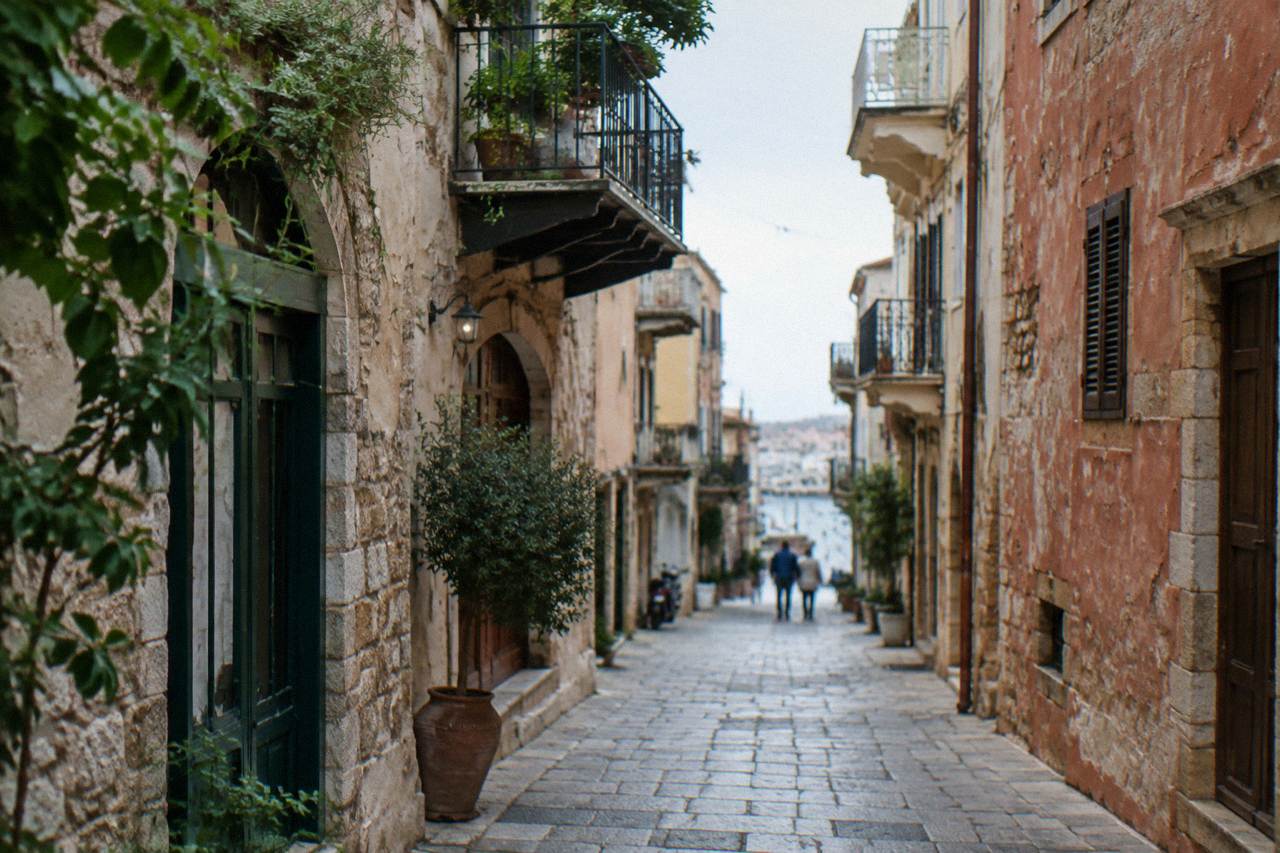
The desk's short verdict: stay in or beside the Old Town if the harbour at dawn, the restaurants at night and a car-free base matter to you, and stay a suburb away if you want a pool, easy parking and quiet by ten in the evening. The areas guide to the Old Town covers the quarter street by street, and the question of which is the nicest part of Crete to stay in frames the same choice at island scale.
Is It Worth Staying In Chania Old Town?
Yes, for a first visit of one to four nights built around food, the harbour and evening walks, the Old Town is worth staying in: it is the walkable, car-light historic core around a harbour first built 1320 to 1356, with the lighthouse, the Neoria shipyards and the covered market all on foot. It is the wrong base only if you need parking at the door, a pool or silence, because the same lanes that make it pleasant make it loud and car-hostile. The trade is convenience against quiet, and it resolves cleanly once you know which side of it you fall on.
What makes the quarter work as a base is geometry rather than charm. The Venetian Harbour, the Firka Fortress (built 1620, grounds free), the Archaeological Museum's building at 15 Skra Street in Halepa and the Neoria, seven shipyard survivors of an original seventeen from the 15th to 16th century, sit inside a compact ring of walls whose first Venetian circuit dates from 1336 to about 1356 and whose second, from 1536, followed Michele Sanmicheli's design. A bed inside that ring means no driving at night and no parking search after dinner. A bed outside it means at least one trip a day across that boundary, and the question is Chania Old Town walkable answers itself: yes, thoroughly, which is precisely the argument for sleeping there.
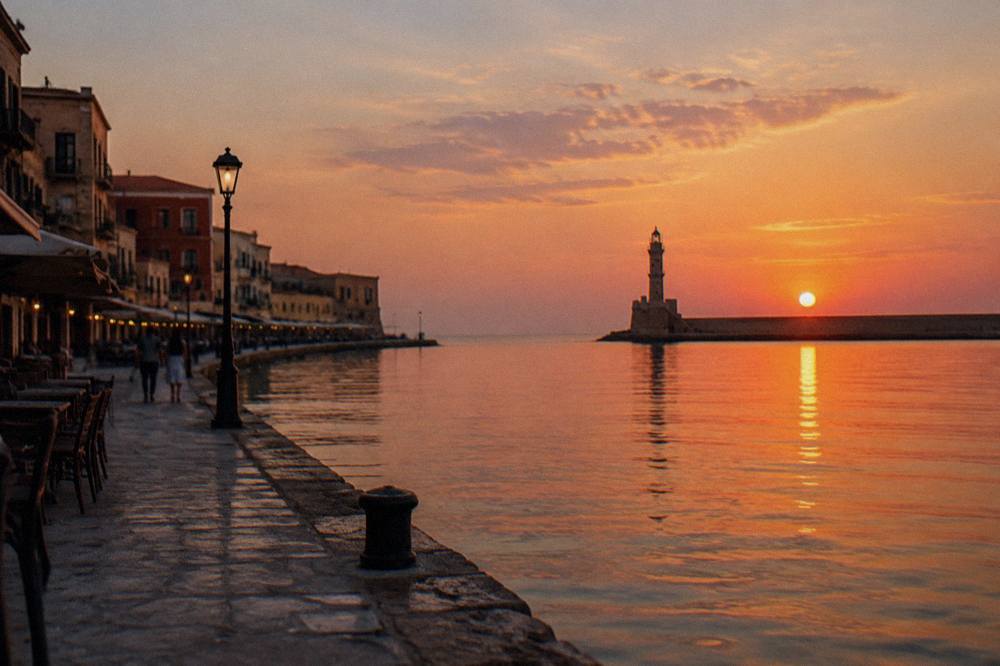
The counter-argument is real. The harbour front is the city's most touristed strip, the lanes carry nightlife noise late into the night in season, and hotels inside converted historic buildings rarely have the pools and car parks of the purpose-built resorts west along the coast. If your day plan is a beach morning and a quiet balcony afternoon, the beach suburbs serve that better, and the page on walking to a beach from the Old Town tells you exactly which swimming options survive without a car.
What Does Staying In The Old Town Actually Get You?
The Old Town base buys you the harbour before the day-trip crowds arrive, the restaurant strip after they leave, and a departure point the regional bus network was built around: the long-distance KTEL station sits on Kydonias street, with routes to Heraklion, Rethymno, Kissamos, Paleochora and Omalos, and seasonal buses to Elafonisi. Those are the facts that turn a pretty quarter into a practical one, and they are checkable: the bus operator's route list and the airport's own transport page, not a brochure, are where the plan gets confirmed.
The morning advantage is the one travellers underrate. The lighthouse, restored on its Venetian base during Egyptian rule between 1830 and 1840 and operating since 1839, and the harbour mole it stands on are public, free and at their emptiest early. Sleep five streets back from the water and that walk costs you nothing but a lie-in forgone. Sleep in Platanias or Agia Marina and the same walk is a bus ride or a drive first.
The evening advantage is the mirror image. The food streets around the harbour hold their own late dinner culture, and the desk's page on what food Chania is known for maps the dishes worth ordering.
The day-trip advantage is structural. Balos and Gramvousa boats leave from Kissamos, Samaria hikes start from the Omalos plateau road, and both the KTEL station and the hotel pickup circuits of the big operators serve the city centre first. A central bed shortens every one of those mornings, which matters on a 9-to-12-hour Samaria day or a Balos departure that wants you at Kissamos port early. The trade-off table:
| Factor | Old Town base | Beach suburb base |
|---|---|---|
| Harbour, lighthouse, Firka at dawn | On foot | Bus, taxi or drive |
| Late dinner without driving | Yes | Depends on the suburb |
| Parking at the hotel | Rarely | Usually |
| Pool and resort facilities | Rarely | Common |
| Night noise in season | Present | Low to moderate |
| KTEL station access | Short walk or one ride | Ride required |
| Day-trip hotel pickups | Served first | Often served, longer |
What Are The Downsides You Should Weigh Honestly?
The three downsides are noise in the season, the near-impossibility of parking at your door, and hotel stock that is mostly small conversions rather than resort-style buildings, so anyone who needs a pool, a parking space and silence by 22:00 should base elsewhere and visit the Old Town for evenings instead. None of these is a hidden trap; all three follow from the geography and the building stock, and each can be checked before booking by reading the listing's own details and a current map.
Noise first. The quarter's lanes bounce sound, the harbour front stays active late, and air conditioning with windows shut is the standard summer answer. A room a few streets back from the water, in Splantzia or toward the east of the quarter, is the classic quietening move; the guide to Splantzia and Topanas covers both ends of the Old Town and how their characters differ.
Parking second. The historic core was not drawn for cars, and a hire car plus an Old Town bed usually ends as "park in a public lot, walk the last stretch." Whether that is tolerable depends on how often you plan to drive: a lot, and a base with parking wins; only for two or three day trips, and the Old Town plus a lot is fine. The pages on driving in Crete and parking in Chania carry the practical detail.
Cost third, stated carefully. This page prints no nightly rate, because none is verified to print, and the same goes for the climate crisis resilience fee: it is collected per room or apartment per night with seasonal rates, and the amount is confirmed at booking. What can be said is directional and checkable at a glance on any listing: converted historic buildings in the core are smaller and scarcer than resort rooms on the coast, and scarcity prices the way scarcity always does. Everything else covered here is indexed on Chania Crete Travel Guide.
How Do The Seasons Change The Answer?
The Old Town argument is strongest in the shoulder months and weakest in the two peak summer weeks and in deep winter: the HNMS Chania Souda station table for 1958 to 2010 shows July means of 26.7 C with 1.0 mm of rain and January means of 11.0 C with 129.5 mm over 16.3 rain days, so the quarter's outdoor life, its cafes and its evening walk all scale with that curve. The same table frames the whole year of the decision.
| Month | Mean C | Rain mm | Rain days |
|---|---|---|---|
| January | 11.0 | 129.5 | 16.3 |
| April | 15.9 | 31.5 | 7.7 |
| July | 26.7 | 1.0 | 0.4 |
| October | 19.4 | 67.7 | 9.3 |
Read as a base-choice table: May to September is dry (13.5 mm in May, 1.0 mm in July on the same station record), which is when the car-free, walk-everywhere case for the Old Town pays off fully. October brings 67.7 mm and the rain starts to matter from that month onward, which softens the evening-stroll appeal but also thins the crowds. January, the wettest month in the table, belongs to the winter guide to Chania, where indoor sights like the Archaeological Museum (full ticket EUR 15, concession EUR 8, hours to be confirmed on the museum's own visit page) carry the stay.
Peak season is the season that tests the noise objection hardest. If you are travelling in late July or August, book the quietest room class you can afford, expect the harbour front to be busy until late, and treat a balcony facing away from the water as a feature rather than a compromise.
Which Areas Of Chania Beat The Old Town For Certain Trips?
For a pool-and-beach family week, Agia Marina and Platanias to the west serve it better; for a quieter authentic base with the city still close, Nea Chora sits beside its own beach; and for the deepest quiet, the villages inland win, so the Old Town is the best base only for the trip whose centre of gravity is the city itself. The page on the best area to stay in Chania works through the full list.
Nea Chora deserves the specific mention because it is the compromise people keep discovering: a genuine residential quarter with its own sandy beach, west of the harbour and walkable to it, which answers the "beach from the door" need the Old Town cannot. The trade is that the harbour restaurants are a walk rather than a step, and the evening atmosphere is quieter.
One pairing the desk suggests regardless of base: whatever quarter you sleep in, spend one day inland. The Check availability link for the Lake Kournas and Argiroupoli Springs guided tour sits beside the site's tour page for that day trip, and it is the natural foil to a harbour-centred stay: freshwater lake, spring-fed village and the White Mountains backdrop on the one day you leave the lanes behind.
Common Questions About Staying In Chania Old Town
Is it worth staying in Chania Old Town?
For a first visit of one to four nights centred on food, the harbour and evening walks, yes: the quarter is compact, walkable and car-light, with the lighthouse, Firka Fortress and the food streets on foot. It is the wrong base if you need door parking, a pool or late-night silence, because the season fills the lanes with noise and the building stock with small conversions.
Is Chania Old Town walkable?
Yes, thoroughly. The core sits inside the wall ring around the Venetian Harbour, and the harbour, the Neoria shipyards, Firka Fortress and the food streets are all within a short walk of any bed inside it. Cars are the awkward part, not feet.
Can you walk to a beach from Chania Old Town?
Nea Chora beach sits west of the harbour within walking distance of the western edge of the Old Town, which is the nearest swim to the quarter. The famous west-coast beaches, Balos, Falassarna and Elafonisi, are day trips by boat, bus or car, not walks.
Where should you stay in Chania if not the Old Town?
Nea Chora for a beach beside a residential quarter, Agia Marina and Platanias for resort-style pools and parking to the west, and the inland villages for quiet. Each gives up the walk-to-everything position the Old Town sells, so the choice follows what your days are built around.
Is staying in Chania Old Town expensive?
No verified nightly rate is printed here. Directionally, converted historic rooms in the core are scarcer and smaller than resort stock on the coast, and scarcity prices accordingly. Accommodation also collects the climate crisis resilience fee per room per night at seasonal rates, and the amount is confirmed at booking.
The verdict, condensed: the Old Town earns its keep as a base when the city is the point of the trip, and the beach suburbs earn theirs when the coast is. Pick the side of that line your days fall on, confirm the noise, parking and fee details at booking, and the quarter will do exactly what its geography promises.