Is Seitan Limania Worth It?
A straight answer on whether Seitan Limania near Chania is worth the steep descent, with the climate numbers, the honest risks, and the alternatives on the Akrotiri peninsula.
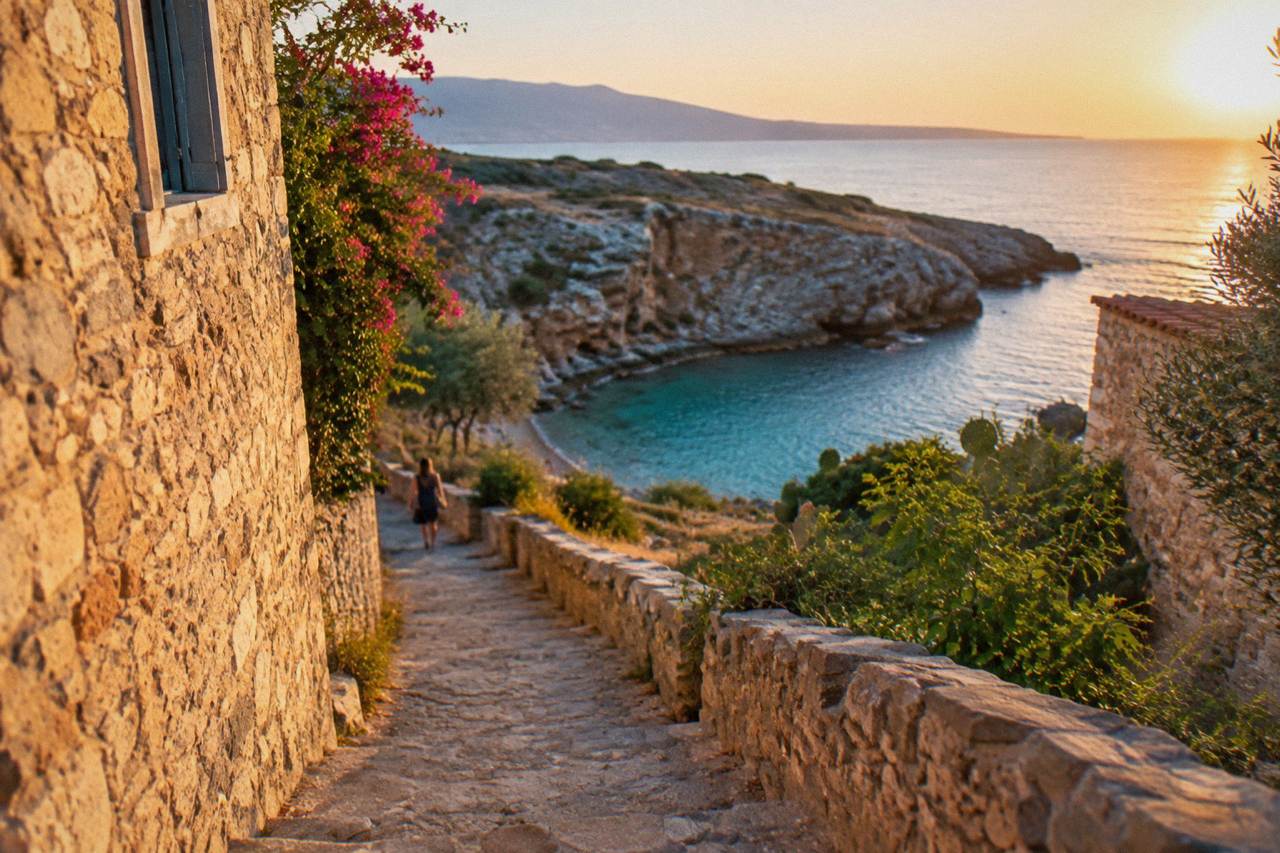
Seitan Limania is a small, steep-sided cove on the Akrotiri peninsula, the same peninsula that carries Chania International Airport about 14 km from the city centre. The beach sits below cliffs at the end of a rough descent, and that descent is the whole argument. A traveller who is comfortable on loose rock and sharp switchbacks with a drop beside the trail gets one of the most striking swimming spots within reach of Chania. A traveller who is not gets a viewpoint and a long, hot climb back up.
This page works through the decision the way the desk would advise a friend: what the path actually involves, what the climate table says about when the heat makes the climb back punishing, who should skip it, and which nearby beaches carry the same clear water with none of the vertigo. The short version for anyone who wants a verdict immediately: yes for confident walkers with proper shoes and early starts, no for small children, anyone unsteady on scree, or anyone arriving in the midday heat of July or August.
Is Seitan Limania Worth It?
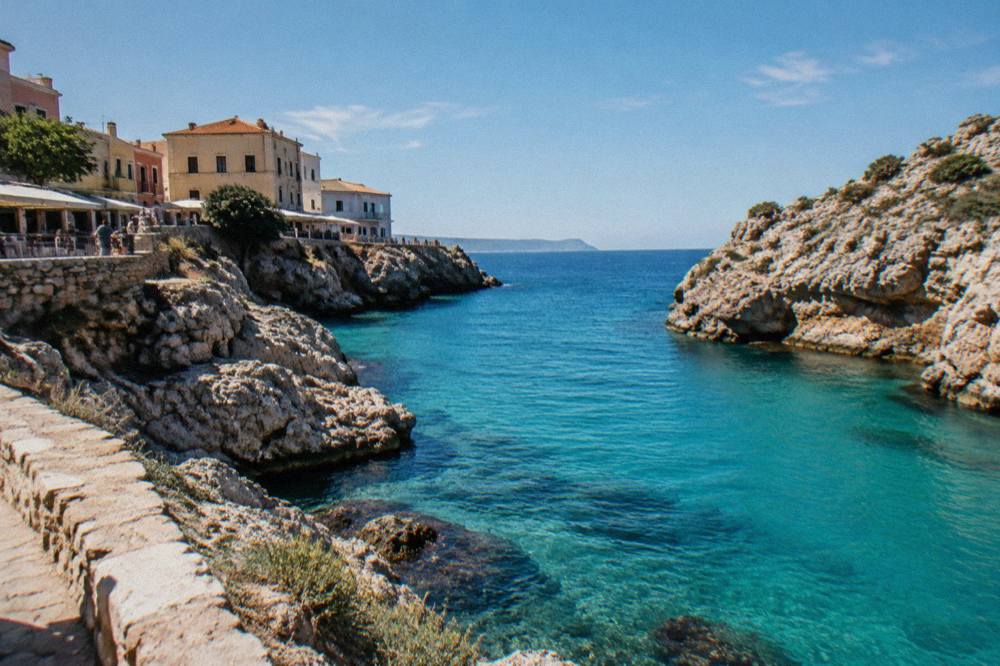
Yes, on three conditions: closed walking shoes, an early-morning start, and a realistic read of your own fitness on steep ground, because the reward is a narrow, cliff-walled cove with strikingly clear water and the cost is a steep, exposed descent and an equally steep climb back out. The cove delivers exactly what the photographs promise, and the photographs are honest about the water. What they understate is the path: it is narrow in places, it drops sharply, and there is no shade and no water at the bottom. Anyone treating those three conditions as details rather than requirements should pick another beach for the day.
The beach has no facilities to speak of and no organised lifeguard presence the desk can point to a source for, so everything for the day, including drinking water, comes down the path on your back. That single fact shapes the whole visit more than the scenery does. A short stay of a couple of hours, timed before the sun is high, works far better than a full day roasted on a small patch of sand with a hard climb left at the end of it.
The other honest point is popularity. Seitan Limania is one of the most photographed stretches of coast in western Crete, and its fame means the small beach and the path itself crowd up in high season. Arriving early deals with both the heat and the crowds at once. The desk's guide to Seitan Limania covers the practical detail of the visit at length for anyone weighing a full plan.
How Do You Get To Seitan Limania From Chania?
Seitan Limania sits on the north side of the Akrotiri peninsula north-east of Chania, reached by road from the city and then on foot down a steep path, and there is no bus or boat service that removes the walking element. The road out of Chania runs through the peninsula villages toward the airport side of Akrotiri, and the final stretch to the trailhead is a rough road, so a hire car, a taxi or an organised excursion are the realistic options. The pack holds no verified drive time for this route and none is guessed here; the peninsula itself is compact, but the last kilometres and the walk down are what eat the morning.
Since no bus serves the trailhead, book a rental car here.
That walking element deserves real respect. The path is the price of the cove, and it is the part of the day that goes wrong for people: loose surface, sharp turns and exposure to sun on the way down and a sustained climb on the way up. Shoes with grip matter more than anything else packed that day. Water matters second. Anyone who has read this far and is already hesitating should trust that hesitation, because the same peninsula carries easier, safer beaches that fit a relaxed Chania day trip without the climb.
For visitors who like the plan but not the driving, excursions and tours from Chania cover the Akrotiri coast, and pairing the peninsula with other plans is common. If Seitan Limania does not make the cut, the big-name day trips from Chania run the other way, west and south, toward Balos, Elafonisi and the gorges, and the selection below shows three of the strongest options from the verified roster.
When Is The Best Time Of Year For The Seitan Limania Path?
The HNMS Chania Souda station table, covering station records from 1958 to 2010, shows May, June and September as the months that combine warm means of 20.2 C, 24.7 C and 23.2 C with almost no rain, which is the honest window for a steep, shadeless path like this one. July and August are hotter still, 26.7 C and 26.3 C monthly means with monthly rainfall of 1.0 mm and 1.4 mm, and the mean daily maximum climbs to 30.7 C in July. That heat turns the climb back up into the hardest part of the day unless the visit starts at dawn.
| Month | Mean C (HNMS Chania Souda, 1958 to 2010) | Mean Max C | Rain mm | Rain Days |
|---|---|---|---|---|
| May | 20.2 | 24.5 | 13.5 | 4.2 |
| Jun | 24.7 | 28.9 | 3.4 | 1.2 |
| Jul | 26.7 | 30.7 | 1.0 | 0.4 |
| Aug | 26.3 | 30.4 | 1.4 | 0.6 |
| Sep | 23.2 | 27.4 | 15.4 | 3.2 |
| Oct | 19.4 | 23.5 | 67.7 | 9.3 |
Two readings of that table matter for this specific path. First, October: the monthly rainfall jumps to 67.7 mm across 9.3 rain days, and rain on a steep, loose surface is a reason to skip the descent entirely rather than attempt it carefully. Second, the wind: the station table shows the prevailing wind swinging west to north-west in July and August, and the meltemi is a general summer north-westerly pattern on this coast. A stiff north-westerly on an exposed cliff path is a real consideration, and on the day the only safe judge is the condition of the path in front of you. The rest of the planning pages sit on Chania Crete Travel Guide.
Spring and autumn also change what the day feels like beyond the numbers. May's 13.5 mm of rain leaves the peninsula green, while September's 23.2 C mean keeps the sea warm from summer without July's peak heat on the rock. The desk's suggestion, formed from the station table alone, is simple: outside June and September, go early or reconsider.
| Condition | Favourable | Unfavourable |
|---|---|---|
| Month | May, June, September | July and August after mid-morning; October onward after rain |
| Time of day | Early morning | Midday and afternoon in high summer |
| Footwear | Closed shoes with grip | Flip-flops, smooth-soled shoes |
| Party | Confident adult walkers | Small children, anyone unsteady on steep loose ground |
| Weather check | Calm, clear forecast | Rain in the previous days, strong north-west wind |
One more caveat belongs here rather than buried lower: the climate crisis resilience fee that accommodation in Chania collects per room per night has nothing to do with the beach, but visitors confirming amounts at booking should not be surprised by it. It is collected by the accommodation, with seasonal rates, and the amount is confirmed at booking.
Not Sure The Path Is For You?
If the honest answer is shaping up as no, a cooking class is the opposite kind of Chania morning: shade, a table, and a full traditional Cretan meal at the end. The Check availability link shows the live listing, and the class sits on the city side of the day rather than at the end of a cliff path. Chania's food scene rewards the curious, and an overview of what Chania is known for food-wise gives the wider picture.
What Are The Best Alternatives To Seitan Limania Near Chania?
If the steep path rules Seitan Limania out, the Akrotiri peninsula and the coast west of Chania offer beaches with clear water and level access, including the family beaches of the Agia Marina and Platanias stretch and the calmer coves around Marathi and Kalathas, and none of them demands a descent. The desk cannot rank beaches no one here has audited, but the practical trade-offs are plain: the developed beaches carry sunbeds, tavernas and road access, while Seitan Limania carries drama and a path. Choosing is a question of what the day needs to survive.
The comparison the desk would actually make is with the west-coast names. Elafonisi, a Natura 2000 protected area where entry is reported to be free and taking sand, shells or plants is prohibited, delivers shallow, famous water with none of the climbing, and the question of whether Elafonisi is worth visiting has its own honest answer. Balos, reached by boat from Kissamos port with a EUR 1 municipal fee collected on the ticket for over-13s, is the other headline alternative. Neither is a substitute for a cove you can see from the clifftop above, but both fit a wider range of travellers.
For visitors stacking days, a Seitan Limania morning can sit inside a longer Chania plan, and the desk's rundown of what not to miss in Chania places the cove among the city, harbour and food stops in a workable order. The trio below covers the three strongest verified day products from Chania if the beach day is swapped for something else entirely.
One warning that belongs beside any gorge mention: Samaria Gorge is never a safe assumption. Storms in late September and early October 2026 destroyed sections of the path, staff describe a 2026 reopening as extremely difficult, and no final decision is on record, with works aimed at readiness in May 2027. The gorge normally runs 1 May to 31 October, and the NECCA status is checked before any plan is made. The same rule of checking applies, in miniature, to every cliff path on this coast.
Common Questions About Seitan Limania
Is Seitan Limania worth it?
For confident walkers with closed shoes, an early start and enough water, yes: the cove's clear water and cliff setting are as striking as the photographs. For small children, anyone unsteady on steep loose ground, or anyone arriving in the midday heat of July or August, the honest answer is no, and the easier Akrotiri beaches are the better day.
Is the path to Seitan Limania dangerous?
It is steep, narrow in places and exposed, with a loose surface and no shade, and it is treated as a serious walk rather than a stroll. Rain in the previous days makes the surface worse, and the climb back out is the hardest part. The desk prints no accident statistics because none are verified; the conditions themselves are the evidence.
Can you reach Seitan Limania by bus from Chania?
No bus or boat service removes the walking element. The realistic options are a hire car, a taxi or an organised excursion to the trailhead, followed by the descent on foot. The final road stretch is rough, and the airport's own site carries the general public transport information for the peninsula.
When is too hot for Seitan Limania?
The HNMS Chania Souda station table, records from 1958 to 2010, gives July a monthly mean of 26.7 C and a mean daily maximum of 30.7 C, with August at 26.3 C and 30.4 C. On a shadeless path those numbers mean early morning only, and October's 67.7 mm of monthly rain makes the surface itself the problem after wet days.
What is a good alternative if the path is too much?
Level-access beaches on the Akrotiri peninsula and the Agia Marina and Platanias stretch carry clear water with no descent, and Elafonisi and Balos work as full-day boat or bus trips from Chania. The Chania Crete Travel Guide holds detailed pages on each if the beach day needs replacing.
The verdict, restated plainly: Seitan Limania is worth it exactly as far as the path is, and the path is the one part of Chania's coast that should be read honestly before the day is planned.