What Not To Miss In Chania?
The unmissable sights of Chania in Crete, from the Venetian Harbour and the lighthouse to Balos, Elafonisi and the gorges, with verified facts on tickets, seasons and access.
Chania is a coastal city of about 111,375 permanent residents on the north-west coast of Crete, Greece, built around a harbour the Venetians first constructed between 1320 and 1356. The municipality covers 356.12 square kilometres, with the White Mountains rising to the south and the beach and gorge country of western Crete spread out to the west. That combination, a walkable historic core plus a launch pad for Balos, Elafonisi, Samaria and the south coast, is what shapes any shortlist of what not to miss here. This page sets out the essentials with the dates, fees and access notes the primary sources actually give.
What Not To Miss In Chania?
The list that repeats across every serious source is short and consistent: the Venetian Harbour and its lighthouse, the Old Town streets behind it, Firka Fortress, the Archaeological Museum in Halepa, and at least one big day trip to Balos, Elafonisi or a gorge. Each of these sits within a short distance of the others, and the museum's own visit page lists a full ticket at EUR 15 with a concession at EUR 8, while Firka's grounds are free and the fort dates from 1620. The day trips are the part that needs planning, because seasons, storm damage and boat schedules all change what is possible.
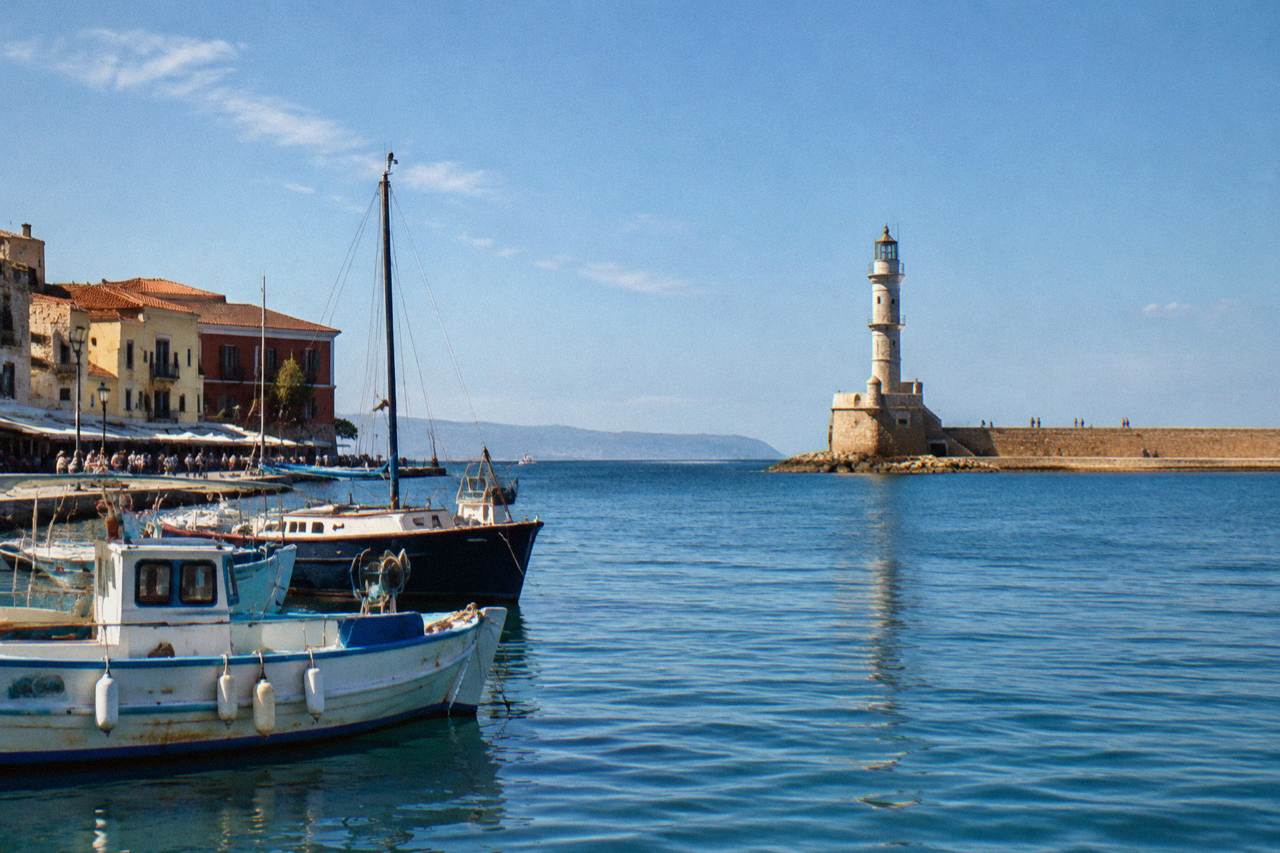
The harbour is the natural first stop, and it is not a museum piece roped off behind a ticket desk. Excursion boats leave from the Venetian Harbour itself, the Neoria shipyard buildings, seven survivors of an original seventeen from the 15th to 16th century, still stand on the eastern side, and the Egyptian-era lighthouse watches from the mole. The Piraeus ferry, by contrast, leaves from Souda port about 7 kilometres east of the Old Town, a detail worth knowing before anyone books an overnight sailing.
To see the harbour from the water instead, book a Lazaretta Island boat trip here.
For a fuller rundown of sightlines and itineraries, the things to do in Chania overview maps the whole city, and how many days in Chania is enough addresses the pacing question this shortlist always raises.
Why Is The Venetian Harbour The Heart Of Chania?
The Venetian Harbour is the oldest constructed feature of the city a visitor can walk today, first built between 1320 and 1356, with dredging and a wall recorded in 1515, and it still frames everything else: the lighthouse at the mole, the Firka Fortress of 1620 opposite it, and the Neoria shipyards along the eastern quay. The lighthouse itself is Venetian, built about 1595 to 1601, restored on its original base during the Egyptian period of 1830 to 1840 and recorded as operating in 1839. No ticket is needed to walk the mole or the quay.
The Old Town behind the harbour preserves the layered history in its street plan. First Venetian walls went up from 1336 to about 1356, and the second circuit followed from 1536 to Michele Sanmicheli's design. Ottoman rule began with the conquest of Chania in 1645, and Crete's union with Greece came in 1913. Splantzia and Topanas, the two quarters flanking the old core, each carry that sequence in their buildings, and is Chania Old Town walkable covers the practical side of covering it on foot.
| Sight | What it is | Verified detail |
|---|---|---|
| Venetian Harbour | Working harbour and quay | First built 1320 to 1356; wall recorded 1515 |
| Lighthouse (Faros) | Harbour mole light | Built about 1595 to 1601; restored 1830 to 1840, operating 1839 |
| Firka Fortress | Venetian fort at the harbour mouth | Built 1620; grounds free to enter |
| Neoria | Venetian shipyard sheds | Seven survive of an original seventeen, 15th to 16th century |
| Archaeological Museum | Museum at 15 Skra Street, Halepa | Full ticket EUR 15, concession EUR 8; check the visit page for hours |
The museum line in that table comes with a caution worth spelling out: its opening hours are the one detail to confirm on the museum's own visit page before setting out, since the published sources conflict. The ticket prices above are the figures the museum itself lists.
Beyond the city, the same question of what not to miss extends to the mountains at Chania's back. Two of the three tours below run into that hill country, and the third reaches the south coast by boat.
Which Beaches And Gorges Should You Not Miss Around Chania?
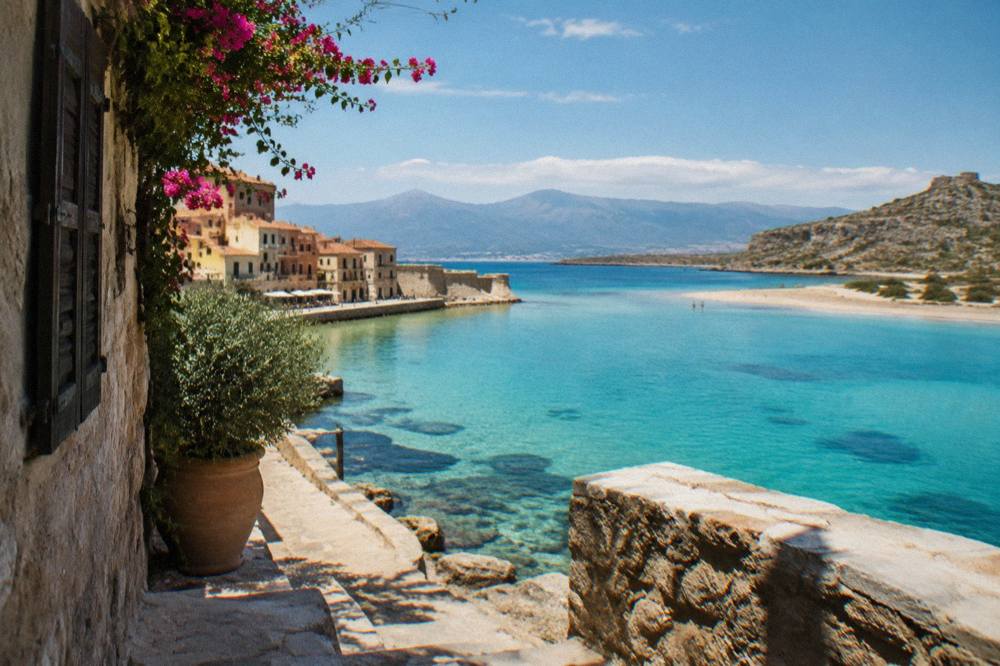
Balos lagoon and Gramvousa island to the west, Elafonisi on the south-west corner, and the Samaria Gorge in the White Mountains are the three headline excursions, and each has a fixed caveat: Balos carries only a EUR 1 Kissamos municipal fee on the boat ticket for over-13s, Elafonisi is a Natura 2000 area where taking sand, shells or plants is prohibited, and Samaria normally runs 1 May to 31 October but closes or delays when storms damage the path. Samaria's individual ticket is EUR 10 through the NECCA e-ticket portal, free for EU residents under 18 and over 65.
Balos trips leave from Kissamos port, with daily departures reported to 31 October 2026. By road, the route from Kaliviani runs along an unpaved track to a parking area, followed by a walk down to the lagoon. A time-slot visitor cap of about 1,200 people per three hours was proposed in August 2026, but it is not in force, so no cap should be assumed when planning.
Samaria is the one that needs a status check every time. Storms in late September and early October 2026 destroyed sections of the path, and no final decision on a reopening has been recorded; the works under way are aimed at readiness in May 2027. The park's reported rules stand regardless: entry for the full walk between 07:00 and 13:00, everyone out by 18:00, no swimming and no camping inside the park. The walk itself is one-way, from Xyloskalo on the Omalos plateau down to Agia Roumeli, with boats from Agia Roumeli to Sougia or Chora Sfakion at about 17:30 and a KTEL bus back. The full picture, including difficulty, is covered in is the Samaria Gorge hike difficult.
For anyone weighing the boat-and-beach options against each other, the trio above and the box below cover the two most direct ways to reach Balos from Chania without driving the unpaved road independently.
Still deciding between a boat day and a gorge day?
The box above bundles pickup and the boat ticket, which removes the two logistics that trip up independent plans at Balos. Whatever the choice, tour prices for Samaria and Balos exclude the separate entrance fees, the municipal charge and the ferry legs, so the checkout total is not the whole cost of the day.
What Food And Local Tastes Define Chania?
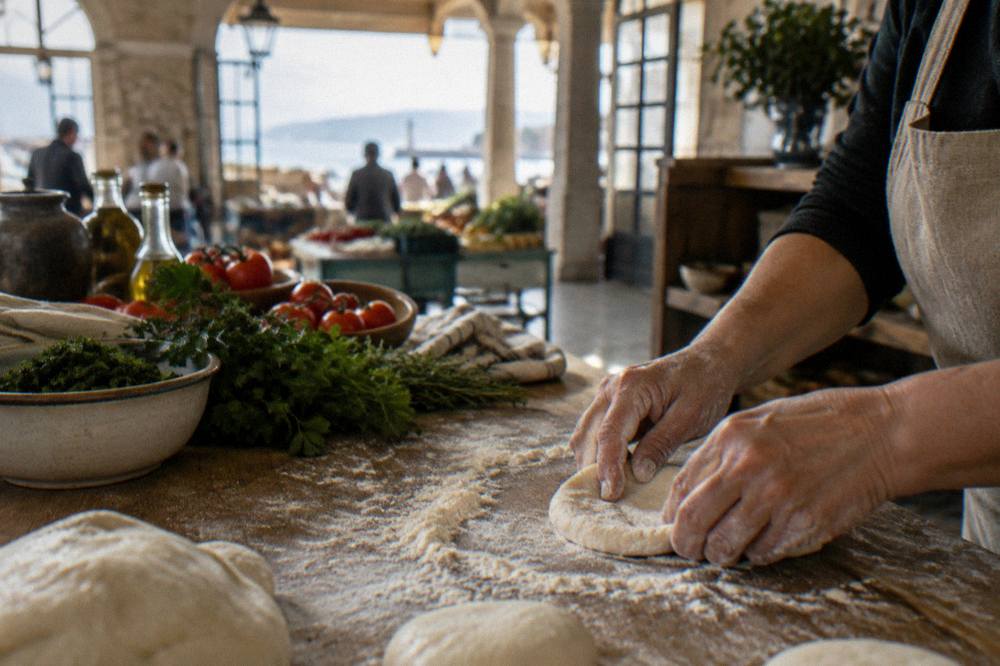
Cretan cooking is the reason the food question belongs on a what-not-to-miss list: olive oil, cheese, honey and wine are the four products the island's own producers build menus around, and Chania's bakeries, market and tavernas present all four within walking distance of the harbour. The Municipal Market building sits inside the Old Town, and the streets around it carry the bougatsa shops and Cretan kitchens the city is known for. A tasting tour or a cooking class is the structured way in when time is short.
The olive oil and wine angle runs deeper than the restaurants. Several tours from Chania visit wineries and oil producers in the hills, pairing tastings with the villages that supply them, and a cooking class in the White Mountains moves the whole table up into mountain country. The city's food identity is covered in detail at what food is Chania known for alongside the other claims to fame.
No verified price range exists for restaurant meals, so the honest planning advice is the simple one: posted prices and an itemised bill are the checks any visitor can make, and no venue's charges should be assumed in advance. The same rule applies to accommodation, where a climate crisis resilience fee is collected per room or apartment per night at seasonal rates, with the exact amount confirmed at booking rather than published here. The rest of the planning pages sit on Chania Crete Travel Guide.
What Day Trips From Chania Deserve A Place On Your List?
The day trips that anchor a Chania stay are Balos and Gramvousa by boat from Kissamos, Elafonisi and Falassarna by road, Samaria or the easier Imbros Gorge on foot, and the long rides to Rethymno, Heraklion and Knossos, all reachable from the KTEL bus station on Kydonias street or through organised tours. The bus network runs to Heraklion, Rethymno, Kissamos, Paleochora, Omalos and, in summer, Elafonisi, which makes several of these possible without a car at all.
The gorges split by ambition. Samaria is the full-day commitment, governed by the status rules above, while Imbros is the shorter alternative that also ends with a connection to the south coast. The southern shore beyond them, Loutro and Sfakia country, is reachable on tours that include the boat legs, which matters because the coastal boat schedules there are seasonal and not published in a single place. Gavdos boats run from Paleochora and Sougia in season.
| Day trip | Direction from Chania | Access note from the sources |
|---|---|---|
| Balos and Gramvousa | West, from Kissamos port | Daily departures reported to 31 Oct 2026; EUR 1 municipal fee for over-13s |
| Elafonisi | South-west | Natura 2000 area; entry reported free; no sand, shells or plants may be taken |
| Samaria Gorge | South, from Omalos | Normally 1 May to 31 Oct; storm closures happen; EUR 10 ticket via NECCA |
| Imbros Gorge | South | Shorter gorge alternative with village and south coast connections |
| Rethymno | East | KTEL bus route from the Kydonias street station |
| Heraklion and Knossos | East | KTEL bus route; a full day each way by tour or bus |
Island-wide shortlists sit alongside this one at what should I not miss in Crete, which answers the question for the whole island rather than the city. For travellers basing themselves here and using Chania as the hub, the trio below is the practical shortlist of organised days into the mountains and the south coast.
The related tour on this page, the quad and buggy safari from Platanias, is the same idea in miniature: hill tracks behind the coast, reached without a hiking day. The full detail and live availability sit on the operator's listing, and the tour's own page here describes the route.
When Should You Plan These Misses Around?
The HNMS Chania Souda station table, covering station records from 1958 to 2010, shows the planning pattern plainly: May to September is dry, with July at 1.0 mm of rain on 0.4 rain days, while January carries 129.5 mm across 16.3 rain days, and rain starts to matter again from October, which records 67.7 mm. July and August are the warmest months at 26.7 and 26.3 C mean, and January the coolest at 11.0 C.
That table decides the day trips more than the city sights. The boat season to Balos runs to 31 October, the gorge season is nominally the same window but storm-exposed, especially in its autumn weeks, and the sea trips around Chania itself run on shorter coastal schedules. A spring or early-autumn visit spreads the same list across cooler walking weather with the rain figures still low, while midsummer compresses everything into heat that the mean maximum of 30.7 C in July makes plain.
Common Questions About What Not To Miss In Chania
What not to miss in Chania?
The Venetian Harbour and its lighthouse, the Old Town quarters, Firka Fortress, the Archaeological Museum at 15 Skra Street, and at least one day trip, with Balos, Elafonisi and the Samaria or Imbros gorges as the headline options. The harbour and fortress cost nothing to walk, and the museum lists its tickets at EUR 15 full and EUR 8 concession.
Can you see Chania's main sights on foot?
Yes. The Old Town, the harbour, the lighthouse mole, Firka Fortress and the Neoria shipyards all sit within a compact walkable area around the Venetian Harbour. The Archaeological Museum is a short ride away in Halepa, and the beach and gorge day trips leave from Kissamos, Omalos or the KTEL station on Kydonias street.
Is Samaria Gorge open when I visit?
It normally opens 1 May to 31 October, but it closes or delays when storms damage the path, and storms in late September and early October 2026 destroyed sections of it. No reopening decision is on record and works are aimed at May 2027 readiness, so the NECCA status must be checked before the day is planned. The ticket is EUR 10 through the NECCA e-ticket portal.
Is Elafonisi free to visit?
Entry is reported to be free. Elafonisi is a Natura 2000 protected area, and taking sand, shells or plants is prohibited. No parking fee, sunbed price or other charge is verified, so those details are confirmed on the day.
How do you get to Balos from Chania?
Boat cruises leave from Kissamos port to the west, with daily departures reported to 31 October 2026, and the only confirmed charge is a EUR 1 Kissamos municipal fee collected on the boat ticket for over-13s. By road, an unpaved track runs from Kaliviani to a parking area, followed by a walk down to the lagoon.
Where does the ferry to Piraeus leave from?
From Souda port, about 7 kilometres east of the Old Town, not from the Venetian Harbour, which serves excursion boats. The Blue Star Ferries overnight service departs at about 21:30 with a crossing of about 9 hours 15 minutes on the operator's published timetable, to be confirmed when booking.
The short version of the whole page: walk the harbour first, buy the museum ticket second, and let the season decide the third act, because the sea, the sand and the gorge each keep their own calendar. That calendar, checked against the operator listings and the NECCA status before any booking, is what turns this list into a plan.