Is Chania In Crete Worth Visiting?
An honest answer to whether Chania in Crete is worth visiting, from the Venetian Harbour and Old Town to Balos, Elafonisi and Samaria day trips.
Chania is a coastal city of 111,375 permanent residents (2021 census) on the north-west coast of Crete, Greece, sitting on the Cretan Sea with the White Mountains rising to the south and the Libyan Sea coast a day trip away. Its Old Town wraps around a harbour the Venetians first built between 1320 and 1356, and from the city's bus station and ports run the routes to Balos, Elafonisi, Samaria, Falassarna and the south coast. This page answers the question in plain terms: what the city actually offers, what it does not, and for whom the answer is yes.
Is Chania In Crete Worth Visiting?
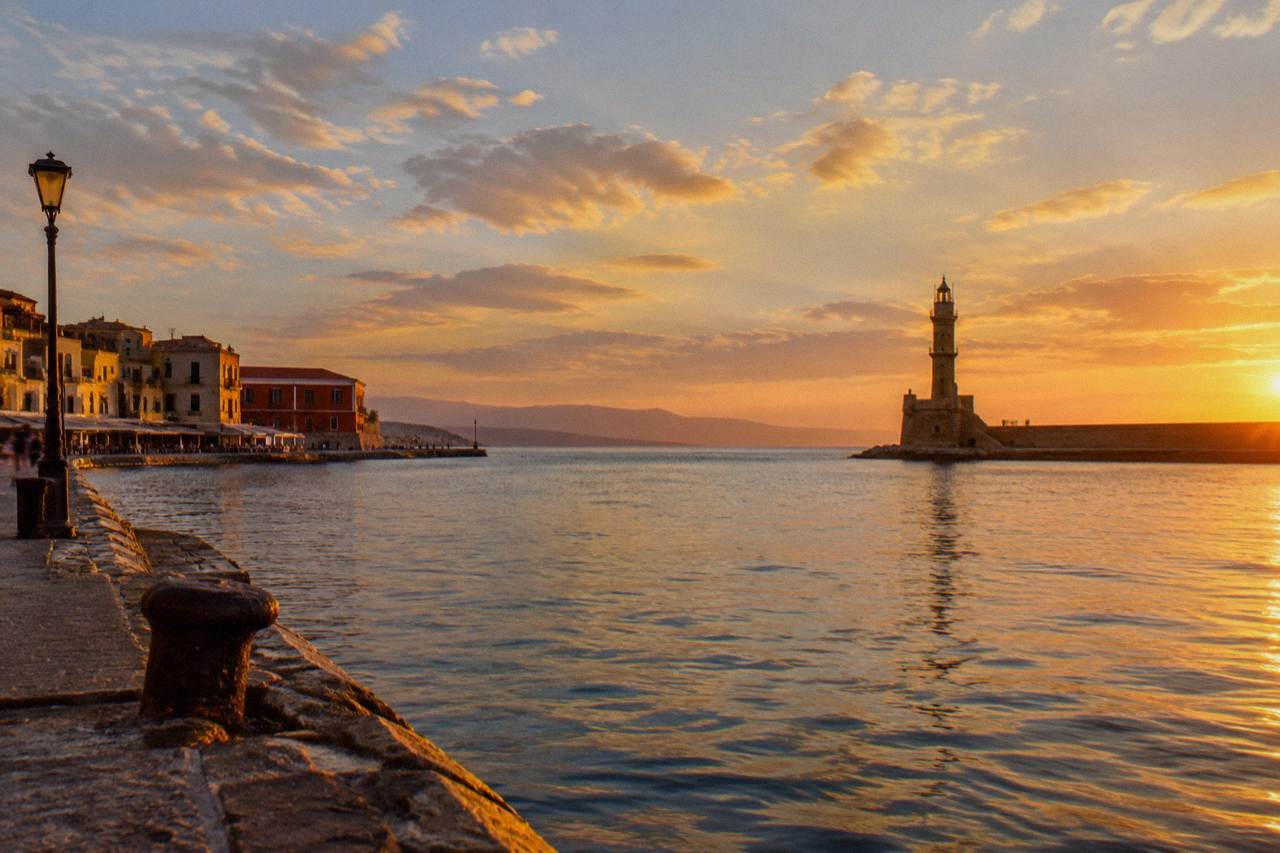
Yes, for two reasons the sources back directly: Chania holds one of the most intact old harbour towns in Crete, with the Venetian Harbour first built 1320 to 1356, the lighthouse of about 1595 to 1601 and seven surviving shipyards of an original seventeen, and it is the practical base for west Crete's headline day trips to Balos, Elafonisi, Samaria and Falassarna. What it is not is a beach resort or a nightlife capital; the sea nearest the Old Town is a harbour and the beaches start a bus or car ride away.
The honest way to answer the question is to separate the city from its surroundings. The city itself rewards walkers: the Old Town, the Firka Fortress of 1620 with free grounds, the Archaeological Museum at 15 Skra Street in Halepa with a full ticket at EUR 15, and the Splantzia and Topanas quarters are all within a compact area. The municipality's own figures give the city 111,375 permanent residents, which makes it Crete's second city after Heraklion.
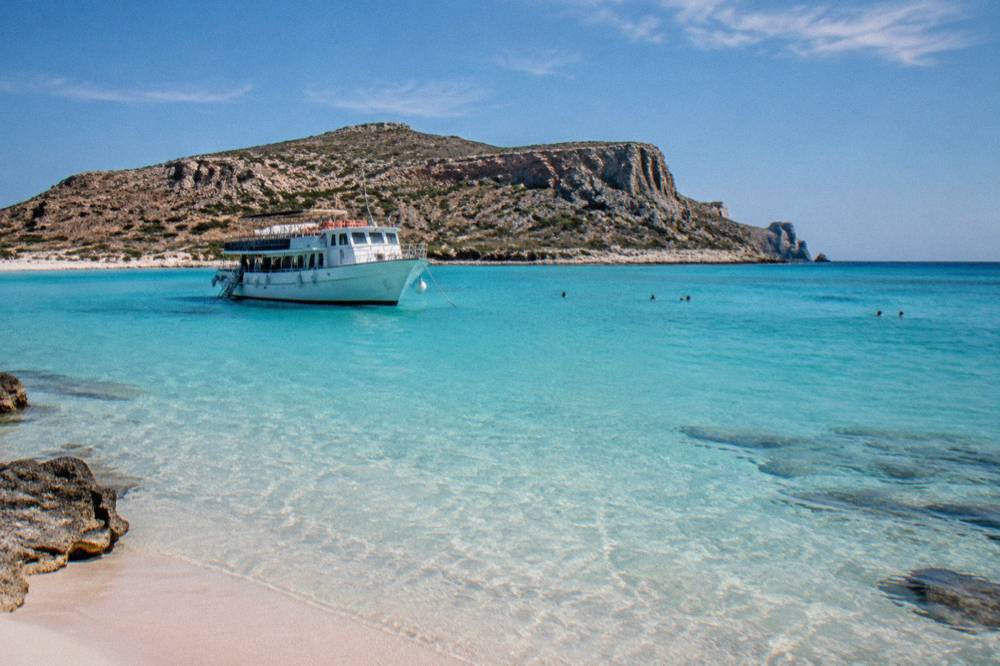
The surroundings are the stronger half of the argument. Kissamos port, about an hour west by road, is the departure point for Balos Lagoon and Gramvousa. Elafonisi, a Natura 2000 protected area with free entry, sits on the south-west tip. Samaria Gorge, a paid national park run by NECCA, runs one-way from the Omalos plateau down to Agia Roumeli, with boats connecting to Chora Sfakion. All of these are easier from Chania than from anywhere else on the island.
For a fuller rundown of the city's own attractions, the site's main page on Chania Crete Travel Guide covers the harbour, the museums and the quarters in detail, and the root page on things to do in Chania lists the full set of options.
What Does Chania Itself Actually Offer?
Chania offers a walkable Old Town around a working Venetian Harbour, a lighthouse on its mole, free fortress grounds, an archaeological museum with a published ticket price, and a food scene built on Cretan staples, all inside a city of 111,375 residents whose airport sits about 14 km away on the Akrotiri peninsula. The core sights are historical rather than beach-based, and the whole old centre is compact enough to cover on foot.
The dated fabric is unusually rich for a city this size. The harbour itself was first built 1320 to 1356, with dredging and a wall recorded in 1515. The lighthouse, about 1595 to 1601 in its Venetian form, was restored on its original base during Egyptian rule between 1830 and 1840 and was operating by 1839. The Neoria, the Venetian shipyards, survive as seven buildings out of an original seventeen, from the 15th to 16th century. The first city walls went up from 1336 and the second circuit from 1536, to Michele Sanmicheli's design. Ottoman rule began with the conquest of Chania in 1645, and Crete's union with Greece followed in 1913.
The museums are fewer and smaller than Heraklion's, and that is the fair comparison to make. The Archaeological Museum of Chania, at 15 Skra Street in Halepa, lists a full ticket at EUR 15 and a concession at EUR 8 on its visit page, which also asks visitors to leave 20 minutes before closing; the museum's own page is the place to check current hours. Firka Fortress, at the harbour mouth, was built in 1620 and its grounds are free. The Maritime Museum of Crete sits inside it.
On the practical side: Chania International Airport "Ioannis Daskalogiannis", operated by Fraport Greece, is about 14 km from the city centre, and the overnight Blue Star Ferries service to Piraeus leaves from Souda port about 7 km east of the Old Town, not from the harbour itself. Bus and taxi information is on the airport's own site.
If the food is the draw, the site's answers on what food Chania is known for and where locals eat in Chania go deeper, and a guided tasting walk such as the Old Town highlights tour with street food folds the two together.
If the food is the draw and the sights matter too, book a sightseeing and tastings tour here.
Is Chania A Good Base For Day Trips?
Chania is the island's best base for west Crete day trips: KTEL buses run from the station on Kydonias street to Kissamos, Paleochora, Omalos and, in summer, Elafonisi, boats leave Kissamos port for Balos and Gramvousa daily to 31 October 2026, and the ferry connection from Souda places the whole region within a day's reach. The trade-off is distance: Knossos and Heraklion sit on the other side of the island, roughly a KTEL bus ride away to the east.
The headline trips and their access facts, as the sources state them:
| Day trip from Chania | What the sources say |
|---|---|
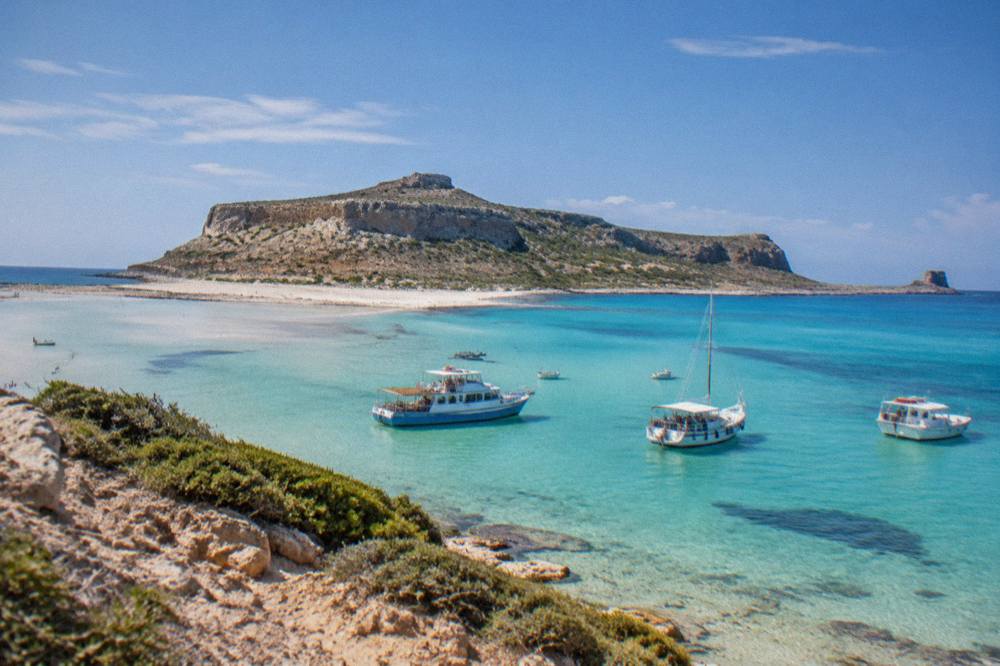
| Balos and Gramvousa | Boats from Kissamos port; the only confirmed charge is a EUR 1 Kissamos municipal fee on the boat ticket for over-13s; operator-reported daily departures to 31 October 2026 |
| Elafonisi | Natura 2000 protected area; entry reported free; taking sand, shells or plants is prohibited |
| Samaria Gorge | One-way walk from Xyloskalo to Agia Roumeli; EUR 10 individual ticket via the NECCA e-ticket portal; normally 1 May to 31 October, but check NECCA status after storm damage |
| Souda to Piraeus ferry | Blue Star Ferries, overnight, departing about 21:30, crossing about 9 h 15 min, per the operator's published timetable |
Two caveats matter. Samaria Gorge's normal season is 1 May to 31 October, but storms in late September and early October 2026 destroyed sections of the path, and no reopening decision is on record; the NECCA status page is the only place to confirm before planning the walk. Balos is also reachable by road, an unpaved stretch from Kaliviani to a parking area followed by a walk down, which is why many travellers take the boat instead.
For the Balos trip specifically, a tour with pickup from Chania or Rethymno and the boat ticket already handled removes the two planning frictions at once. The Balos and Gramvousa trip with pickup is the site's featured pick for this route: Check availability.
What Are The Downsides Of Chania?
The honest downsides are three: the city's own beaches are not in the Old Town, the famous lagoon and gorge trips add hours of driving or sailing to every day, and the summer months concentrate crowds and heat, with July averaging 26.7 C and only 1 mm of rain at the HNMS Chania Souda station for the period 1958 to 2010. None of these is a reason to skip the city, but each one changes how a trip should be planned.
The beach question comes up constantly. The nearest swimmable stretches are a bus or short drive from the centre, at Nea Chora and west along the Akrotiri peninsula; the postcard beaches, Balos and Elafonisi, are half-day expeditions. A traveller who wants to step from hotel to sand every morning should weigh that before booking, and the site's pages on the beaches near the Old Town and the best beaches in Chania lay out the distances. The best time to visit Chania and how many days to give Chania pages cover the timing questions in detail.
The season shapes everything. Rain becomes significant from October, at 67.7 mm in the HNMS Chania Souda table, and runs through winter, with January the wettest month at 129.5 mm. May to September is dry, at 13.5 mm in May and 1.0 mm in July. In practical terms, spring and early autumn give the best mix of walkable weather and thinner crowds, while July and August bring the warmest means, 26.7 C and 26.3 C, and the fullest harbour.
There is also the fairness of the comparison. Rethymno is smaller and closer to the centre of the island; Heraklion sits beside Knossos. Chania wins on west Crete access and old-town density, and loses on driving distance to the Minoan sites. The site's head-to-head pages on Chania versus Rethymno and whether to stay in Chania or Heraklion work through the trade-offs.
| Month | Mean C | Rain mm (HNMS Chania Souda, 1958 to 2010) |
|---|---|---|
| April | 15.9 | 31.5 |
| May | 20.2 | 13.5 |
| June | 24.7 | 3.4 |
| September | 23.2 | 15.4 |
| October | 19.4 | 67.7 |
Who Should Skip Chania?
A traveller whose holiday is defined by resort beaches, by nightlife, or by Heraklion's museum and Knossos should think twice: the Archaeological Museum of Chania is a EUR 15 ticket in a small building, the club scene is limited, and Knossos is a long day trip east, so a Heraklion or Rethymno base may serve those plans better. Chania earns its days from travellers who want a walkable old town plus gorge, lagoon and south-coast expeditions.
Nightlife is the weakest flank. The harbour has its bars and the summer crowds, but the city is not set up as a party destination, and the site's answer on whether Chania is a party town deals with that directly. Resort-beach travellers face the same mismatch: the sand near the centre is serviceable, but the famous beaches are expeditions.
For everyone else the arithmetic is favourable. A stay of two to three days covers the Old Town, the museums and one boat trip, and a week opens up Samaria or Imbros, Elafonisi, Falassarna and the villages of the White Mountains. The site's itineraries for two days and three days in Chania, and the west Crete one-week plan, map the options day by day.
Common Questions About Visiting Chania
Is Chania in Crete worth visiting?
Yes. The city pairs a Venetian-era Old Town and harbour with the island's best access to Balos, Elafonisi and the gorges, and its 111,375 residents keep it a working city rather than a resort. It suits walkers and day-trippers; it suits resort-only travellers less well.
How many days does Chania need?
Two days cover the Old Town, the harbour and one boat trip. A third or fourth day opens Samaria or Imbros, Elafonisi or the south coast villages, each of which takes a full day from Chania.
Is the Old Town of Chania walkable?
Yes. The Old Town sits compactly around the Venetian Harbour, and the Firka Fortress, the lighthouse mole, Splantzia and Topanas are all short walks from one another, on streets that predate the car.
Can you walk to a beach from Chania Old Town?
Not to a famous one. Nea Chora beach lies west of the centre and is the closest swimmable stretch, while Balos and Elafonisi are half-day trips by boat or road from the city.
Is Chania better than Rethymno or Heraklion?
It depends on the trip. Chania wins on west Crete day trips and old-town density, Rethymno is smaller and more central, and Heraklion sits beside Knossos with the larger museum. The site's comparison pages break down each pairing.
When is the best time to visit Chania?
May to September is dry in the HNMS Chania Souda table for 1958 to 2010, at 13.5 mm of rain in May and 1.0 mm in July. May, June and September combine warm means of 20.2, 24.7 and 23.2 C with thinner crowds than July and August.
The short version: Chania is worth visiting for travellers who want a harbour town they can walk and a launchpad for the beaches and gorges of west Crete, and the answer only turns negative when the plan is a resort, a party week or Knossos every morning.